





 Português
  Inglês
  Espanhol
  4 min de leitura
  0 comentários


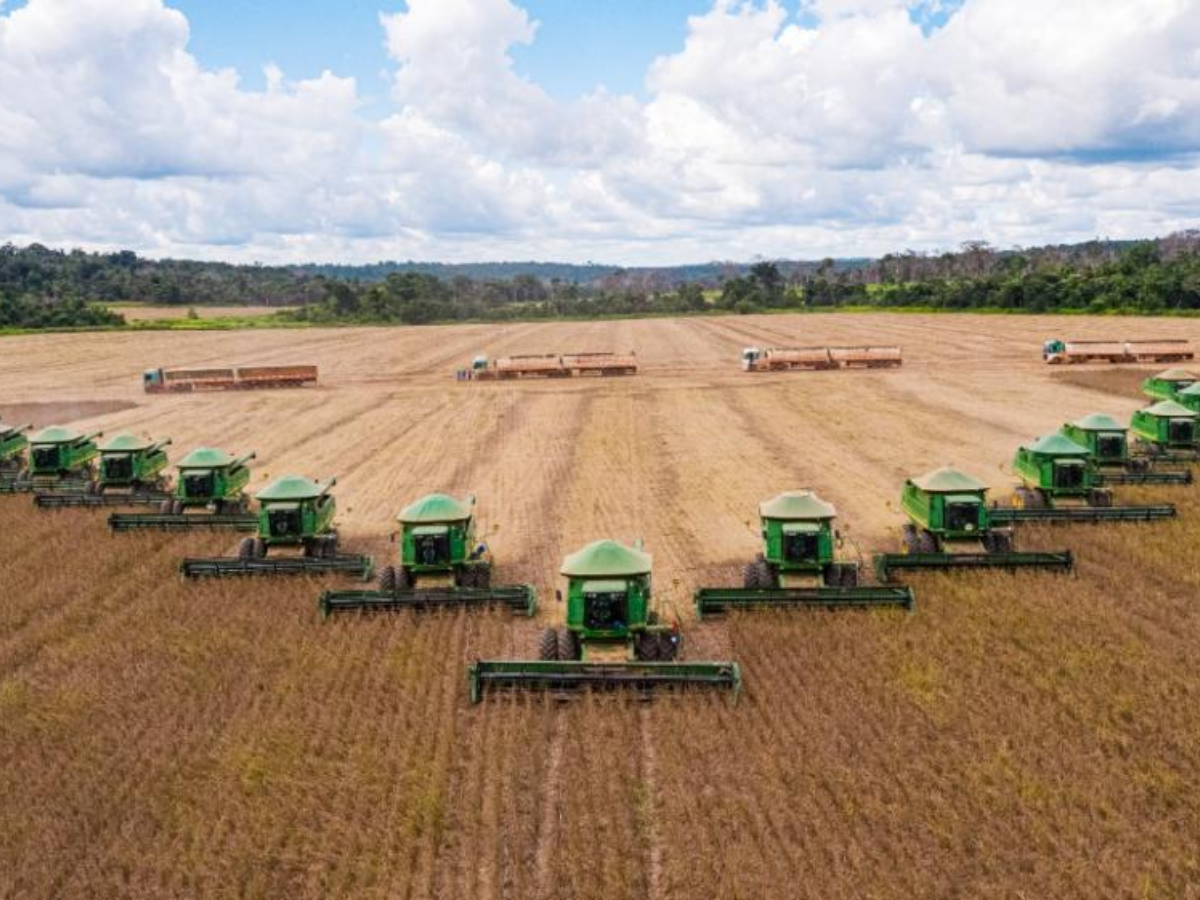
Discover the History, Vast Production Scale, and Innovative Practices of the Large Farm (Grupo Bom Futuro), an Agricultural Colossus with over 650,000 Hectares in Mato Grosso.
The Grupo Bom Futuro represents one of the largest and most influential organizations in agribusiness in Brazil, establishing itself as the largest soybean farm in Brazil, a huge farm in terms of scale and impact. With over three decades of operations, primarily in Mato Grosso, the group stands out for its vast cultivated area, diversification of activities, and a family management focused on growth and innovation.
Understand the trajectory and dimensions of Bom Futuro, detailing its structure, operations in agriculture, livestock, and fish farming, as well as its sustainable practices. Bom Futuro is not just a large farm, but an agro-industrial complex that plays a fundamental role in the national agricultural economy.
The Genesis of the Large Farm Bom Futuro
The history of Grupo Bom Futuro is deeply connected to the Maggi Scheffer family. The brothers Eraí, Elusmar, and Fernando Maggi Scheffer are responsible for the property and strategic direction of the group. With over 30 years of investments and development in the agribusiness sector of Mato Grosso, they have built a reputation for being at the forefront.
-
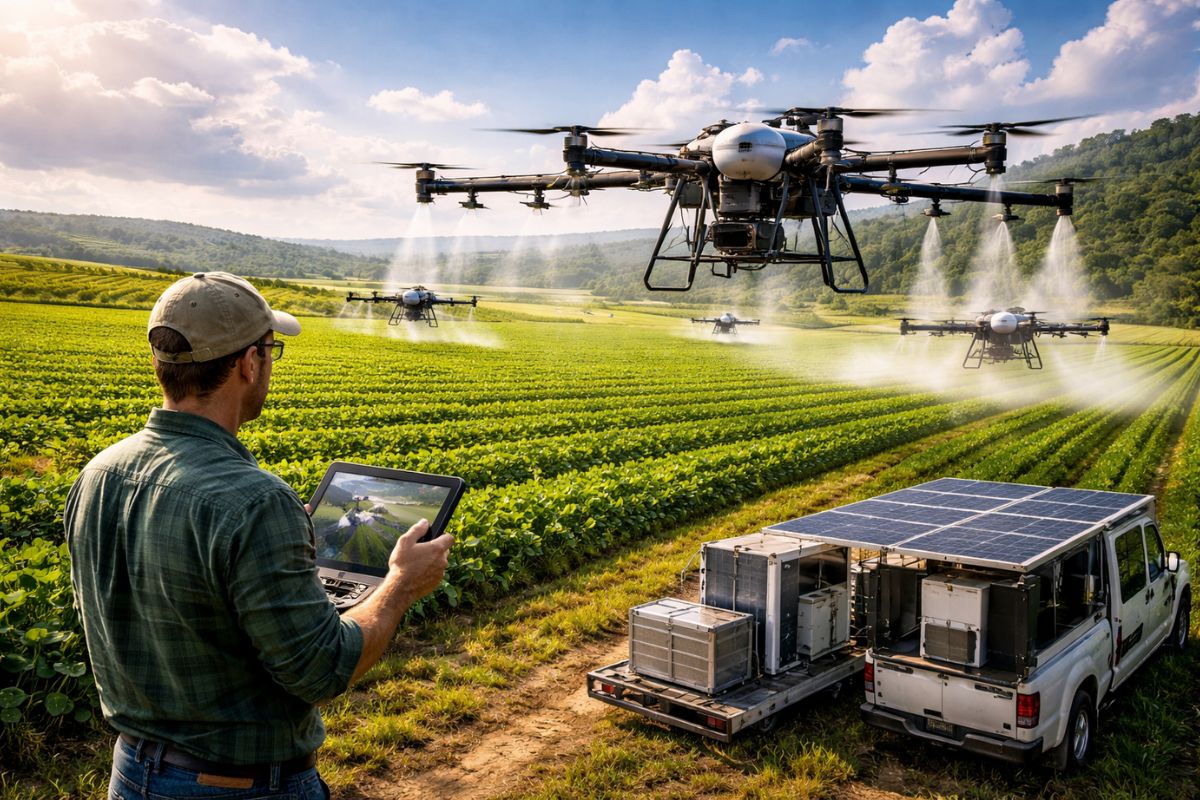
Alone, the producer applies 7,400 hectares with the T100 drone in an optimized structure, replaces the generator with a silent battery, and demonstrates how technology reduces costs, increases productivity, and even challenges the uniport in the field.
-
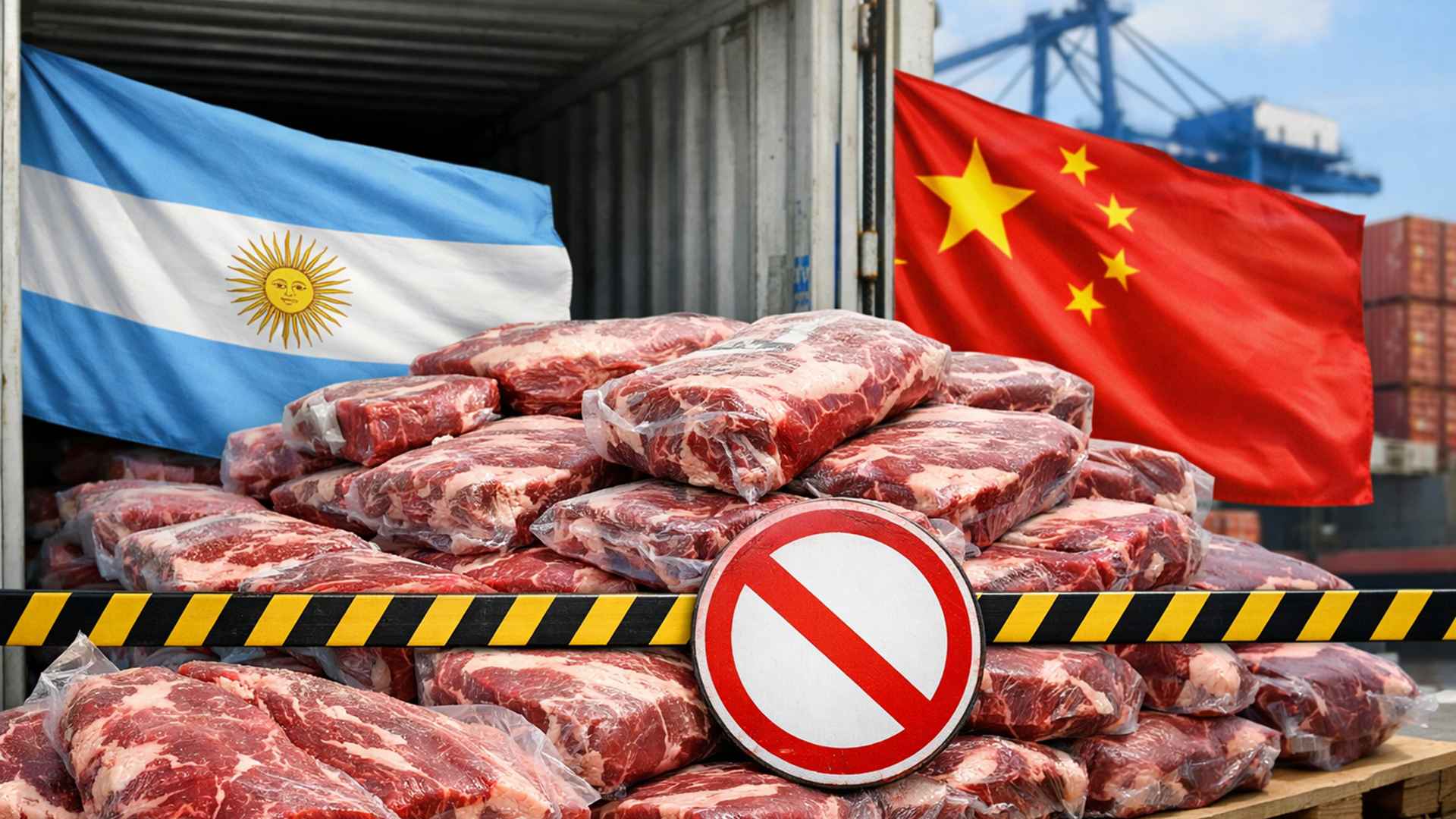
China banned the export of 22 tons of meat from Argentina.
-
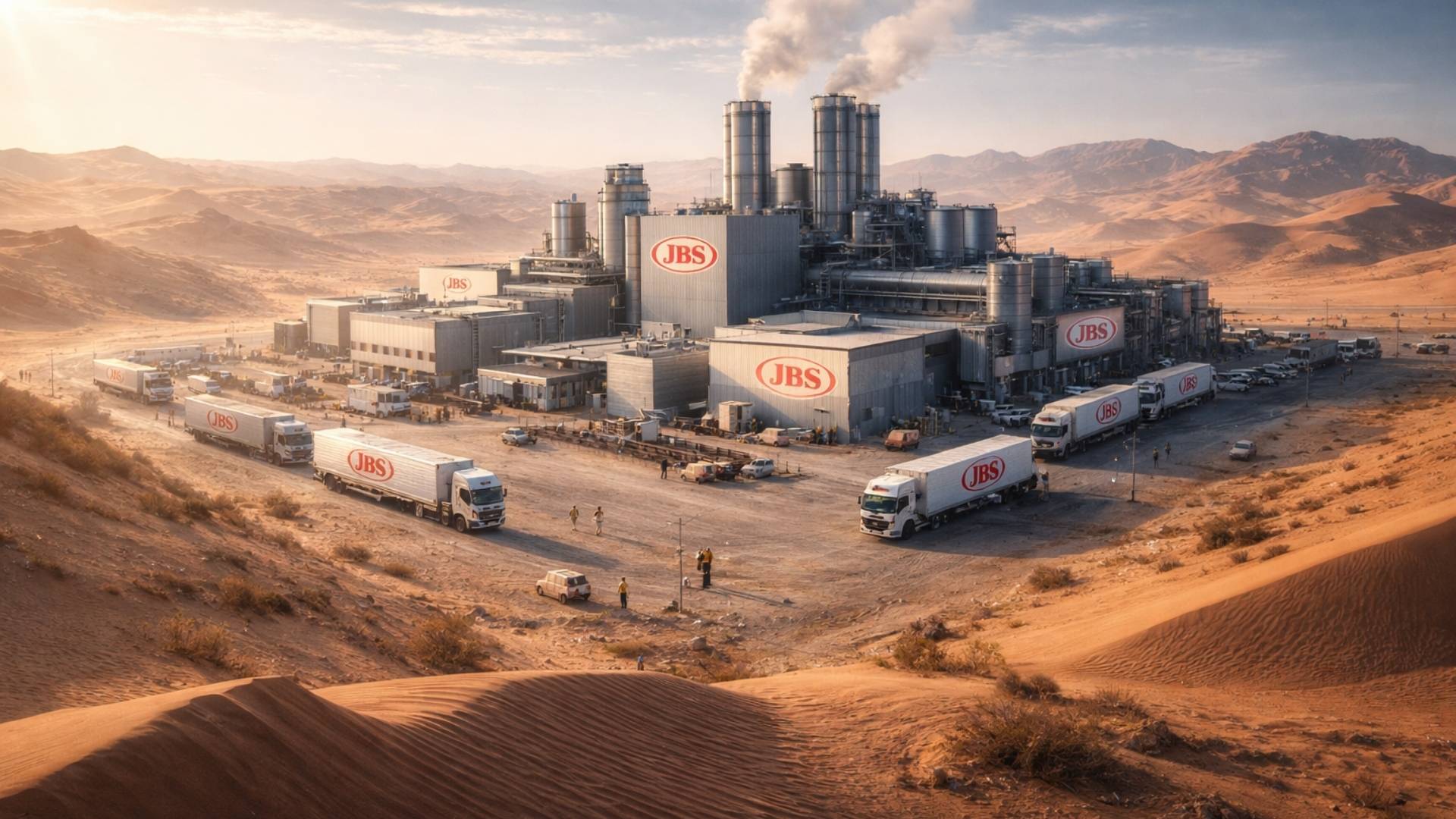
JBS, founded by the Batista brothers, continues to conquer the world: entrepreneurs built a ‘factory in the desert’ creating 3,000 jobs.
-
With only 1% of Brazil’s territory, Santa Catarina has built one of the most competitive industrial parks in the country, with 64,000 companies, nearly 1 million jobs, and a growth rate of 5.3% while the national industry is practically stagnant.

The continuity of this legacy is a priority, with the new generation, such as Aline Bortoli, daughter of Elusmar, already actively participating in management. This model of family control often results in a long-term vision and strong commitment to the expansion of the large farm.
The Operational Scale of the Large Farm
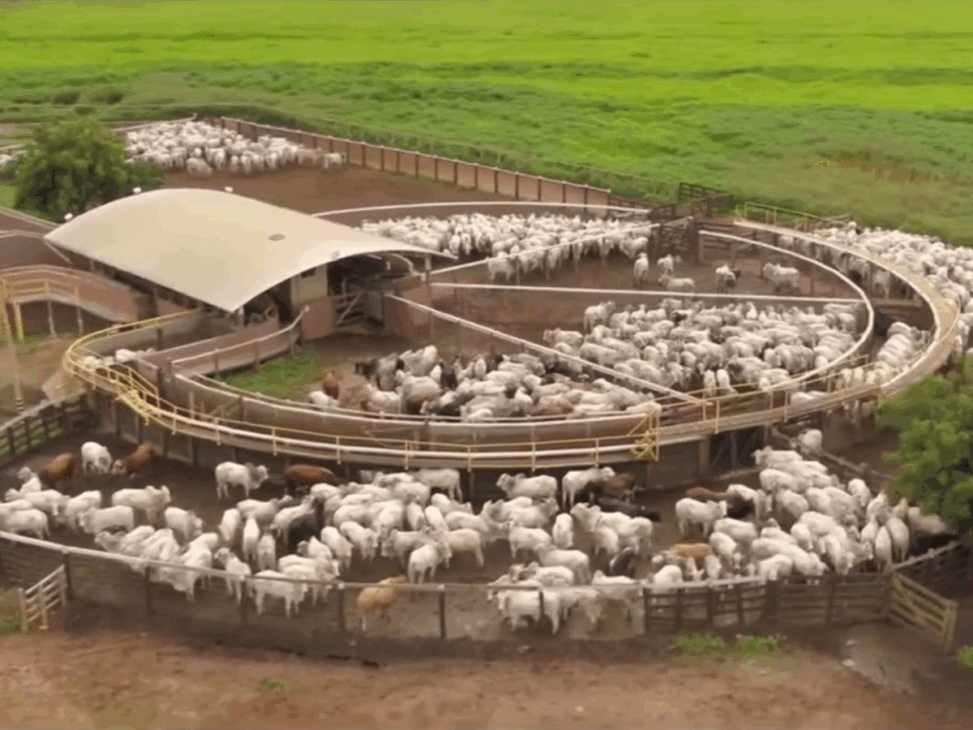
The magnitude of Grupo Bom Futuro is monumental. Recently, the cultivated area by the group exceeded 650,000 hectares, spread across about 35 production units in Mato Grosso. This large farm is a giant in agricultural production.
Annually, the group harvests approximately 1.9 million tons of grains (soybeans and corn), with soybeans accounting for 1.3 million tons. The production of cotton reaches around 360,000 tons of lint. In livestock, the static capacity is 150,000 cattle, with annual sales ranging from 90,000 to 110,000 heads. The group also owns seven feed mills and large storage capacity, such as the warehouse for 500,000 sacks of grains at Fazenda Itaipu.
The Practices of the Large Farm Bom Futuro
Grupo Bom Futuro is recognized for adopting advanced agricultural practices, particularly the Integrated Crop-Livestock (ICL), where it is a global reference. About 42,000 hectares are dedicated to this system, which involves the consortium of soybeans, corn, and brachiaria, optimizing land use and improving soil nutrition.
Thanks to these practices, the slaughter of animals occurs in about 22 to 24 months, half of the national average time. The traceability of the herd is another pillar, with ten farms qualified to export to the European Union. The group also received the Silver Seal of the Brazilian GHG Protocol Program in 2023, attesting to its commitment to complete greenhouse gas inventories and low carbon emission practices.
Financial Strength and Strategic Expansion of the Large Farm
The financial strength of Bom Futuro became evident at the beginning of 2025 with the acquisition of two large farms in Mato Grosso (Fazenda Itaipu and Fazenda Tupi Barão) for R$1.8 billion upfront. These properties, previously leased from Proterra Investment Partners, total 43,000 hectares. This transaction raised the total area of the large farm to over 650,000 hectares.
It is important to distinguish Grupo Bom Futuro from the Maggi Scheffer family from other similarly named entities. A land conflict in 2016 at the “Fazenda Bom Futuro” in Seringueiras, Rondônia, and the Bom Futuro National Forest (Flona) in Rondônia, have no connection to the Mato Grosso group.
The Future of the Large Farm Bom Futuro, Growth and Challenges on the Horizon

Grupo Bom Futuro is positioned to continue its growth and leadership in agribusiness. Expanding its asset base and strengthening control over the production chain are priorities. Sustainability and traceability will become even more crucial to access demanding international markets.
Diversification, such as in fish farming started in 2002, may gain new dimensions. Succession planning and the ability to innovate with cutting-edge technologies will be vital to maintaining the competitive advantage of this large farm. The future of the group lies in balancing growth, technological innovation, and a deepening commitment to responsible practices.









Seja o primeiro a reagir!