





 Portuguese
  English
  Spanish
  5 min of reading
  0 comments


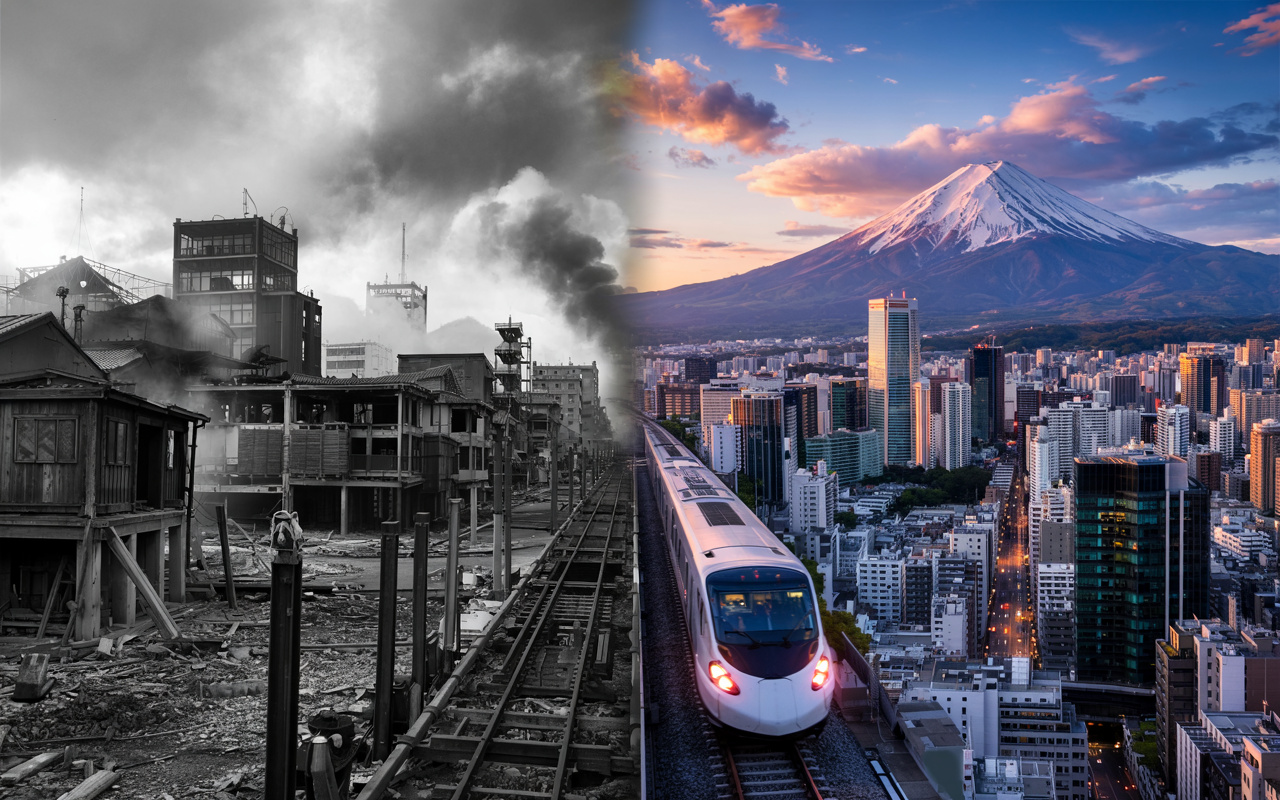
From Post-war Devastation to Bullet Trains and Industrial Peak: The Japanese Miracle Transformed Japan into a Global Power in Less Than 20 Years.
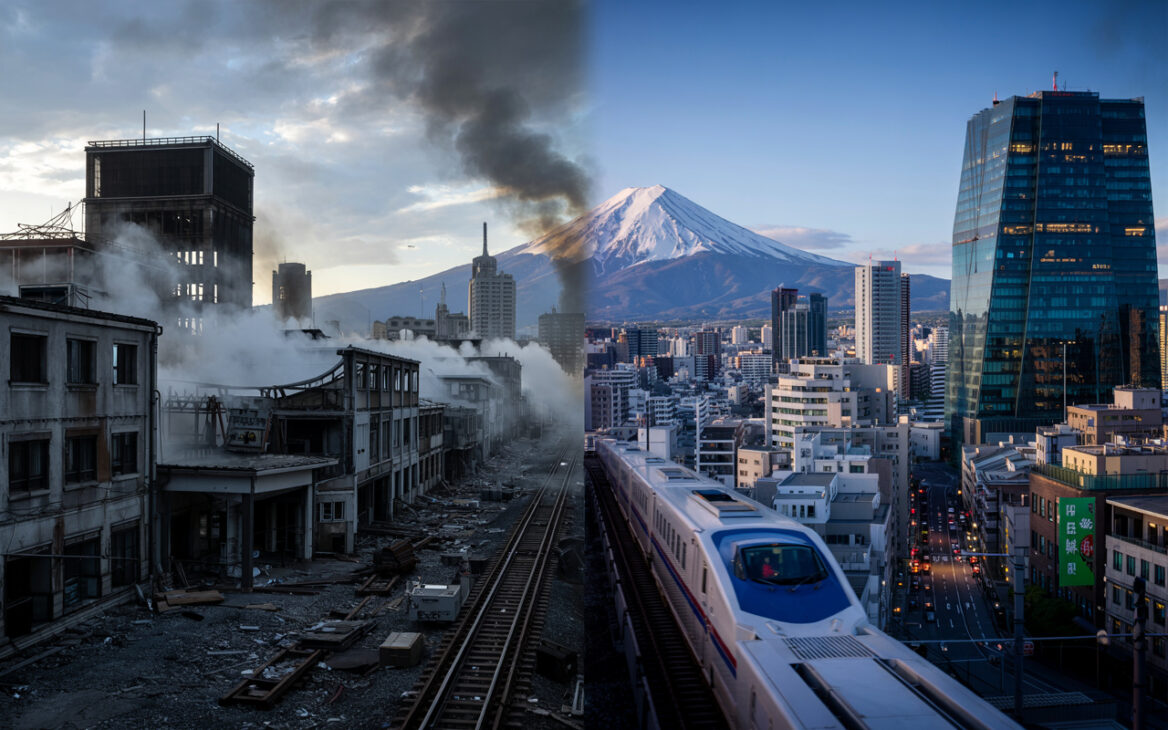
In 1945, Japan was a country in ruins. The bombs had destroyed not only cities but also the backbone of its economy. About 40% of industrial facilities were unusable, inflation was at historic levels, and millions faced food shortages and unemployment.
Less than two decades later, the scene was different. In 1964, the year of the Tokyo Olympics, the world watched in amazement as the world’s first bullet train, the Shinkansen, cut through the country at over 200 km/h. Japan not only rose from the ashes but became a symbol of efficiency, technology, and prosperity. This impressive recovery became known as the Japanese Economic Miracle.
Post-war Reconstruction: The Foundations of Japanese Growth
The beginning of this journey dates back to the American occupation (1945-1952), when structural reforms were implemented to stabilize the economy and modernize institutions. Under the direction of Joseph Dodge, an austerity plan controlled inflation and restored fiscal discipline.
-
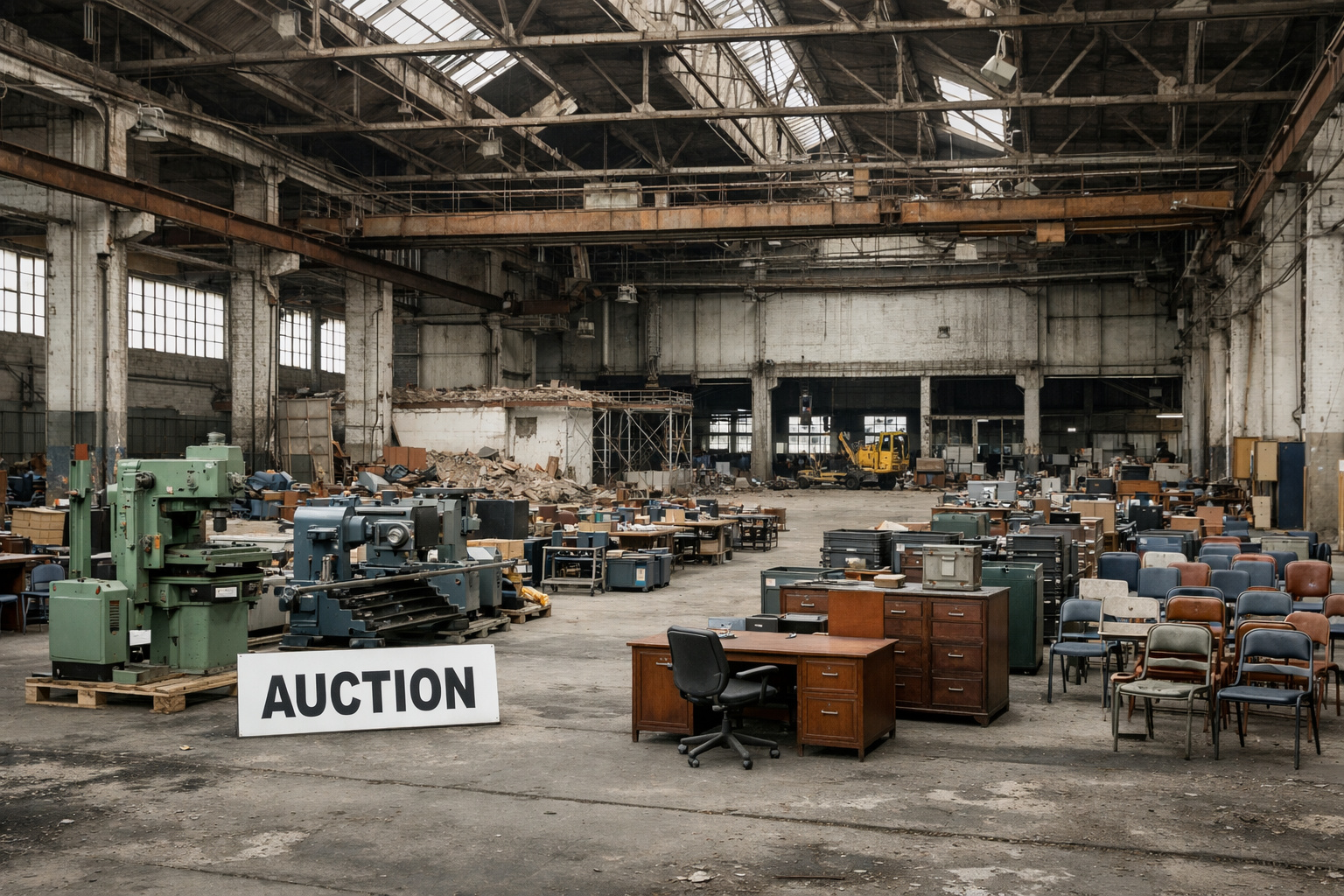
Historic bankruptcy of Centauro shocks the market, and the century-old company puts more than 500,000 products, machines, and complete infrastructure up for online auction.
-
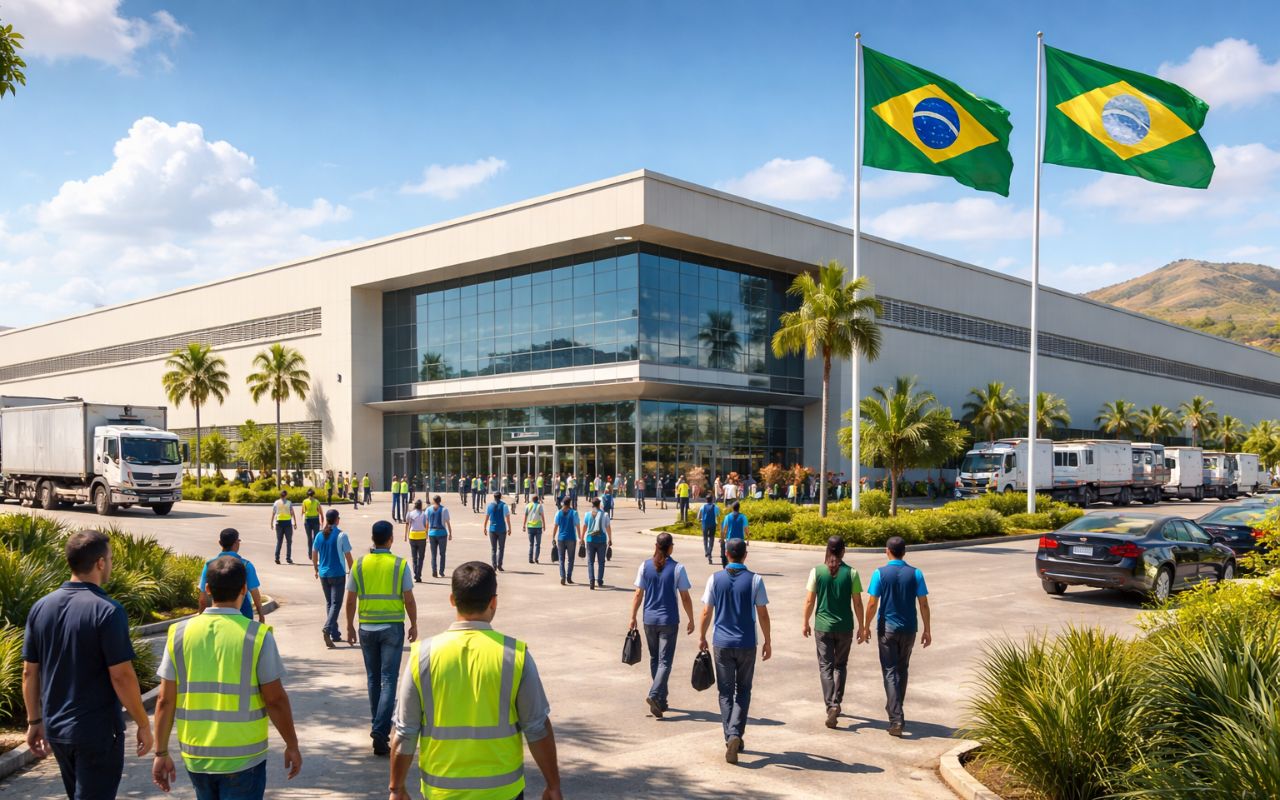
New shoe factory in Ceará is expected to create 400 jobs and strengthen the local economy.
-
No one imagined it, but a mixture of sawdust with a mineral that fights fires surprises scientists with a result that changes the course of fire-resistant construction.

-
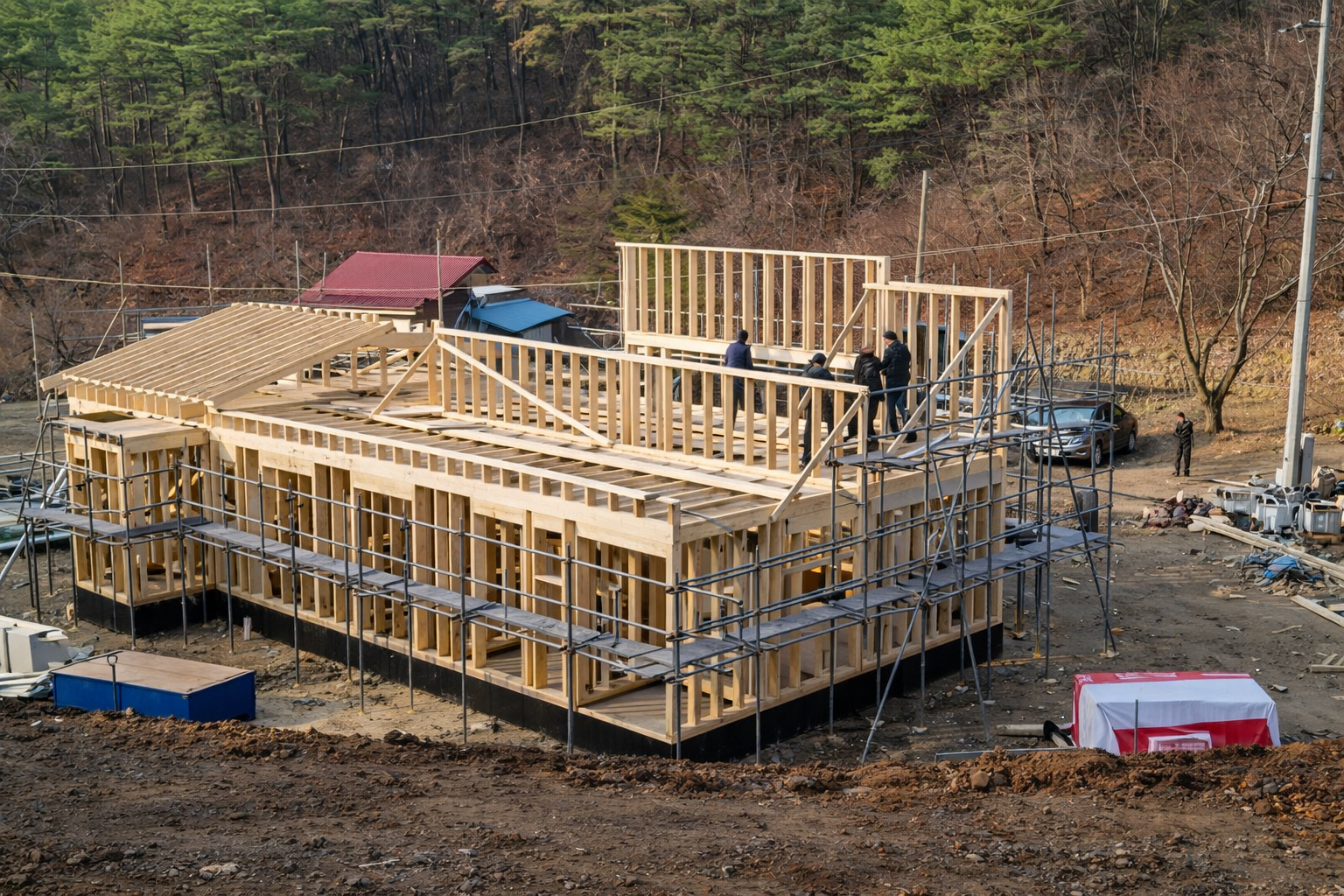
From empty land to a high-end house, wooden construction uses a lightweight system, metal structure for the foundation, ventilated ceramic cladding, and special windows to create an efficient and comfortable living space throughout the year.

At the same time, the government promoted land reform, redistributing land to small farmers and strengthening the domestic market.
The role of the newly established Ministry of International Trade and Industry (MITI) was crucial. It acted as a strategic coordinator of the economy, identifying priority sectors and directing resources to maximize competitiveness. From 1946 to 1960, industrial production surged from 27.6% to 350% of pre-war levels, while the economy grew at rates nearing 9% per year.
The Income Doubling Plan and the Acceleration of the Economy
In 1960, Prime Minister Hayato Ikeda presented the Income Doubling Plan (Income Doubling Plan), an ambitious strategy to double GDP in a decade through massive infrastructure investments, industrial stimulus, and export expansion.
The result was even more impressive: the target was achieved in just seven years, with average growth above 10% per year.
With the newfound wealth, the government heavily invested in roads, subways, airports, and ports. But no project symbolized this phase as much as the Shinkansen, launched in 1964. More than a fast train, it represented the confidence of a nation that had left the trauma of war behind and was looking toward the future.
The Shinkansen: Technology and Efficiency as Brands of Japan
The first Shinkansen line, connecting Tokyo to Osaka, reduced travel time from six to four hours, transporting passengers at unprecedented speeds for the time.


In six decades of operation, the network expanded to over 2,900 km, connecting three of the country’s four main islands and transporting billions of passengers with an average delay of less than one minute.
The bullet train was not just an engineering feat. It helped integrate Japan’s regions economically, promoting business, tourism, and cultural exchange. At the same time, it projected to the world the image of a technologically advanced and efficient country.
Heavy Industry and Exports: The Engine of Japanese Growth
As infrastructure took shape, Japanese industry transformed into a quality exporting machine. The country bet on modernizing sectors such as steel, shipbuilding, automotive, and electronics.
The MITI protected domestic companies with tariffs and import restrictions but also encouraged internal competition and demanded increasingly higher quality standards.
Large industrial groups—known as keiretsu—such as Mitsubishi, Toyota, and Hitachi began to lead production, innovate, and conquer international markets. The combination of skilled labor, productive discipline, and strategic government orientation solidified Japan as one of the world’s leading exporters by the end of the 1970s.
Transformation of the Workforce and Accelerated Urbanization
The Japanese miracle also changed the social geography of the country. In 1955, about 40% of the active population was employed in agriculture. By 1970, this number had fallen to 17%, with most of the workforce migrating to sectors such as manufacturing, construction, and services.
Cities grew rapidly, absorbing millions of workers coming from the countryside. This rural exodus was accompanied by investments in housing, public transport, and urban services, creating a solid foundation to sustain industrial growth and domestic consumption.
Corporate Culture and Continuous Innovation
Beyond policies and investments, the Japanese miracle was sustained by a corporate culture focused on excellence and long-term goals. Practices such as lifetime employment in large companies and continuous training created a highly committed and specialized workforce.
In the technological field, Japan became a reference in precision engineering, electronics, and lean manufacturing processes, inspiring industrial models worldwide. The result was the consolidation of Japanese brands as synonymous with reliability and innovation.
The Legacy and the Challenges of Today
The Japanese economic miracle not only rebuilt the country after the war but also transformed it into a global power in less than two decades. Its formula combined state planning, business discipline, investment in education, and a focus on technology—elements that continue to serve as a reference for developing countries.
However, the current landscape presents different challenges. Since the 1990s, Japan has faced slow growth, an aging population, and increasing global competition. The same discipline and vision that drove the miracle now need to be applied to reinvent the economy in light of energy transition, digitalization, and new global value chains.
The renaissance of Japan after the destruction of World War II is one of the most inspiring stories in modern economics. It shows that, with planning, technology, and national mobilization, it is possible to transform adversity into global leadership.
The question that remains is: in a more complex, fragmented, and competitive world, is there still room for such a rapid and transformative “economic miracle”? Or has the era of meteoric economic leaps been left in the past?








Seja o primeiro a reagir!