





 Portuguese
  English
  Spanish
 5 min of reading
  0 comments


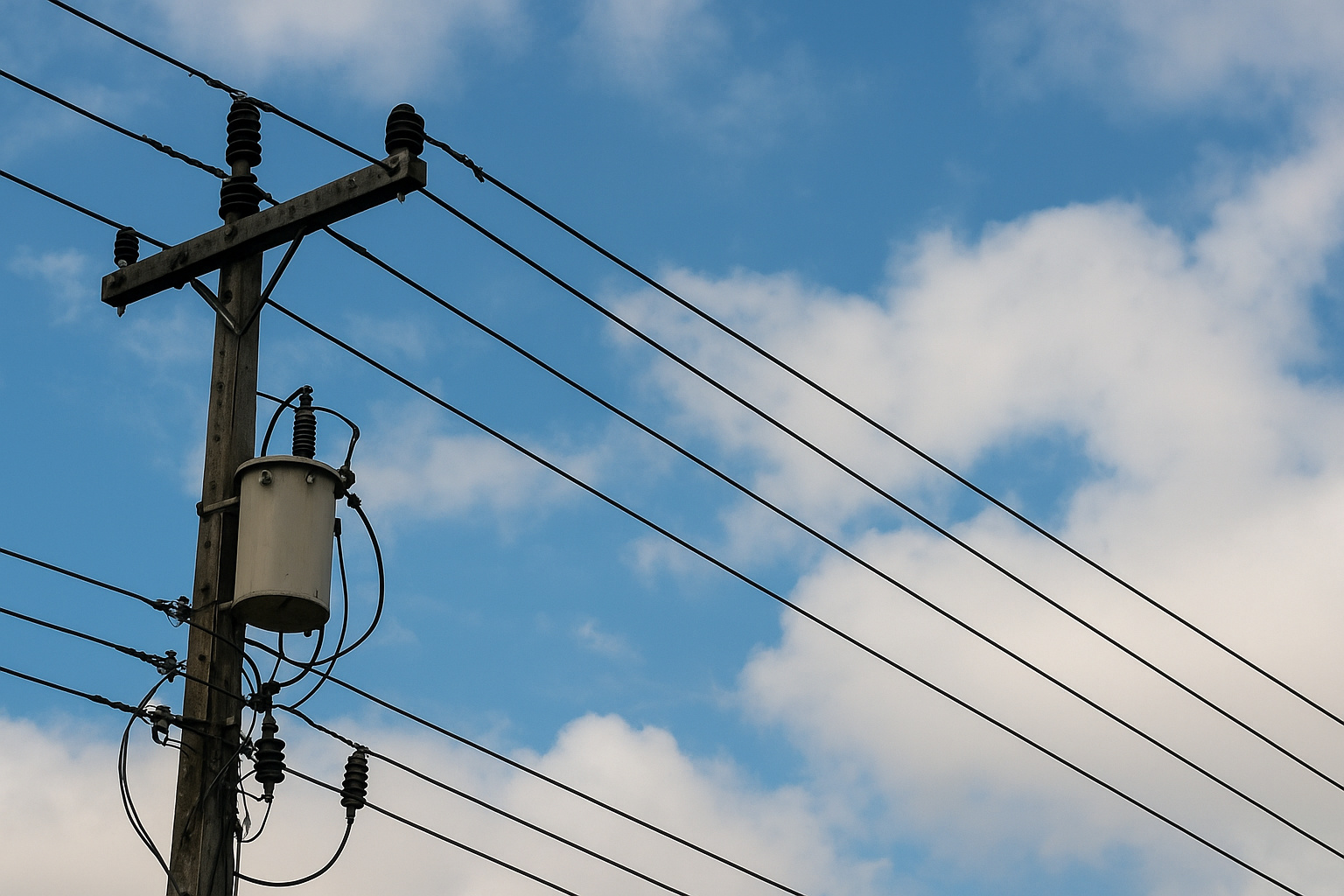
Energy has always played a central role in Brazilian development, and this becomes even more evident when we analyze recent episodes of supply interruption, as occurred in two regions of the Federal District during the holiday, according to the website Metrópoles. As blackouts continue to occur, the debate about infrastructure, maintenance, and modernization of the electric system remains essential to ensure stability and quality in service.
Although Brazil has advanced significantly since the 20th century, when it relied almost entirely on hydropower sources, we still face structural challenges that hinder continuous and safe access to electricity. Therefore, understanding the current landscape becomes essential to comprehend why episodes of supply drops still occur, even after decades of investments.
The Historical Construction of the Energy Matrix in Brazil
The history of energy in the country began to take shape in the early last century, when the first hydroelectric plants emerged to serve growing urban centers. However, according to data from the Ministry of Mines and Energy, the expansion process occurred unevenly among regions, creating bottlenecks that still influence local failures. Thus, even though the country is one of the world leaders in renewable energy participation, this condition does not prevent failures in the network.
-
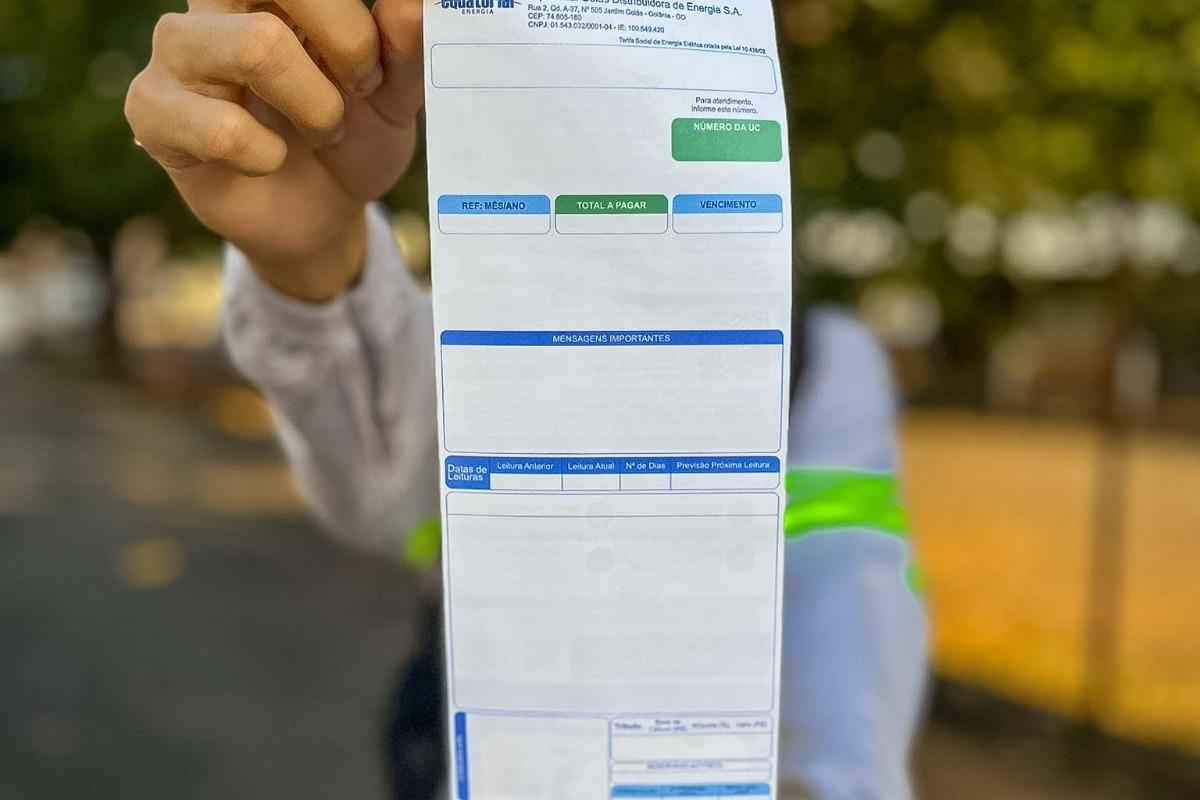
Equatorial adopts new national number for consumer units on electricity bills starting in April, following ANEEL standards and modernizing energy bills in several states.
-
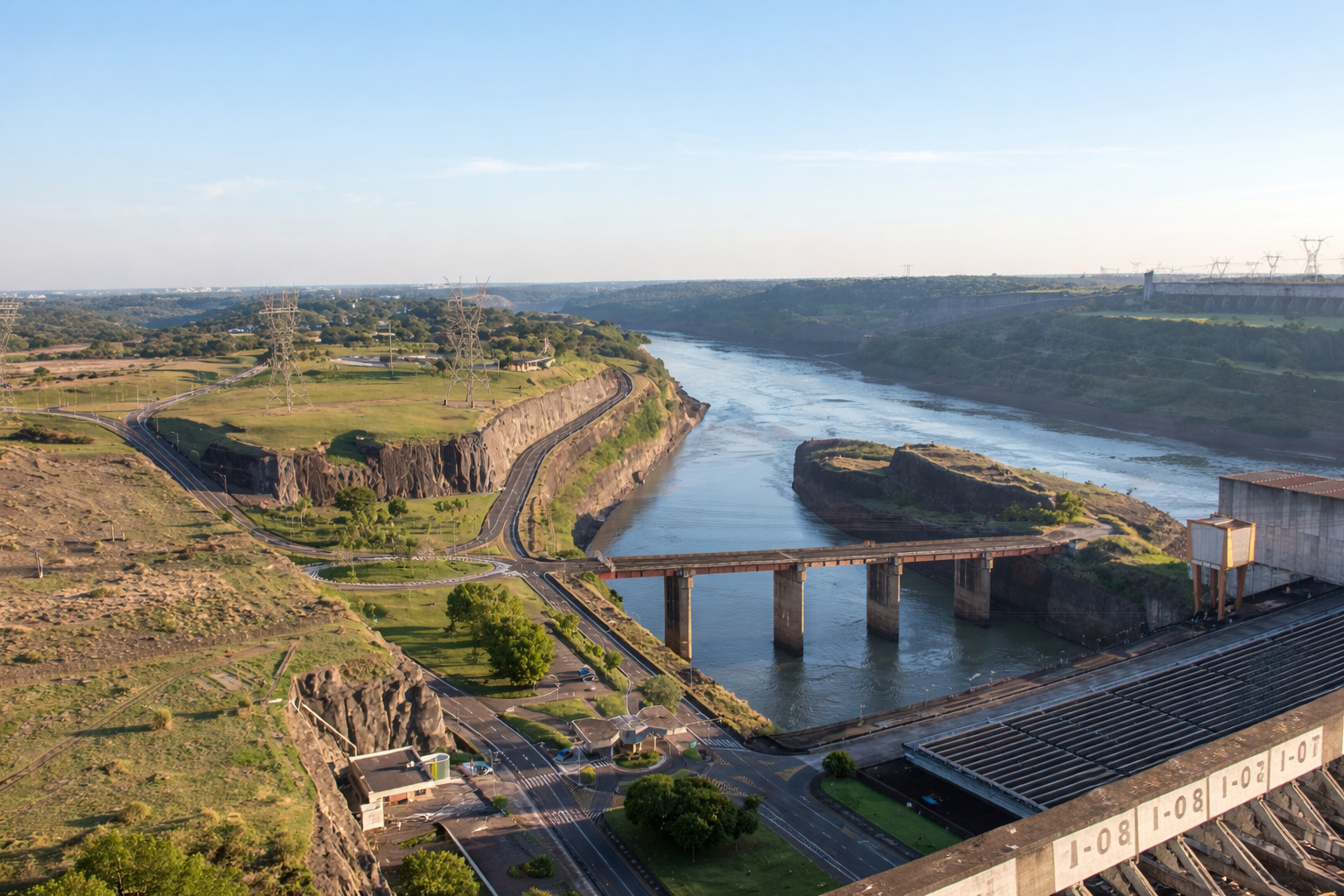
Itaipu Impresses the World: Hydroelectric Plant with 20 Turbines and 14,000 MW Generates Over 2.9 Billion MWh and Leads Global Clean Energy Production
-
Aneel Revokes CMAA Thermal Power Plants After Network Restrictions and Excess Energy in the System
-
13-Year-Old Scientist Creates Clean Energy Device For Just R$ 16, Wins $25,000 Prize And Surprises The World With Affordable Solution


Furthermore, as experts from the National Electric System Operator remind us, the accelerated urban expansion of cities like Brasília created an energy demand greater than originally anticipated. Therefore, when episodes of emergency maintenance arise, such as the one reported during the holiday, the impact tends to be more noticeable for the population.
Thus, the historical dependence on a highly concentrated matrix required constant adaptations over time. And, even though the country has invested in diversification with sources like wind, solar, and biomass, the distribution system still reacts slowly to new challenges.
Power Outages in the DF and Recurring Reasons
When two regions of the DF were without power during the holiday, Neoenergia Brasília explained that teams were conducting maintenance procedures, according to the website Metrópoles, which demonstrates that the issue does not depend solely on generation but also on the ability to maintain stable networks. Therefore, even when energy is available, failures in distribution continue to be responsible for interruptions.
Moreover, episodes like this reveal that the installed infrastructure does not always keep pace with neighborhood growth, especially when new homes and businesses emerge. Thus, the networks become overloaded and require more frequent interventions.
As a consequence, periods of severe weather, increased consumption, and emergency works tend to generate direct impacts for residents. And, although utility companies work to reduce downtime, the population perceives each interruption as a sign of systemic fragility.
Why Energy Is So Essential for Modern Life
Energy permeates everything we do: from simple household activities to hospital and industrial operations. Therefore, when the supply fails, the entire routine changes. In the DF, episodes of outages during holidays, such as occurred recently, affect both families and essential services.
However, when we analyze the topic broadly, we realize that blackouts are not an exclusively local problem. On the contrary, according to data from the National Electric Energy Agency, more than 5,000 occurrences are registered each year across the country, typically related to scheduled maintenance, fallen trees, and works on the networks.
Thus, discussing energy means discussing quality of life, security, development, and productive capacity. Therefore, every time a region experiences outages, the episode reinforces the need to view the sector as a fundamental part of collective well-being.
Energy Modernization and Its Future Impacts
As Brazil continues to advance in solar and wind energy, many experts believe that interruptions will tend to decrease in the future, as the digitalization of networks will allow for greater agility in repairs. However, according to the Energy Research Company, this progress will only be fully realized if it occurs alongside continuous investments in the distribution network.
Therefore, while it’s encouraging to see the country among the largest producers of clean energy in the world, the real challenge lies in the efficient delivery of this energy to homes. Otherwise, episodes like the one experienced in the DF will continue to draw attention.
Additionally, the trend is that consumption will increase in the coming years, mainly due to the expansion of electric vehicles, more powerful household appliances, and population growth. Therefore, modernizing the infrastructure stops being just a technical necessity and becomes a social requirement.
Energy as a Permanent Theme on the Public Agenda
As power outages directly impact the population, the topic needs to be constantly present in public debates. And, according to the Federal Government, network expansion programs, such as Luz para Todos and Mais Luz para a Amazônia, show that continuous policies can transform regional realities.
Still, experts say that investments need to evolve in a balanced way between generation, transmission, and distribution. This means that it is pointless to increase national capacity if the final consumer continues to face frequent interruptions.
Furthermore, the active participation of the population, by reporting failures and demanding transparency, contributes to ensuring that utilities prioritize affected regions. Thus, the discussion about energy becomes a collective effort among government, companies, and citizens.
The power interruption in two regions of the DF during the holiday represents more than just a specific event. In fact, the episode illustrates a broader scenario, in which modernization, maintenance, and consumption walk hand in hand. Although Brazil advances towards a diversified and renewable energy matrix, we still need to confront old challenges in distribution.
Thus, whenever we mention energy, we are talking about history, society, technology, and the future. And, as long as blackouts remain newsworthy, we will continue to emphasize the importance of understanding how the system works and how it can become more efficient. After all, ensuring stable energy means ensuring dignity, development, and security for all.








Seja o primeiro a reagir!