





 Portuguese
  English
  Spanish
  3 min of reading
  0 comments


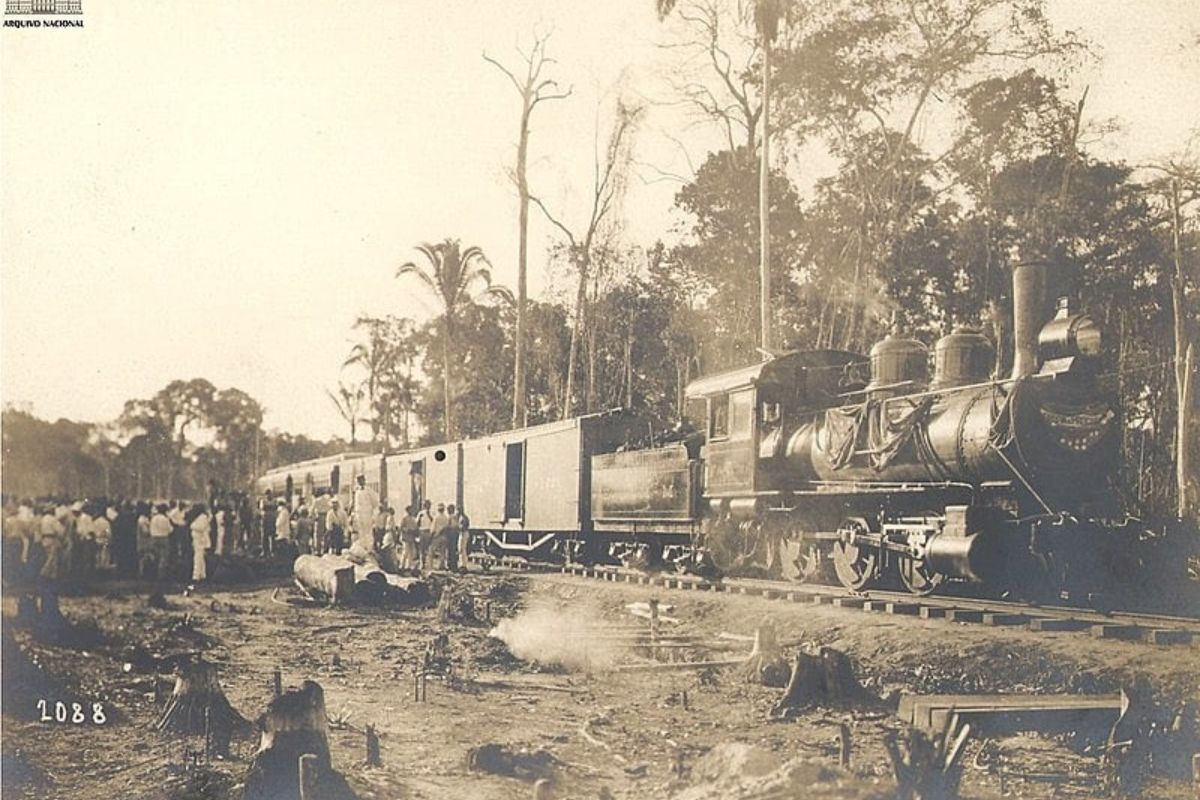
Built at the Peak of the Rubber Boom, the Madeira-Mamoré Railroad Slashed Through the Amazon and Left a Mark of Terrifying Human Cost, Earning the Ominous Nickname.
In the depths of the Amazon, the tracks of the Madeira-Mamoré Railroad (EFMM) tell a story of ambition, engineering, and tragedy. Known as the “Devil’s Railroad” or “Death Railroad”, its construction in the early 20th century cost thousands of lives, a legacy of suffering amid the quest for rubber wealth.
Pushed by diplomatic agreements and the need to export Bolivian and Brazilian latex, the Madeira-Mamoré Railroad faced relentless nature and brutal working conditions, leaving an indelible mark on the history of Rondônia and Brazil.
The Dream of Rubber, Diplomatic Agreement: The Genesis of the Madeira-Mamoré Railroad
At the end of the 19th century, global demand for rubber was immense. For the rubber plantations in Bolivia and southwestern Mato Grosso, flow down the Madeira River was blocked by nineteen waterfalls. The solution emerged with the Treaty of Petrópolis (1903): Brazil annexed Acre and committed to building a railroad bypassing these rapids, ensuring Bolivia an outlet to the Atlantic. Previous attempts to build the railroad had tragically failed.
-
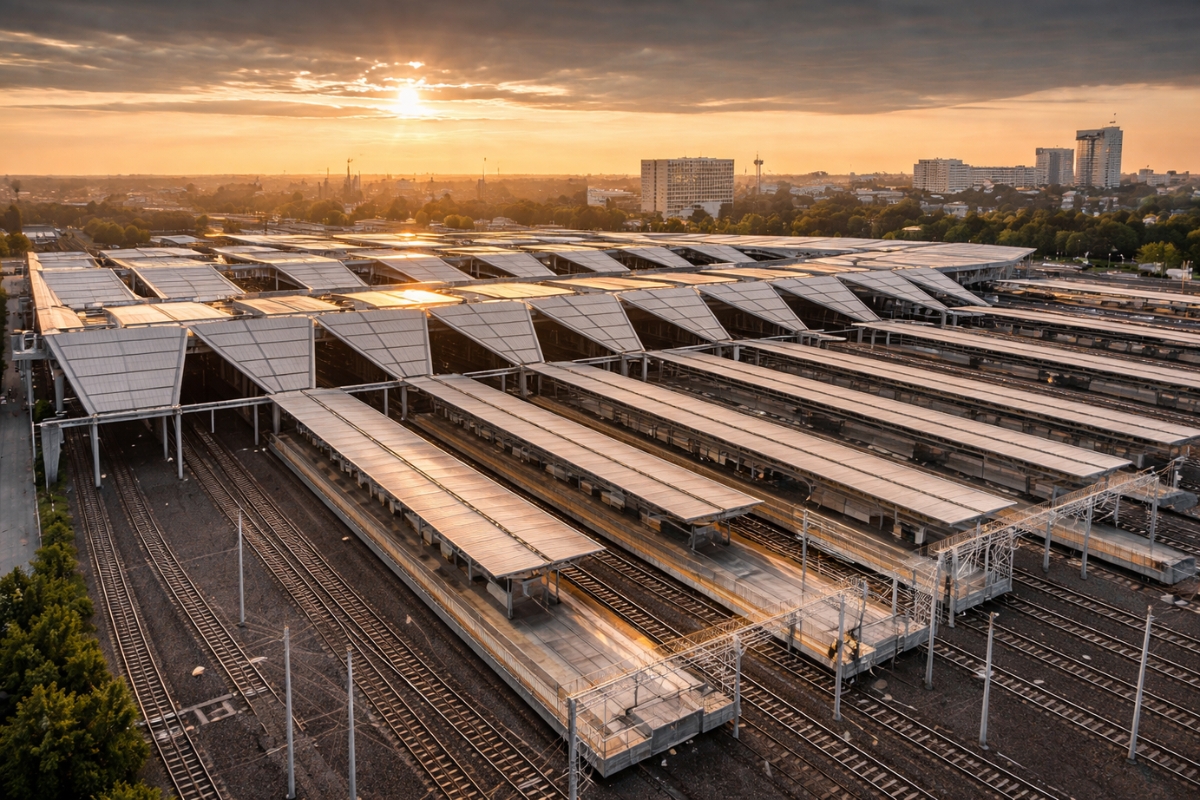
In A European City, The Country’s Largest Railway Junction Was Modernized Without Closing Its Doors, Kept Trains Running During Years Of Construction, Now Serves Up To 60,000 Passengers Per Day, And Installed Solar Panels That Generate About 30% Of Its Energy
-
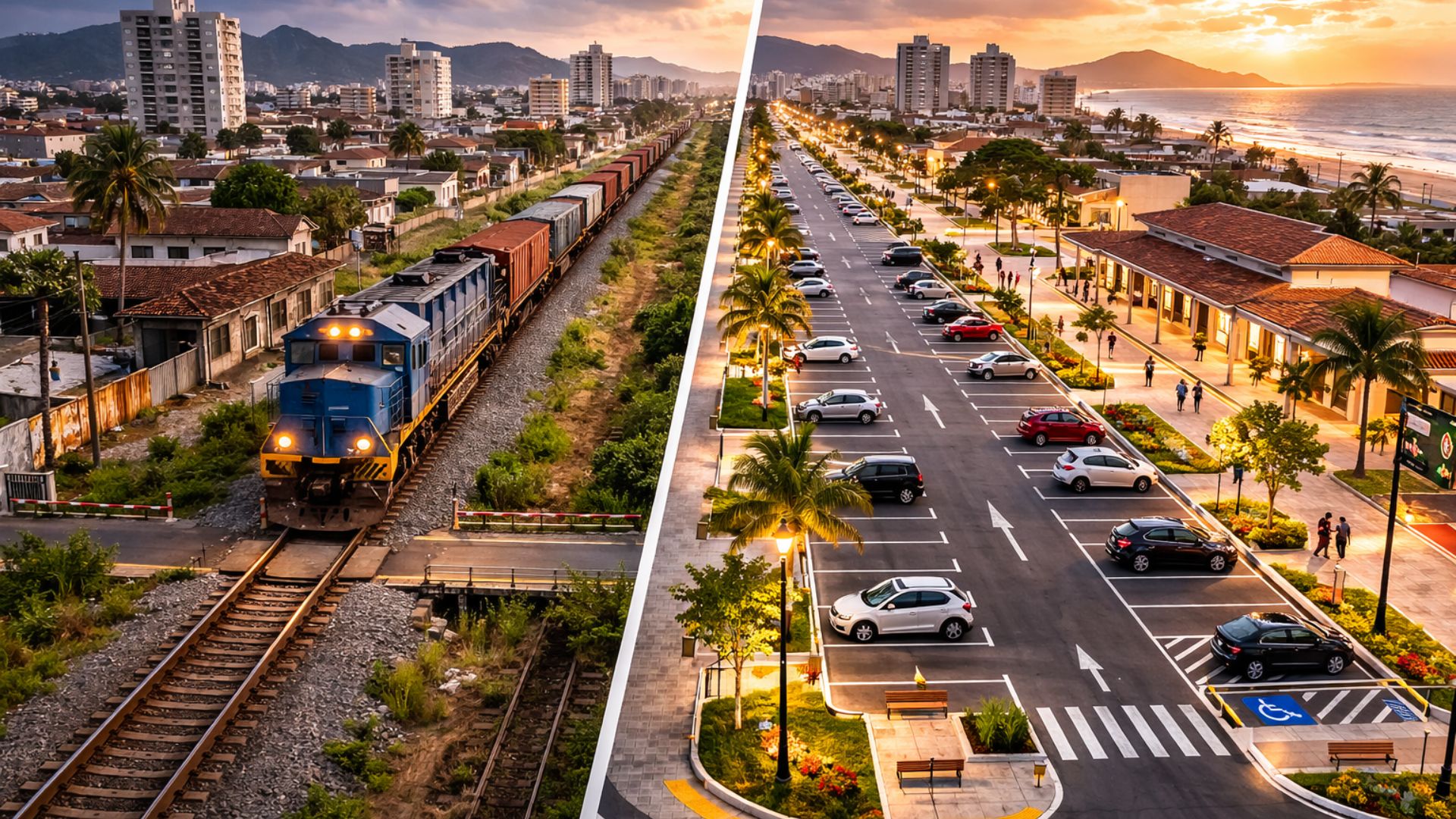
Famous Brazilian Railway May Become a Parking Lot
-
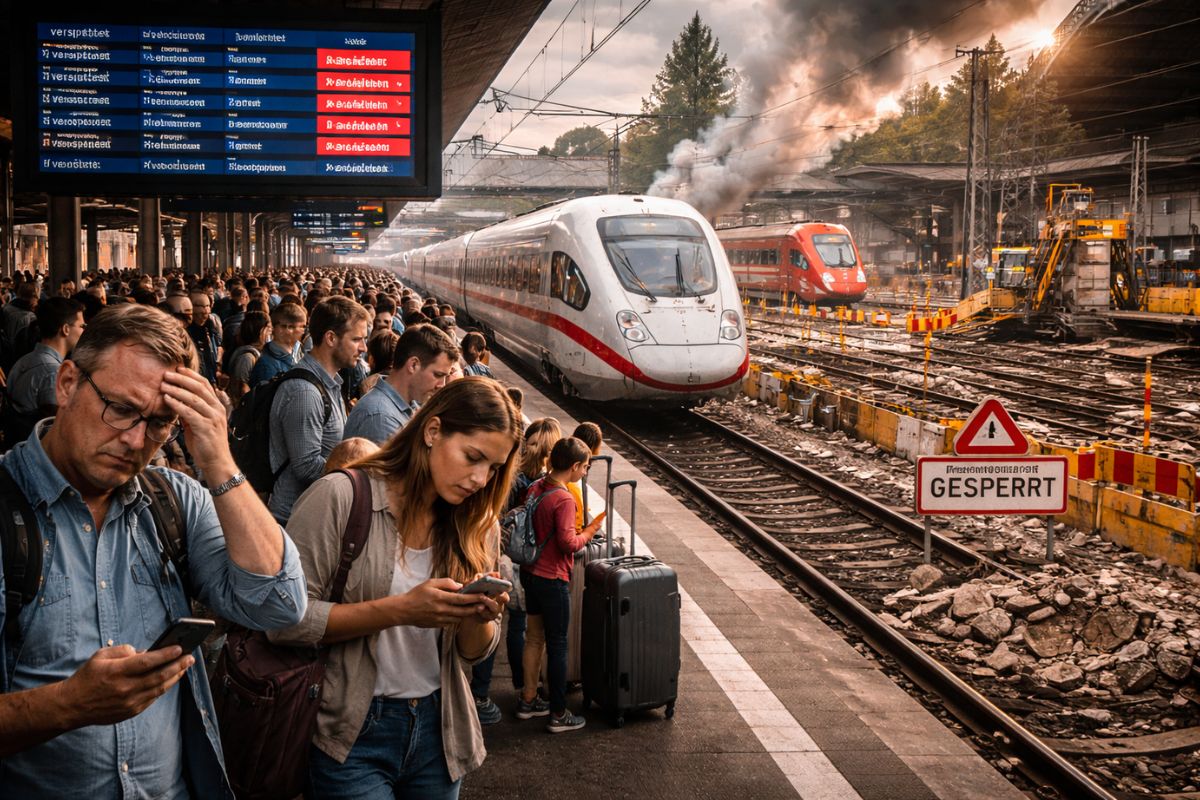
The Country of “Punctual As a Train” Admits It Has Lost Control: High-Speed Trains Delay, Stop, Disappear from the Map and Turn 6-Hour Trips into 10, While Deutsche Bahn Promises Restructuring in 2026 But Faces 19th Century Infrastructure, Staff Shortages and Sections Closed for Months
-
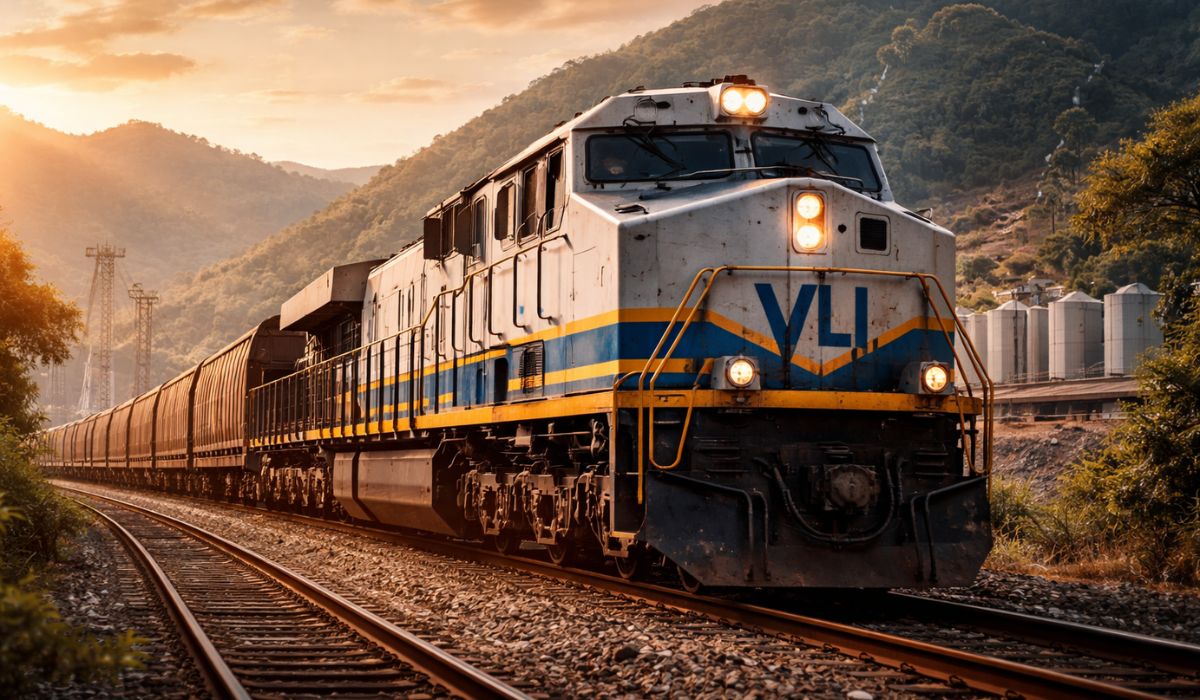
With an Investment of R$ 700 Million in One of the Country’s Main Rail Networks, VLI Reinforces Infrastructure, Receives 8 New Locomotives, and Expands the Corridor Connecting 7 States, Boosting Jobs and the Transportation of Grains, Ore, and Oil Products to the Port of Santos

Challenges in the Jungle: Construction and Multinational Labor

Under the leadership of American entrepreneur Percival Farquhar, construction of the Madeira-Mamoré Railroad began in 1907. The challenge was to conquer 366 km of virgin jungle, swamps, and hostile climate. Porto Velho was founded as an operational base.
More than 20,000 workers from over 40 nations were recruited, including Brazilians (northeasterners), West Indians, Spaniards, Portuguese, and other Europeans and Asians. Americans primarily held managerial positions.
The High Price of the Madeira-Mamoré Railroad: Disease, Death, and Exploitation
Life at the work sites was hell. Tropical diseases such as malaria, yellow fever, and beriberi decimated the workers. The Candelária Hospital, although well-equipped for its time, could not cope with the demand. The life expectancy of a worker was as low as three months.
Work accidents were frequent, and conflicts with Indigenous people, such as the Karipuna, also contributed to mortality. Estimates indicate around 6,000 deaths during the five years of main construction (1907-1912), an average of 16.4 deaths per kilometer, which justifies the nickname “Devil’s Railroad”, although the legend speaks of “6 thousand lives per kilometer”.
Fleeting Apogee and the Slow Decline to Deactivation
Inaugurated on August 1, 1912, the Madeira-Mamoré Railroad had a brief period of prosperity. Soon, the competition from Asian rubber brought prices down and the economic viability of the railroad declined. Farquhar’s company went bankrupt, and the Brazilian government took control in 1931.
There was a reactivation during World War II for the “Rubber Battle”. However, with the end of the war and the construction of highways like BR-364, the railroad became obsolete and was officially deactivated in 1972.
The Memory of the Madeira-Mamoré Railroad Today
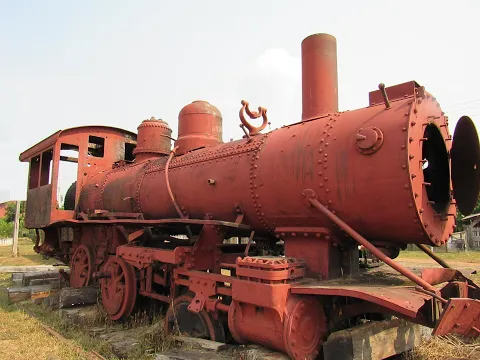

Despite its economic failure, the Madeira-Mamoré Railroad was essential for the creation of Porto Velho and Guajará-Mirim and for the occupation of Rondônia. It became a symbol of human audacity, but also of exploitation and suffering.
The Railway Yard in Porto Velho has been listed by IPHAN. Recently revitalized, the complex houses the new EFMM Museum, reopened in May 2024. There are plans to restore Locomotive 18 for tourist rides, keeping alive the complex memory of this tragic and important work.







-

-

2 pessoas reagiram a isso.