





 English
  Francês
  Alemão
  Italiano
  Japonês
  Norueguês
  Portuguese
  Spanish
  3 min of reading


Involvement in Conflict Over Russia, Supplier of More Than 20% of Brazil’s Fertilizers, Concerns Embrapa About the Economy of This Sector
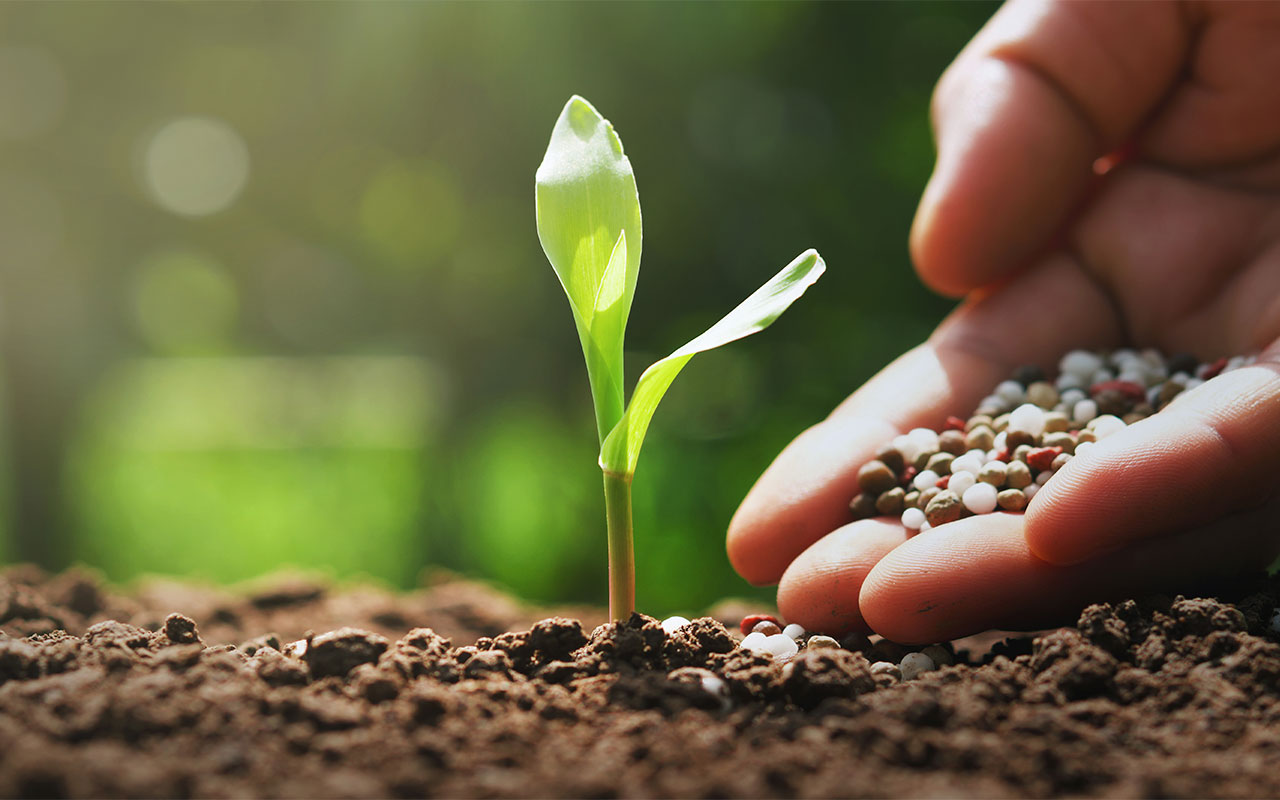
In addition to generating widespread tension in Eastern Europe, the Ukraine War significantly affects the economy of Brazil and the world. In the fertilizer market, this has been no different. In light of this, the Brazilian Agricultural Research Company (Embrapa) will create a technical support caravan aimed at field producers. The goal of this measure is to increase the effectiveness of fertilizer use from 60% to 70% and save US$ 1 billion in product usage for the upcoming harvest.
Also Read:
- Why Petrobras No Longer Produces Fertilizers in Brazil, Becoming Dependent on Imports from Russia?;
- Brazil May Stop Being Dependent on Fertilizers from Russia with Plan Announced by the Ministry of Agriculture;
- After Years of Negotiation, Petrobras Sells Fertilizer Factory in Mato Grosso do Sul to Russian Company.
Embrapa President Celso Moretti confirmed the information to CNN Brasil and explained the measure: “To apply fertilizer, you first need to analyze the soil to see what is lacking, and this does not always happen. We will provide all this technical guidance in the main producing regions of Brazil.” According to Moretti, this action was the means found by Embrapa to act quickly in response to the conflict between Russia and Ukraine.
Called FertBrasil, the caravan emerged from an initiative implemented between 2013 and 2014, due to a pest that contaminated cotton and soybean chains in the Cerrado. The caravan is expected to launch alongside the announcement of a national fertilizer plan from the Federal Government. Also in an interview with CNN, Tereza Cristina, Minister of Agriculture, Livestock and Supply, stated that the launch will occur by March 17.
-
Expansion of Federal Institutes: 38 new campuses and R$ 200 million for public education; see the cities included.

-
Lula’s government changes rule in important benefit and thousands of Brazilians will no longer receive it; see what has changed.
-
New Gripen fighter makes Argentines surrender to Brazil, and the heavy reaction exposes envy, frustration, and shock at Brazil’s technological leap.
-
This discovered deposit near the Andes could change the future of Argentina, attract billions, and even shake up the global metals market.

As the president of Embrapa states, the country’s agricultural production provides food for 800 million people worldwide but consumes 8.5% of the fertilizer market. Thus, Brazil ranks fourth in the use of these products, behind the USA, China, and India.
Moretti emphasized that last year, Brazil imported 85% of its fertilizers, equivalent to approximately 43 million tons. 73% of this total is used in sugarcane, soybean, and corn plantations.
Russia is the main source of fertilizers for Brazil, accounting for more than 20% of imports. One of the most requested elements is potassium, of which half of the imports also come from Russia and Belarus.
Weakening Dependency
Embrapa plans to reduce Brazil’s dependency on the foreign market, aiming to decrease fertilizer imports by 25% by 2030. Celso Moretti reiterates that it is impossible to make drastic changes in a short period of time.
The research organization has five areas of action: biofertilizers, organominerals, nano-structured fertilizers, precision agriculture, and soil conditioners with rock dust.
Among the biofertilizers, there is one that contains two bacteria that act on soil phosphorus, one moving the element more and the other impacting plant roots. Using this technology, Brazil increased from 300,000 hectares to 3 million hectares in the 2021/2022 harvest.
In the case of organominerals, a mineral fertilizer is mixed with organic sources, such as animal manure.
The nano-structured fertilizers work with a moderate release of essential substances to plants, while precision agriculture involves detailed assessments of the issues in rural properties that need less or more fertilizers.
The “rock dust” initiative is still in study, expected to yield results in two years.
The president of Embrapa emphasizes the importance of agribusiness, which represents 26% of the country’s GDP. For him, by uniting research and technology, it is possible to reduce international dependency and decrease expenses.
In this regard, technology helped Brazil save R$ 28 billion in 2021 and prevented the use of nitrogen from petroleum, which avoided the emission of 100 million tons of CO2.
Regarding the consequences of the conflict in Europe on national production, Moretti believes they will be more intense after the summer harvest, which begins planting in October, if the attacks continue. “It is difficult to make any predictions. It will depend on the extent of the conflict,” he says.
Seeking other suppliers to replace Russia and Belarus, such as Canada, Iran, and Qatar, the Government is implementing “fertilizer diplomacy.”
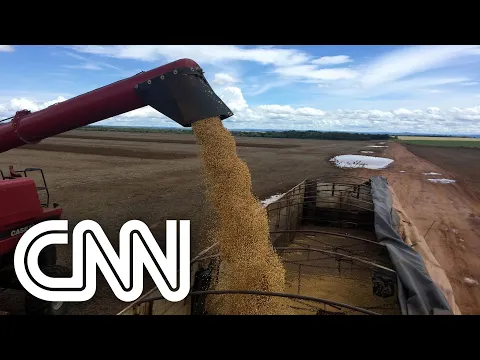
To learn more, watch the video from CNN below:








Seja o primeiro a reagir!