





 Portuguese
  English
  Spanish
  3 min of reading
  0 comments


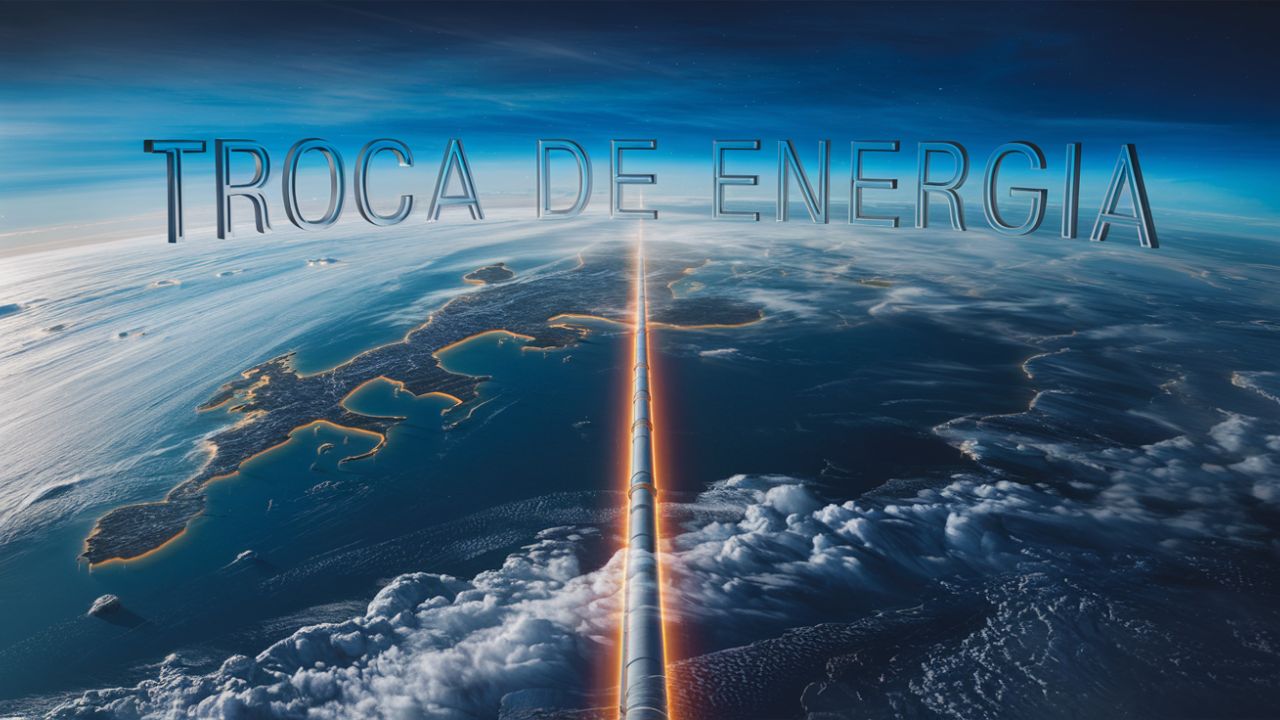
Connecting Two Continents, The Transatlantic Power Cable Between Europe and America Promises to Reduce Price Volatility, Optimize the Use of Renewable Energies, and Create a More Sustainable Global Electricity Grid, Even in the Face of Technical and Geopolitical Challenges.
The idea of connecting two continents with an underwater power cable seems like it came straight out of a Black Mirror episode, but it is closer to reality than many imagine. The transatlantic power cable between Europe and America promises to transform the way we produce and consume electricity, leveraging renewable resources to reduce costs and stabilize energy markets.
However, what is behind this major initiative? Why could connecting Europe and North America be the answer to more efficient and sustainable electrification?
What Is the Transatlantic Power Cable Between Europe and America?

The transatlantic cable is an ambitious proposal that seeks to connect the power grids of Europe and North America. This connection would be made through an underwater cable, allowing the exchange of energy between the two continents. The main objective? To make renewable energy more accessible and balance supply and demand in both markets.
-
Renewable energy advances over protected areas in Brazil, and a survey by the Energy Transition Observatory reveals silent impacts that challenge environmental conservation and pressure sensitive traditional territories.

-
Rio Grande do Sul accelerates energy transition: State invests in renewable technologies and consolidates decarbonization strategies and pathways to attract billions in new industrial investments.

-
With 160,000 m² of collectors, an area larger than 20 football fields, Silkeborg, in Denmark, hosts a solar thermal plant that heats 19,500 homes and could become the largest solar heating plant in the world.

-
A study reveals the expansion of renewable energy procurement in Brazil and shows how companies are taking advantage of opportunities to reduce expenses, ensure energy efficiency, and strengthen strategic environmental commitments.


By utilizing this interconnection, it would be possible to transmit electricity more efficiently, optimizing wind and solar generation according to weather conditions and time differences between the continents.
Why Is This Connection Necessary?
Europe faces significant challenges in the energy sector, especially during winter. The phenomenon “dunkelflaute” — periods when wind and sunlight are scarce — reduces renewable energy production, causing price fluctuations.
The demand for electricity is rapidly growing on both continents, driven by the electrification of sectors such as transportation, heating, and industry. Data centers and air conditioning systems also increase this pressure. To meet this growing demand, it is essential to have interconnected power grids, ensuring greater stability and reducing price volatility.
How Does the Transatlantic Power Cable Work?
One of the major advantages of this project is the strategic use of time and climate differences between Europe and North America. While the sun sets on one continent, it rises on the other, creating a perfect opportunity to exchange energy between the two markets.
Another example that reinforces the viability of the proposal is the ongoing project between Morocco and the United Kingdom, which involves a 4,000 km cable capable of transmitting 3.6 GW of electricity. If this model works between two countries, why not between continents?
Challenges Faced by the Project
It is clear that a project of this magnitude does not come without obstacles. The cost of implementing a transatlantic underwater cable is astronomical, and the technical challenges of installing it in deep waters are enormous.
Coordination between different governments and international regulators can be a significant hurdle. The current geopolitical situation also presents risks, such as attacks or sabotage, something that has already occurred with other underwater cables, such as the one between Finland and Estonia.
The Future of Interconnected Energy
Despite the challenges, the vision of an interconnected global energy system is incredibly promising. It could ensure greater energy security, reduce carbon emissions, and stabilize electricity prices.
Overcoming these obstacles is not just a matter of technical or economic feasibility, but of political commitment and international collaboration.
The transatlantic power cable between Europe and America represents a bold solution to global energy problems. It promises not only to connect two continents but also to unite the world around a common goal: clean, accessible, and sustainable energy for all.
By overcoming technical and political challenges, this project could be the key to a brighter and more balanced energy future. After all, in a world where every second matters, why not harness time and sunlight in all their possibilities?










-

-

-

5 pessoas reagiram a isso.