





 Portuguese
  English
  Spanish
  3 min of reading
  16 comments


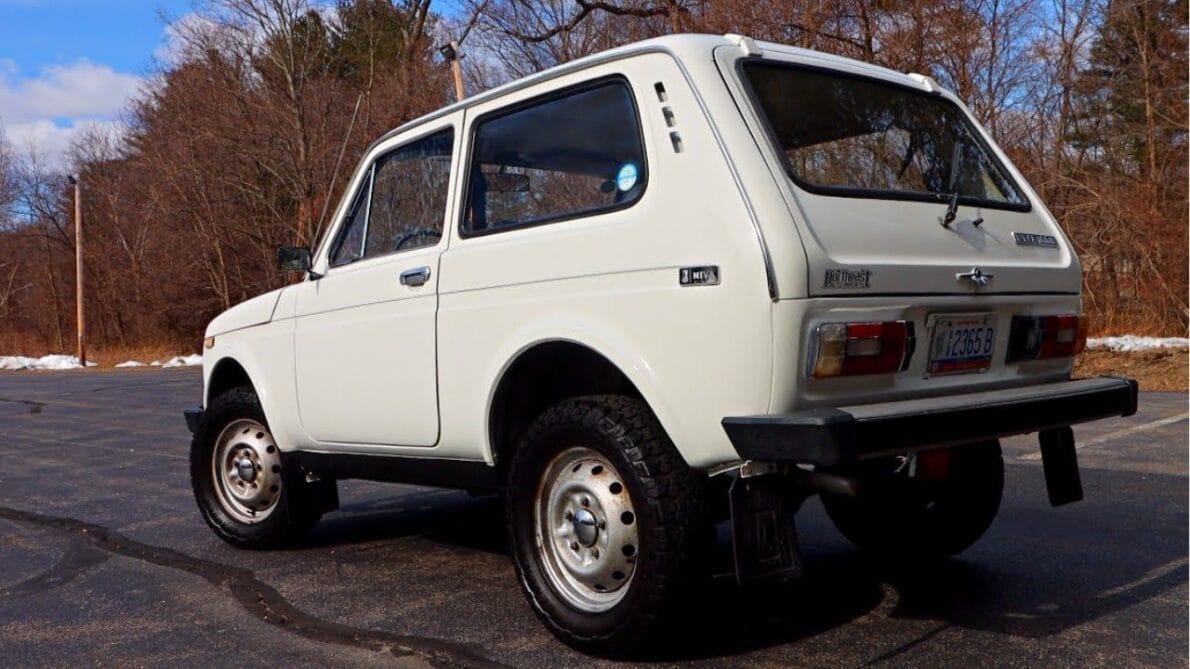

If You Lived In The 90s, You Must Remember The Lada Cars That Started To Arrive In Brazil. With The Opening Of The Market To Imports In 1990, The Lada, From The Soviet Union, Was One Of The First Manufacturers To Land Here.
The brand launched models like the Lada Niva, a little off-road vehicle, and the Samara and Laika sedans, which quickly gained popularity, especially among taxi drivers, due to their affordable price and low maintenance. However, the Soviet venture in Brazil was short-lived, and Lada ended its operations in 1995. But how did a superpower like Russia manufacture cars that were considered poor?
In the early 20th century, while the automotive industry was rapidly advancing in countries like the United States and Germany, Russia was still just getting started. World War I revealed the inferiority of the Russian fleet: while the French army had 6,000 vehicles, all of Russia had less than 5,000. In response, the Russian government tried to modernize the automotive industry, but the 1917 Revolution interrupted these plans.
In The 1920s, The Soviet Union Resumed Vehicle Manufacturing, But Production Was Limited
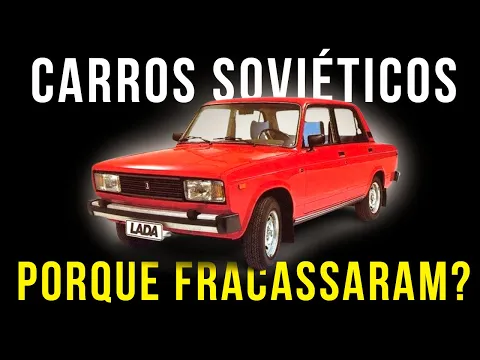

It was only with Joseph Stalin’s rise to power in 1928 that the country made a significant leap in industrialization. To initiate large-scale car production, Stalin sought the help of Henry Ford. The partnership led to the creation of the GAZ factory, which began producing vehicles based on the Ford A and AA models.
-
OMODA & JAECOO grows in Europe in 2026 with an integrated strategy of sales, innovation, local production, and technological advancement in the United Kingdom, Italy, and Spain.
-
OMODA & JAECOO expands after-sales service in Brazil with competitive maintenance, a 7-year warranty, and high availability of parts for technological SUVs.
-
OMODA & JAECOO appoints Alessandra Souza as executive marketing director in Brazil and accelerates brand expansion with a focus on innovation, networking, and hybrid portfolio.

-
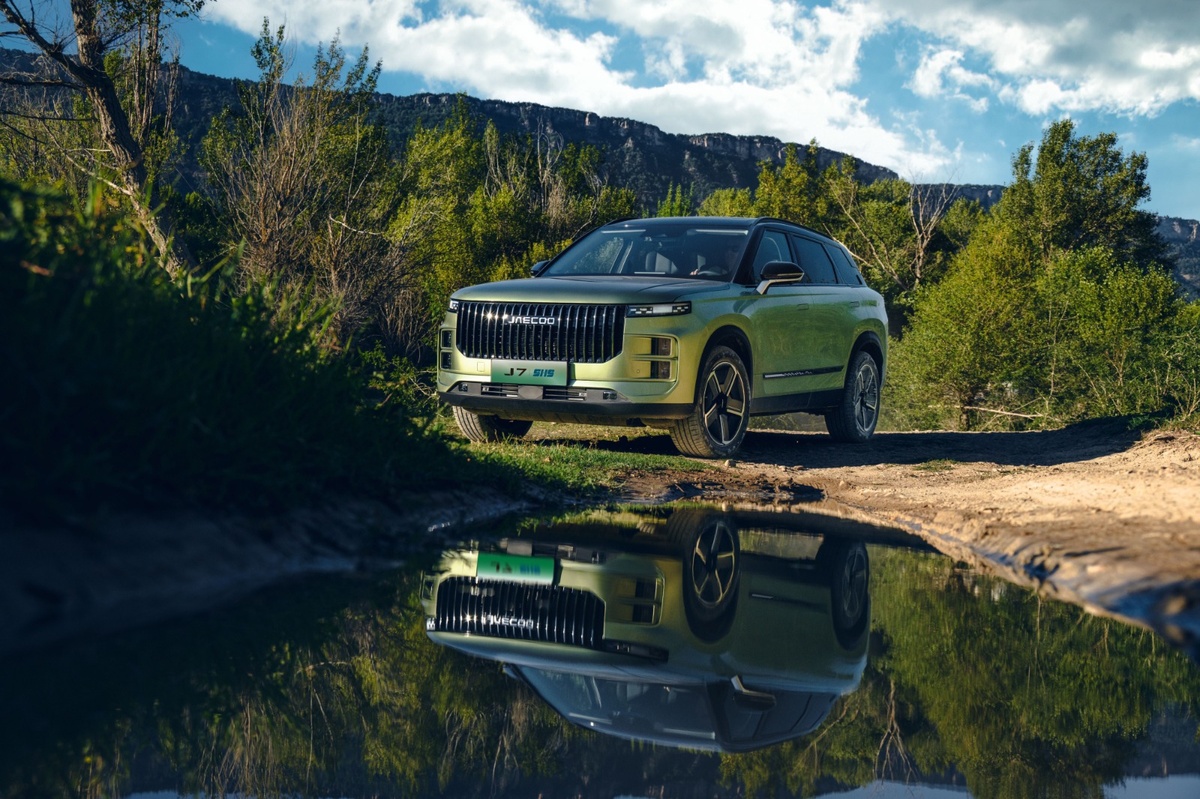
Jaecoo 7 with super hybrid SHS system exceeds 1,200 km of combined range with a 1.5 turbo engine, high-density battery, and intelligent energy management.

The real turning point in vehicle production occurred in the 1970s when the Soviet Union made a deal with Fiat to build a modern factory. The result was the AvtoVAZ factory, which started production of the VAZ 2101, based on the Fiat 124. This car, known as Lada, was adapted for the harsh conditions of Soviet roads.
Even With Mass Production, Russian Cars, Especially Lada Ones, Were Not Accessible To Everyone
The government controlled the distribution of vehicles, and employees had to go through director committees to obtain permission to buy a car. This bureaucratic and politicized process meant that many waited years to get a vehicle.
With the collapse of the Soviet Union in 1991, Russian manufacturers found themselves unable to compete with foreign companies entering the market. Many factories closed or were sold, like AvtoVAZ, which was acquired by Renault in 2016. More recently, due to the invasion of Ukraine, Renault exited the Russian market, and AvtoVAZ returned to the hands of the Russian government but faces a difficult financial situation.
The only Soviet model that has stood the test of time is the Lada Niva, launched in 1977 and still in production. Despite all the difficulties, it remains a symbol of the Russian automotive industry. Russian cars, especially those from the Lada brand, illustrate how a superpower faced challenges in producing quality automobiles. The mix of politics, bureaucracy, and lack of competition hindered the evolution of Soviet cars, resulting in vehicles considered poor, despite the country’s technological potential.





Eu sou um proprietário muito feliz com a marca lada
Tenho um lada laika 1991 a mais ou menos 24 anos sou o segundo dono.
É o meu maior orgulho é que eu continuo mantendo ele 100% original .
Me dá muito trabalho manter ele original , mas é super gratificante.
Aqui nem isso conseguimos. Só montamos automóveis. E qdo a matriz chama de volta ficamos chupando o dedo…
Incrível como em artigos que puxam debate sobre determinados produtos, ainda existam pessoas que teimam em levar para o lado político, indiferente da formação…
A própria matéria disse que o governo russo foi e é um empecilho para o desenvolvimento.