





 English
  Francês
  Alemão
  Italiano
  Japonês
  Norueguês
  Portuguese
  Spanish
  3 min of reading
  0 comments


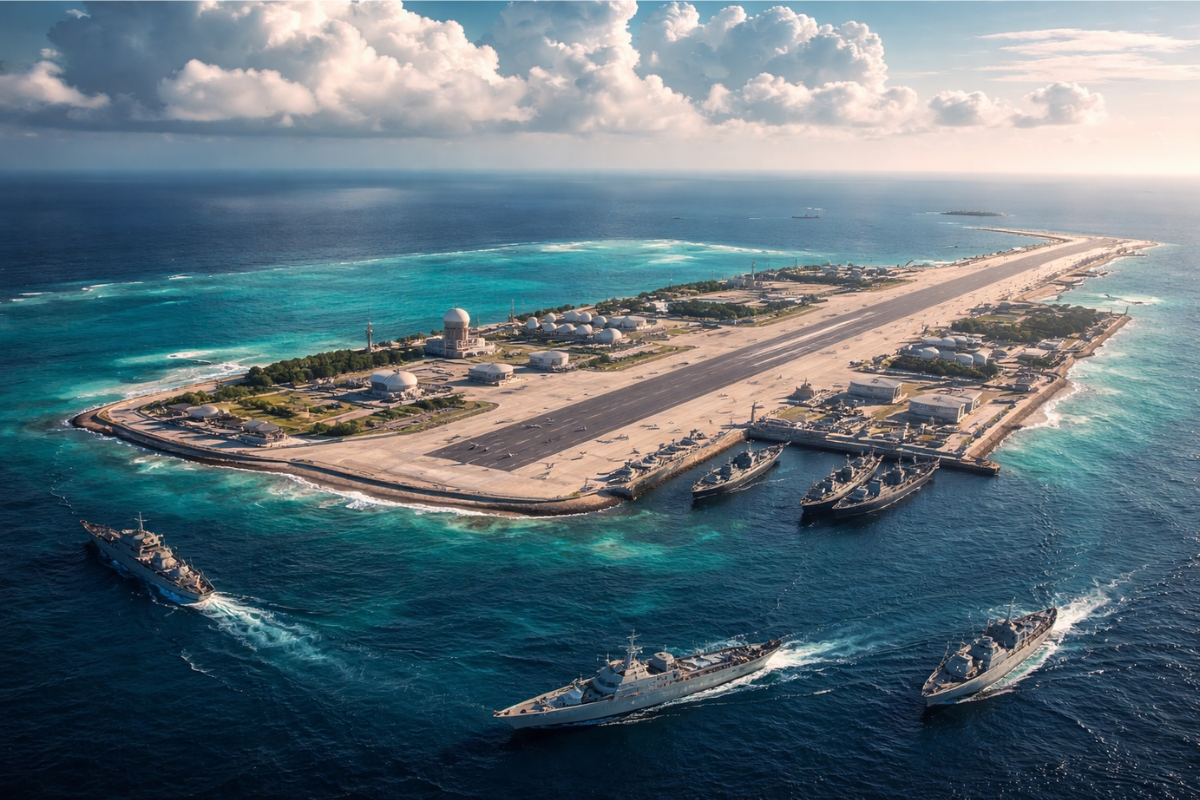
Built With Dredging, Coral, And Sediment, China’s Most Strategic Artificial Island Became A Fixed Platform For Surveillance And Military Operations In The South China Sea, Strengthening Control Over Three Vital Maritime Routes That Sustain Global Trade
In the center of the South China Sea, a man-made structure has begun to concentrate military, economic, and geopolitical attention. The advancement changed the strategic weight of an area already marked by territorial disputes and intense ship traffic.
The construction transformed a previously submerged point into a base with monitoring and operational capacity. In practice, this expands Beijing’s reach over one of the most sensitive regions of international trade.
Fiery Cross Reef Became A Central Piece In The Maritime Dispute
The Fiery Cross Reef, also known as Yongshu Reef in China and Kagitingan in the Philippines, is located in the Spratly Islands. The area is at the center of a prolonged maritime dispute connecting crucial parts of Asia.
-
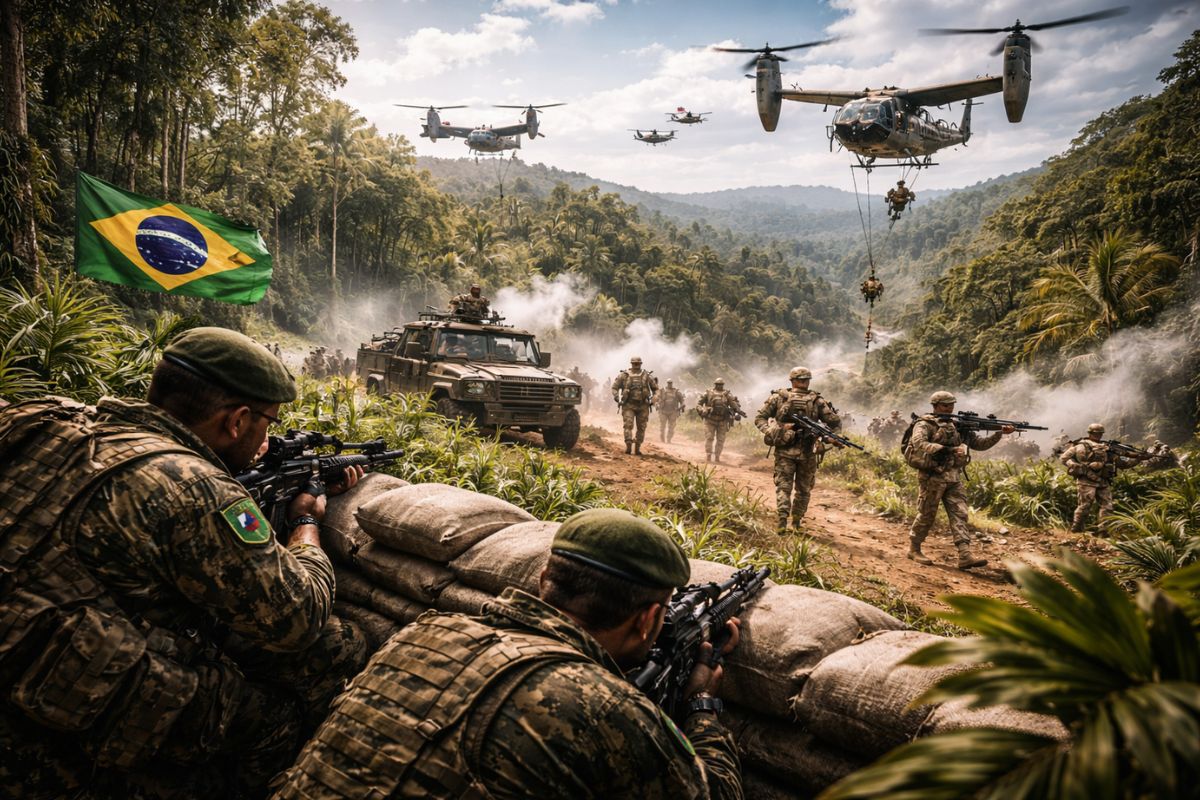
If the USA were to go to war with Brazil, Washington’s greatest fear would not be the attack itself, but facing a vast territory, prolonged resistance, and a costly, chaotic, and unpredictable occupation.
-
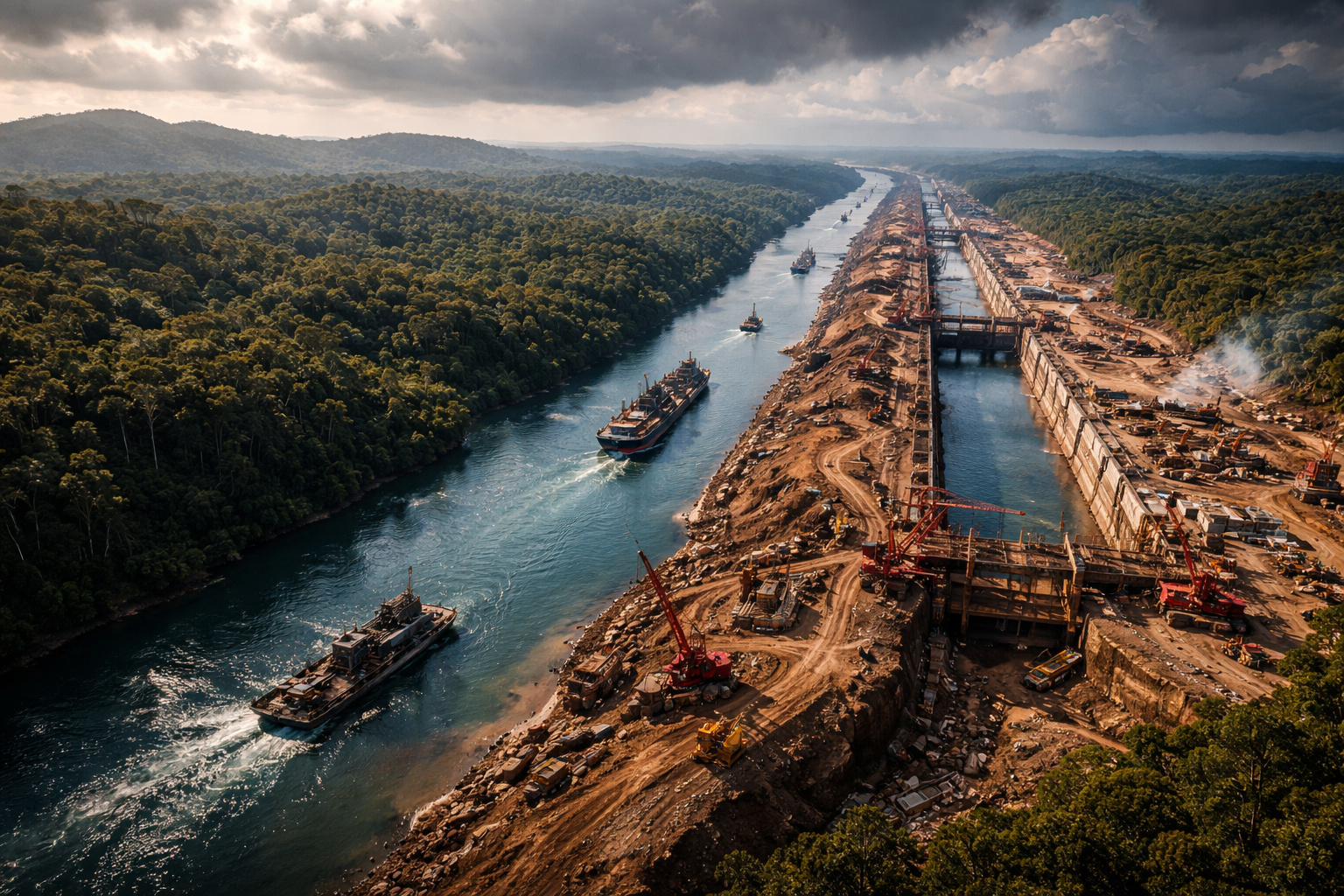
In 2013, Nicaragua sold the concession for a canal to rival Panama to a Chinese billionaire who lost 85% of his fortune, disappeared, and was declared bankrupt. Now the project resurfaces with a new route, a new Chinese partner, and a cost of $64.5 billion.
-
The USA announces a mysterious billion-dollar vault project to store critical minerals, but what intrigues experts is not just the plan itself, but why Latin America, including Brazil, has entered the center of this global dispute against China.

-
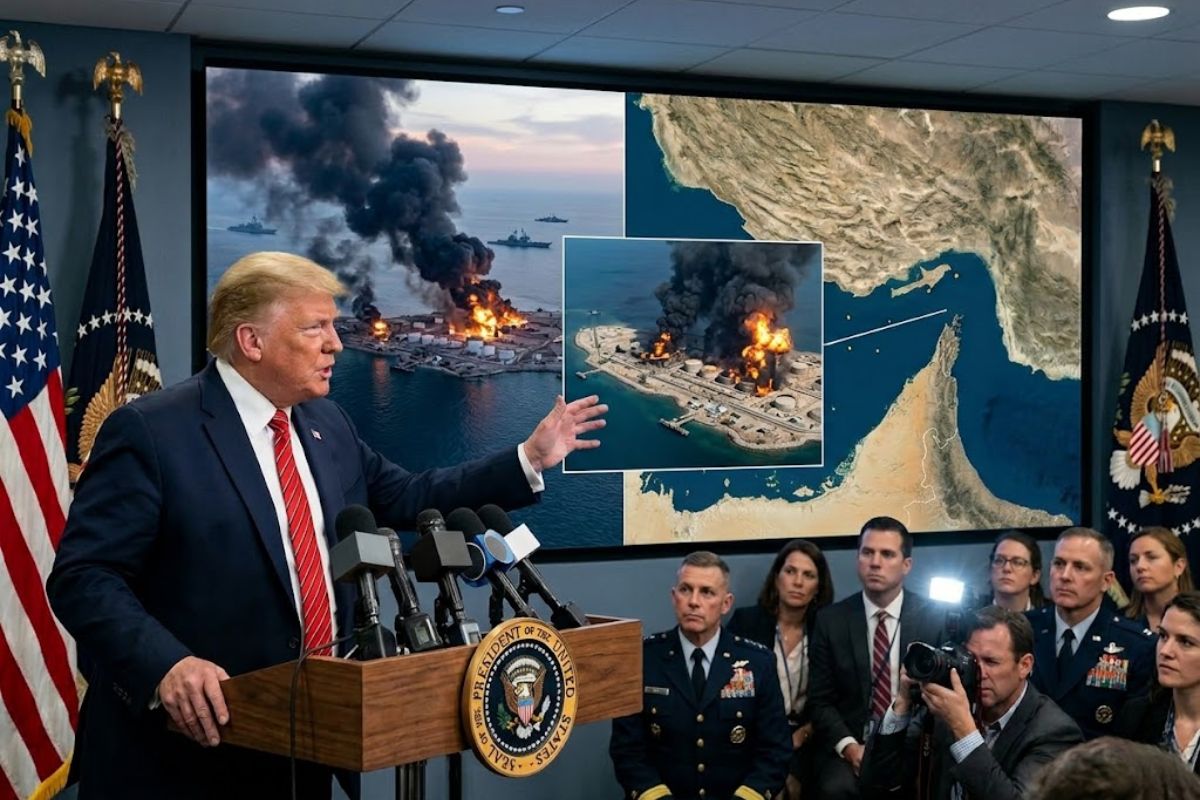
Trump Announces Bombing of U.S. Military Targets on Iranian Island Responsible for About 90% of Iran’s Oil Exports, Warns of Further Attacks if Navigation in Strategic Strait of Hormuz Is Threatened

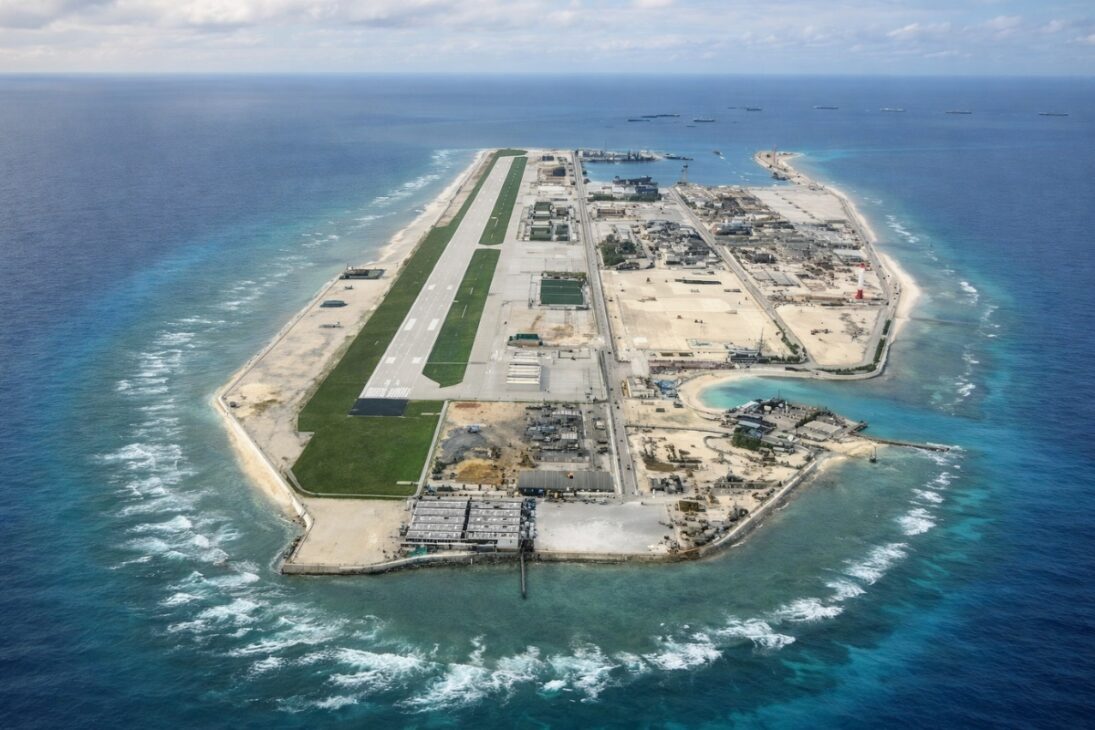
What were once small submerged coral reefs underwent a major land reclamation project. The change resulted in an artificial island of about 274 hectares, altering the local dynamics.
Construction Began In 2014 And Changed The Region’s Balance
The transformation gained momentum starting in 2014, when China began extracting sediments and coral from the seabed to elevate the land above water. This process created a stable platform for large-scale facilities.
With the new base, the space began to host structures aimed at continuous operation. This includes support, communication, and logistics areas in a location that previously had no such function.
Runway Over 3 Km Expands Operational Capacity
The island houses a runway over 3 km long, in addition to hangars, docks, and radar and communication structures. The ensemble allows for the reception of combat and transport aircraft in a strategic position at sea.
According to Diario Uno, an Argentine general news and current affairs newspaper, the structure also includes surveillance antennas, supply areas, storage, and possible equipment aimed at electronic warfare. This package enhances the response and observation capabilities across the surrounding area.
Permanent Presence Reinforces Surveillance Over Disputed Areas
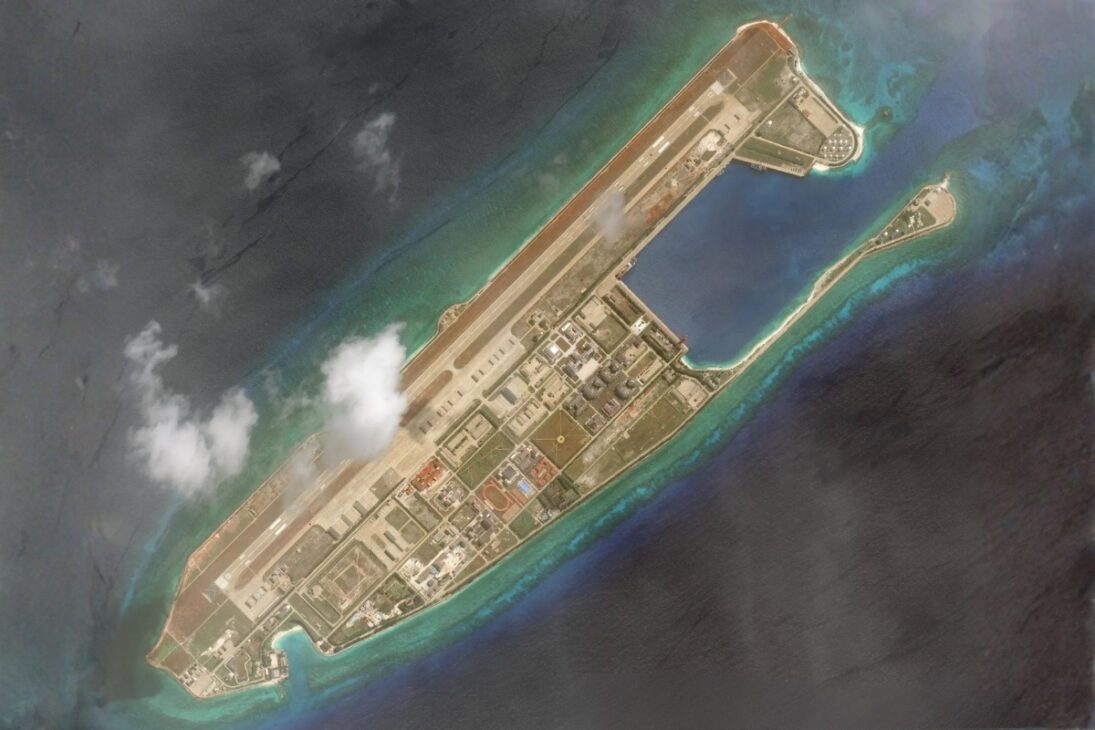
With this base, China can maintain a more constant presence in one of the planet’s most contested maritime areas. The island serves for surveillance missions and to track the movement of vessels and aircraft from other countries.
This type of operation strengthens the military comprehension of maritime space. It also helps Beijing sustain presence in areas claimed by neighbors such as the Philippines and Vietnam.
Structure Functions As A Fixed Aircraft Carrier At Sea
Analysts consider the island as an unsinkable aircraft carrier, since it combines a fixed position, protection, and continuous operational capacity. The central location enhances aerial and naval coverage over a large portion of the sea.
This reach changes the strategic calculation of the region. Proximity to sensitive areas pressures local actors and elevates the weight of Chinese presence on the Asian chessboard.
Three Vital Routes Enter Beijing’s Sphere Of Influence
The South China Sea is one of the busiest commercial routes on the planet. Trillions of dollars worth of goods, energy, and natural resources pass through it annually between Asia, Europe, and the Middle East.
When a power expands its observation and response capacity in this corridor, the impact goes beyond the military plane. The measure affects trade, maritime security, and regional stability.
The artificial island built on Fiery Cross Reef represents not just an engineering feat. It consolidates a power platform in one of the most sensitive points on the global map.
By bringing together a central position, military infrastructure, and proximity to crucial routes, the structure enhances China’s ability to influence maritime circulation. This pressures the region and alters the strategic reading.









Seja o primeiro a reagir!