





 Portuguese
  English
  Spanish
  5 min of reading
  0 comments


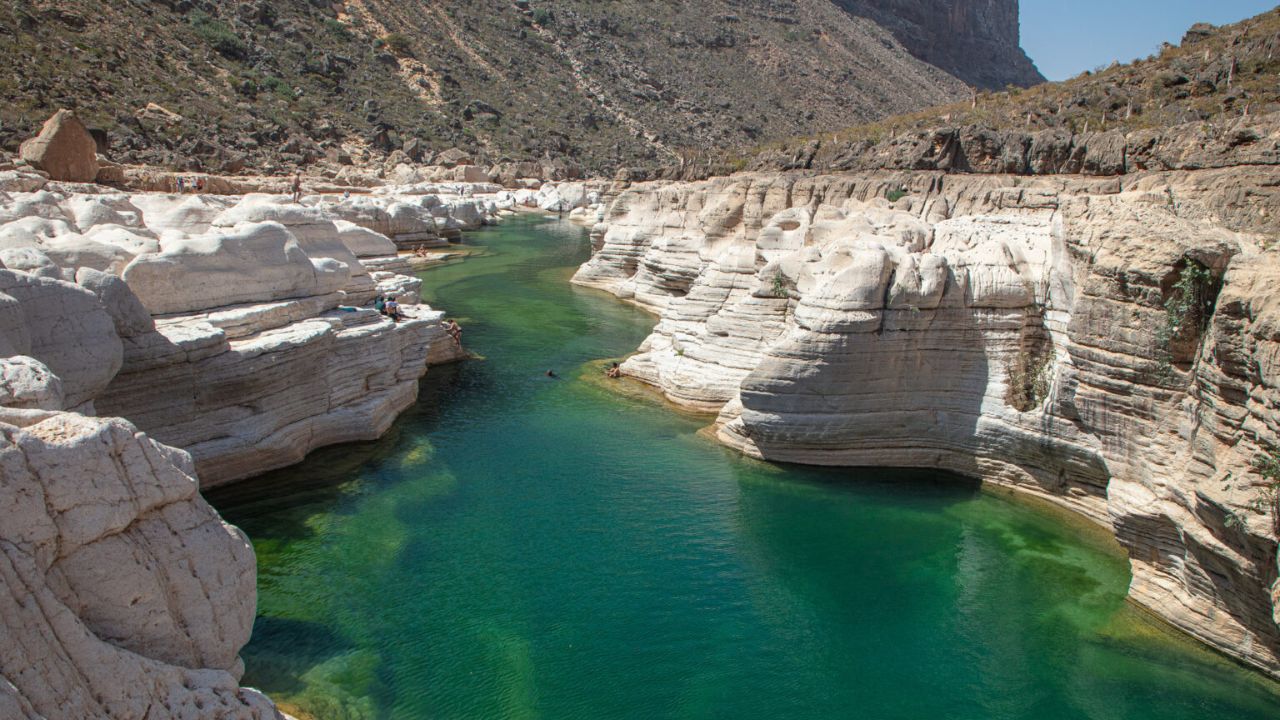
With Trees That “Bleed” and Unique Plants, This Island in the Indian Ocean Is a Living Laboratory of Evolution, Isolated from the World for Millions of Years and Protected as World Heritage.
In the heart of the Indian Ocean, approximately 380 km off the coast of Yemen, there exists a place that defies imagination. Known as the most unique island in the Indian Ocean, Socotra is often described as “alien” or “extraterrestrial”. This fame does not stem from legends, but from its surreal landscape, sculpted by millions of years of geographic isolation and extreme climatic pressures. Far from being just a curiosity, the archipelago is a true laboratory of evolution, compared by scientists to the Galápagos Islands for its immense value to science.
The otherworldly appearance of Socotra is the result of a unique geological history and an unforgiving environment. Recognized as World Heritage by UNESCO in 2008, the island hosts a biodiversity so exclusive that many of its plant and animal species are not found anywhere else on Earth. This article explores the origins, the endemic flora and fauna, and the conservation challenges that threaten this irreplaceable biological treasure.
The Origin: Why Is This Island So Different?
The extraordinary biodiversity of Socotra can only be understood by analyzing the geological and climatic forces that shaped it. According to the magazine Superinteressante, the island is not of volcanic origin like many others, but rather a continental fragment. Millions of years ago, it separated from the supercontinent Gondwana, in the region we now know as the Horn of Africa. This event initiated a completely separate evolutionary trajectory, allowing ancient life forms to survive and diversify in total isolation, transforming the island into a sanctuary for biological lineages that have disappeared from the continent.
-
Friends have been building a small “town” for 30 years to grow old together, with compact houses, a common area, nature surrounding it, and a collective life project designed for friendship, coexistence, and simplicity.

-
This small town in Germany created its own currency 24 years ago, today it circulates millions per year, is accepted in over 300 stores, and the German government allowed all of this to happen under one condition.

-
Curitiba is shrinking and is expected to lose 97,000 residents by 2050, while inland cities in Paraná such as Sarandi, Araucária, and Toledo are experiencing accelerated growth that is changing the entire state’s map.

-
Tourists were poisoned on Everest in a million-dollar fraud scheme involving helicopters that diverted over $19 million and shocked international authorities.


The geography of the island, detailed in reports from Cristiano Xavier Expeditions, also plays a fundamental role. The interior is dominated by the Hajhir granite mountain range, with peaks exceeding 1,500 meters, surrounded by limestone plateaus and arid coastal plains. This varied topography creates a mosaic of microclimates, where the mountains capture moisture from the mists, ensuring a vital water source that sustains unique ecosystems. As explained by Superinteressante, the combination of ancient genetic heritage with severe climatic stress, monsoon winds, and aridity acted as a powerful evolutionary pump, forcing life to develop extreme adaptations to survive.
Otherworldly Flora: The Plants That Only Exist in Socotra
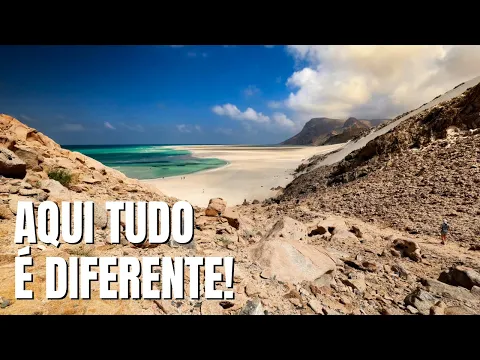

The flora of Socotra is its most famous characteristic. Official data from the UNESCO World Heritage Centre is impressive: of the 825 plant species recorded in the archipelago, 37% are endemic, meaning they do not exist naturally anywhere else on the planet. This endemism rate places the island on par with the importance of places like Hawaii and the Galápagos. Three species, in particular, have become symbols of this unique landscape, as if they had emerged from a science fiction work.
The most iconic is undoubtedly the Dragon Blood Tree (Dracaena cinnabari). With its umbrella-shaped canopy, it is an adaptation to capture moisture from the mists and protect its own seedlings from the scorching sun. Its name, as pointed out by Superinteressante, derives from the bright red sap that flows from its trunk when cut, a valuable resin used since ancient times as medicine, dye, and varnish. Other notable plants include the Desert Rose (Adenium obesum socotranum), with its swollen trunk that stores water, and the bizarre Cucumber Tree (Dendrosicyos socotranus), the only member of the cucumber family that grows in tree form, a living proof of convergent evolution in action.
Unique Animals and the Absence of Mammals
Like its flora, the fauna of Socotra is a product of its long isolation, with even more impressive endemism rates in groups of animals with lower mobility. According to UNESCO, 90% of reptile species and 95% of terrestrial snail species are exclusive to the island. The archipelago is home to lizards, chameleons, and the impressive blue tarantula (Monocentropus balfouri), which is not found anywhere else. Cristiano Xavier Expeditions also highlights the island’s global importance for birds, with over 225 species recorded, including several endemics such as the Socotra Starling.
One of the most striking characteristics of the local fauna is the near-total absence of native terrestrial mammals, with the exception of a few species of bats. All other mammals, such as goats and camels, were introduced by humans. This faunistic composition is a classic signature of oceanic islands, revealing that only creatures capable of flying or floating long distances were able to colonize the territory. The lack of mammalian predators likely allowed reptiles to thrive and diversify, occupying ecological niches that would belong to mammals on other continents.
A Threatened Paradise: The Challenges of Conservation
Despite its remote and untouched appearance, Socotra faces increasing pressure from the modern world. The geopolitical instability in mainland Yemen has economically isolated the island, forcing the local population to cut down trees for fuel, causing deforestation and soil erosion. Additionally, overgrazing by non-native goats is one of the most severe threats, as they consume the seedlings of rare plants, such as the Dragon Blood Tree itself, preventing the natural regeneration of forests.
The introduction of invasive species and climate change also pose an existential threat to the island’s delicate ecosystems, which have evolved in a fragile balance over millennia. The conservation of Socotra therefore depends on a complex effort that involves protecting the island from external instability, controlling invasive species, and, above all, empowering the local community. Preserving its unique language and culture, which hold centuries of traditional ecological knowledge, is seen as a fundamental part of the strategy to ensure that this evolutionary treasure continues to exist for future generations.
What Do You Think About the Future of Places Like Socotra?
Do you believe that such unique and fragile places should be completely closed to tourism to ensure their preservation? Or do you think that controlled ecotourism is the best way to protect and at the same time generate income for the local community? If you could, would you visit this amazing island in the Indian Ocean?
Share your opinion in the comments. We want to know what you think about the future of this world treasure.









Seja o primeiro a reagir!