





 Portuguese
  English
  Spanish
  4 min of reading
  0 comments


Islands And Villages In Japan Pay Up To R$ 50 Thousand Per Child To Attract Residents And Avoid Population Collapse. Understand Why This Became National Policy.
Amid the scenario of rapidly aging population and increasingly empty cities, a curious — and real — phenomenon is occurring in some of the most remote islands and villages in Japan. For many, the idea of making money simply by moving to a different city seems absurd. But for the Japanese who still inhabit depopulated rural areas, this has been one of the few alternatives to keep their communities alive. And the incentive from the island that pays residents is not small: some municipalities offer up to ¥1 million (about R$ 50 thousand) per child brought to the region, in addition to benefits for housing, employment, and schooling. The incentives for living in Japan are many.
This movement is part of a national effort to address one of the greatest social challenges of modern Japan: the demographic collapse in rural regions, especially on islands far from the mainland.
A Reality That Haunts Japan: Ghost Villages And Schools Without Students
Japan has the second oldest population on the planet. It’s estimated that more than 28% of Japanese are over 65 years old, and this number grows year after year. The most visible reflection of this phenomenon occurs in small towns in the countryside and remote islands, where schools are closed due to lack of students and entire neighborhoods become deserts — true “ghost villages.”
-
A couple buys an old chalet, breaks the kitchen floor for renovation, and finds over a thousand coins of gold and silver hidden since the English Civil War over 4 centuries ago.

-
Rigid bags with their days numbered: new trend prioritizes comfort in 2026.

-
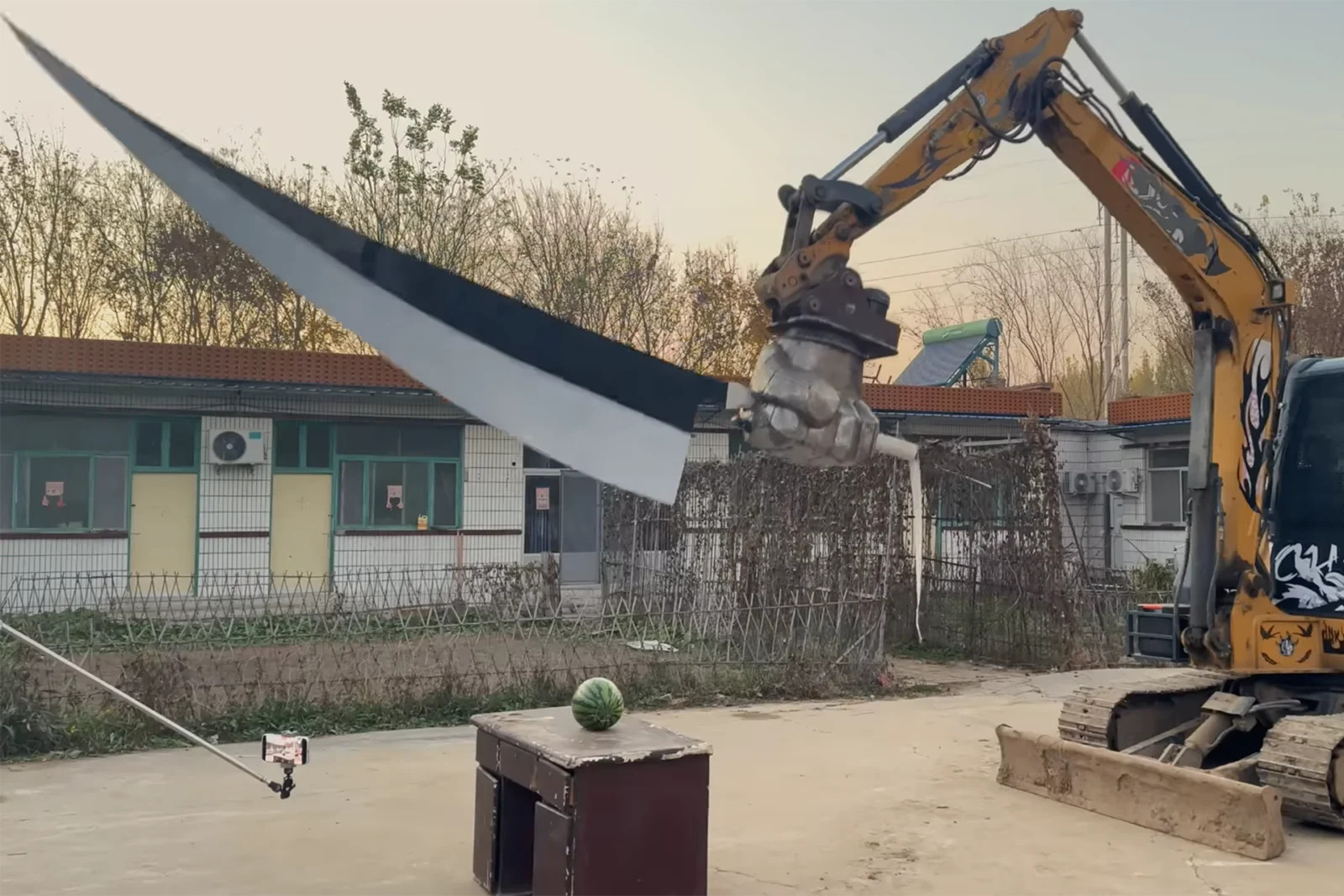
YouTuber creates an excavator equipped with a giant 4.5-meter sword to challenge his brother to a rematch, and the invention quickly goes viral on social media.
-
The U.S. Army surprises the world by presenting the UH-60MX Black Hawk helicopter capable of flying without pilots, controlled by a tablet, featuring the MATRIX system, smart sensors, and full autonomy in real combat and rescue missions.


Cities like Okutama, just 90 km from Tokyo, are already facing this process. Even with its proximity to the capital, the lack of opportunities and harder living conditions have driven away young people. Today, more than 40% of properties are vacant. Even more extreme situations are seen on islands like Nakanoshima, Kamijima, or Aogashima, where there are more abandoned houses than inhabited ones.
The Bonus Of R$ 50 Thousand Per Child: How The Incentive Works
In response, many Japanese municipalities have created aggressive repopulation programs. The best-known model is the one that offers a cash bonus to families with young children who agree to move to these regions.
On average, the incentives include:
- ¥1 million per child (about R$ 50 thousand)
- Housing assistance or even free properties
- Support for finding local jobs
- Subsidies for bilingual schools or alternatives
- Discounts on public fees and even agricultural support
In the city of Miyakonojo, for instance, families with three children can receive over R$ 150 thousand in cumulative incentives. Meanwhile, in villages like Nagoro, famous for having more dolls than people, the municipality offers free housing, assistance to start a business, and logistical support.
Abandoned Houses: From Ruin To New Beginnings
Another element that makes the incentive even more attractive is the so-called akiya, or “empty houses.” It’s estimated that there are more than 11 million vacant properties in Japan, many of them in good condition. With rural exodus, municipalities have started to offer these houses for symbolic prices — some for as little as R$ 1,000 or even for free.
These houses are often traditional, with wooden structures and located near rivers, mountains, or agricultural fields. For new residents, it’s a chance to restart life with their own property, something increasingly distant in large cities like Tokyo or Osaka.
More Than Bonuses: A Life With Purpose And Sustainability
Repopulation policies do not only offer money. They come with a different lifestyle, where time moves slowly, nature is all around, and the local community values human contact.
Many who have agreed to move report not only an improvement in quality of life but also less stress, healthier eating, greater contact with their children, and real chances to start businesses in areas such as organic agriculture, sustainable tourism, or handicrafts.
In addition, there is a valuing of bioeconomy and permaculture, with incentives for those who wish to work with solar energy, reforestation, or reuse of local materials.
A Model That Could Inspire Other Countries?
The Japanese proposal has attracted worldwide attention. In countries like Italy, Portugal, and Spain, depopulated villages have also begun to adopt similar models — with symbolic sales of properties, bonuses for new families, and even incentives for digital nomads.
In Brazil, despite the urban challenge being more linked to slum growth and disorderly expansion, some regions in the countryside face the opposite: youth exodus, abandoned farms, and empty schools. Cities in the semi-arid or in remote regions of the Amazon and Pantanal have already expressed interest in migration stimulus policies.
The Japanese experience, in this sense, could serve as an inspiring laboratory: the use of abandoned housing, subsidies for those who put down roots in forgotten areas, and local programs focused on sustainable rural development.
The idea of “paying to live” may sound eccentric, but in practice, it represents a creative solution to a real problem. As megacities become unsustainable and the global population ages, redistributing people, income, and resources may be essential for social balance.
In Japan, this reinvention of villages — combining tradition and innovation — is a concrete step towards rescuing what seemed doomed to extinction. A bet on simple living, connection with the land, and a new form of prosperity.






-

-

-

10 pessoas reagiram a isso.