





 Portuguese
  English
  Spanish
  5 min of reading
  0 comments


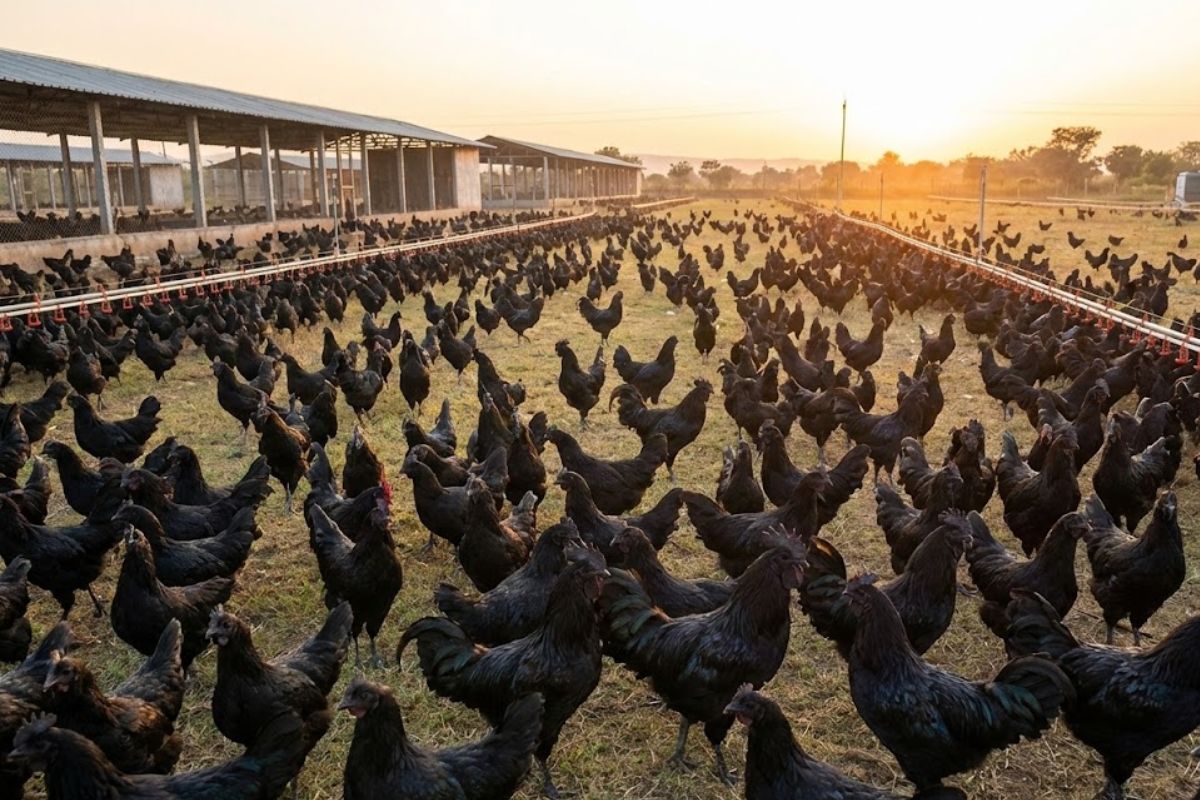
The Breeding of Black Chicken in Controlled Scale Produces Black Meat Rich in Protein, Low in Fat, and Seen as Superfood by Nutritionists, Supplying Chefs Looking for Distinctive Meat, Stringent Traceability, Animal Welfare, and an Exotic Product with Growing Demand in High Gastronomy Niches in Contemporary Functional Menus
In 2025, the breeding of black chicken moved out of the realm of regional curiosity and began to take up structured space in specialized farms, aimed at supplying markets looking for black meat with higher added value. The combination of unique genetics, controlled management, and visual appeal transformed this type of bird into a strategic asset for producers operating in a highly demanding niche.
At the same time, nutritionists and chefs from different countries began to see distinctive meat from black chicken as a possible superfood, associating its consumption with diets that have higher protein content and lower fat load. The expansion of demand repositioned this protein in the production chain, demanding stricter biosafety standards, traceability, and slaughter processes focused on sensory and nutritional quality.
What Makes the Breeding of Black Chicken Different from Conventional Production

The breeding of black chicken is distinguished from traditional poultry farming by combining limited scale, more careful management, and constant attention to the housing environment.
-
JBS, founded by the Batista brothers, continues to conquer the world: the entrepreneurs built a ‘factory in the desert’ with 3,000 jobs.

-
With only 1% of Brazilian territory, Santa Catarina has built one of the most competitive industrial parks in the country with 64,000 companies, nearly 1 million jobs, and a growth of 5.3% while the national industry is practically stagnant.

-
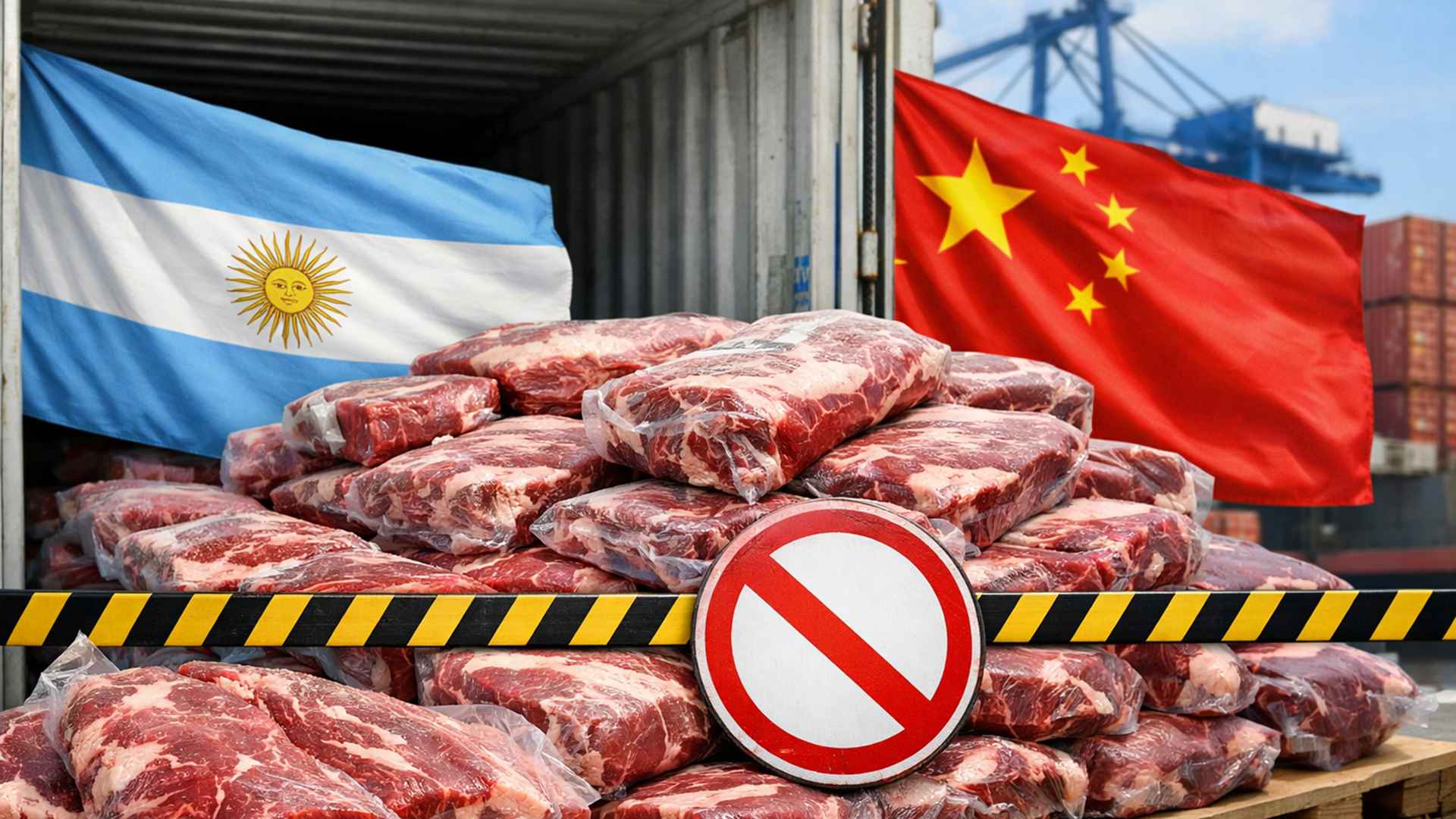
China banned the export of 22 tons of meat from Argentina.
-
While Russia dominates the global wheat market, Brazil emerges as an unexpected competitor in the Cerrado, offering grain available in July and August when stocks in the Northern Hemisphere are at their lowest point of the year.


Instead of very high densities, more spacious barns are preferred, focusing on animal welfare to preserve texture, juiciness, and standardization of the black meat obtained at slaughter.
Since the first days of life, producers adjust temperature, ventilation, and lighting more precisely, knowing that these strains may be more sensitive than conventional broilers.
Controlled environments, rigorous sanitation, and permanent monitoring of water and feed are described by breeders as central factors to ensure a distinctive meat, with a lower loss rate and consistent visual appearance.
Fibromelanosis and the Origin of Black Meat
The starting point of this chain is a rare genetic characteristic: fibromelanosis.
This condition causes the black chicken to produce a large amount of pigment in internal tissues, which explains the dark coloration not only of the feathers but also of the skin, muscles, and even bones and organs.
In practice, fibromelanosis is what gives the bird the appearance of black meat that attracts the attention of chefs and consumers seeking exotic ingredients.
The pigment is distributed throughout the body, generating cuts with coloring that ranges from dark blue to almost black.
This same peculiarity reinforces the framing of the species as a superfood, as studies indicate a high presence of antioxidant compounds, such as carnosine, associated with muscle performance and reduced fatigue.
Management Stages in Black Chicken Breeding
The productive cycle of black chicken breeding begins with the careful selection of breeding stock and eggs.
Incubation requires stricter control of temperature and humidity to ensure a good hatching rate in strains considered sensitive.
Failures at this stage can compromise the entire batch, increasing costs and reducing the supply of distinctive meat at slaughter.
After birth, the chicks are taken to heated and protected areas, where they remain until they develop sufficient plumage to maintain their own temperature.
During this period, the diet is formulated to promote balanced growth without excessive fat gain.
Next, the birds are transferred to spacious barns, where the density per square meter is lower than in large-scale industrial poultry farming.
The final phase involves constant health control, focusing on disease prevention and reducing the use of medications.
When they reach the ideal weight, the birds are sent to processing units that follow strict hygiene protocols aligned with the requirements of restaurants and distributors specialized in black meat.
Black Meat in Traditional Cuisine and Contemporary Gastronomy
Historically, black meat from black chicken is used in fortifying broths and long-cooked stews in several Asian countries.
In these kitchens, the bird is associated with preparations linked to the recovery of the ill and the reinforcement of the immune system, which has contributed to its status as a superfood in various culinary traditions.
In contemporary gastronomy, the same protein has begun to occupy high-end menus, whether in soups, aromatic stews, or low-temperature dishes that enhance texture and flavor.
The dark color of the broths and cuts generates visual contrast with light vegetables, rice, and pasta, reinforcing the perception of distinctive meat aimed at tasting experiences and more scenic presentations.
Chefs also value the versatility of this black meat, which can be used in recipes inspired by local traditions or in fusion proposals between Asian cuisine and local ingredients.
What remains common is the need to explain to consumers the origin of the color and the peculiarities of black chicken breeding, reducing the initial strangeness for those seeing the product for the first time.
Why the Breeding of Black Chicken is of Interest to Nutritionists
From a nutritional standpoint, black meat is described as lean, with high protein content and low fat content compared to traditional chicken standards.
This profile reinforces the product’s framing as a superfood, especially in dietary plans that prioritize protein density and caloric control for maintaining lean mass.
The presence of antioxidant compounds and amino acids related to muscle recovery attracts the attention of sports and clinical nutritionists, who see in black chicken an alternative for menus aimed at performance, rehabilitation, and healthy aging.
Although the flavor is not radically different from free-range chicken, the combination of striking appearance, nutritional composition, and controlled production method supports the label of distinctive meat for specific audiences.
Challenges and Perspectives for Producers and the Market
The breeding of black chicken on a larger scale faces challenges related to cost, genetic standardization, and logistics.
Strains with fibromelanosis require careful reproductive planning, access to reliable hatcheries, and infrastructures adapted to smaller and more sensitive batches. This raises the cost of the process while also creating opportunities for value addition at the end.
In the market, the main obstacle is the average consumer’s lack of knowledge about black meat and its origins.
Without clear information, the unusual appearance can be perceived as a defect rather than a differentiator, requiring transparent communication between producers, distributors, nutritionists, and restaurants.
As more chefs and health professionals incorporate the protein into menus and guidance, the trend is that acceptance will increase and the superfood category will gain scale.
In the long term, the consolidation of this chain depends on the balance between limited supply, prices compatible with the niche, and the maintenance of the reputation of distinctive meat of high standard, obtained from black chicken raised under stringent and traceable management.
For you, does the idea of consuming black meat from carefully controlled black chicken breeding spark more gastronomic curiosity or strangeness when it comes to putting this superfood on your plate?








-

-

-

4 pessoas reagiram a isso.