





 English
  Francês
  Alemão
  Italiano
  Japonês
  Norueguês
  Portuguese
  Spanish
 3 min of reading
  1 comment


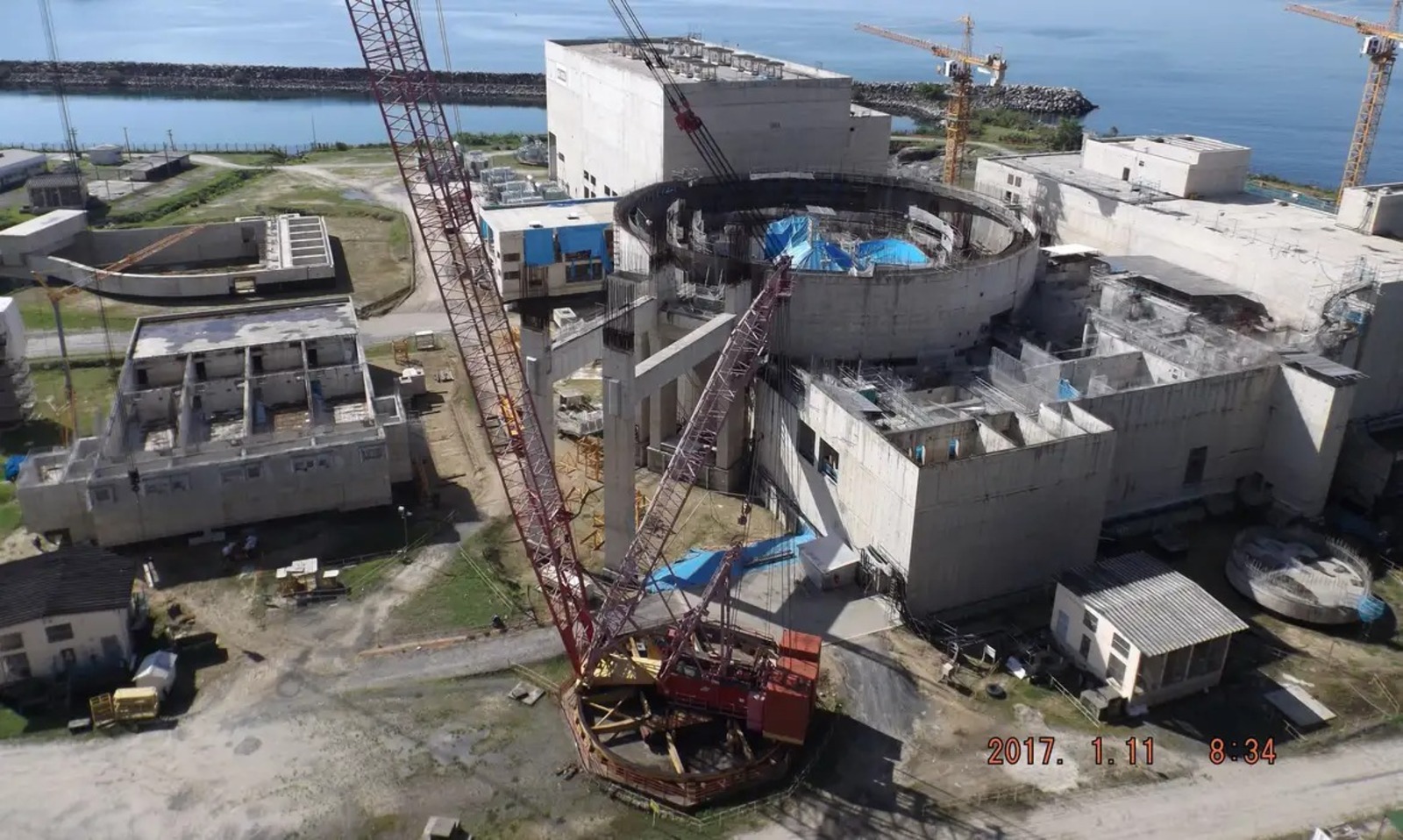


Public Hearing in the Legislative Assembly of Rio Discussed the Resumption of the Angra 3 Nuclear Plant, Paralysed Since 2015, in Light of Annual Costs of R$ 1 Billion and Billionaire Fiscal Risk
The resumption of construction of the Angra 3 Nuclear Plant, in Angra dos Reis, was discussed in a public hearing at the Legislative Assembly of Rio de Janeiro at the end of last year, in light of annual costs of R$ 1 billion and uncertainty after 10 years of stoppage.
Debate in the Legislative Assembly
The public hearing took place at the Legislative Assembly of Rio de Janeiro and brought together lawmakers, technical representatives, and workers to discuss the impacts of the prolonged stoppage of the construction.
The discussions focused on the financial effects of the interruption, considering that the plant is 60% complete and remains undefined regarding its completion.
-
Fukushima Marks A Turning Point In Japan’s Energy Policy: After The Disaster, The Country Shut Down Its 54 Nuclear Reactors And, 15 Years Later, Only A Small Portion Have Returned To Operation
-
How Japan Overcame The Nuclear Bomb And Now Houses Millions In Hiroshima, While Ukraine Lost Chernobyl?

-
Bill Gates Receives Historic Approval to Build Giant 345 MW Nuclear Plant in the U.S. and Promises to Generate Up to 500 MW of Energy with Innovative Technology
-
India Opens Nuclear Energy to Private Capital to Accelerate Projects and Attract Billions, While Brazil Remains Stalled at Angra 3 and Discusses Who Will Foot the Bill for Completion
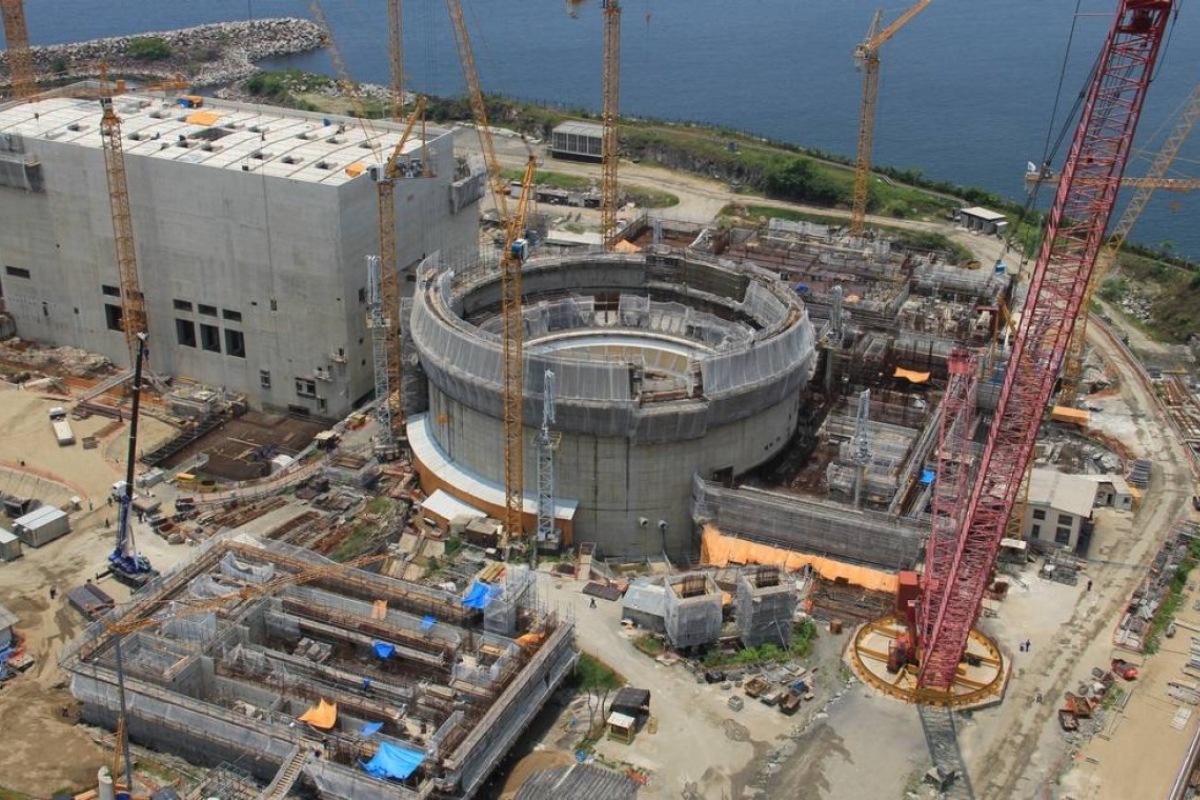

The construction of Angra 3 began in the 1980s and has been halted since 2015, incurring significant costs without operational returns to the national electric system.
According to an assessment by the Federal Court of Accounts, the lack of decision may raise the total cost by up to R$ 43 billion.
The originally estimated cost for the project was R$ 23 billion, but the continued uncertainty increases the fiscal risk associated with the project.

Economic and Energy Impact
The president of the Environment Committee, Deputy Jorge Felippe Neto (Avante), stated that the resumption is strategic for the state’s development.
He highlighted that Angra 3 can generate 1,405 megawatts and supply more than 4.5 million homes, strengthening the national energy autonomy.
According to the deputy, the project has already consumed R$ 21 billion and still requires new investments for completion, despite the long history of federal delays.
Deputy Marcelo Dino (União) emphasized the direct impact on the job market with the possible resumption of activities at the construction site.
Currently, the plant maintains around 400 jobs, a number that could reach 3,500 workers if construction is fully resumed.
For Dino, the completion represents economic progress for Angra dos Reis, the State of Rio de Janeiro, and also for Brazil.
Cost of the Stoppage
The representative of the Association of Nuclebrás Heavy Equipment Workers, Flávia Azevedo, criticized the waste caused by the prolonged interruption.
She stated that, even with purchased equipment and advanced civil works, the country spends R$ 1 billion per year just maintaining the project at a standstill.
According to Azevedo, this resource could be directed towards job creation, income, and regional development in the Fluminense Costa Verde.

Technical Assessment of Nuclear Energy
Gabriela Borsato, director of the National Commission of Nuclear Energy, defended the completion of the plant as a structural solution for the sector.
She explained that once completed, the plant will amortize investments over 20 years, allowing for a tariff reduction of up to 75%.
Another point highlighted was the capacity factor, with nuclear generation reaching 90%, while renewable sources hover around 40%.
According to the director, this is firm energy, available 24 hours, capable of generating continuous resources after the investment amortization period.
Concluding the debate, participants reiterated that the decision regarding Angra 3 involves not only past costs but future choices for the energy matrix.
With information from Agência Brasil.








A obra da Usina Nuclear de Angra III, está parada a mais de 30 anos, consumindo milhões para sua conservação.