





 Portuguese
  English
  Spanish
  3 min of reading
  1 comment


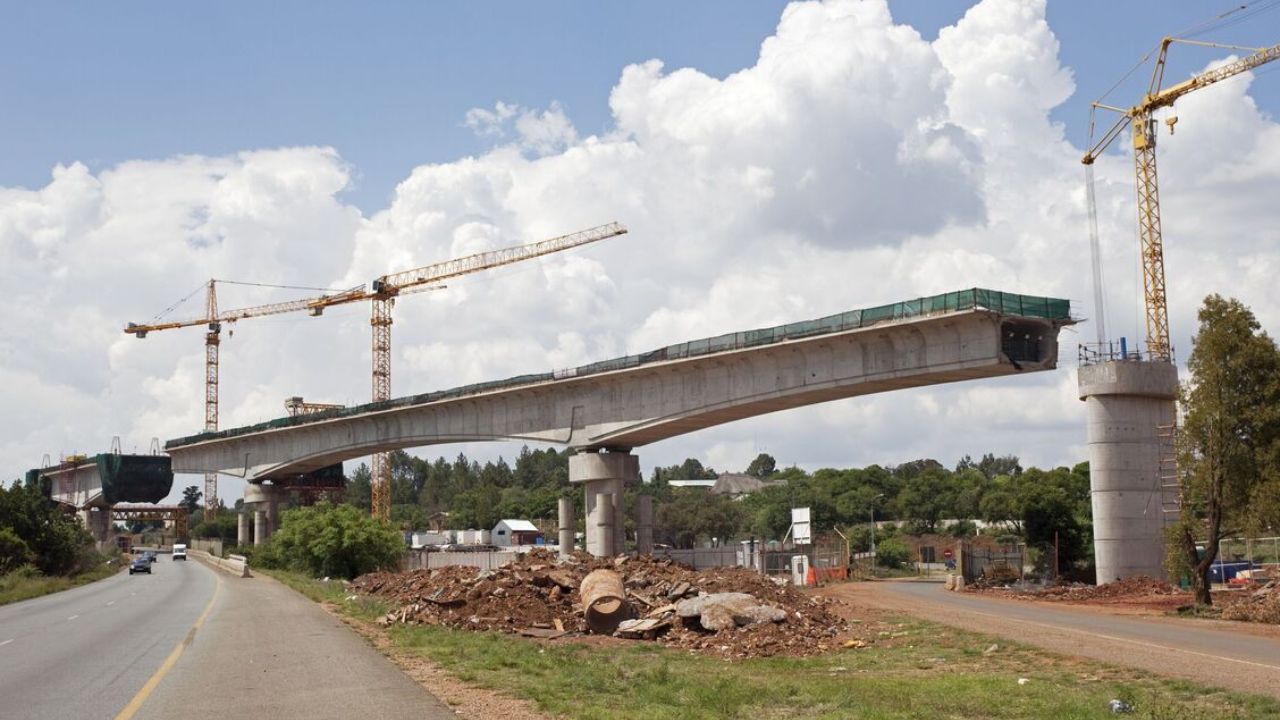


Built at a Cost of US$ 3.6 Billion, This High-Speed Railway Connects Johannesburg, Sandton, Pretoria, and OR Tambo Airport, with a 15.4 km Subway Tunnel That Redefined Mobility and Boosted Economic Development in South Africa.
Have you ever imagined crossing great distances in minutes while enjoying the comfort of a modern railway? This dream has become a reality for thousands of people in South Africa thanks to Gautrain, a high-speed railway that has redefined transportation on the continent. With an impressive cost of US$ 3.6 billion, the project is not just a means of transportation; it is a revolution that connects Johannesburg, Sandton, Pretoria, and OR Tambo International Airport.
But what makes this railway so special? Let’s explore the details of this marvel that combines cutting-edge engineering, technological innovation, and a transformative social impact.
The Largest Subway Tunnel in Africa
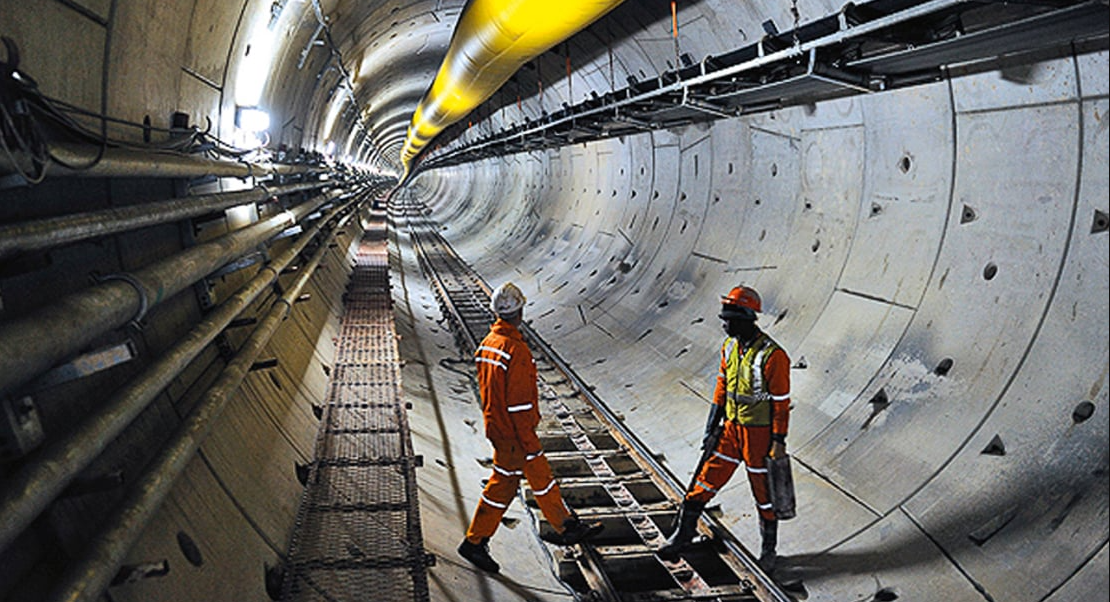
In addition to the railway, Gautrain houses the largest subway tunnel in Africa, with an impressive length of 15.4 kilometers. It connects strategic points in Gauteng province, such as the Johannesburg Park, Rosebank, and Sandton stations. For residents, these connections represent not only mobility but also a vital link to economic and cultural centers.
-
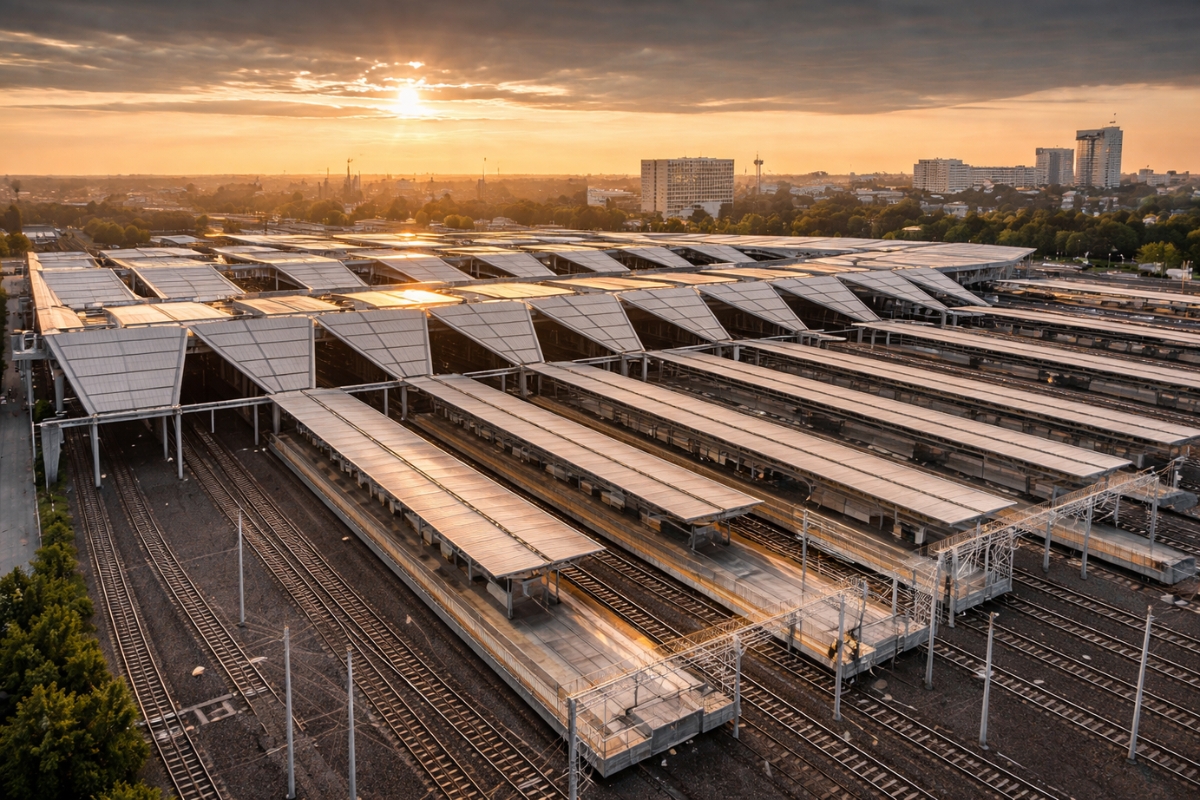
In A European City, The Country’s Largest Railway Junction Was Modernized Without Closing Its Doors, Kept Trains Running During Years Of Construction, Now Serves Up To 60,000 Passengers Per Day, And Installed Solar Panels That Generate About 30% Of Its Energy
-
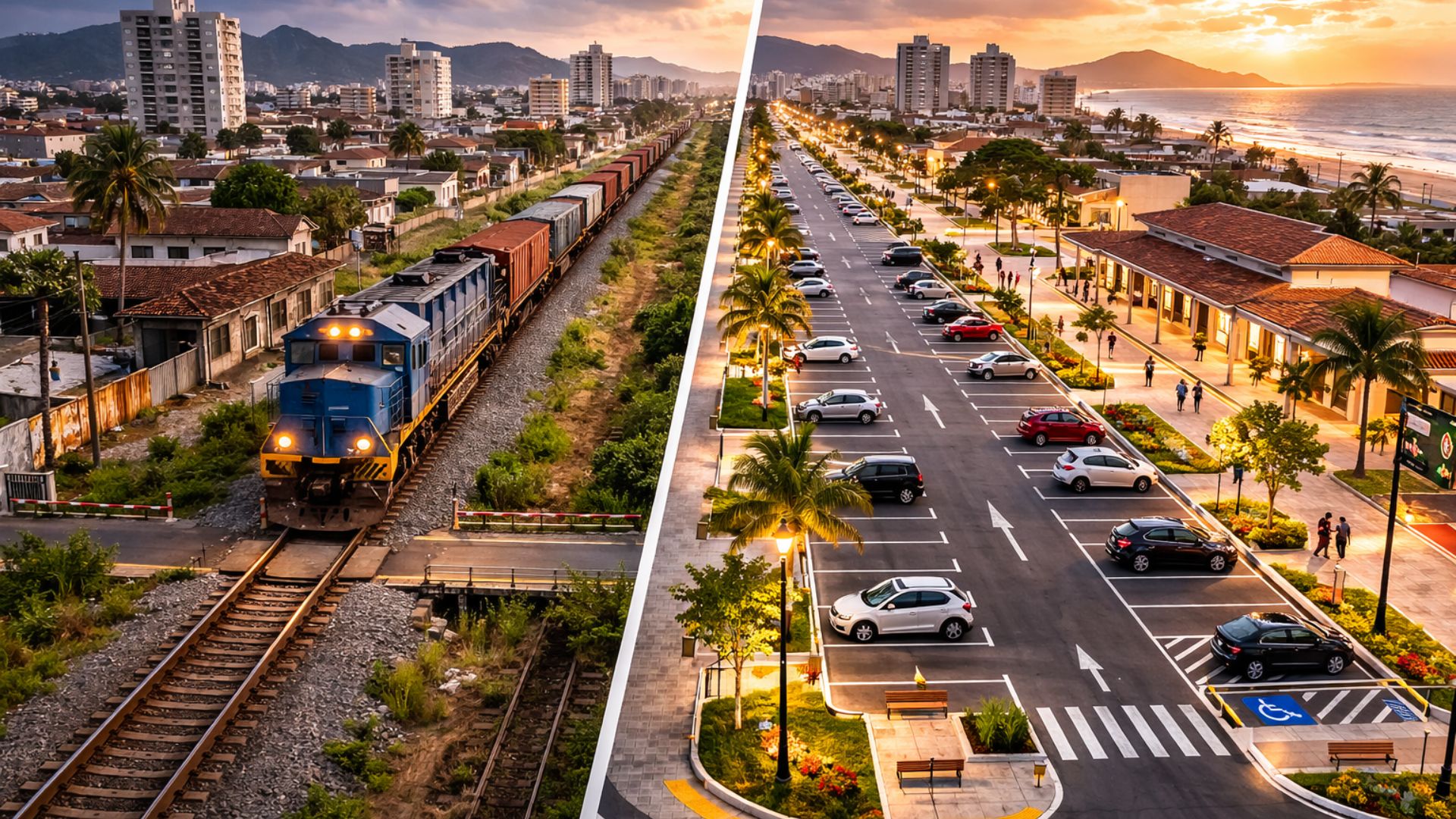
Famous Brazilian Railway May Become a Parking Lot
-
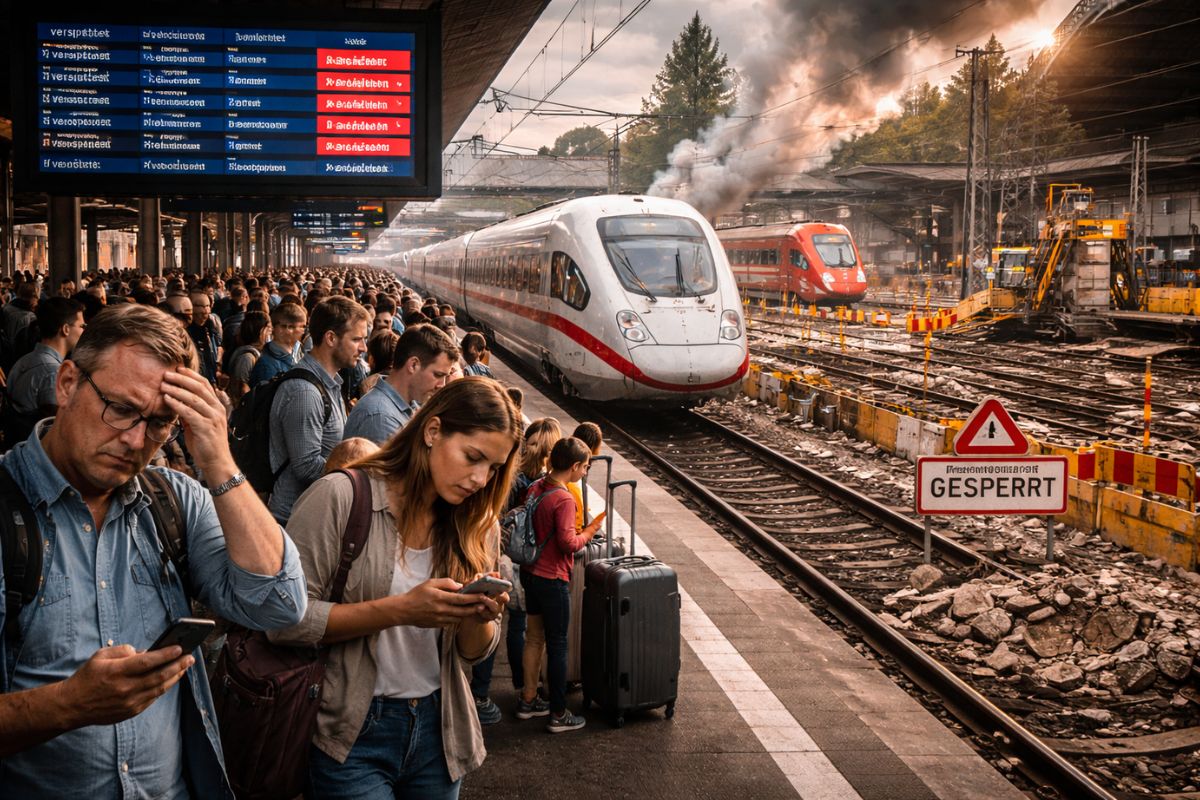
The Country of “Punctual As a Train” Admits It Has Lost Control: High-Speed Trains Delay, Stop, Disappear from the Map and Turn 6-Hour Trips into 10, While Deutsche Bahn Promises Restructuring in 2026 But Faces 19th Century Infrastructure, Staff Shortages and Sections Closed for Months
-
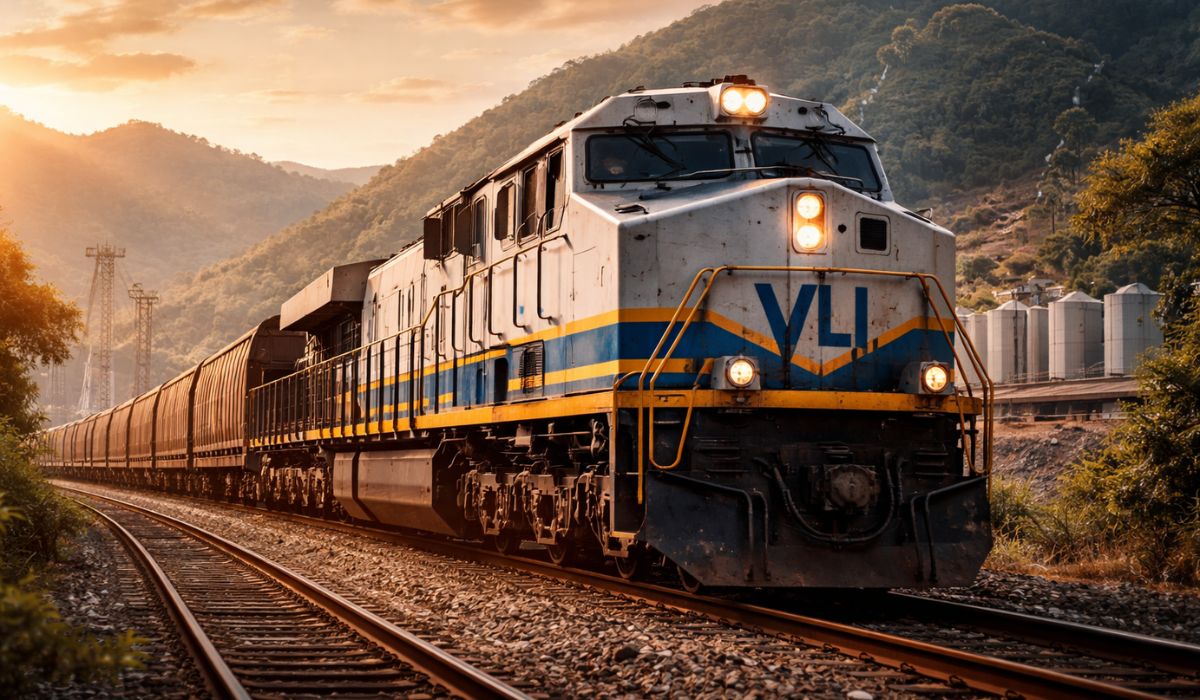
With an Investment of R$ 700 Million in One of the Country’s Main Rail Networks, VLI Reinforces Infrastructure, Receives 8 New Locomotives, and Expands the Corridor Connecting 7 States, Boosting Jobs and the Transportation of Grains, Ore, and Oil Products to the Port of Santos

Building a tunnel of this magnitude was no easy feat. Imagine digging kilometers beneath the earth, where every millimeter counts. Any misalignment could compromise the entire structure. To tackle this challenge, engineers used advanced tunnel boring machines (TBMs) and traditional blasting techniques.
Without magnetic fields and GPS for underground orientation, engineers had to think outside the box. Laser alignment systems and state-of-the-art surveying tools ensured that everything came out perfectly. This precision has made Gautrain a global benchmark for large-scale infrastructure projects.
The Transformation in People’s Lives with the Railway
The three underground stations of Gautrain offer something beyond transportation: a more connected urban living experience. For those working in Pretoria and living in Johannesburg, for example, the railway means less time in traffic and more time to live.
Quick access to OR Tambo International Airport has also facilitated business and leisure travel, further integrating South Africa with the rest of the world.
If you have ever faced hours of congestion, you know how frustrating it is. Gautrain has brought significant relief to the crowded highways of Gauteng. Moreover, the reduction in traffic has decreased carbon emissions, contributing to a more sustainable future.
Economic and Social Impacts
A project of this magnitude not only impresses with its engineering but also with its economic impact. During construction, Gautrain generated thousands of jobs. After its inauguration, local commerce flourished around the stations, creating a virtuous cycle of economic growth.
Furthermore, the railway provides residents with easier access to jobs, education, and essential services, significantly improving their quality of life.
The success of Gautrain has opened doors for other ambitious projects in cities across Africa, such as Luanda, the capital of Angola. It symbolizes the potential for infrastructure innovation to transform lives on a continent as diverse as Africa.










O título da notícia está de certa forma incorrecto. O ideal seria …ferrovia sul africana… Africa do sul é o país onde a ferrovia se encontra e África é o continente.