





 Portuguese
  English
  Spanish
  4 min of reading
  0 comments


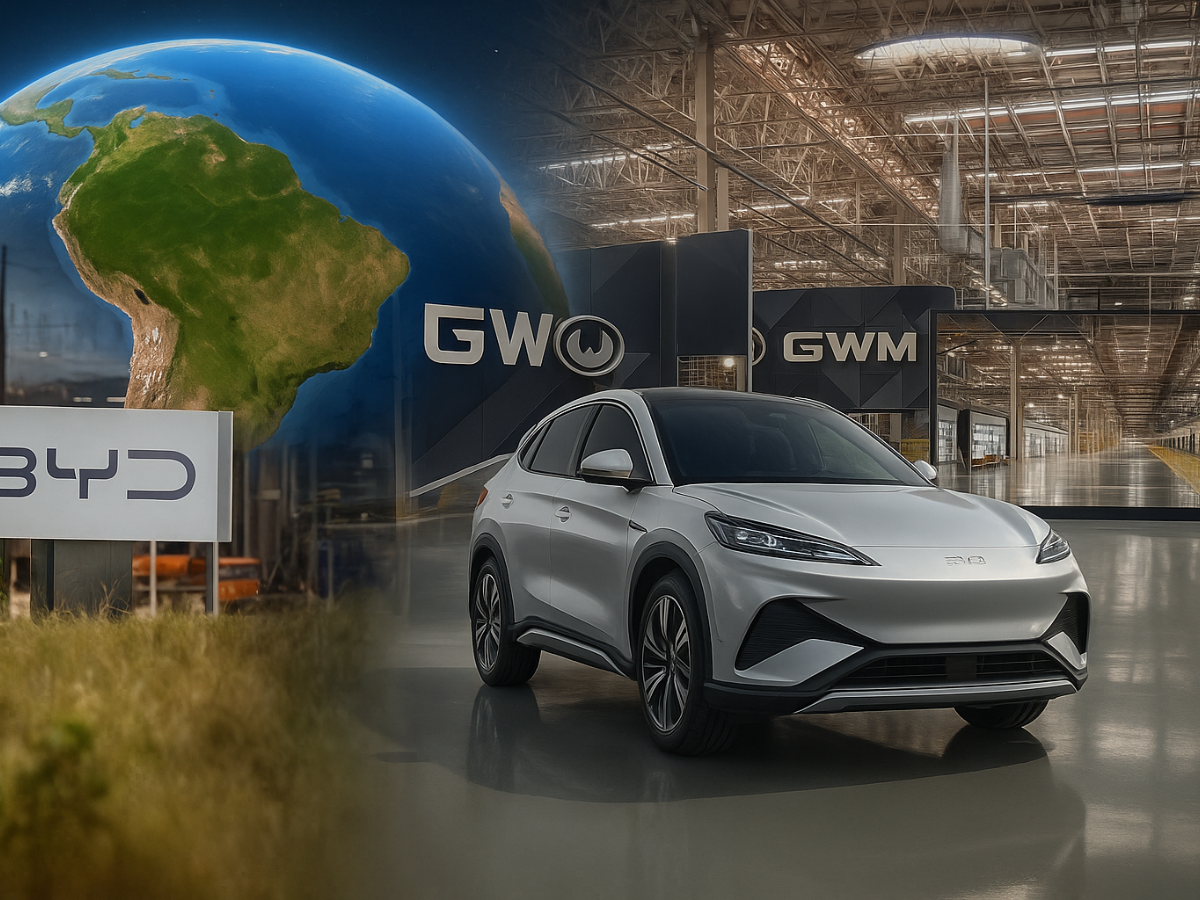
With Billion-Dollar Investments in Former Ford and Mercedes Factories, BYD and GWM Start Operations in 2025, Promising a Price War and a New Era for the National Automotive Industry
The Brazilian automotive landscape is undergoing an unprecedented transformation, driven by the strategic and aggressive entry of Chinese automakers of electric vehicles, notably BYD (Build Your Dreams) and GWM (Great Wall Motors). With investments in the billions of reais, they seek not just to compete but to dominate the emerging electrified market in the country.
Deepen your understanding of the offensive by Chinese automakers, detailing their production plans, market strategies, the reaction of traditional brands, and the role of government incentives in this new industrial configuration that promises to reshape the sector.
BYD’s Plans in Bahia and GWM’s in São Paulo
BYD and GWM are laying the groundwork for long-term operations, with local production, technological development, and export potential.
-
Historic bankruptcy of Centauro shocks the market, and the century-old company puts more than 500,000 products, machines, and complete infrastructure up for online auction.
-
New shoe factory in Ceará is expected to create 400 jobs and strengthen the local economy.
-
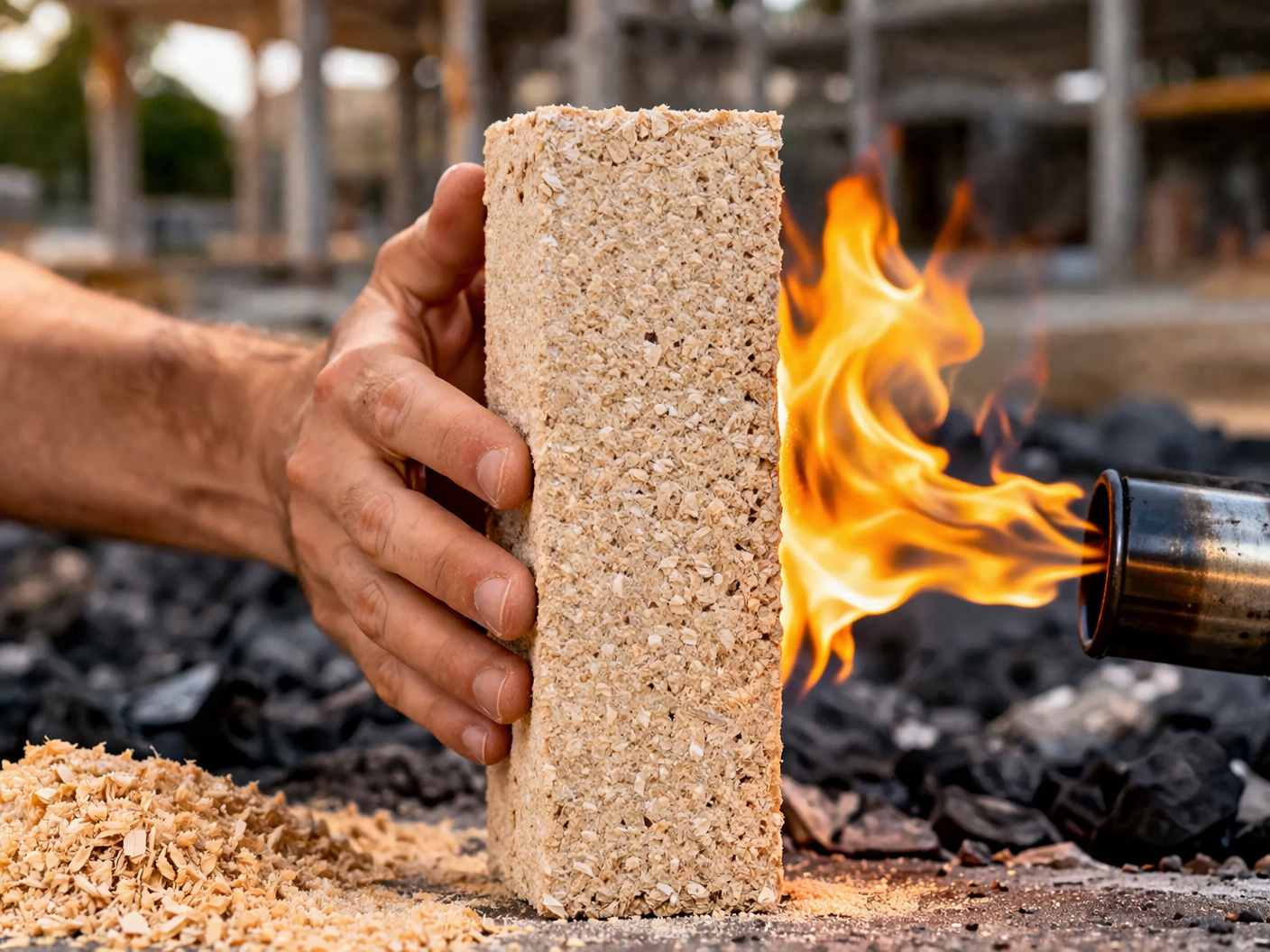
No one imagined it, but a mixture of sawdust with a mineral that fights fires surprises scientists with a result that changes the course of fire-resistant construction.
-
From empty land to a high-end house, wooden construction uses a lightweight system, metal structure for the foundation, ventilated ceramic cladding, and special windows to create an efficient and comfortable living space throughout the year.

BYD in Camaçari (BA): with an investment of R$ 5.5 billion, BYD is transforming the former Ford plant into a complex with three units: one for passenger cars, one for lithium and iron phosphate processing, and one for bus and truck chassis.
The initial capacity will be 150,000 vehicles per year, starting in mid-2025, beginning with the electric Dolphin Mini and the hybrid Song Pro. However, the project faces serious action from the Public Labor Ministry due to allegations of subjecting Chinese workers to conditions analogous to slavery.
GWM in Iracemápolis (SP): GWM has outlined a plan of R$ 10 billion over 10 years, reactivating the former Mercedes-Benz factory. Production will begin in July 2025, with an initial capacity of 50,000 units annually, potentially reaching 100,000. The first model will be the hybrid SUV Haval H6, followed by the Poer pickup.
The Strategy of Chinese Automakers in Brazil
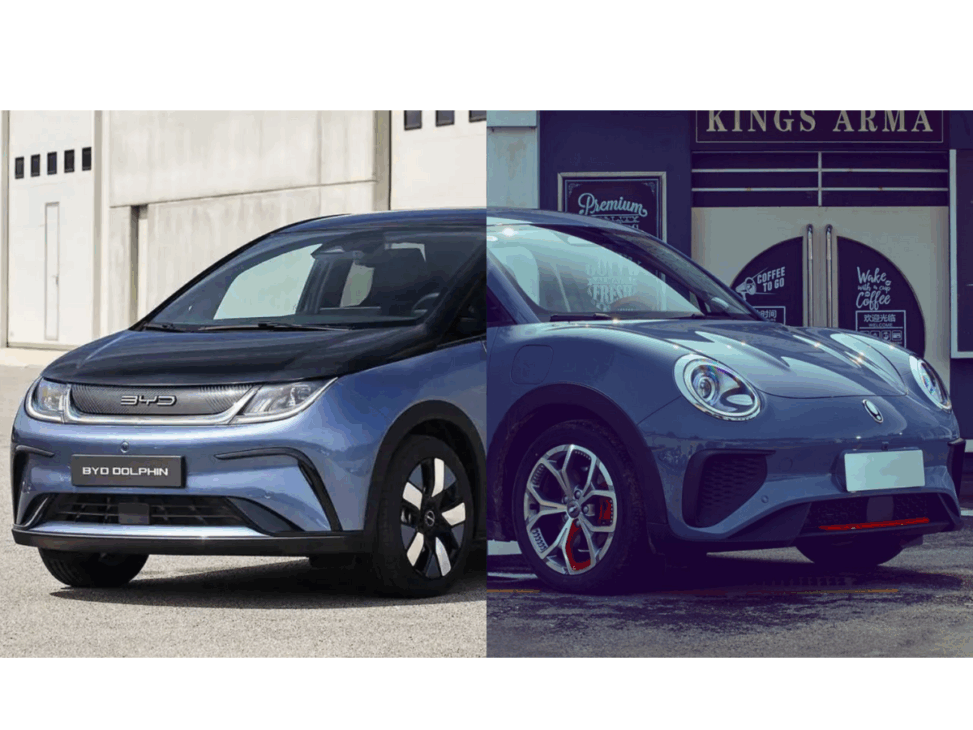
The entry of BYD and GWM into the Brazilian market is a calculated offensive based on four main pillars.
Price Disruption: the “price war” is the most visible tactic. BYD, with launches like the Dolphin, has shaken the market by competitively positioning its EVs even against combustion cars, forcing a reevaluation of market perceptions of value.
Technological Differentiation: Chinese automakers highlight their innovations to build trust. BYD’s Blade Battery, made of lithium iron phosphate (LFP), is promoted for its safety and long lifespan. GWM’s L.E.M.O.N. DHT (Dedicated Hybrid Technology) is presented as a highly efficient hybrid system.
Brand Loyalty Cultivation: BYD and GWM are rapidly expanding their dealership networks to build trust. BYD aims for 150 stores by the end of 2024, while GWM has already surpassed 105.
Robust After-Sales Network: to mitigate concerns about parts availability, BYD is doubling its distribution center in Espírito Santo. GWM has announced a fixed price policy for parts and a stock that can cover nine months of demand.
The Reaction of Traditional Automakers to the Race for Electrification
The arrival of Chinese automakers has forced traditional brands to accelerate their electrification plans. The response has been heavy investment in hybrid technologies.
GM, Volkswagen and Toyota: announced billion-dollar investments in their plants in São Paulo for modernization and production of hybrid and flex-hybrid models, which will hit the market starting in 2025 and 2026.
The “Hybrid Bridge”: the focus of traditional automakers on hybrids is a transitional strategy. It leverages the existing ethanol infrastructure and addresses consumer concerns about range and the lack of charging points for pure electric vehicles.
BYD’s rise to the fourth position in retail sales in May 2025 is a clear indicator of the disruptive potential of new entrants, threatening the established hierarchy in the market.
The Role of Government and the Challenges of the New Automotive Era
The industrial arrival of Chinese automakers is supported by government policies. The federal program Mover Pro and state tax incentives in Bahia and São Paulo are crucial for attracting these investments, offering benefits such as ICMS exemptions.
However, significant challenges remain. The insufficiency of public charging infrastructure is one of the largest barriers to widespread EV adoption.
Developing a local supply chain for EV components also takes time. Additionally, issues such as labor allegations against a BYD contractor may generate scrutiny and affect public perception.
Brazil as an Export Platform, the Vision of Chinese Automakers for Latin America
The investments by BYD and GWM are not only aimed at the Brazilian market. Both view Brazil as a strategic platform for vehicle exports to other Latin American countries, transforming the country into a regional hub of production and innovation.
Achieving a high Mercosur content rate, such as GWM’s target of 60%, is essential to guarantee preferential access to markets in the bloc.
In a scenario where China has become the world’s largest exporter of automobiles but faces barriers in markets like the US and Europe, production in Brazil offers a more stable and politically palatable base to access the region.
The “invasion” of Chinese automakers is therefore a catalyst not only for the energy transition but for a profound reconfiguration of the national automotive industry and its role in Latin America.




-

Uma pessoa reagiu a isso.