





 Português
  Inglês
  Espanhol
  5 min de leitura
  0 comentários


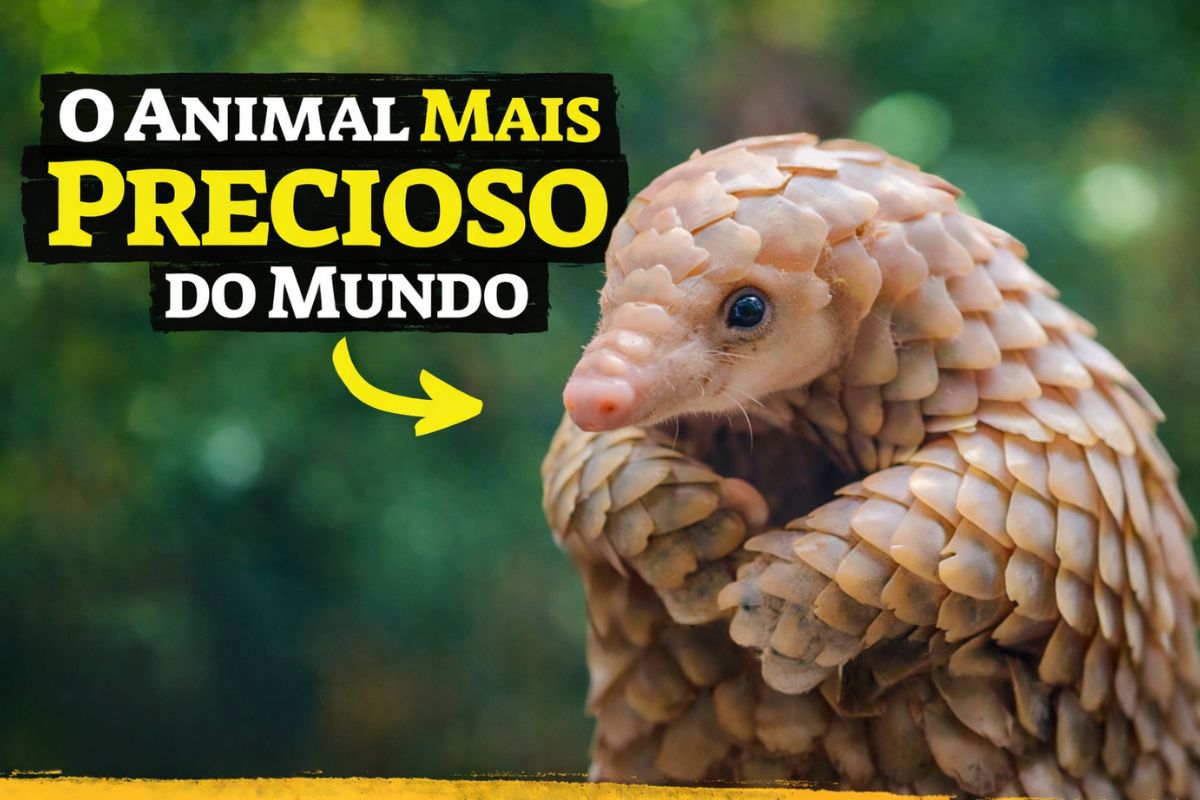
After Rescue At Cuc Phuong National Park, Eight Pangolins Travel Through Vietnam In Wooden Boxes To A Secret Location. The Team Faces 16 Hours Of Road And 7 Of Trail In The Dark To Throw Off Poachers. The Release Targets The Black Market That Sells Scales For US$ 3,000/Kg.
Eight pangolins leave the rescue center at Cuc Phuong National Park and travel through Vietnam in wooden boxes, heading to a secret location where the team hopes to keep them away from poachers and the black market.
The journey becomes a race against time: it involves 16 hours on the road and another 7 hours of trail in the dark, after months of quarantine and treatment. Before release, the animals need to show that they can find food, choose shelter and are healthy enough to survive on their own.
The Most Trafficked Mammal In The World Is Inside These Boxes

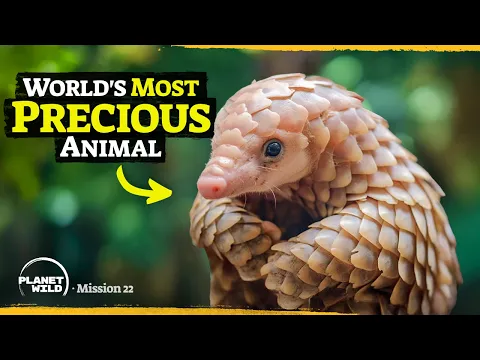
Inside each box is the most trafficked animal on the planet, the pangolin, described as strange and beautiful precisely because it seems “out of time.”
-
A bright yellow mushroom imported from Asia escaped from a cultivation farm in the United States in 2010 and is now aggressively spreading across 25 states, destroying entire communities of native fungi in American forests.

-
Buried under China, a colossal machine weighing 20,000 tons began operating as the largest neutrino detector on the planet and, in just 59 days, surpassed results that science took half a century to achieve.

-
Iran enters the center of a climate alert after the war emitted 5.6 million tons of CO2 in two weeks, surpassing the annual pollution of entire countries.

-
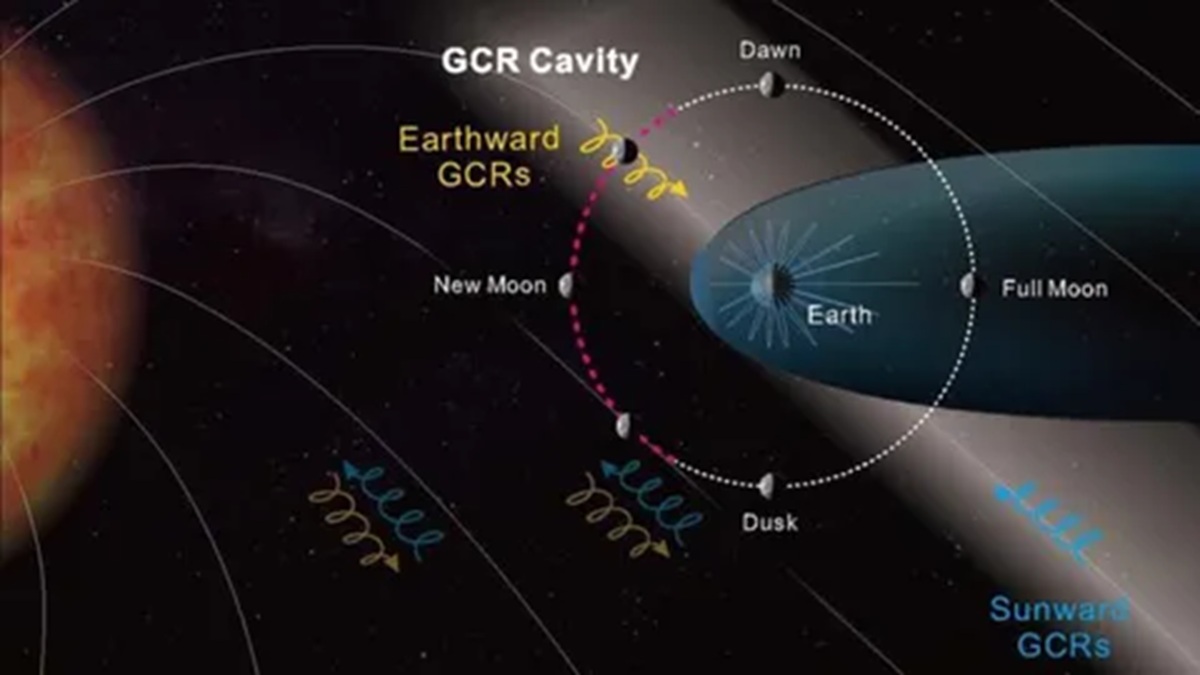
Lunar exploration may change after a Chinese probe finds a “cavity” of radiation that reduces the impact on astronauts by up to 20% at certain times on the Moon.

It has survived at least five global mass extinction events, including the one that wiped out the dinosaurs, and is thus treated as a living fossil, with a lineage that dates back about 80 million years.

Despite many people confusing it, it is neither an armadillo nor an anteater.
The pangolin is said to be more closely related to cats and occupies its own branch on the evolutionary tree for a unique reason: it is the only mammal fully covered in scales.
Why Poachers Can Catch A “Tank” Of Nature
The pangolin’s defense mechanism is perfect against large predators.
When attacked by tigers, leopards, or lions, it curls into a tight ball of keratin, like an armor.
The irony is cruel: this same reaction, which wards off predators in the wild, makes it easier for humans to capture them.
And the pressure doesn’t stop. As the mission advances through Vietnam, the narrative itself warns that at least two pangolins may fall victim to illegal hunting.
Therefore, the entire operation is designed to conclude at a secret location, away from poachers.
Cuc Phuong, The Rescue Center And The Team Trying To Turn The Tide

The journey begins at Cuc Phuong National Park, described as the first national park in Vietnam. It covers 220,000 hectares of protected area, with enormous flora and fauna diversity, and it is there that the rescue center operates in conjunction with Save Vietnam’s Wildlife.
Chien, who grew up near these forests, appears as the head of the caregivers.
The center’s job is to rescue pangolins from traffickers, keep the animals in quarantine and treatment for months, and only then prepare those who have a chance to return to the wild.
When a pangolin cannot be released, it still helps the team work with schools and communities, trying to change attitudes and reduce demand that fuels the black market.
The Black Market And The Price That Explains The Brutality Of Trafficking
The black market does not revolve around a single product. A kilogram of pangolin scales is said to be sold for US$ 3,000/kg.
Moreover, the meat appears as a delicacy, the skin turns into luxury leather, and the blood makes the list along with the so-called pangolin wine, made by cooking a young pangolin in rice wine, used as a folk remedy.
The demand is described as international, with the US and China mentioned among the largest markets for illegal trade.
In parallel, the report states that pangolins valued at over US$ 100,000 are illegally hunted every year and that there is no reliable estimate of how many still remain.
Eight Pangolins Only Go To The Secret Location After Passing Three Tests
Before the final journey to the secret location, eight pangolins need to “graduate” in a semi-wild area, presented as part of the jungle, with surroundings 99% wild. It is a springboard between captivity and freedom.
The evaluation route is straightforward and demanding: they need to demonstrate that they find food, that they find their own sleeping places, and that they are healthy enough to survive on their own.
To sharpen their instincts, the team provides live food.
This includes hunting ants that nest in the trees, and those who participate in the collection feel it firsthand: the ants bite.
The Journey That Tries To Outsmart Poachers
With the tests passed, the eight pangolins go into wooden boxes and begin the most sensitive phase: 16 hours on the road and a walk of approximately 7 hours, carrying the boxes, partly in complete darkness, on a trail in the dark.
The timing is strategic. Pangolins are nocturnal and feel more comfortable in the dark, which reduces stress.
At the same time, the path is described as treacherous, with narrow ledges and difficult terrain. Therefore, a local forest protection force joins the group to ensure safety in a remote area that is hard to access.
Even the weather interferes: rain makes everything slippery; too much heat stresses the animals. The choice of “ideal” window is part of the attempt to keep the route discreet, away from poachers and out of reach of the black market.
What Eight Pangolins Can Change When They Return To The Forest
The release happens at night and eight pangolins are freed in different locations, with silence and minimal human interference.
The hope is that, far from the black market and protected in a secret location, they will resume an ecological role too big for such an invisible animal.
The report highlights numbers that explain the impact: pangolins can eat up to 20,000 ants or termites per day.
Without them, populations of these insects can explode, destroying forests and reducing habitat for countless organisms.
In your opinion, is hiding the secret location and hiking in the dark the only way to protect eight pangolins from poachers and the black market?







-

Uma pessoa reagiu a isso.