





 English
  Francês
  Alemão
  Italiano
  Japonês
  Norueguês
  Portuguese
  Spanish
  3 min of reading


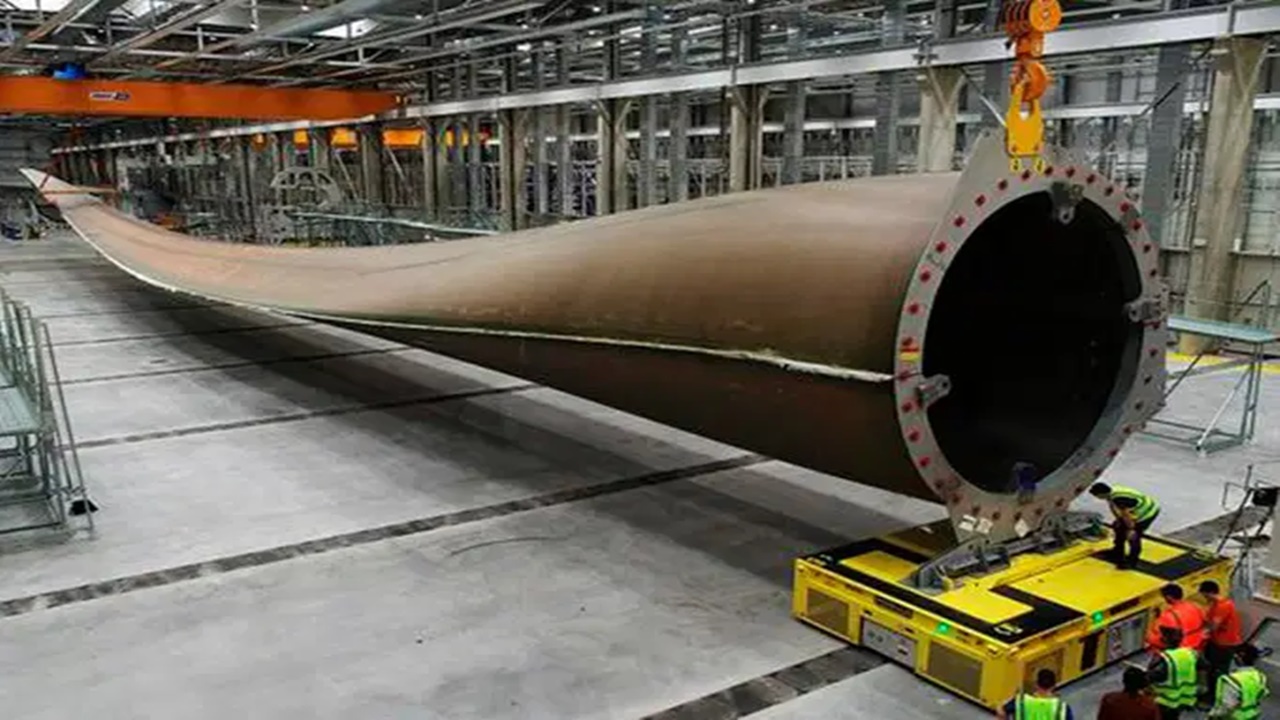
Wind Energy: The World’s Largest Offshore Wind Farm Developer Commits to Recycling Large Wind Turbine Blades
Orsted, the world’s largest offshore wind farm developer, said last Thursday, June 3, that it has a clear responsibility to the environment and will recover, reuse, or recycle all turbine blades from its global portfolio of wind farms as soon as they are decommissioned.
Read Also
- General Electric Unveils Giant Floating Turbine That Promises to Revolutionize Wind Energy Implementation Worldwide
- WEG, One of the Largest Manufacturers of Electrical Equipment in the World, Surpassed Profit and Revenue Consensus and Reports Guaranteed Sales of Wind Turbines Until the End of 2022
- Job Openings to Work at Moura Batteries Factories, the Leader in Manufacturing Automotive, Nautical, Logistics, and Telecommunications Electric Accumulators
- 60% of Brazil’s Natural Gas Returns to Offshore Fields Due to Lack of Infrastructure, and Thermoelectric Plants Pay in Dollars for the Input, Electricity Bills Surge, and It Is Brazilians Who “Pay the Bill”
The question of what to do with wind turbine blades when they are no longer needed is a headache for the industry. This is because the composite materials of the blades are difficult to recycle, and Orsted noted that most blades, once decommissioned, end up in landfills.
As governments around the world strive to increase their renewable energy capacity, the number of wind turbines will certainly increase.
-
With 160,000 m² of collectors, an area larger than 20 football fields, Silkeborg, in Denmark, hosts a solar thermal plant that heats 19,500 homes and could become the largest solar heating plant in the world.

-
A study reveals the expansion of renewable energy procurement in Brazil and shows how companies are taking advantage of opportunities to reduce expenses, ensure energy efficiency, and strengthen strategic environmental commitments.

-
Mato Grosso do Sul excels in the sugar-energy sector: the state reaches a milestone of 22 operating mills and accelerates the production of clean energy in MS with a focus on sustainability.

-
National energy dilemma: Brazilians support clean energy but reject increases in tariff costs to finance the sustainable transition.
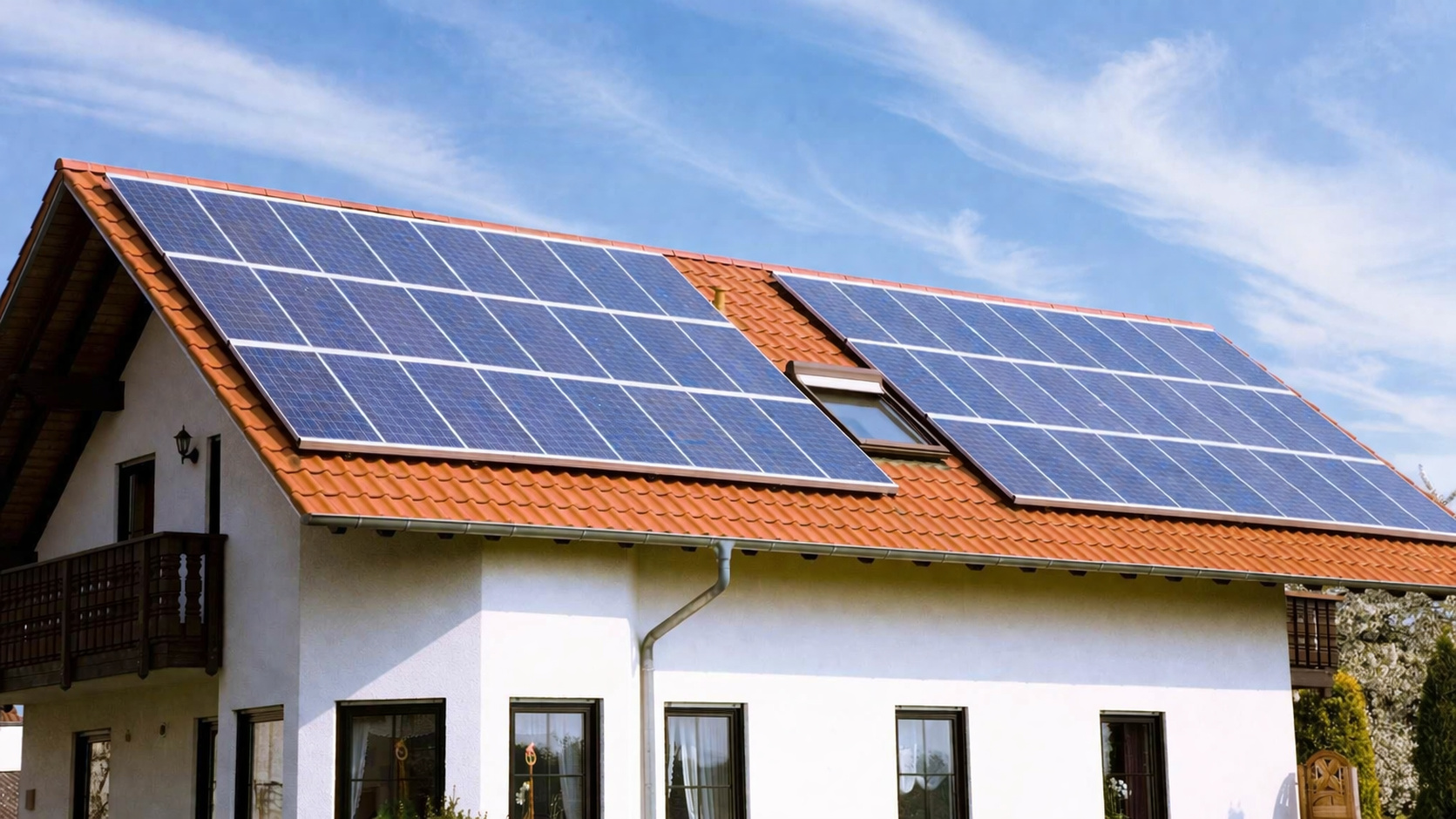

The European Commission, the executive arm of the EU, stated that it wants capacity to reach at least 50 gigawatts by 2030 and 300 GW by mid-century.
The United Kingdom, in turn, wants its offshore wind capacity to reach 40 GW by 2030. Meanwhile, the United States is also looking to significantly increase its offshore wind capacity this decade.
Given this, the issue of what to do with the turbine blades will become even more urgent in the future. For its part, Orsted explained that it will temporarily store the wind blades that are out of service in case it finds a solution to recycle them.
Recycling Wind Turbine Blades: An Increasingly Important Issue
The fate of turbine blades, once decommissioned, has become a significant challenge for the industry. Several large companies involved in the sector have been trying to find solutions to the problem in recent years.
For example, in January 2020, wind energy giant Vestas stated that its goal was to produce “zero waste” wind turbines by 2040.
For its part, GE Renewable Energy and Veolia North America signed a multi-year agreement last December to recycle blades extracted from onshore wind turbines in the United States.
More recently, it was announced that a collaboration between academia and industry would focus on recycling fiberglass products, a move that could eventually help reduce the waste produced by wind turbine blades.
Wind farm owners also want to have a plan for what to do with their products when they reach the end of their useful life.
Orsted, Vestas, LM Wind Power, and GE Renewable Energy are part of the DecomBlades consortium, an initiative focused on recycling blades.
Big Business
When a wind blade ends up in a landfill or is incinerated, it is a waste of resources, and opportunities are also being lost. There is a large market to solve the end-of-life challenge for wind turbine blades, and the market will be significantly larger in the coming years.
Currently, only a small portion of the world’s composites are recycled, which is particularly true in the wind turbine industry.
There are factories that deal with the recycling of composite materials, but many more are needed to handle today’s quantities and what we will see in the future.
This would solve the current dilemma regarding the recycling of wind turbine blades, but it would also address much larger challenges for other industries and has the potential to become a big business.
Industrialized decommissioning, in which we can consider all aspects, is a business with enormous potential, but it requires collaboration and the willingness of the entire sector.







Seja o primeiro a reagir!