





 Português
  Inglês
  Espanhol
  4 min de leitura
  21 comentários


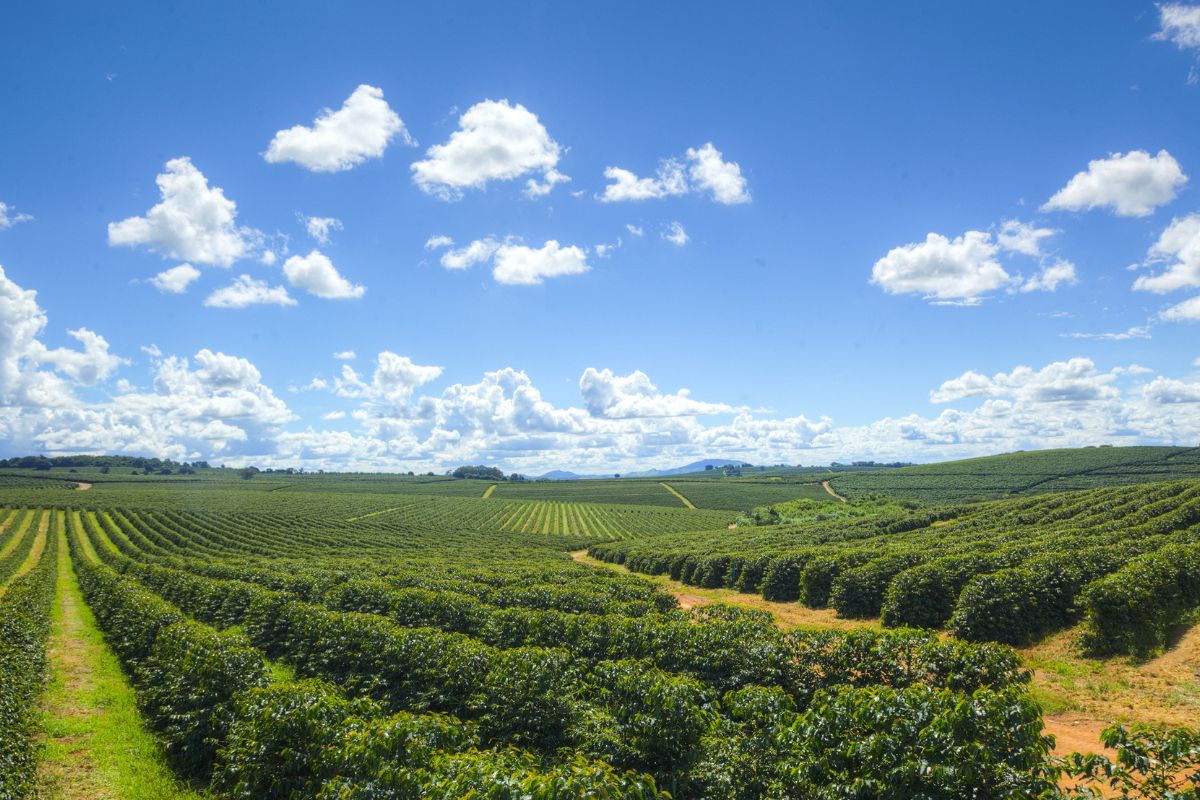


We Analyzed Ipanema Coffees, A Giant in Brazilian Coffee Production. Is It the Largest Coffee Farm in the World? Understand the Scale, Structure, and Complexity Behind This Coveted Title.
The search for the largest coffee farm in the world sparks great curiosity and admiration. Brazil, the world’s undisputed leader in coffee production, naturally hosts monumental scale operations. Among these giants, Ipanema Coffees stands out as a reference in national coffee production.
This article investigates Ipanema Coffees. We will analyze its structure, productive area, and production volume. We will also discuss the complexity in defining which is, in fact, the largest coffee farm in the world.
Brazil in Charge: World Leader in Coffee Production
For over 150 years, Brazil has held the title of the largest producer and exporter of coffee in the world. The country accounts for approximately one-third of global production. This leadership is the result of vast arable areas, favorable climatic conditions in regions such as Minas Gerais and São Paulo, and a long history of cultivation and technological development in coffee production. This scenario fosters the emergence of large-scale coffee operations.
-
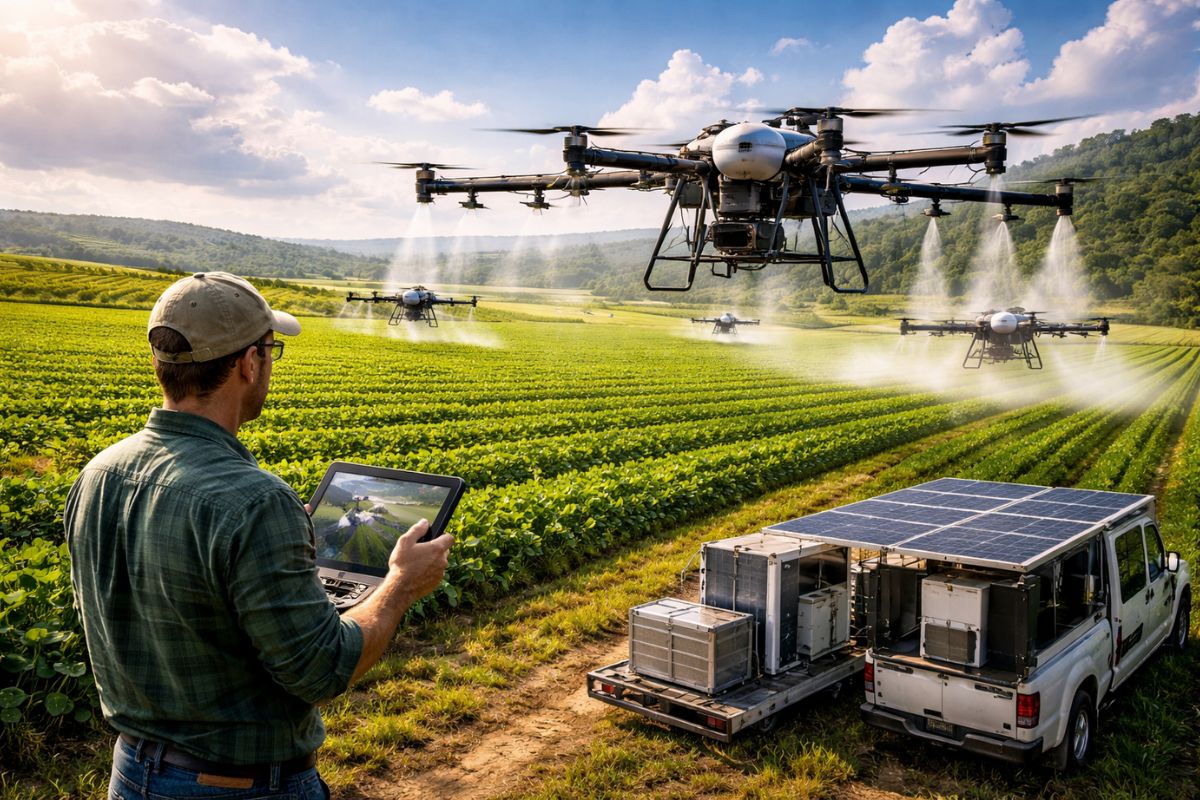
Alone, the producer applies 7,400 hectares with the T100 drone in an optimized structure, replaces the generator with a silent battery, and demonstrates how technology reduces costs, increases productivity, and even challenges the uniport in the field.
-
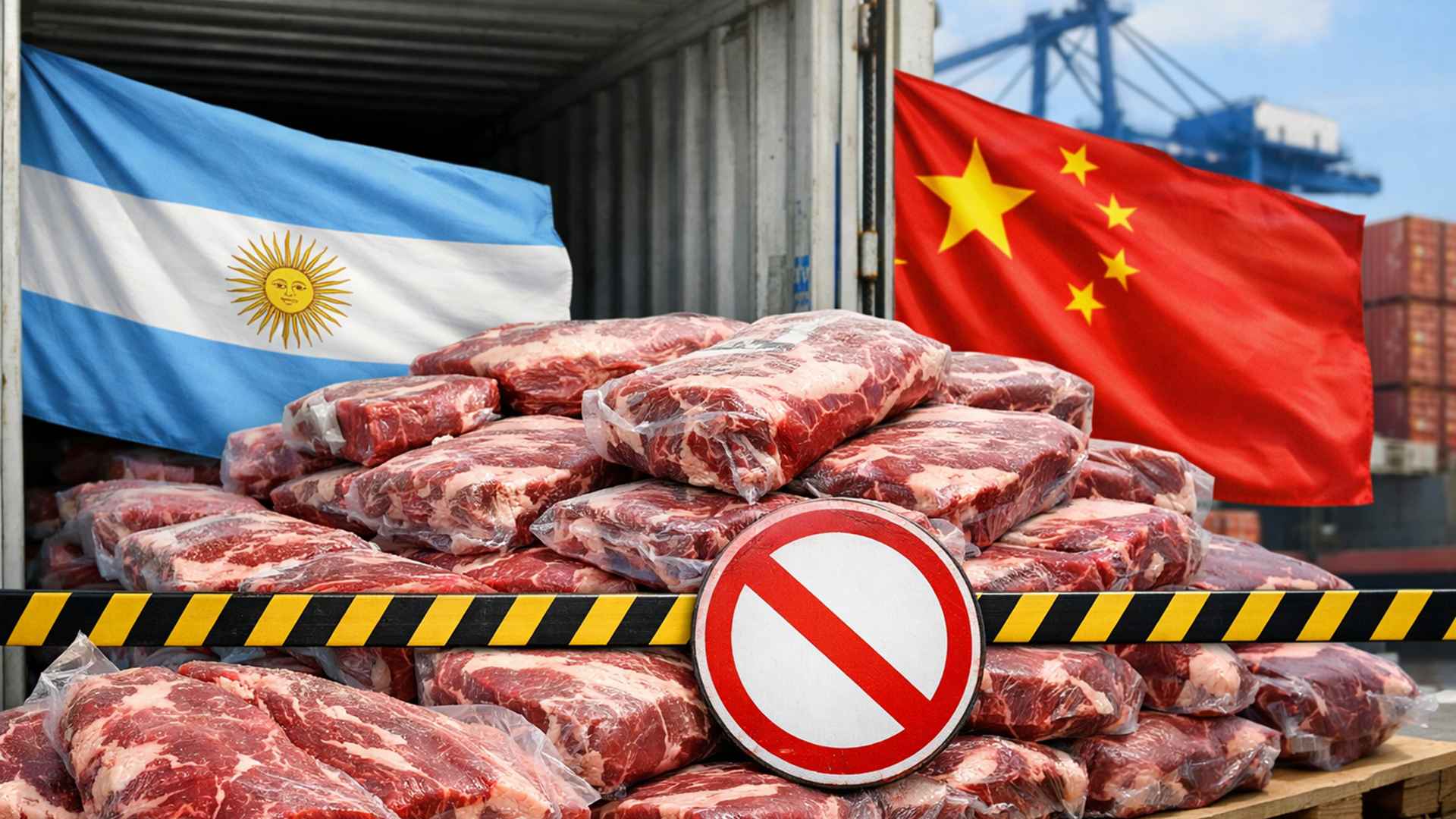
China banned the export of 22 tons of meat from Argentina.
-
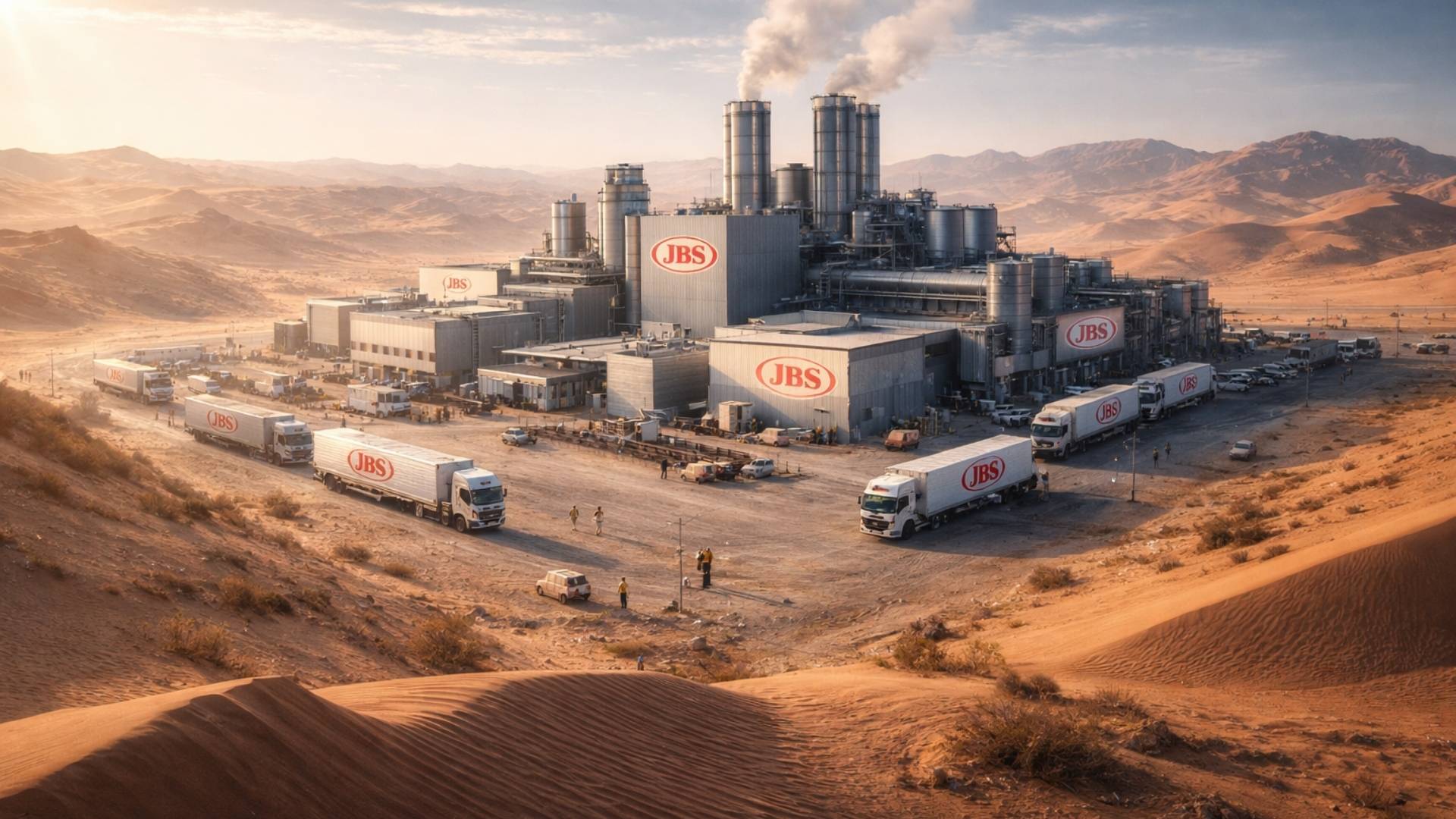
JBS, founded by the Batista brothers, continues to conquer the world: entrepreneurs built a ‘factory in the desert’ creating 3,000 jobs.
-
With only 1% of Brazil’s territory, Santa Catarina has built one of the most competitive industrial parks in the country, with 64,000 companies, nearly 1 million jobs, and a growth rate of 5.3% while the national industry is practically stagnant.

What Defines the “Largest Coffee Farm”? Metrics and Challenges in Comparison
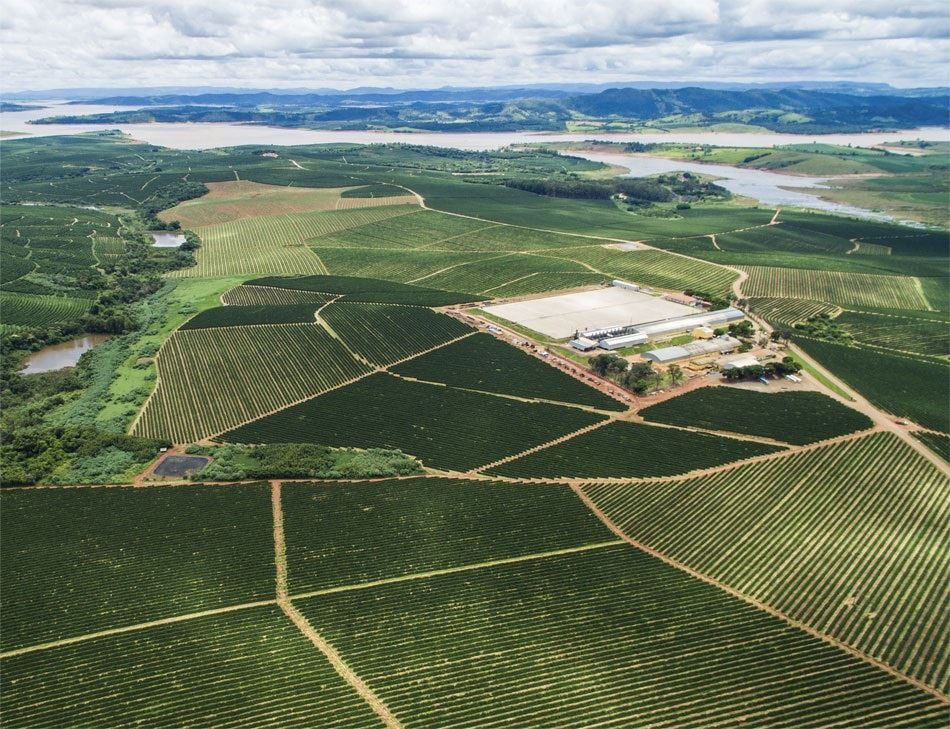
Designating the “largest coffee farm in the world” is a complex task. The complexity lies in which metric to use: total area of the property, area effectively cultivated with coffee, annual production volume, or the number of coffee trees? Another crucial point is the definition of “farm”: is it a single contiguous geographic property or a consolidated agricultural company operating multiple properties?
Additionally, obtaining consistent and comparable global data for individual farms is a challenge. Most statistics are aggregated at national levels, making universal verification of such claims difficult.
Ipanema Coffees: Profile of a Giant in Brazilian Coffee Production
Ipanema Coffees was founded in 1969, but some of its properties have an even older legacy, such as Fazenda Rio Verde, established in 1887. The company operates as a group of multiple farms, strategically located in the renowned coffee-producing region of Sul de Minas Gerais, near Alfenas and Conceição do Rio Verde. Recently, Ipanema Coffees has focused on the growing specialty coffee market, investing in quality and microlot programs, such as “Ipanema Grand Cru.”
The Scale of Ipanema Coffees: Numbers That Impress on the Global Stage
The scale of Ipanema Coffees is of global relevance. Industry sources mention a total productive area of coffee consolidated under its management of approximately 5,500 hectares. The company’s annual production hovers around 7,000 tons of coffee, which is equivalent to about 116,000 to 122,000 60kg bags – a volume that surpasses the total production of some coffee-producing countries.
Within the group, large farms stand out. Fazenda da Conquista, for example, has 3,500 hectares planted with 15 million coffee trees. The historic Fazenda Rio Verde has a total area of 1,500 hectares. Ipanema Coffees cultivates various Arábica coffee varieties and uses modern management techniques, including irrigation and different processing methods to optimize quality.
Quality and Sustainability as Differentiators of Ipanema Coffees
Beyond scale, Ipanema Coffees demonstrates a strong commitment to quality and sustainability. Terroir management is taken seriously, especially at Fazenda Rio Verde, which is divided into 69 distinct terroirs for the production of specialty coffees and microlots with unique flavor profiles.
The commitment to responsible agricultural practices is evidenced by various internationally renowned certifications, such as Rainforest Alliance, UTZ Certified, FairTrade, and CSC (Caffè Speciali Certificati). The company also maintains extensive areas of environmental preservation on its properties. Fazenda Rio Verde, for example, has 900 hectares of protected native forests and 52 cataloged springs.
So, Is Ipanema Coffees the Largest Coffee Farm in the World?
Ipanema Coffees, with its 5,500 hectares of productive coffee area and an annual production of approximately 7,000 tons, certainly operates on a globally significant scale. However, it is crucial to understand that Ipanema Coffees is one of the largest coffee-producing companies in the world, managing a set of large farms, and not a single contiguous coffee property with the total area mentioned.
Naming a single “largest coffee farm in the world” is challenging. The ambiguity in defining the term “farm” (single property vs. consolidated company) and the lack of standardized global data make a categorical statement difficult.
The Meaning of Scale: Ipanema Coffees as a Benchmark in Agribusiness

Ipanema Coffees serves as a notable example of the operational capabilities and scale that can be achieved in the coffee industry, especially in Brazil. More important than holding the title of “largest,” its business model illustrates the complex integration of advanced agronomy, technology adoption, sophisticated supply chain management, and an increasing focus on large-scale social and environmental responsibility. The structure of a group of farms can even provide greater resilience and specialization.









E o café mais caro do mundo, diga-se de passagem.
O Brasil não é pra qualquer um, tem que ter muita resiliência. Produzimos o melhor mas consumimos o pior com preços acima do melhor.
Lamentável que esse povo ame tanto o sofrimento assim.
Bom ,ser produtor em um país que o governo só visa fama política , turismo lá fora , mentir ao povo menos favorecido , impostos em cima de impostos, injustiça etc . Se estás fazendas fosse em países mais sérios . ,os produtores seriam 3 vezes mais ricos .