





 Portuguese
  English
  Spanish
  3 min of reading
  0 comments


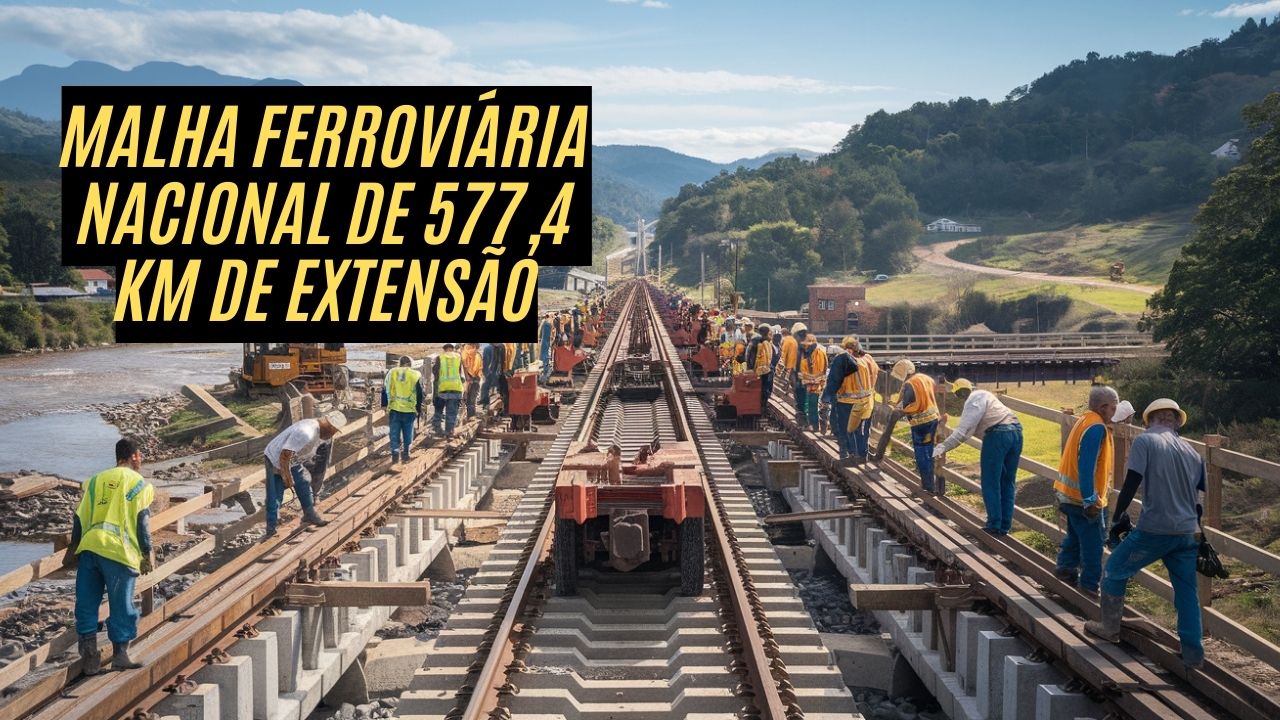
The Railway 118 Stands Out as a Landmark in the Country’s Transportation and Infrastructure, with Strategic Connections and Significant Economic Impact
Brazil, a country with a vast territory, still faces challenges in developing its railway network. With an infrastructure of only about 30,000 km of railways — a low number compared to countries with similar areas — “railway construction in Brazil” is a growing demand.
In this context arises the audacious “Railway 118,” a project that promises to transform logistics and boost economic growth in strategic regions.
The railway construction in Brazil has been proving essential for sustainability and logistical efficiency. The Railway 118 aims to connect the Port of Açu in Rio de Janeiro to a national railway network spanning 577.4 km in length.
-
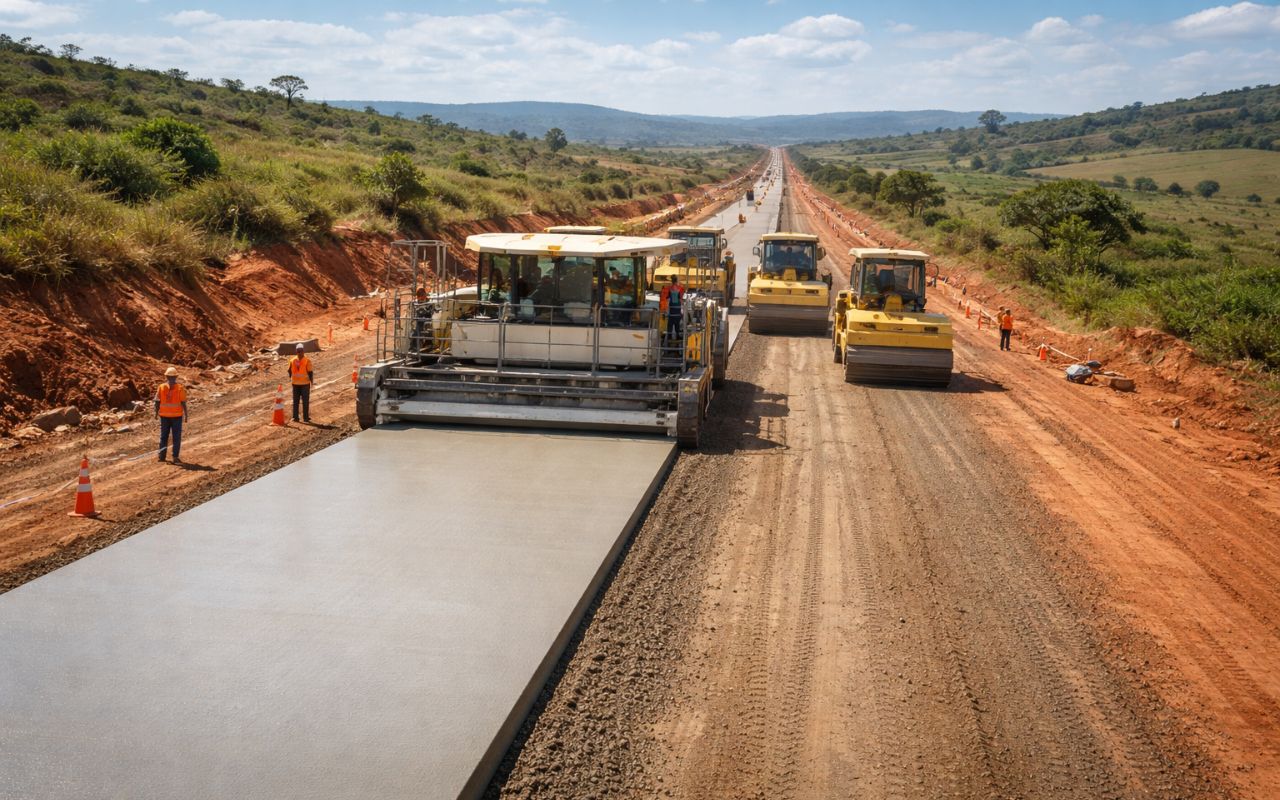
New CCR concrete paving technology promises roads up to 3x more durable, less maintenance, and cost reduction in Brazil.
-
Made from recycled plastic, plastic wood is gaining space in the construction industry because it does not rot, resists moisture, and reduces maintenance costs over the years.

-
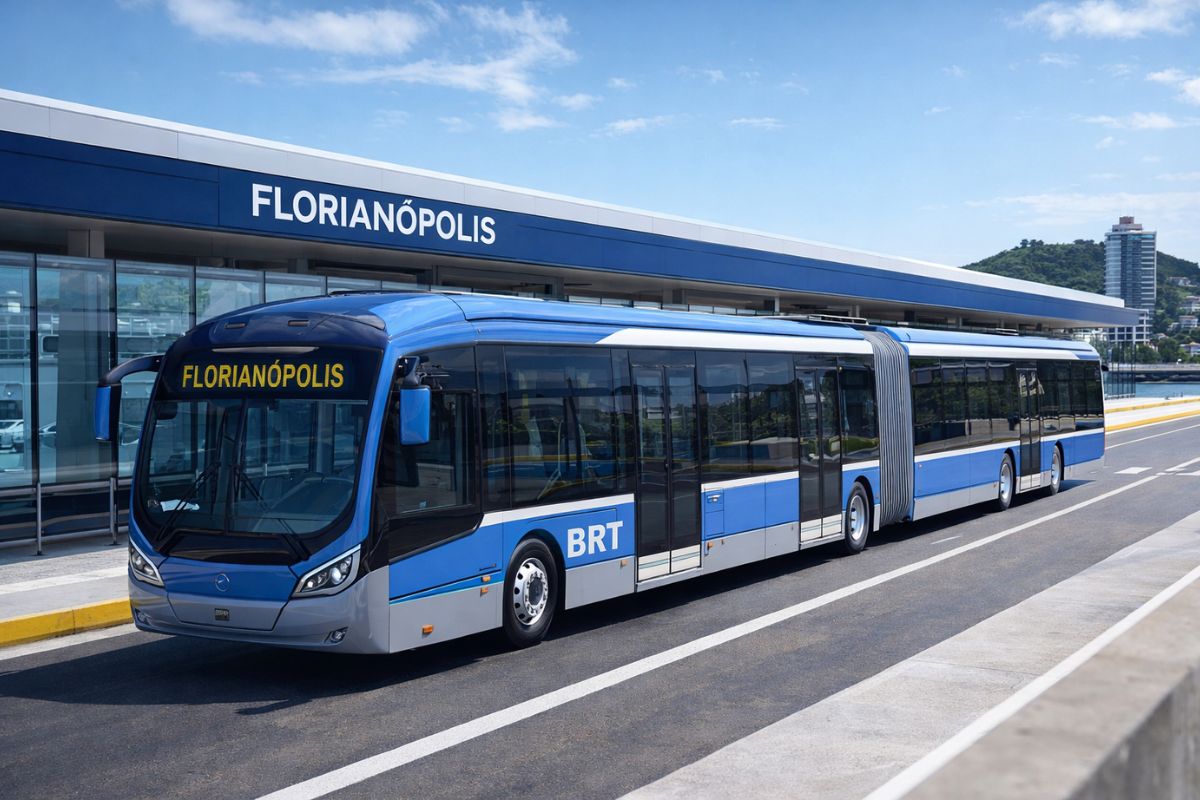
Florianópolis will receive a million-dollar BRT that will begin construction in 2026 with nearly 400 million in funding from the federal government and the Inter-American Development Bank, and the map already shows the routes for the exclusive bus corridors.
-
Without a blueprint, without an engineer, and using scrap from the dump, a father spends 15 years building an 18-room castle for his daughter, featuring tram tracks, 13 fireplaces, and over 700 m², which may now be demolished.

In addition to its importance as a new transportation corridor, the project will include state-of-the-art infrastructure, such as tunnels, viaducts, bridges, walkways, and underpasses, aiming to reduce environmental impact and meet the growing needs for product flow.
Economic and Social Impact
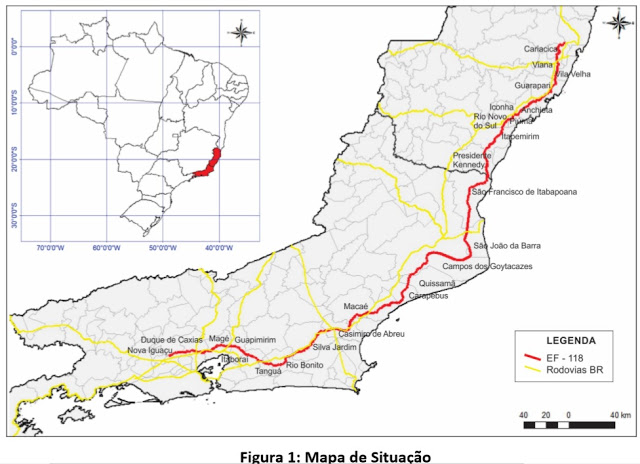
The construction of Railway 118 is expected to have a direct impact on the Gross Domestic Product (GDP) of the region, adding R$ 2.5 billion to the local economy, in addition to creating 68,000 direct and indirect jobs in the municipalities involved.
In fiscal terms, an estimated collection of about R$ 457 million in state and federal taxes is expected along the route, which will cross 25 municipalities.
These figures highlight the relevance of this new railway construction in Brazil, consolidating it as a crucial tool for sustainable development and the integration of important economic regions.
Strategic Connections and State-of-the-Art Infrastructure
The Railway 118 will be integrated with the railway network of MRS Logística in Nova Iguaçu, RJ, and the Vitória to Minas Railway, managed by Vale in Cariacica, ES.
These connections will facilitate the transportation of goods between the southwest and other parts of the country. Among the connection points are important port terminals, such as the Port of Ubu and Anchieta in Espírito Santo and the Central Port in Presidente Kennedy.
In Rio de Janeiro, the railway will connect to the Port of Açu and the Industrial District of São João da Barra, consolidating a new logistics corridor.
This railway construction project in Brazil also considers the use of advanced engineering techniques, such as TBM tunneling machines, which are already widely used in other countries for complex underground construction, and the balanced cantilever method for viaducts and bridges, ensuring durability and structural safety.
Historical Significance and the Need for Modernization
The Railway 118 project is an attempt to revive the national railway infrastructure, which was once one of the largest in Latin America.
However, Brazil’s railway network has declined in recent decades, with segments decommissioned and lacking maintenance, especially in the state of Rio de Janeiro.
Today, railway construction in Brazil aims to reclaim this development, focusing on logistical improvements and meeting the export demands of the Port of Açu, one of the country’s largest export centers.
The first railway line in Brazil, the Mauá Railway, was inaugurated in 1854 in Rio de Janeiro, symbolizing national railway pioneering. Therefore, Railway 118 emerges as an extension of this legacy, updating the country’s railway sector with innovations and new sustainability standards.
Comparisons with International Megaprojects
Although smaller than other railway megaprojects, such as the Trans-Siberian, with its more than 9,000 km in length, or the North South Railway, which crosses Saudi Arabia from north to south, Railway 118 aims to achieve similar goals: to increase transportation efficiency and promote economic growth. Its importance, despite being regional, places Brazil at a new level of logistical infrastructure development.
Perspectives for the Future of Railway Construction in Brazil
The implementation of Railway 118 reinforces Brazil’s transportation infrastructure and promotes balanced and sustainable development.
With a positive impact on logistics, the economy, and the environment, this project symbolizes an advance in railway construction in Brazil and can serve as a reference for future infrastructure initiatives.
We now await the realization of this project and the delivery of all the predicted benefits, placing Brazil in a prominent position in Latin America and, in the future, in the world.









Seja o primeiro a reagir!