





 English
  Francês
  Alemão
  Italiano
  Japonês
  Norueguês
  Portuguese
  Spanish
  3 min of reading
  0 comments


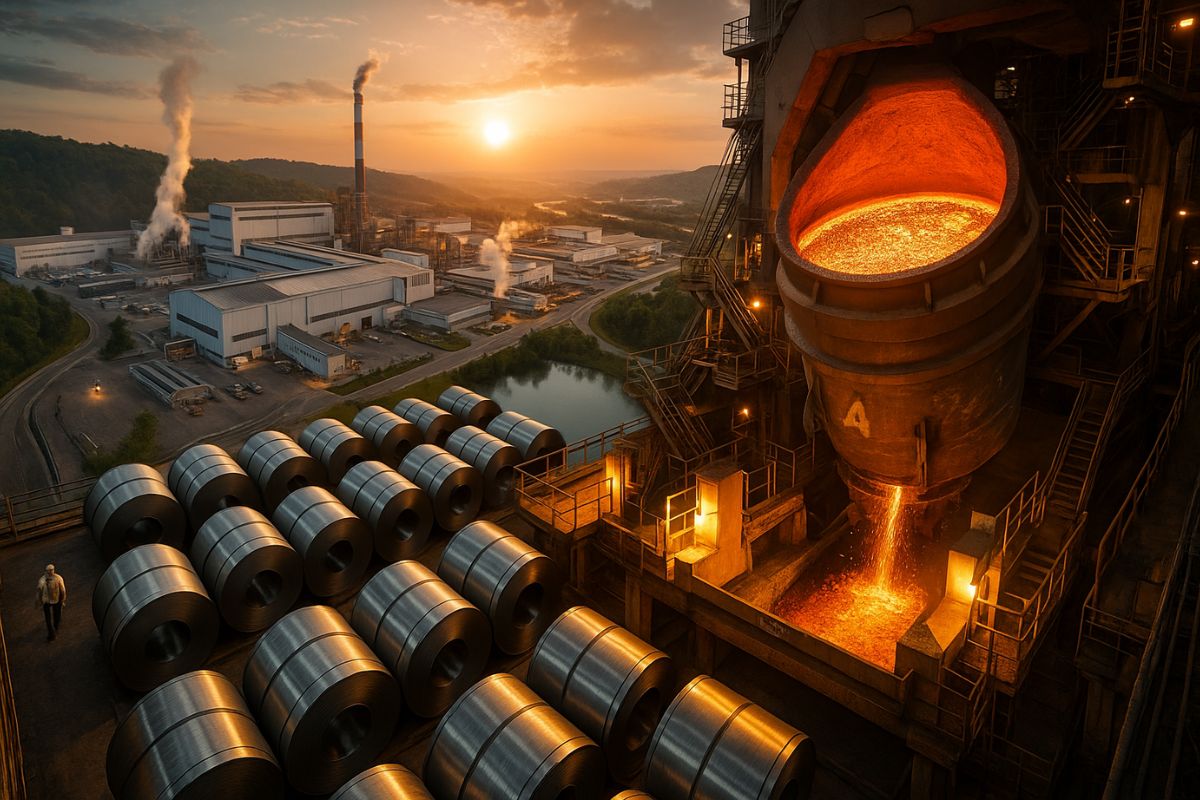
The Acquisition of the Pecém Steel Mill Consolidated ArcelorMittal as the Largest Steel Company in Brazil, but the Company, Like Its Rivals, Faces a Battle Against the “Avalanche” of Imported Steel That Affected the Profits of the Sector.
The steel sector in Brazil is undergoing a profound transformation. On one side, strategic acquisition movements have redefined the competitive landscape, consolidating ArcelorMittal as the largest steel company in Brazil. On the other, a crisis caused by a record wave of imports has pressured profits across all companies and forced a government reaction.
The recent history of Brazilian steelmaking is one of trade war, reorganization of giants, and a new, billion-dollar race for sustainability. At the center of it all, ArcelorMittal stands out, not only for its size but for a strategic bet on the future of “green steel”.
The Consolidation of the Largest Steel Company in Brazil: The Acquisition of the Pecém Steel Mill
ArcelorMittal cemented its market leadership with a bold move. In March 2023, the company completed the acquisition of Companhia Siderúrgica do Pecém (CSP), in Ceará, in a deal worth US$ 2.2 billion.
-
Recent Studies on Ancient Metallurgy Reveal That Various Tools Made Over Three Thousand Years Ago Used Iron from Rare Material That Fell from the Sky Long Before Humanity Mastered Iron Production

-
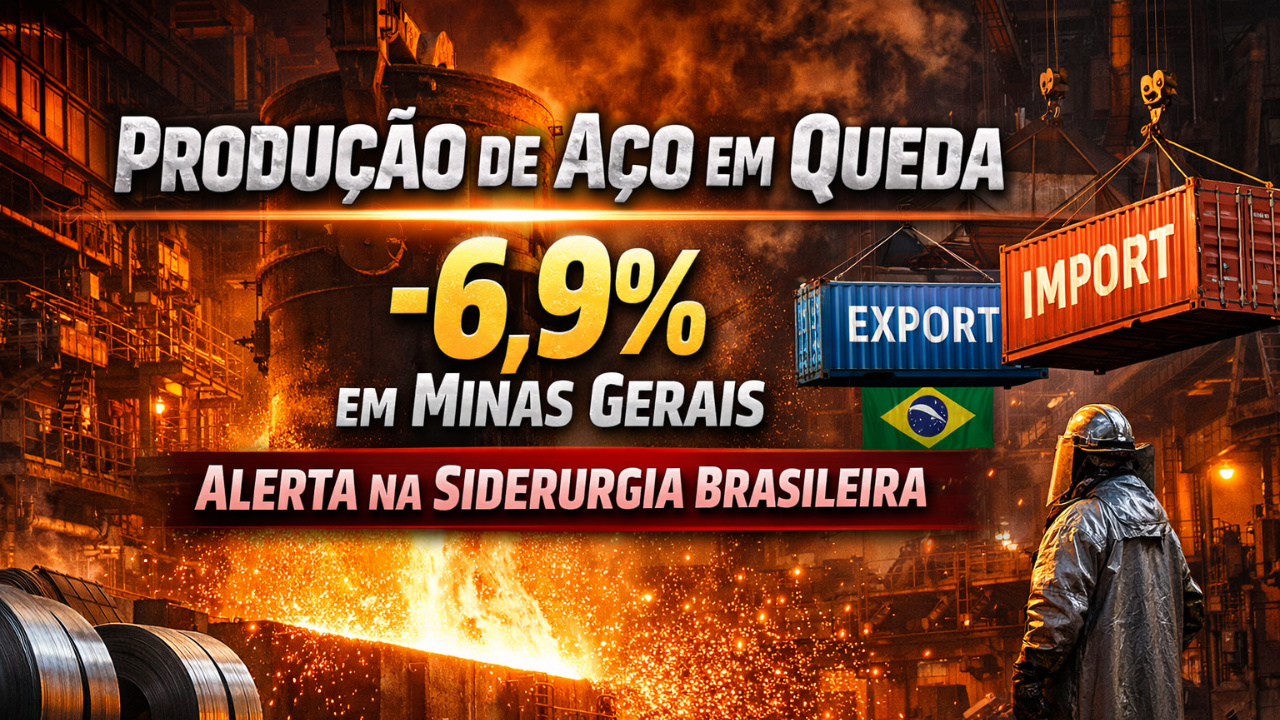
Steel Production Falls 6.9% in Minas Gerais, Raising Alert in Brazilian Steel Industry
-
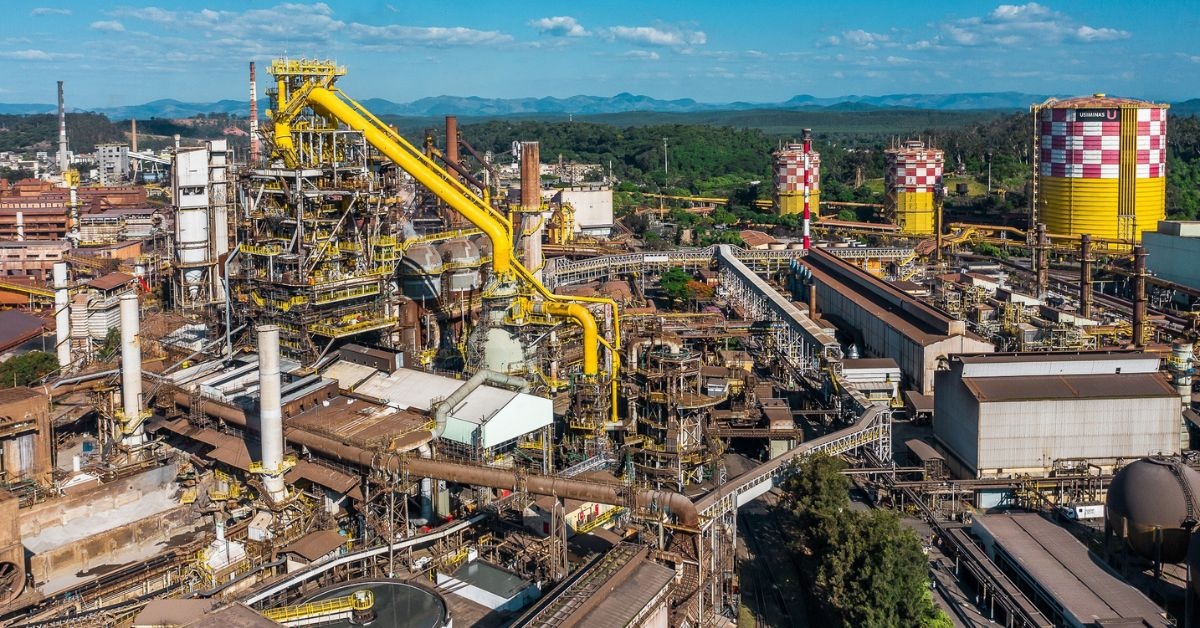
Brazilian Steel Industry Grows in Third Quarter of 2025, Maintains Margins, Reduces Costs, and Faces Imported Steel Surge Amid Commercial Uncertainties
-
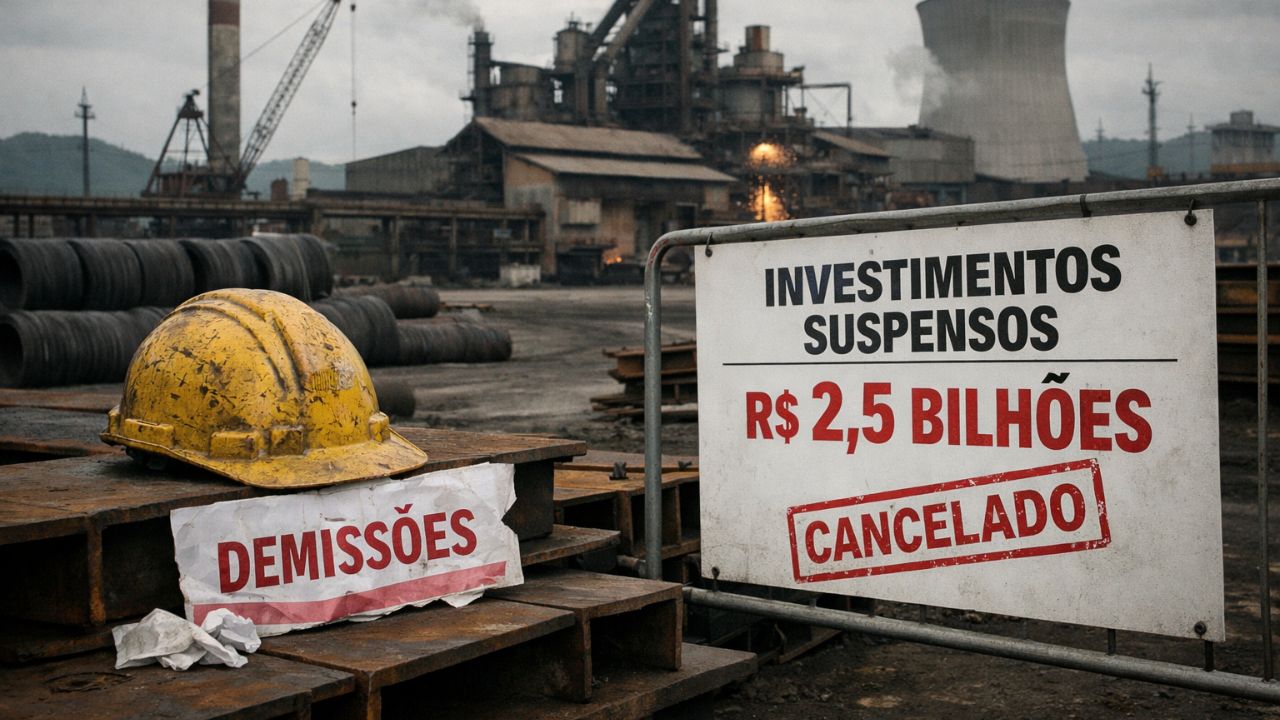
Brazil’s Steel Industry Records Cut of 5,100 Jobs and Suspension of R$ 2.5 Billion in Investments
The acquisition, which was previously a joint venture between Vale, South Korean Dongkuk, and Posco, added 3 million tons to ArcelorMittal’s capacity, elevating its total potential to 15.5 million tons per year. The numbers from 2024 confirmed the leadership: the company produced 15.3 million tons of crude steel in its Brazilian operations.
The Reorganization of the Market: The Response of Competitors
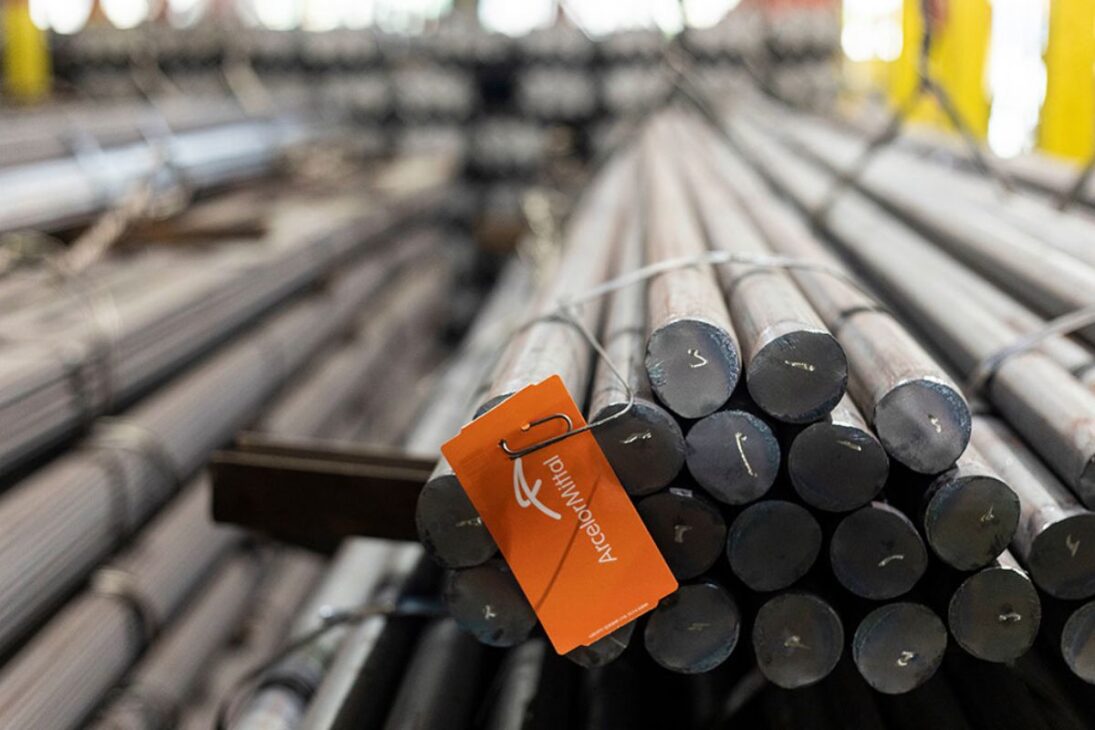
The expansion of ArcelorMittal, the largest steel company in Brazil, triggered a chain reaction. Ternium, another giant in the sector, executed its own strategic move. In July 2023, the company took control of Usiminas, creating a new and formidable force in the flat steel market.
Companhia Siderúrgica Nacional (CSN), in turn, responded to the challenges with an ambitious modernization plan. The company announced an investment program of R$ 7.9 billion by 2028 to revitalize its main plant in Volta Redonda (RJ) and increase its production capacity.
The “Avalanche” of Chinese Steel: The Import Crisis in 2024
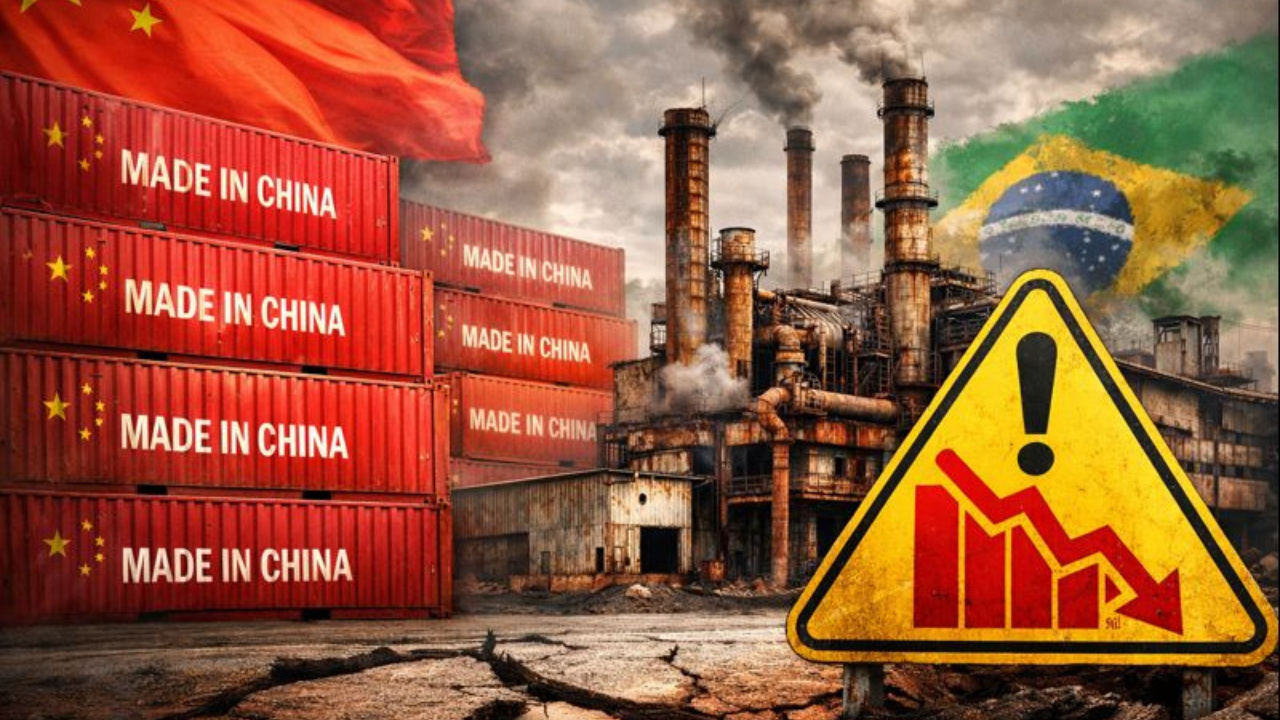
Despite the strength of the companies, the sector faced a severe crisis in 2023 and 2024. The reason was an “avalanche” of imported steel, mainly from China, which flooded the Brazilian market. In 2024, imports reached a record 5.9 million tons.
This massive volume drove prices down in the domestic market and created a paradox: even while producing and selling more, steelmakers saw their revenues and profits plummet. The profit of ArcelorMittal, for example, fell nearly 40% in 2024, even with an increase in production.
Government Protection and the Promise of Investments
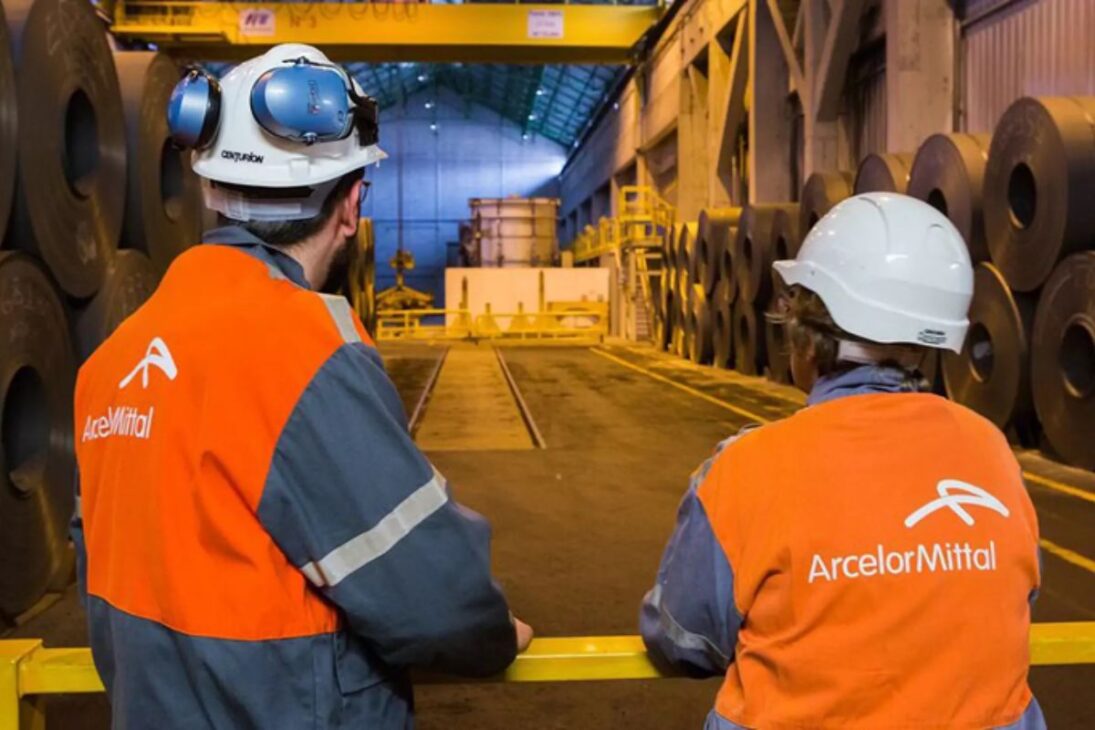
In the face of the crisis, the industry, represented by the Instituto Aço Brasil, mobilized. In response, in mid-2024, the Brazilian government acted. Import quotas were established for 11 types of steel products, with a 25% tariff applied to anything exceeding those limits.
Shortly after the protective measure, the industry announced an investment plan of R$ 100.2 billion by 2028. The goal is clear: to use commercial protection to invest in modernization, competitiveness, and, most importantly, decarbonization.
The Future of Steel: The Race for Green Steel
Sustainability has become the new frontier of competition. The largest steel company in Brazil, ArcelorMittal, is already leading this movement. The company is betting on Ceará’s potential to become a hub for green hydrogen.
The plan is to use this new source of clean energy to decarbonize production at the Pecém plant, creating “green steel” with high added value. This strategy, which is also being followed by its competitors, will determine the sector’s leadership in the coming decades.









-

Uma pessoa reagiu a isso.