





 Portuguese
  English
  Spanish
  3 min of reading
  0 comments


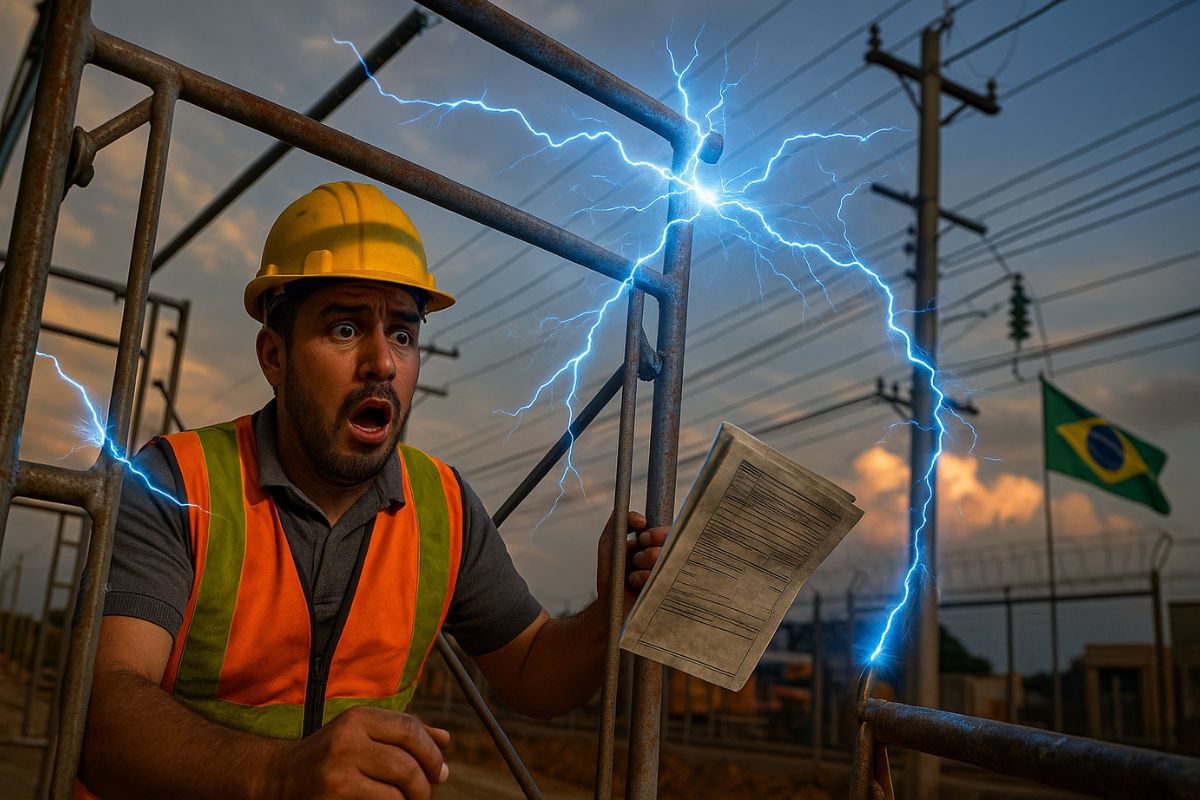
Constructions Within 2.5 Meters of the Power Line Increase Risk of Fatal Shocks and Fires; Enel Warns in Rio de Janeiro
The majority of electrical accidents in construction and renovation do not occur from direct contact with wires, but from the simple proximity of ladders, rebar, antennas, or metal scaffolding to within 2.5 meters of the power line. This warning was issued in a report published by the newspaper EXTRA, which consulted experts and the utility company Enel Rio.
This type of accident is more common in areas of urban growth where constructions encroach upon the energy network without proper planning. In these situations, electrical induction can turn metal structures into conductors, causing severe shocks, burns, fires, and even fatalities.
Who Suffers Most From Electrical Accidents
According to Enel Rio, the municipalities of Niterói, São Gonçalo, Angra dos Reis, and cities in the Lakes Region are among those that register the most occurrences.
-
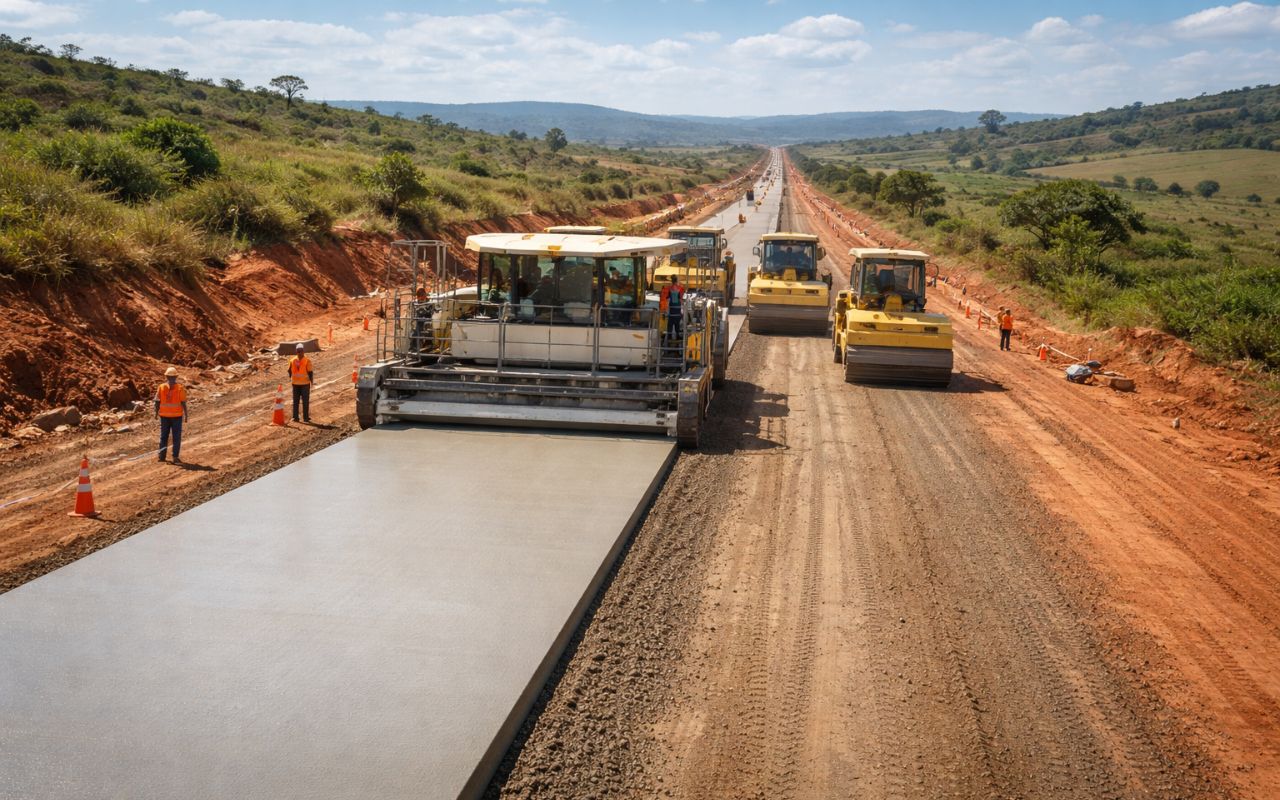
New CCR concrete paving technology promises roads up to 3x more durable, less maintenance, and cost reduction in Brazil.
-
Made from recycled plastic, plastic wood is gaining space in the construction industry because it does not rot, resists moisture, and reduces maintenance costs over the years.

-
Florianópolis will receive a million-dollar BRT that will begin construction in 2026 with nearly 400 million in funding from the federal government and the Inter-American Development Bank, and the map already shows the routes for the exclusive bus corridors.

-
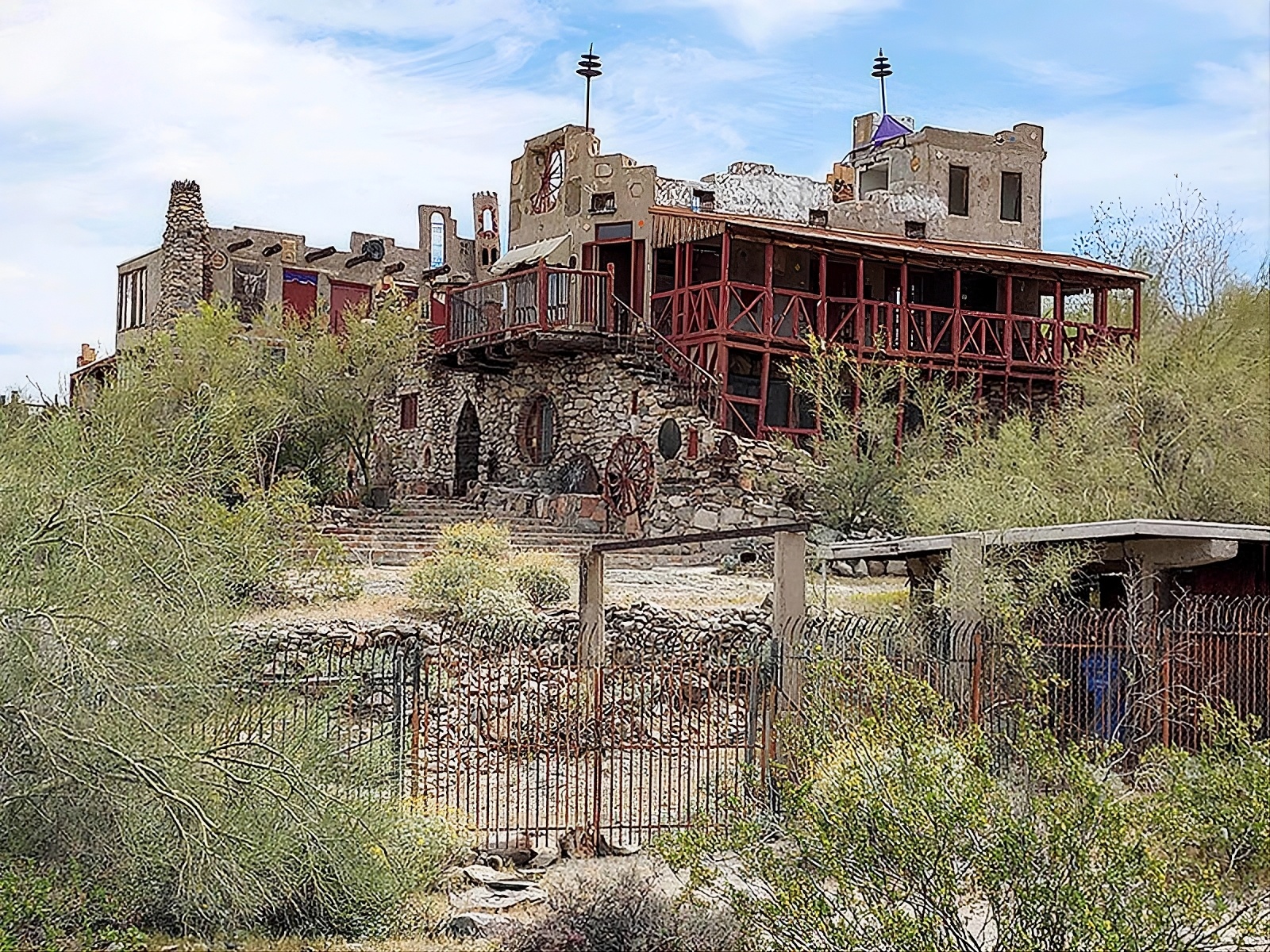
Without a blueprint, without an engineer, and using scrap from the dump, a father spends 15 years building an 18-room castle for his daughter, featuring tram tracks, 13 fireplaces, and over 700 m², which may now be demolished.

The precariousness of constructions, often built in irregular areas, increases the risk because there is no minimum safety distance in relation to low and medium voltage cables.
Experts warn that, in addition to fatalities, electrical accidents also cause considerable material damage, as a short circuit can lead to large-scale fires, affecting not only the irregular construction but also neighboring residences.
How Much Distance Is Mandatory to Maintain
The technical rule is clear: every construction must maintain at least 2.5 meters of distance from the power line.
Any work below this limit is considered irregular and exposes workers and residents to a permanent risk of high voltage shock.
In outdoor activities, such as antenna installation, facade painting, or roof replacement, the recommendation is to inform the utility company in advance, which can schedule outages to prevent accidents.
The use of poles as support for ladders and scaffolding is prohibited by safety regulations.
Where Caution Must Be Increased
Within residences, prevention also requires attention.
The report from EXTRA emphasizes that any service should begin with turning off the main switch to avoid unexpected shocks.
Changing wiring or installing new outlets should be done only by qualified electricians, who ensure compliance with technical standards.
Improvisations with extensions, adapters, or exposed wires are among the leading causes of house fires.
Overloading outlets, using low-quality power strips, or handling paints and liquids near electrical sources are practices that increase risk.
Why Electrical Accidents Could Be Prevented
According to the specialist Ricardo Lima, responsible for Health and Safety at Enel Rio, most cases could be prevented with simple measures:
Project planning, adherence to distance regulations, and use of personal protective equipment (PPE).
He emphasizes that electrical accidents are not a matter of chance, but a consequence of carelessness that could be avoided with training and oversight.
The cost of hiring a qualified professional is always less than the risk of losing lives or suffering irreversible damage.
Electrical accidents remain one of the leading causes of deaths and fires in construction sites in Brazil, but most could be prevented with adequate distancing, planning, and adherence to regulations.
Raising awareness, combined with oversight, is the key to reducing occurrences that still claim lives every year.
Have you ever witnessed construction at risk due to being too close to the power line? Do you think inspections are sufficient, or is there still a lack of information for the population? Leave your opinion in the comments — we want to hear your experience up close.










Seja o primeiro a reagir!