





 Portuguese
  English
  Spanish
  4 min of reading
  0 comments


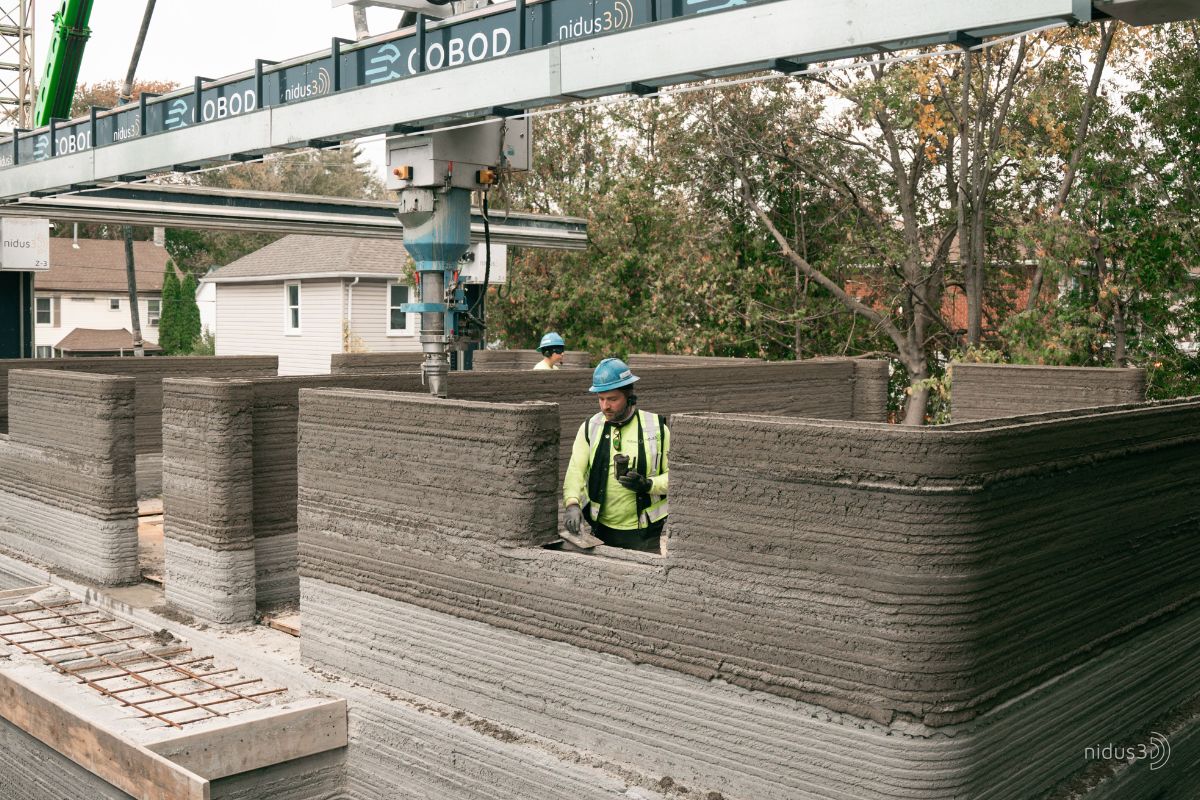
With Startups Printing Houses with PET Bottles and Universities Creating Concrete from Waste, 3D Printing in Construction Advances Rapidly, Promising to Revolutionize One of the Most Traditional Industries in the World.
A new revolution is underway on construction sites. The building printing machine has transitioned from a science fiction concept to a promising reality. By 2025, startups and research centers around the world, including a notable innovation hub in Lithuania, are developing technologies to build houses and buildings more quickly, cheaply, and, most importantly, more sustainably, using construction waste and recycled plastic as raw material.
While the global 3D construction market is experiencing explosive growth and a necessary reorganization at the same time, with some companies shutting down, others are advancing with impressive projects. The promise is clear: reduce the enormous volume of waste generated by construction and provide a solution to the housing crisis, one brick (or rather, one layer of printing) at a time.
The Secret of Lithuania: The “Machine” That Is Actually a Project from Kaunas University (KTU) to Create Concrete from Industrial Waste
The search for a “Lithuanian machine” that prints buildings with construction waste leads to an advanced research center. The Kaunas University of Technology (KTU) is the epicenter of an innovation ecosystem focused on developing sustainable building materials. The most important project, called TRANSITION and funded by the European Union, aims to create high-performance concrete using oil shale ash, a waste from power plants, to replace traditional cement, which is a major CO₂ emitter.
-
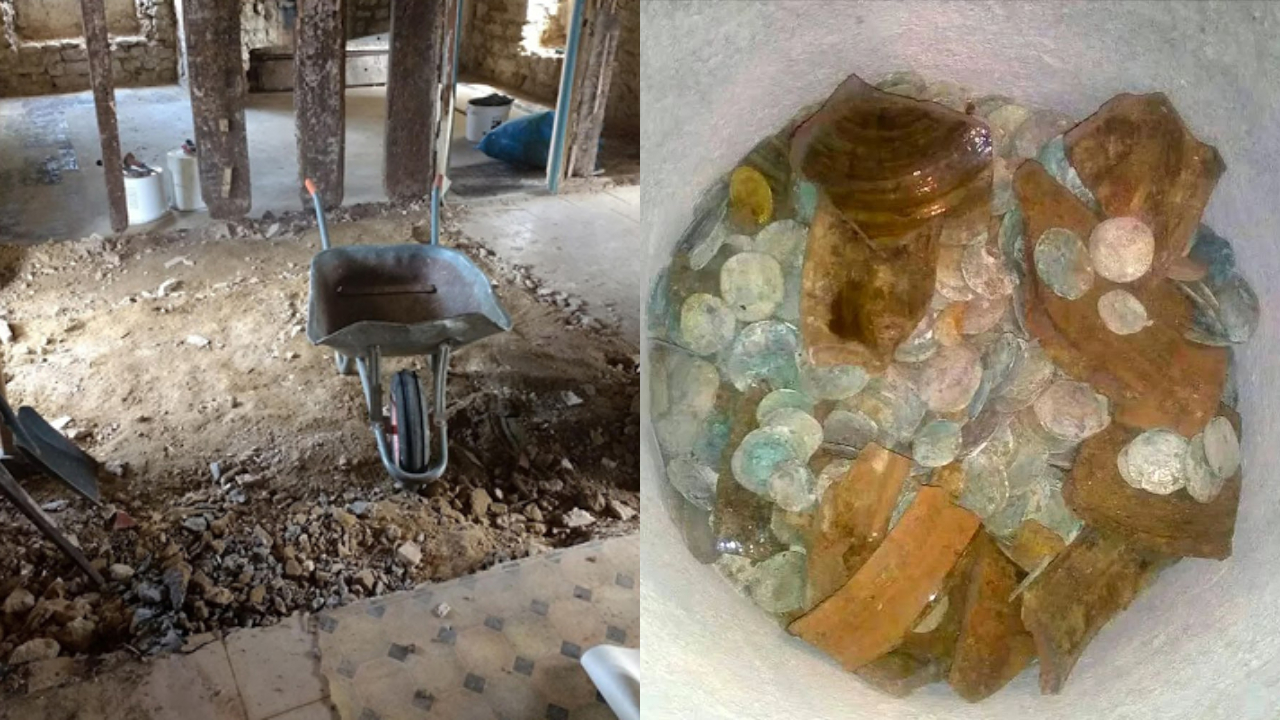
A couple buys an old chalet, breaks the kitchen floor for renovation, and finds over a thousand coins of gold and silver hidden since the English Civil War over 4 centuries ago.
-
Rigid bags with their days numbered: new trend prioritizes comfort in 2026.

-
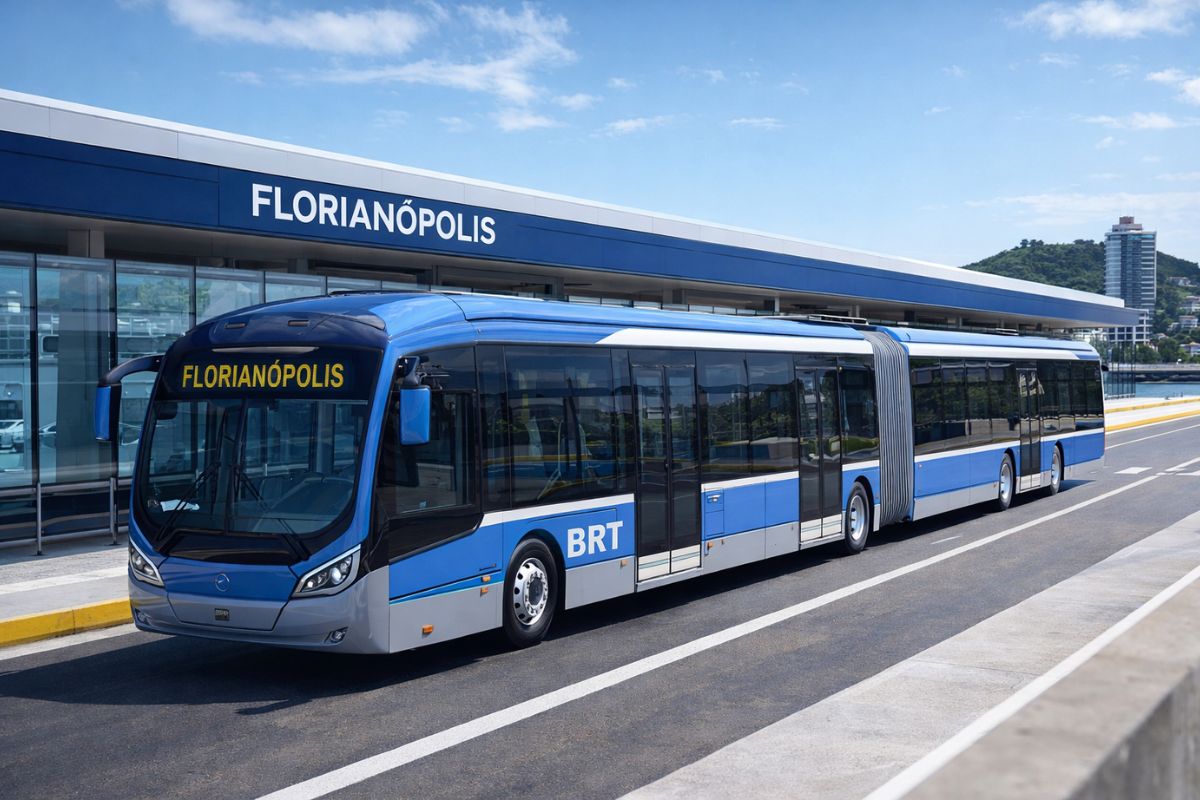
Florianópolis will receive a million-dollar BRT that will begin construction in 2026 with nearly 400 million in funding from the federal government and the Inter-American Development Bank, and the map already shows the routes for the exclusive bus corridors.
-
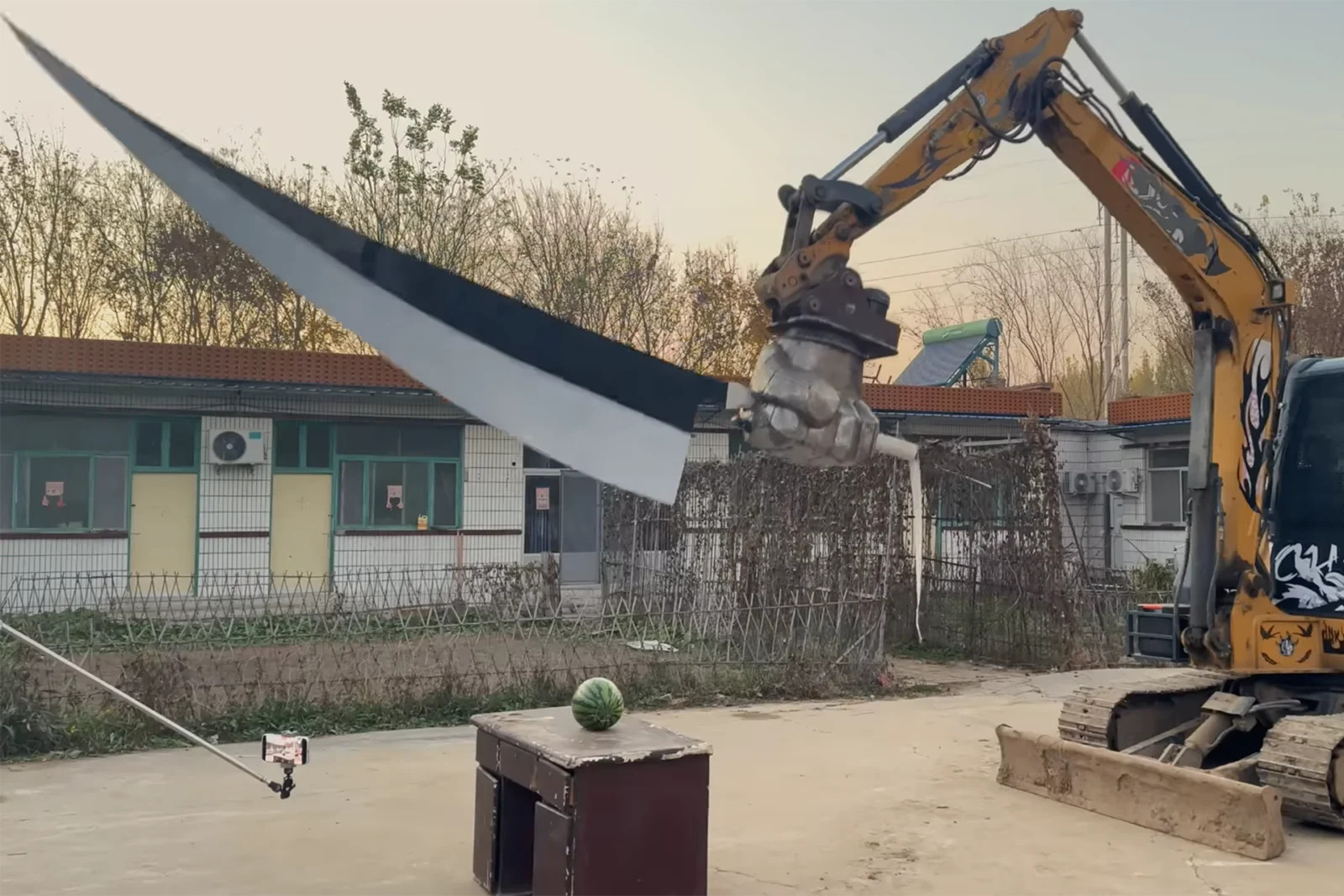
YouTuber creates an excavator equipped with a giant 4.5-meter sword to challenge his brother to a rematch, and the invention quickly goes viral on social media.

The strategy of Lithuania is not to build the printer itself, but to develop and patent the “recipe” for the material. The idea is to create a mixture that can be used in different types of 3D printers, positioning the country as a material technology supplier for the entire global industry.
Explosive Growth, the Crisis That Led to Layoffs at the Giant ICON, and the Success of the 3D Printed Starbucks Store
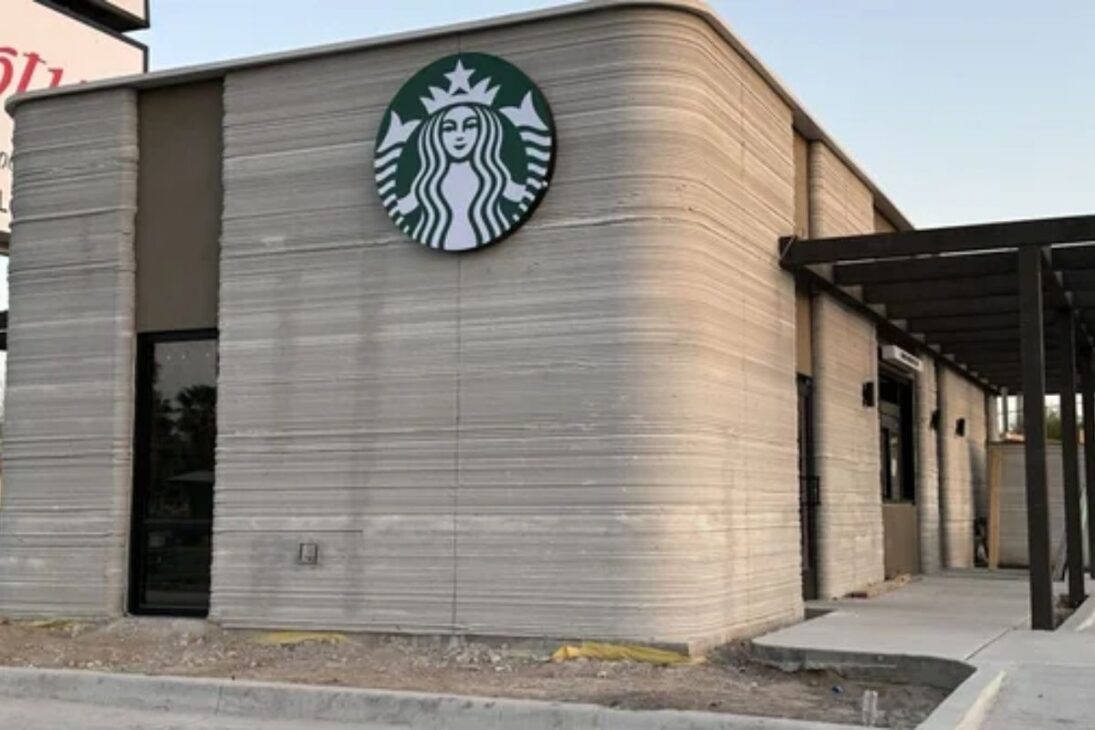
The year 2025 has been a reality test for the 3D construction market. Growth projections are impressive, with some analyses pointing to an annual growth rate of over 100%. High-profile projects validate the technology, such as the first 3D printed Starbucks store, inaugurated in April 2025 in Texas, whose structure was printed in just six days.
However, the sector is also facing a maturity crisis. In February 2025, the renowned company ICON laid off 25% of its workforce. Other well-funded startups, such as Mighty Buildings and Diamond Age, announced they were seeking buyers or entering liquidation. This shows that while the technology works, business models are still being tested.
The Two Technologies Competing for the Future of the Building Printing Machine
The search for sustainability in 3D construction follows two main paths. The first is the evolution of concrete, making it low carbon. ICON does this with its CarbonX material, and KTU with its studies on industrial waste. The idea is to replace cement, a major pollutant, with other materials.
The second path is more radical: completely replace concrete. The leading pioneer of this approach is the American startup Azure Printed Homes, which uses recycled plastic. The choice between these two technologies will define the future of the building printing machine and sustainable construction.
The Case of Azure Homes: The Startup That Prints Houses with 100,000 Plastic Bottles and is Already Valued at US$ 88 Million in 2025
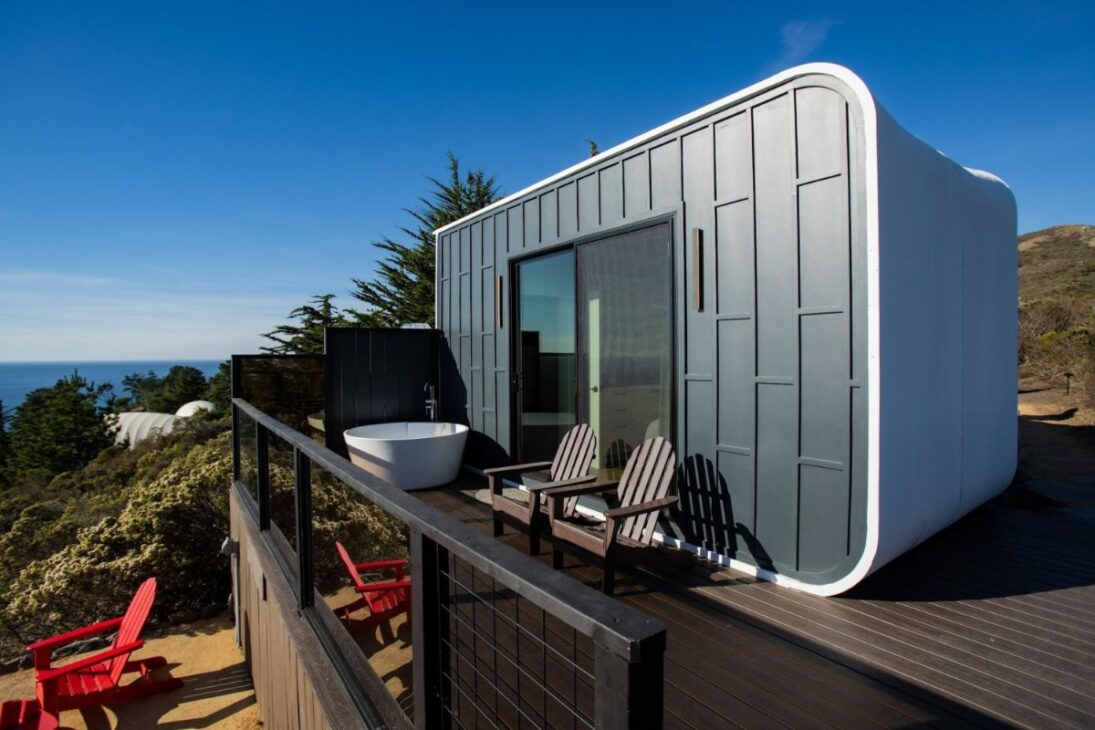
Azure Printed Homes is the most successful example of the materials revolution. The company uses a material composed of over 60% recycled plastic, coming from PET bottles and other packaging, mixed with fiberglass for strength.
The process is different: instead of printing on-site, Azure uses robots in their Los Angeles factory to print modules that are then assembled on-site. The company claims that each 11 m² studio reuses plastic from 100,000 water bottles. The success is undeniable: in April 2025, the company already had US$ 35 million in pre-orders and, in May 2025, was valued at US$ 88 million.
The Numbers That Show the Promise of 3D Printing in Civil Construction
3D printing addresses the biggest problems of traditional construction. The benefits, in numbers, are clear:
Speed: construction can be 30% to 50% faster. The structure of a house can be printed in less than 24 hours.
Cost: automation can reduce labor costs by up to 80% and material costs by up to 60%, as there is almost no waste.
Sustainability: the traditional construction industry is one of the largest generators of waste in the world. In 2018, the U.S. generated 600 million tons of debris. 3D printing drastically reduces this number while allowing the use of recycled materials.







-

3 pessoas reagiram a isso.