





 Português
  Inglês
  Espanhol
  2 min de leitura
  0 comentários


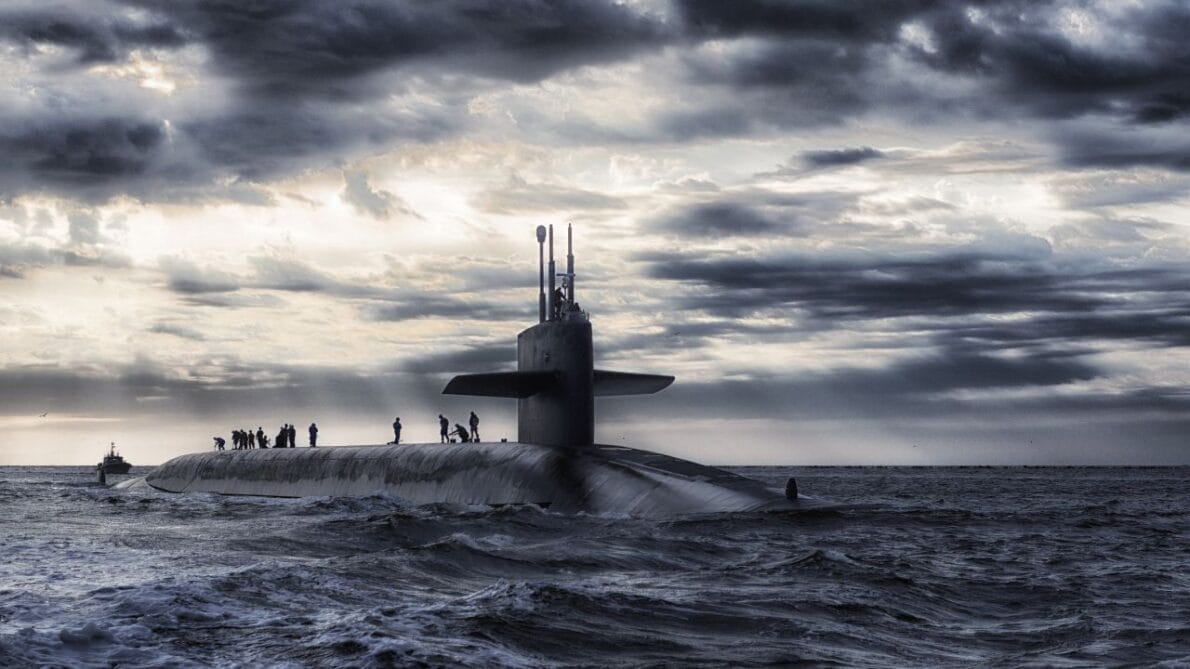
The Brazilian Navy Has a Challenging Mission: To Protect a Coastline That Extends Over 7,000 Kilometers. But How Many Submarines Are Really Needed to Fulfill This Task? Let Us Explore the Needs and Plans of the Navy to Defend Our Waters.
The Brazilian Navy’s submarine fleet has seen its ups and downs. In the 1970s and 1980s, the navy peaked with 10 submarines, including three advanced Oberon-class models. Currently, the navy operates four submarines: S30 Tupi, S34 Tikuna, S40 Riachuelo, and S41 Humaitá. In the coming years, the addition of three more is expected: S42 Tonelero (which is already ready), S43 Angostura, and SN10 Álvaro Alberto, the first nuclear submarine in Latin America.
Even with these additions, some older submarines, like the S30 Tupi, may be decommissioned, leaving the fleet with four conventional submarines and one nuclear. But is that sufficient?
To Effectively Defend the Brazilian Coast, the Brazilian Navy Would Ideally Need Two Submarine Squadrons


Each with two conventional submarines and one nuclear. This would total six operational submarines: four conventional and two nuclear. Additionally, it is important to have a reserve of submarines for maintenance and modernization, equivalent to about 50% of the operational fleet. This means three more submarines in reserve, resulting in a total of nine submarines: six conventional and three nuclear.
-
Historic bankruptcy of Centauro shocks the market, and the century-old company puts more than 500,000 products, machines, and complete infrastructure up for online auction.

-
New shoe factory in Ceará is expected to create 400 jobs and strengthen the local economy.

-
No one imagined it, but a mixture of sawdust with a mineral that fights fires surprises scientists with a result that changes the course of fire-resistant construction.

-
From empty land to a high-end house, wooden construction uses a lightweight system, metal structure for the foundation, ventilated ceramic cladding, and special windows to create an efficient and comfortable living space throughout the year.


Maintaining a fleet of nine submarines in operation is a logistical and financial challenge. Submarines require regular maintenance, and this reserve is essential to ensure that there are always submarines ready to defend the coast. In the long term, it would be beneficial for the Brazilian Navy’s fleet to evolve to include more nuclear submarines, which have greater autonomy and operational capability in open sea.
However, the Transition to a Fleet Composed Entirely of Nuclear Submarines Is Extremely Expensive and Complex, Something That Is Not Feasible at the Moment
But with continuous investment and technological development, the Brazilian Navy can continue to modernize and perhaps one day achieve this goal. To fulfill its functions of defending the Brazilian coast, the Brazilian Navy needs at least nine submarines: six conventional and three nuclear. This structure would allow for a robust and flexible defense, capable of responding to various threats. Over time and with the right investments, the Brazilian Navy can continue to strengthen its fleet and ensure the security of Brazilian waters.










Seja o primeiro a reagir!