





 Português
  Inglês
  Espanhol
 4 min de leitura
  0 comentários


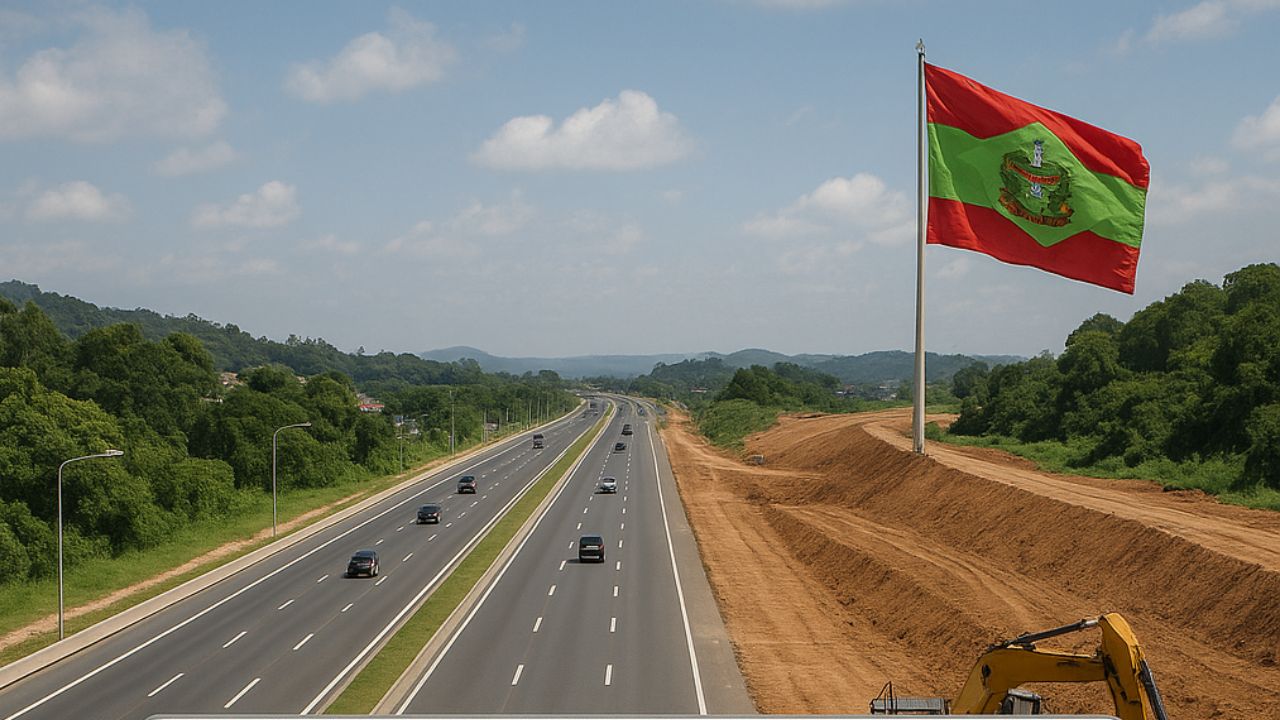
With an Investment Exceeding R$ 1.5 Billion, the Work on BR-470 Promises to Revolutionize Transportation, Reduce Logistics Costs, and Boost Competitiveness in Southern Brazil.
Amid the Brazilian road scenario, a transformation project is advancing full force in Santa Catarina. This is the duplication of BR-470, one of the largest road infrastructure interventions in the country. With over R$ 1.5 billion in public resources, the work is strategic for national competitiveness, connecting the productive interior to the coast and resolving historical bottlenecks of a highway that had been operating above its capacity for decades.
BR-470: The Backbone of the Economy of Santa Catarina
The region crossed by BR-470 houses one of Brazil’s main economic engines. Santa Catarina, with its 7.6 million inhabitants, is a reference in industrial production, agriculture, and logistics. In 2024, the state exported US$ 11.6 billion.
However, the pace has accelerated, and in the first five months of 2025 alone, exports totaled US$ 4.88 billion, a 6.5% increase compared to the same period the previous year. A large portion of this wealth circulates along BR-470. It is estimated that 90% of Santa Catarina’s exports depend on the road network.
-
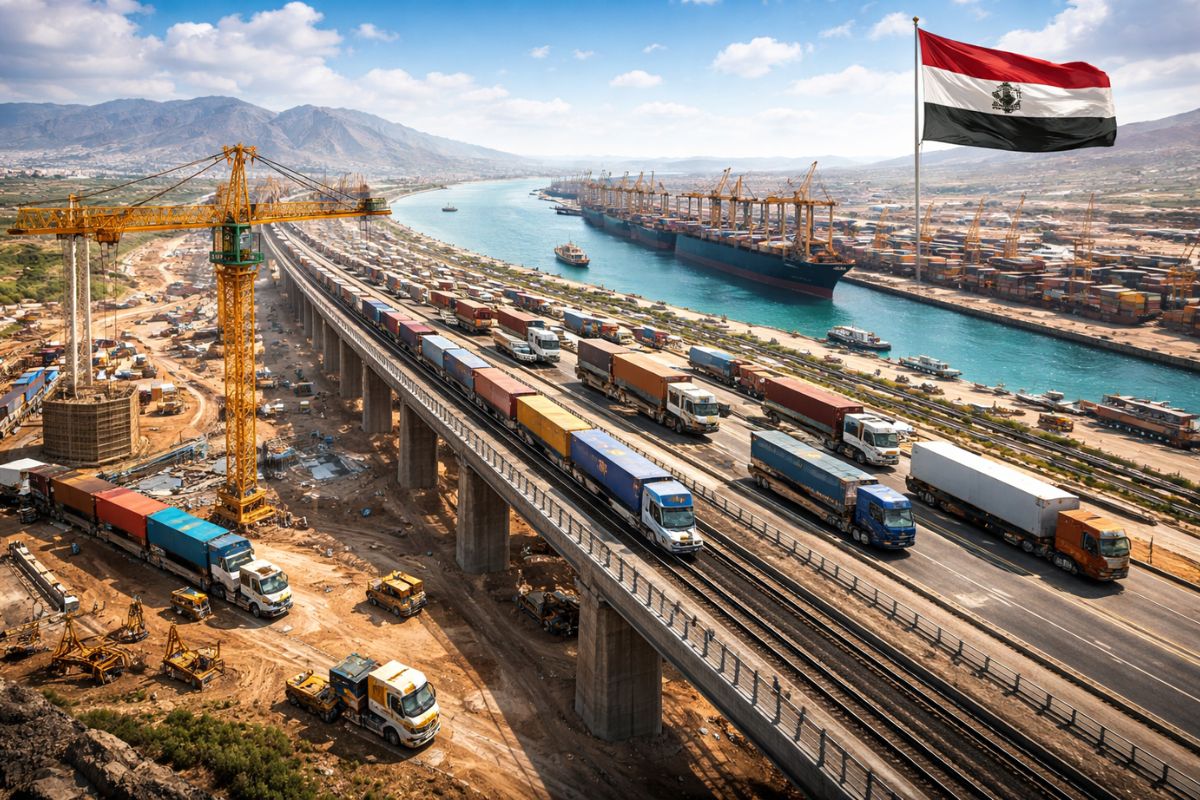
A megaproject worth R$ 89 billion is advancing in Iraq and promises to change the game in global trade by creating a new corridor between Asia and Europe, reducing traditional routes and repositioning the country as a logistics powerhouse.
-
Goodbye bedside table: floating shelves become a trend in 2026 by freeing up space in the bedroom, improving circulation, bringing visual lightness, and integrating technology without taking up floor space.

-
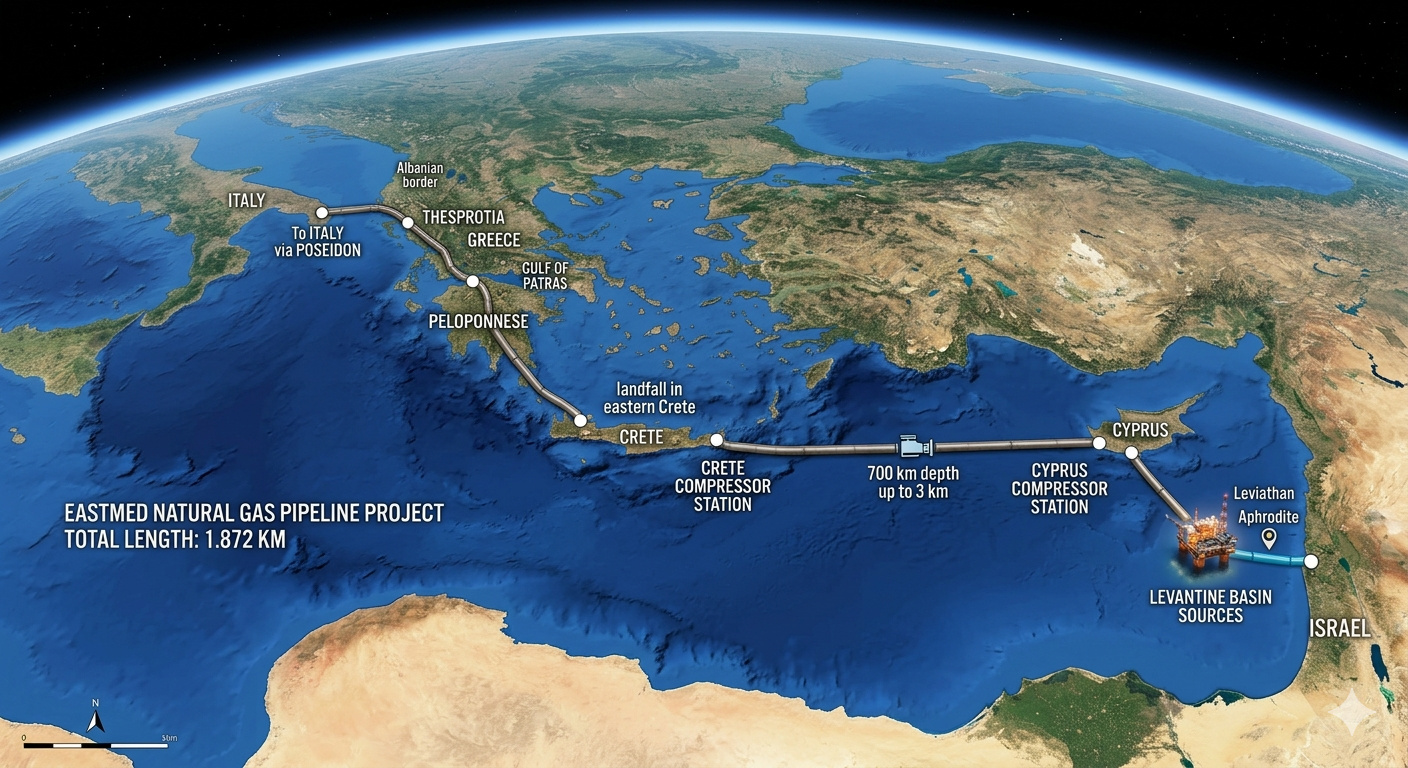
Israel, Greece, and Cyprus signed an agreement in 2020 to transport gas from the Mediterranean to Europe via a 1,872 km pipeline, but Turkey claimed sovereignty over part of the maritime route, and the project never materialized.
-
Israel, Greece, and Cyprus signed an agreement in 2020 to transport gas from the Mediterranean to Europe via a 1,872 km pipeline, but Turkey claimed sovereignty over part of the maritime route, and the project never materialized.
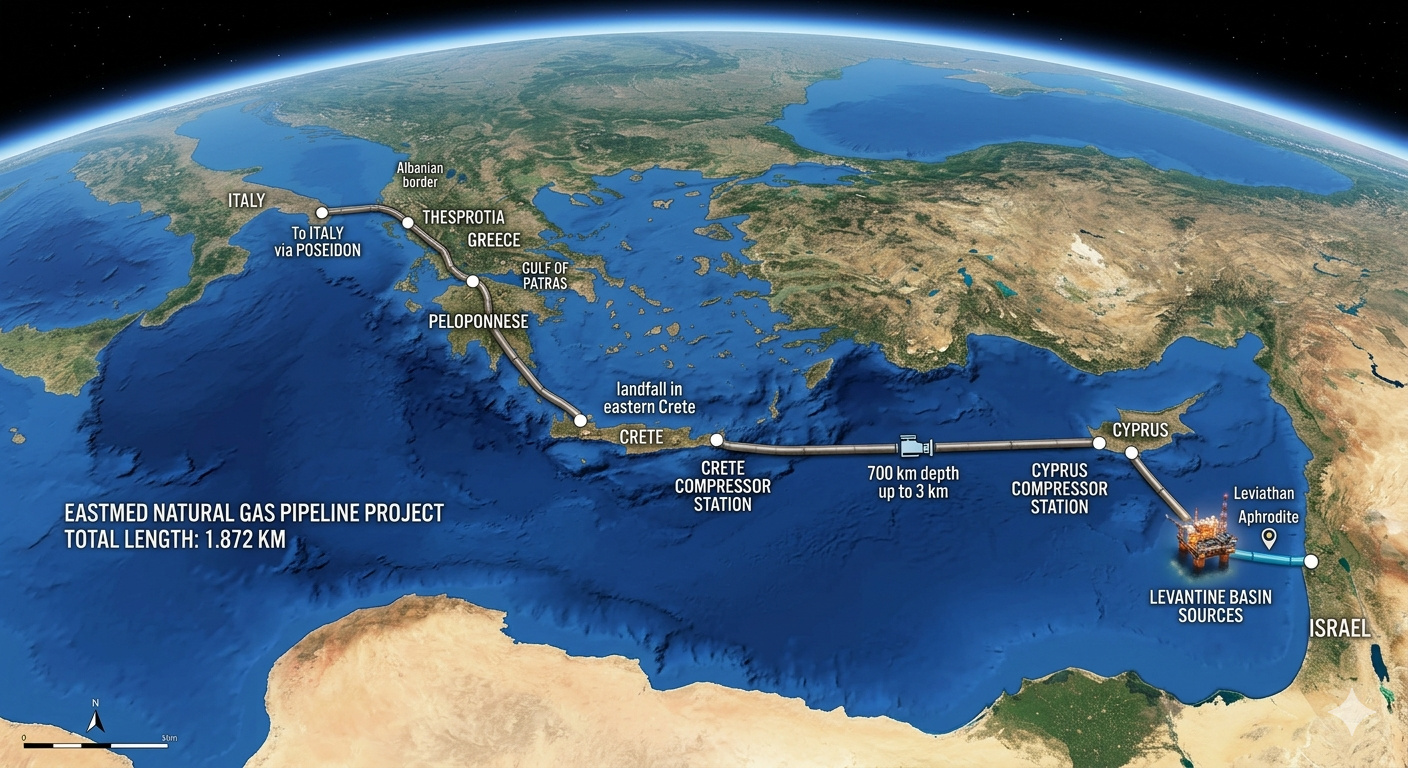

The section being duplicated, between Indaial and Navegantes, is vital. It connects the productive interior to the ports of Itajaí and Navegantes, the second-largest port complex in the country in terms of container movement. Daily, about 30,000 vehicles transport products such as meats, grains, furniture, and machinery along the highway.
Before the project, the single lane imposed an average speed of only 29 km/h, raising freight costs. With the duplication of the 73 km, the expectation is a reduction of 20% to 30% in logistics costs. In the medium term, this could lead to an increase of up to 15% in exports, which represents an annual addition of R$ 8 billion to the economy.
What Is Being Done on BR-470?
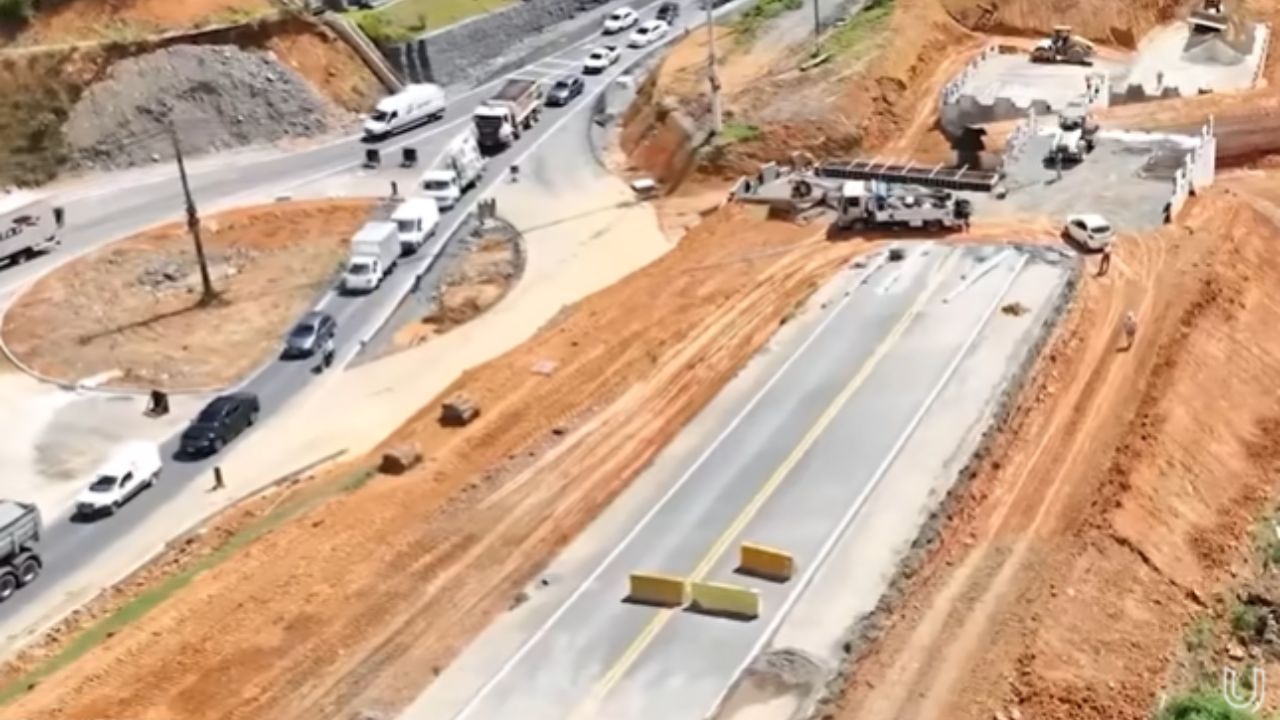
The duplication project of BR-470 is complex and ambitious. The intervention goes far beyond the widening of lanes. It includes the complete reconstruction of sections, with new intersections, urban underpasses, viaducts, and a modern drainage system.
The work aims to ensure safety, efficiency, and durability. In total, 27 viaducts are planned along the route. By the beginning of 2025, 18 of them were already completed. These structures eliminate at-grade crossings and ensure traffic fluidity.
One of the highlights is the viaduct at the Badenfurt interchange in Blumenau. In addition, the project includes four roundabouts, 11 pedestrian walkways, and improvements in active mobility, with bike lanes and sidewalks in urbanized sections.
The Strategy Behind the Duplication
Funded by the New PAC and executed by DNIT, the work has been divided into four lots to optimize the schedule.
- Lot 1 (Navegantes to Ilhota): Essential for access to the port and BR-101, has more than 12 km duplicated.
- Lot 2 (Ilhota to Gaspar): Concentrates important viaducts, such as those at km 4 and km 35, both scheduled for completion in 2025.
- Lot 3 (Gaspar to Blumenau): It is the most complex section, with sensitive urban works like the Badenfurt viaduct and bridges over the Testo River.
- Lot 4 (Blumenau to Indaial): Passes through residential and commercial areas, with paving at an advanced pace.
The schedule anticipates complete delivery by 2026. However, by March 2025, 62 km (82% of the total) had already been released for traffic, improving fluidity as the work fronts advance.
The Engineering Challenges of the Duplication of BR-470
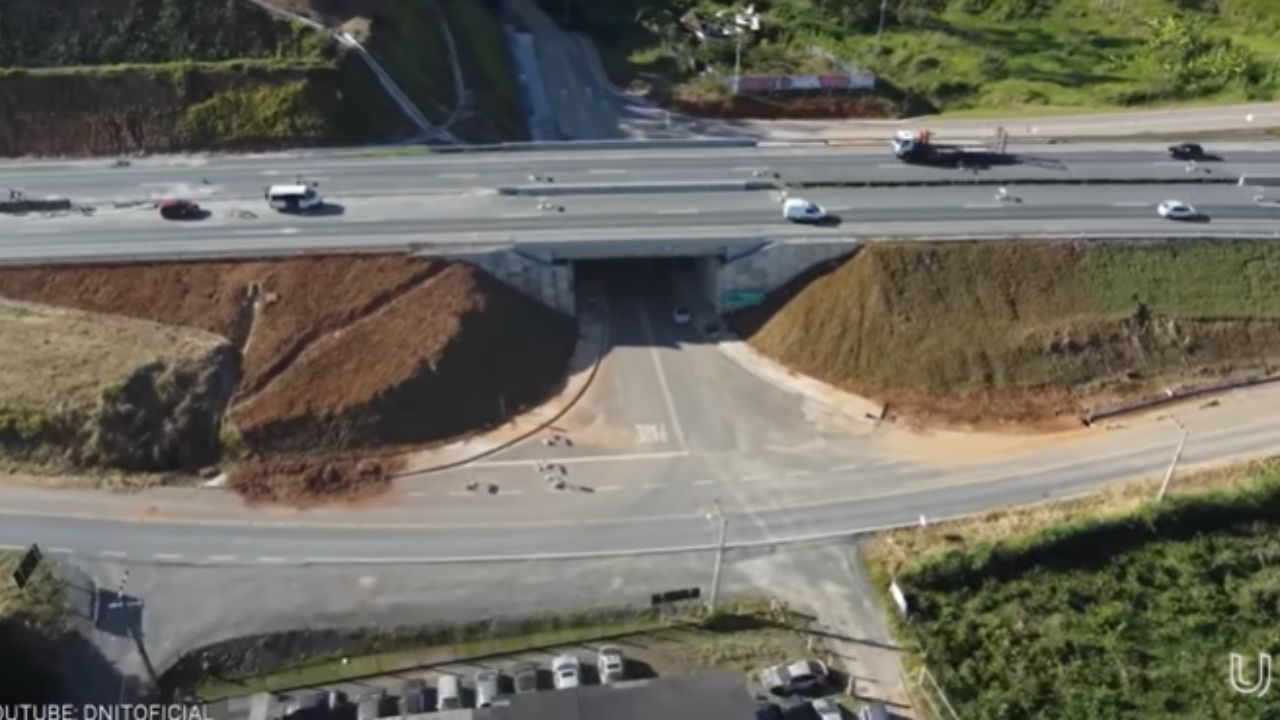
Behind the work, there are sophisticated engineering challenges. The first phase required the movement of more than 1 million cubic meters of soil and rock. In areas of unstable soil, geosynthetic reinforcement techniques were used to ensure foundation stability.
Paving utilized approximately 700,000 tons of asphalt. The wearing course is made of rubberized asphalt, which improves grip and reduces noise. The artworks, such as the 27 viaducts, total 25,000 linear meters of structures.
Concrete beams weighing up to 35 tons were transported and lifted by large cranes, requiring precise logistics. In some sections, it was necessary to drive piles to depths of up to 20 meters to ensure the support of the structures.
Impact on Urban Mobility and Safety
The project also focuses on urban and environmental improvements. Sidewalks with tactile paving, segregated bike lanes, and LED lighting have been implemented. The 11 metal walkways feature ramps and reinforced guardrails, following accessibility standards.
The new drainage system, with over 50 km of ditches and high-capacity culverts, was designed to withstand the rain volume in the region and prevent flooding.
The duplication of BR-470 is not just a road project. It is a structured project that is redefining the logistical axis of Santa Catarina and boosting the development of the entire Southern Brazil.
And you, what do you think about this mega project that is changing the future of Santa Catarina? Leave your comment.






-

-

2 pessoas reagiram a isso.