





 Portuguese
  English
  Spanish
  3 min of reading
  5 comments


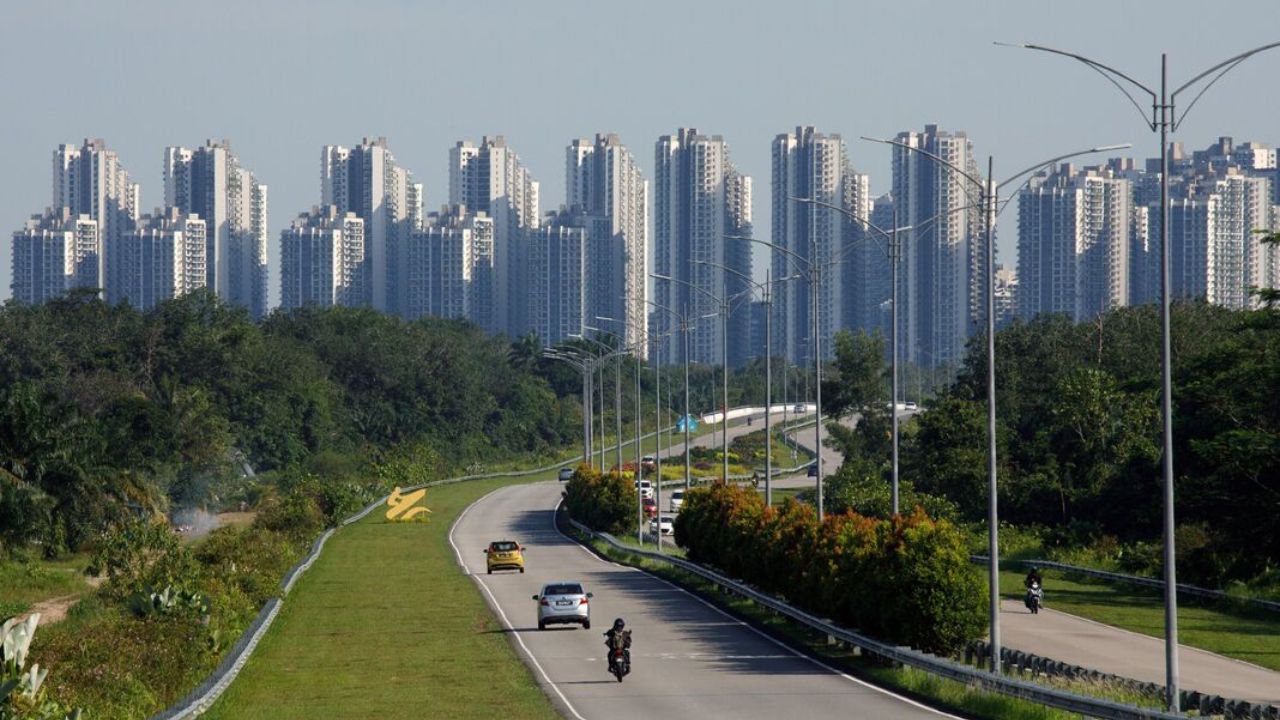


Designed for 700,000 Residents and Marketed as a Futuristic Paradise, the Megacity Forest City in Malaysia Today Is an Immense Void with Fewer Than 10,000 Inhabitants, Vacant Buildings, and an Uncertain Future.
Have you ever imagined a futuristic megacity, filled with modern buildings, paradise beaches, and water parks, that ultimately turned into practically a ghost town? Well, that’s the story of Forest City, a US$ 100 billion project that had every chance of being a success but ended up becoming one of the biggest real estate flops today.
The idea was to build an innovative megacity right there in Malaysia, close to Singapore. The goal? To create a true luxury refuge where families and business people could live in utmost comfort. But, in practice, what we see today are deserted streets, empty buildings, and very few residents.
What Went Wrong? A Series of Fatal Mistakes

Well, there’s a long list of reasons for this giant fall. But let’s get straight to the point: the main problem was that Forest City was designed for Chinese investors, and then came a huge bucket of cold water. The Chinese government tightened the belt and limited the transfer of money for investments abroad. The result? The source of buyers simply dried up.
-
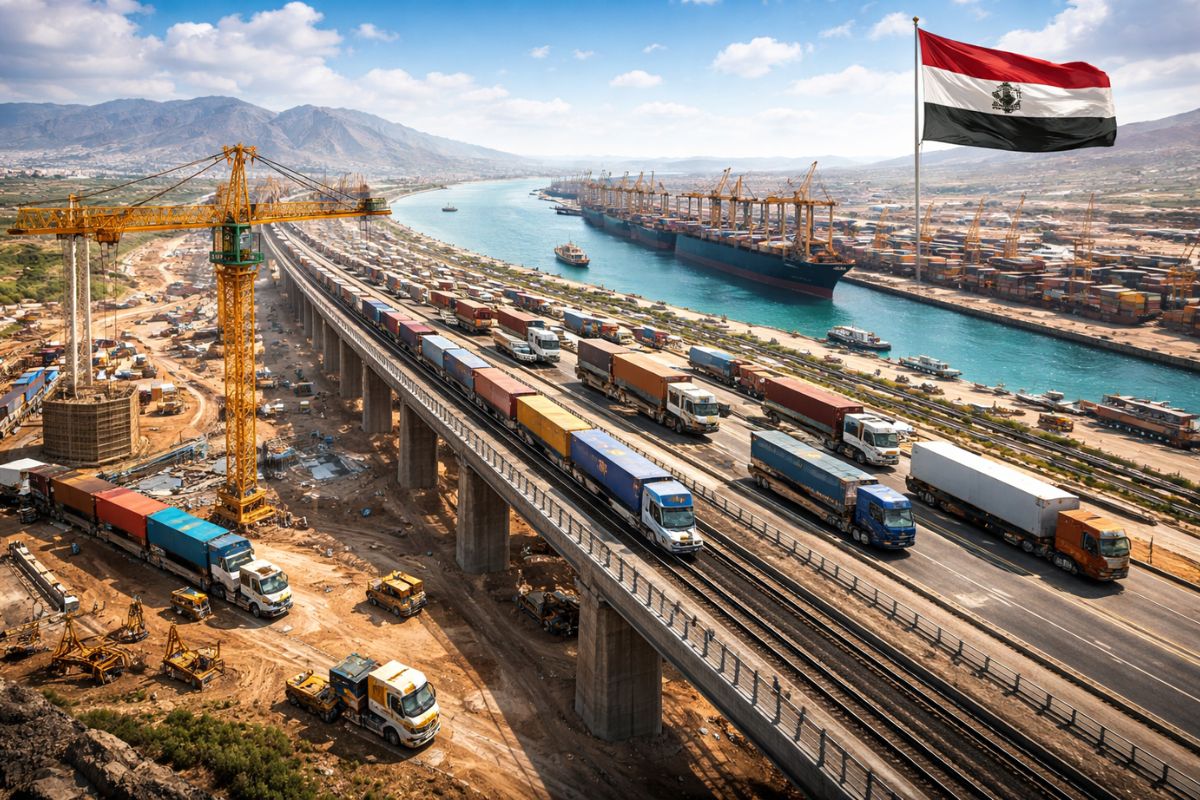
A megaproject worth R$ 89 billion is advancing in Iraq and promises to change the game in global trade by creating a new corridor between Asia and Europe, reducing traditional routes and repositioning the country as a logistics powerhouse.
-
Goodbye bedside table: floating shelves become a trend in 2026 by freeing up space in the bedroom, improving circulation, bringing visual lightness, and integrating technology without taking up floor space.

-
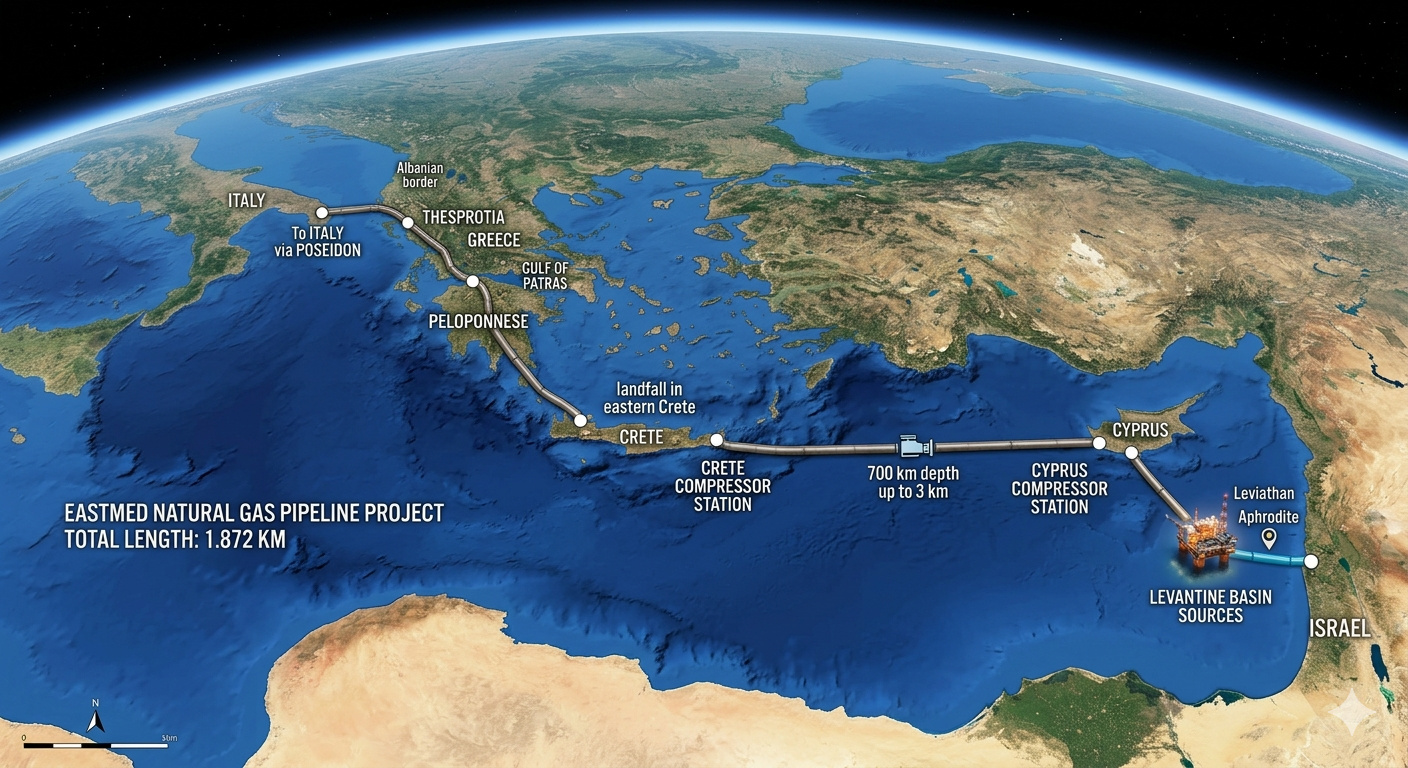
Israel, Greece, and Cyprus signed an agreement in 2020 to transport gas from the Mediterranean to Europe via a 1,872 km pipeline, but Turkey claimed sovereignty over part of the maritime route, and the project never materialized.
-
Israel, Greece, and Cyprus signed an agreement in 2020 to transport gas from the Mediterranean to Europe via a 1,872 km pipeline, but Turkey claimed sovereignty over part of the maritime route, and the project never materialized.

And it didn’t stop there. Malaysia went through political instabilities that further chased away investors. And as if that wasn’t enough, the COVID-19 pandemic came along, nailing another coffin in the project. Travel restrictions and the global economic crisis made the dream of the megacity increasingly distant from reality.
The Result? A Luxury Ghost Town
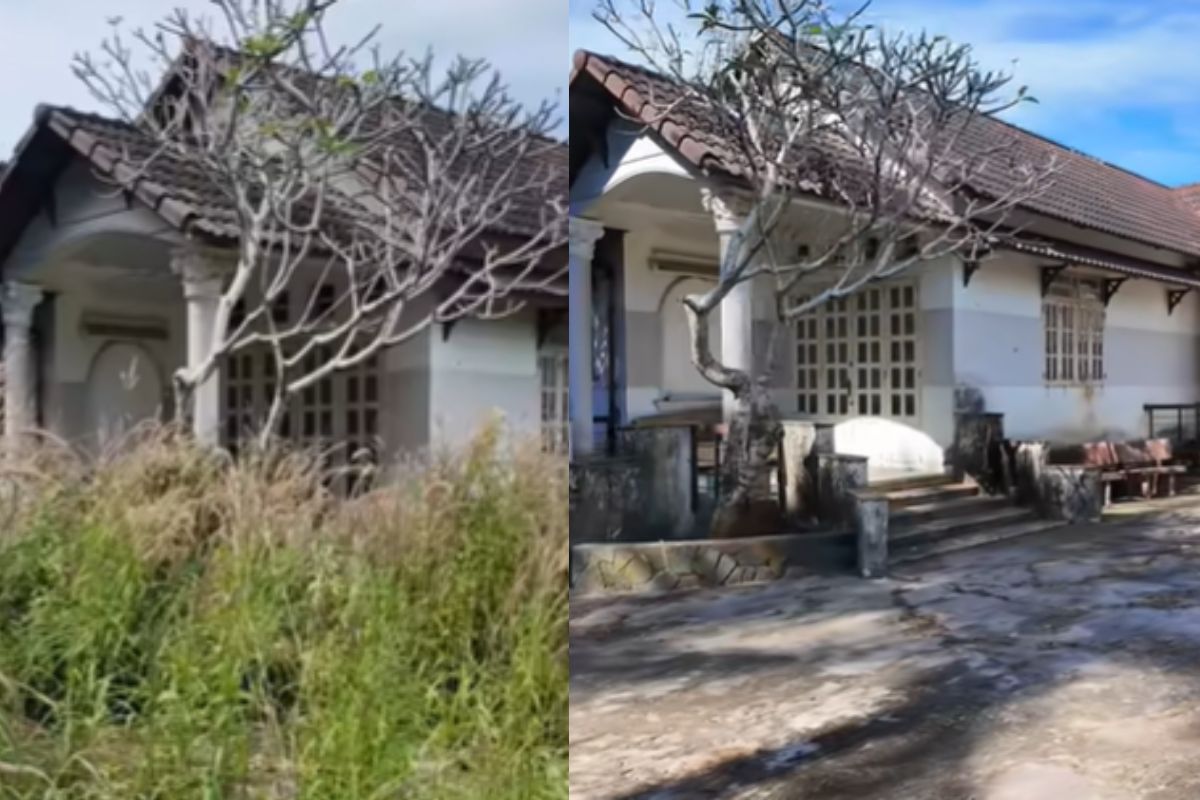
It was supposed to be a vibrant metropolis, full of life, but what we see today is an almost post-apocalyptic scene. Of the 700,000 residents who were supposed to occupy the city, fewer than 10,000 actually live there. And, let’s face it, this number is far from justifying the billions invested in the megacity project.
The streets are empty, luxurious buildings remain practically unoccupied, and local commerce can barely sustain itself. To make matters worse, there have been reports of environmental impact since the city was built on reclaimed land from the Johor Strait. This has compromised tropical mangroves and affected the region’s ecosystem, harming even local fishermen.
Is There Still Hope to Save the Megacity?
Despite everything, some attempts to reverse the disaster are being made. Sultan Ibrahim Iskandar of Malaysia proposed turning Forest City into a special financial zone, offering incentives to attract businesses and residents. The idea is to relocate government offices there and create a new economic hub in the megacity.






Posso fazer um projeto que vai dar resultado desta cidade fantasma. É uma questão de projeto. Vai desenvolver o turismo local e criar um novo Polo turístico. Afinal o investimento já foi feito. Sou inventor e tenho facilidade pra soluções.
Nestas condições quanto custa um apartamento t4?
‘Empilhar’ pessoas não é uma solução sustentável para o futuro das metrópoles. Cidades têm que oferecer uma certa qualidade de vida aos moradores. Um transporte público que funciona, áreas comerciais ao redor, muito verde, lazer…. Empilhar em torres com mais de 25 andares com certeza não contribui…