





 Portuguese
  English
  Spanish
  3 min of reading
  2 comments


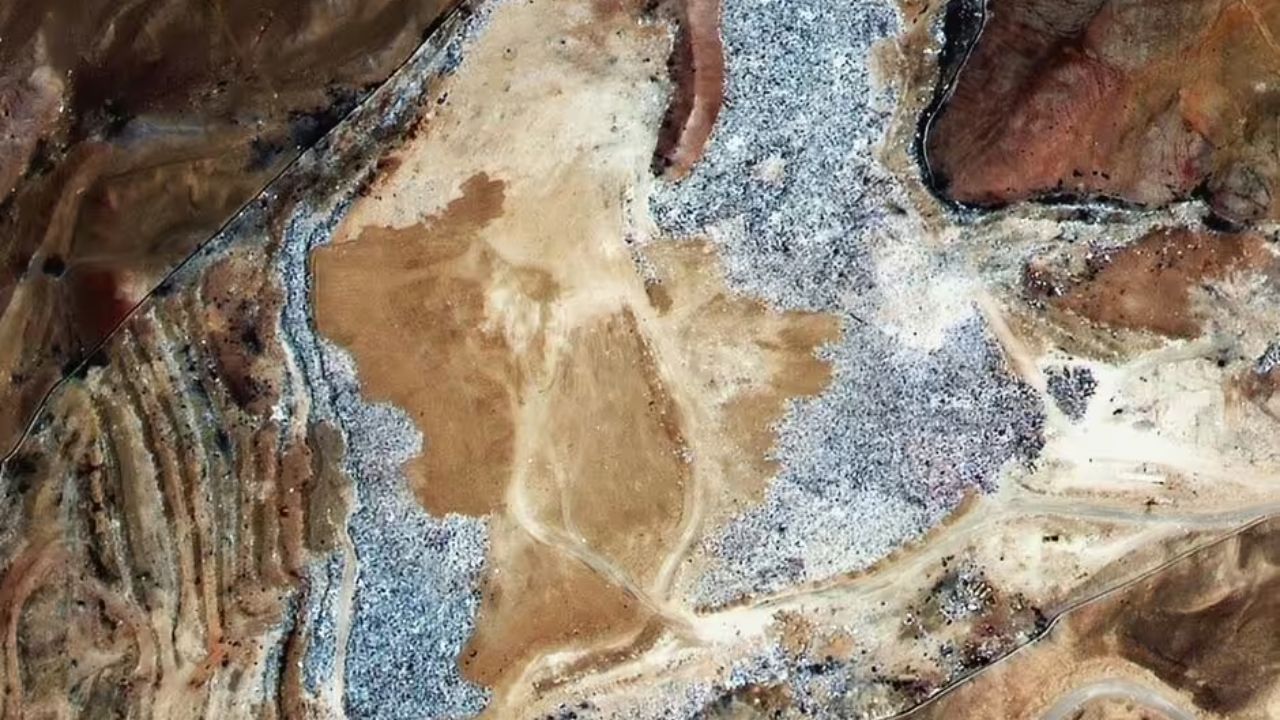


A Mountain of Clothes Discarded by Fast Fashion in the Atacama Desert, Chile, Has Accumulated More Than 60 Thousand Tons of Waste, Including Non-Biodegradable Items, and Has Become So Massive That It Is Visible from Space.
The driest desert in the world, the Atacama, in northern Chile, hides a sad reality: a mountain of garbage so large that it can be seen from space. Among the waste, discarded clothes from the fast fashion industry predominate, accumulating in a scene that looks like something out of a dystopian movie. But how did we get to this point?
The Atacama Desert and the Mountain of Garbage
The Atacama Desert, famous for its aridity and unique beauty, is now also home to a gigantic deposit of discarded clothes. It is estimated that around 60 thousand tons of clothing arrive in the region every year, coming from ports like Iquique. Many of these items are manufactured in countries like China and Bangladesh, but when they do not sell in markets in the United States, Europe, and Asia, they end up dumped in the desert.
Among the discarded items are ski boots and Christmas sweaters that ironically do not match the region’s climate. These clothes are non-biodegradable and contain chemicals that make their disposal in traditional landfills impossible. Thus, the desert has become a true “global sacrifice,” where the waste of other countries finds rest.
-
50 viaducts, 4 tunnels, 28 bridges, and 40 kilometers of bike paths: BR-262 in Espírito Santo will receive 8.6 billion reais for the largest engineering project in the state’s history, inspired by the Immigrant Highway in São Paulo.

-
Brazil produces too much clean energy and doesn’t know what to do with it: over 20% of solar and wind capacity was wasted in 2025 while investors flee and 509 renewable generation projects were abandoned in the last year.

-
Piauí will produce a new fuel that replaces diesel without needing to change anything in the truck’s engine and reduces pollutant gas emissions by half: truck drivers from all over the Northeast are already celebrating the news that will arrive later this decade.

-
A new Brazilian shopping center worth R$ 400 million will be built in an area equivalent to more than 4 football fields, featuring 90 stores, 5 cinemas, a supermarket, a college, and parking for 1,700 cars, potentially generating 3,000 jobs.


Fast Fashion: An Engine of Waste

The fast fashion industry plays a central role in this problem. With its accelerated production and low prices, it encourages excessive consumption and the premature disposal of clothing. According to data, this industry generates 92 million tons of waste per year.
It is frightening to think that, while consumers take advantage of promotions and change their wardrobes every season, the environmental impact accumulates in mountains like the one in Atacama. This consumption chain does not end in stores, but in devastated landscapes and the compromised health of those living near these dumps.
Life Around the Mountain of Garbage
For those living around the garbage mountain, the situation is desperate. Trucks loaded with clothes regularly pass through local communities, leaving behind waste that is often burned, releasing toxic smoke.
Ángela Astudillo, co-founder of the NGO Desierto Vestido, describes the scene as a “daily hell.” Residents face pollution risks, both of soil and air, as they watch their lands turn into global waste dumps.
Awareness and Reuse Initiatives
Despite the chaos, there are those who fight to reverse this situation. Franklin Zepeda, founder of EcoFibre, is transforming part of the discarded clothes into insulating panels. Additionally, events like the fashion show by model Sadlin Charles, who wore recycled clothes from the dump, aim to draw attention to the problem.
These initiatives show that, even in the face of a literal mountain of garbage, it is possible to find creative solutions. Designers, activists, and communities are coming together to raise awareness among the public and push for changes in the industry.
Addressing the garbage mountain problem in South America requires actions on multiple fronts. Governments, businesses, and consumers need to work together to prioritize sustainability. Some solutions include:
Reducing Consumption: Buy only what is necessary and prioritize quality products.
Reusing and Recycling: Donate clothes or transform them into new products.
Encouraging the Circular Economy: Support brands that promote sustainable practices.









O reporter deveria ter entrado em contato com o governo do Chile, pra saber porque eles permitem que tal fato aconteça.
0102EzequielPaulo