





 Portuguese
  English
  Spanish
  4 min of reading
  0 comments


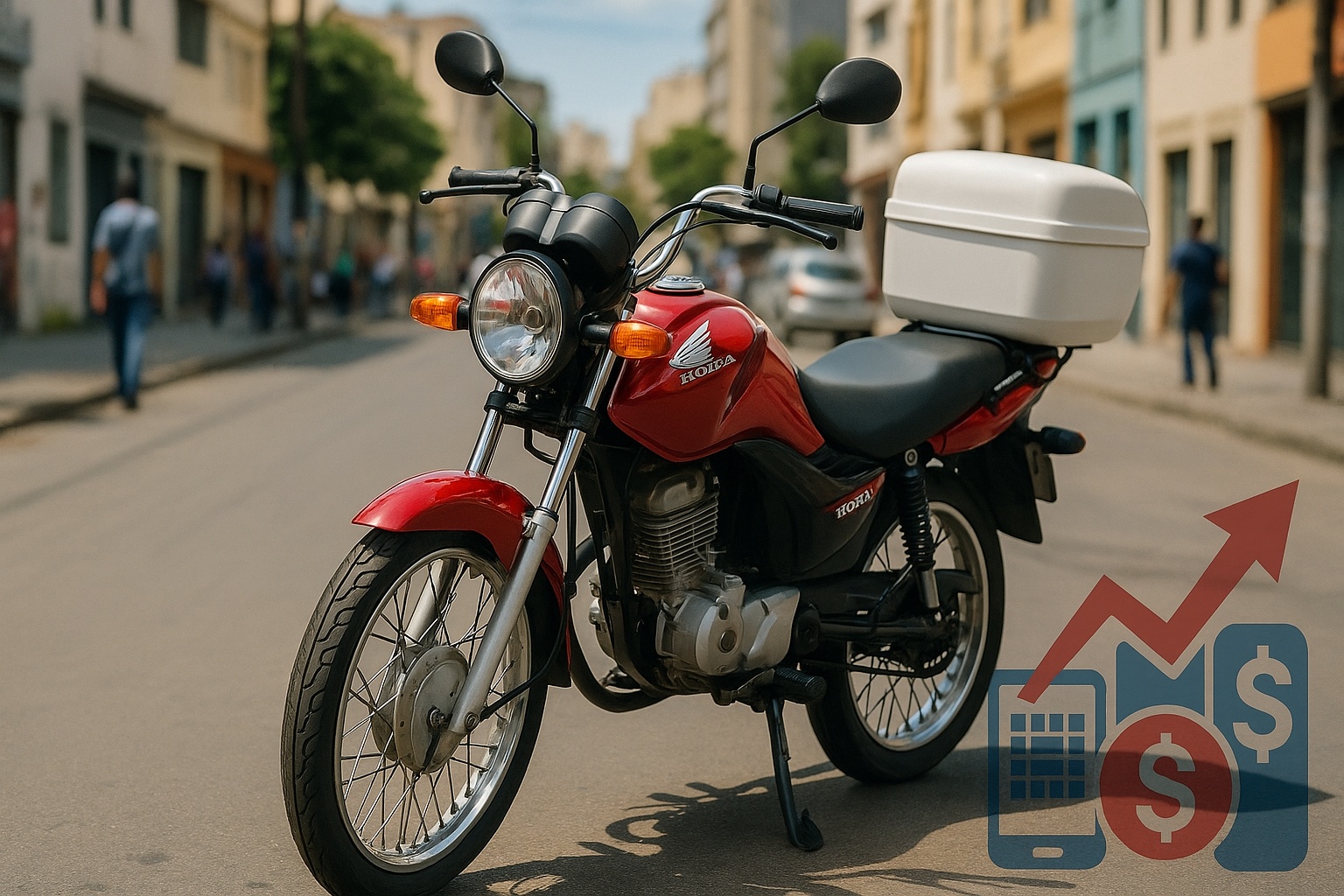
Honda Titan 150 Marked The 2000s As The Family Bike: Reliable Engine, Leader Among Deliverers And Urban Icon In Brazil.
In the early 2000s, Honda decided to step beyond the success of its renowned CG 125. The result was the CG 150 Titan, launched in 2004, equipped with a larger, more robust engine tailored to new consumption and emission requirements. The model quickly won over Brazil and became much more than a motorcycle: for millions of Brazilians, it became the family vehicle on two wheels.
With a wide seat, comfortable rear passenger space, larger fuel tank, and simple mechanics, the Titan 150 was adopted by both workers and entire families who saw the bike as an affordable means of mobility. In the 2000s, it was common to see parents taking their children to school, couples traveling, and even entire families moving around on a Titan — a scene that became part of the urban and rural landscape of Brazil.
The 150 Engine That Became Synonymous With Trust
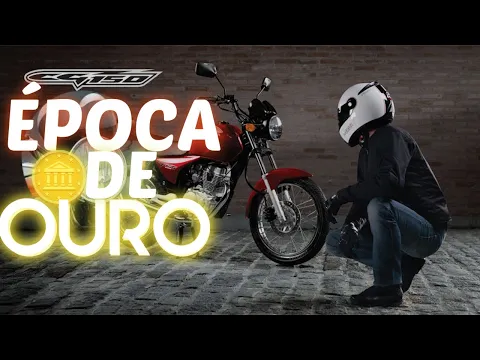

The standout feature of the Titan was its single-cylinder 149.2 cc engine, four-stroke and with a simple camshaft, delivering around 14 hp. Despite modest numbers, this engine stood out for its mechanical robustness, low maintenance costs, and fuel economy, easily surpassing 35 km/l in urban use.
-
A French brand placed a car on four huge red balloons to prove that its suspension made the vehicle “float,” and the surreal scene became one of the most iconic and unusual images in automotive history.
-
Jeep Avenger begins production in Brazil, debuting as the brand’s new entry-level SUV and inaugurating an unprecedented phase by becoming the first national Jeep manufactured outside of Goiana, as part of a R$ 3 billion plan.
-
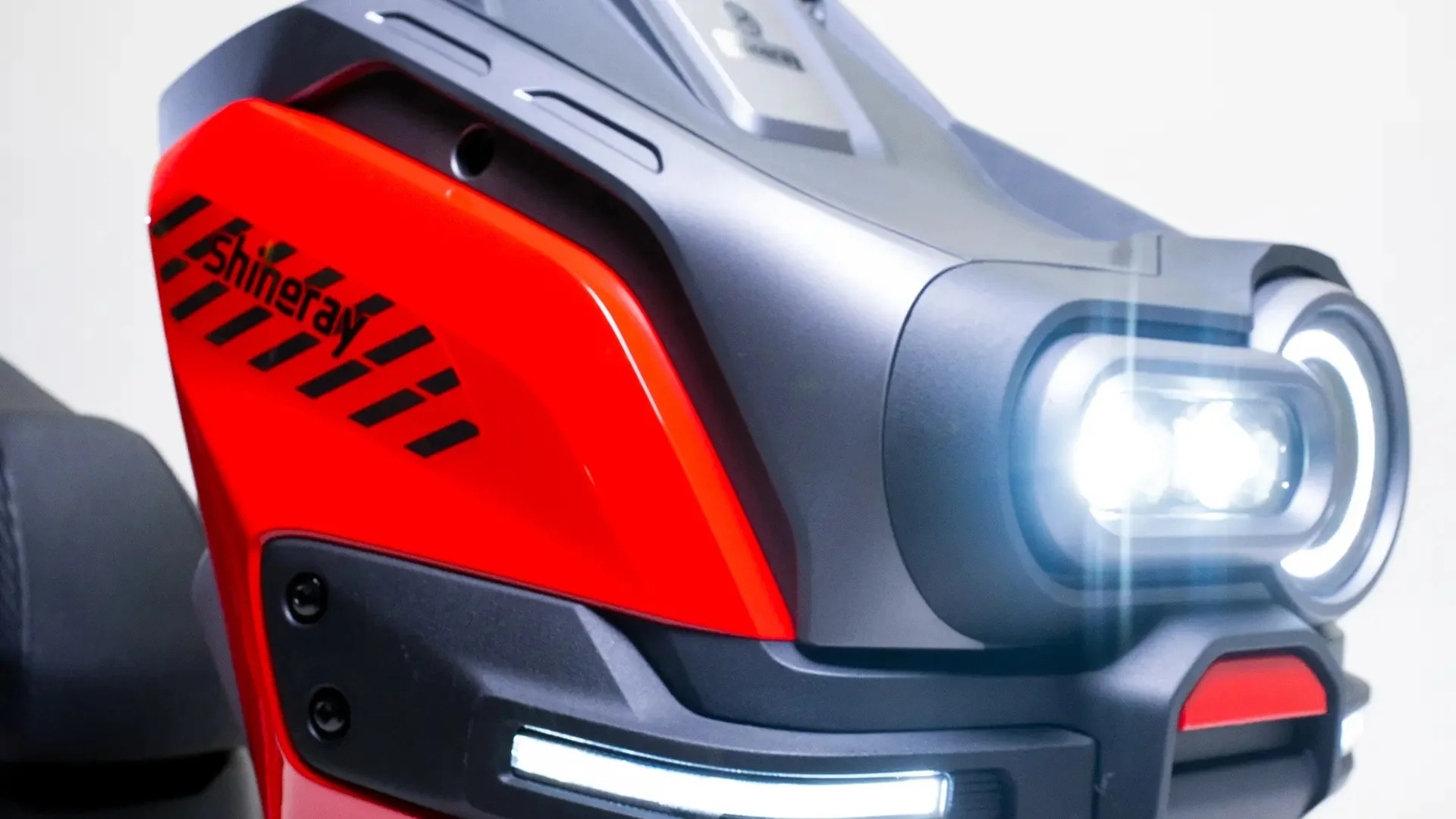
Costing R$ 12,490, the new Shineray Urban Lite 150 “cheap one” arrives in Brazil with a CVT transmission, digital dashboard, and LED lights, making it more affordable than the Biz and targeting those who want to abandon the bus.
-
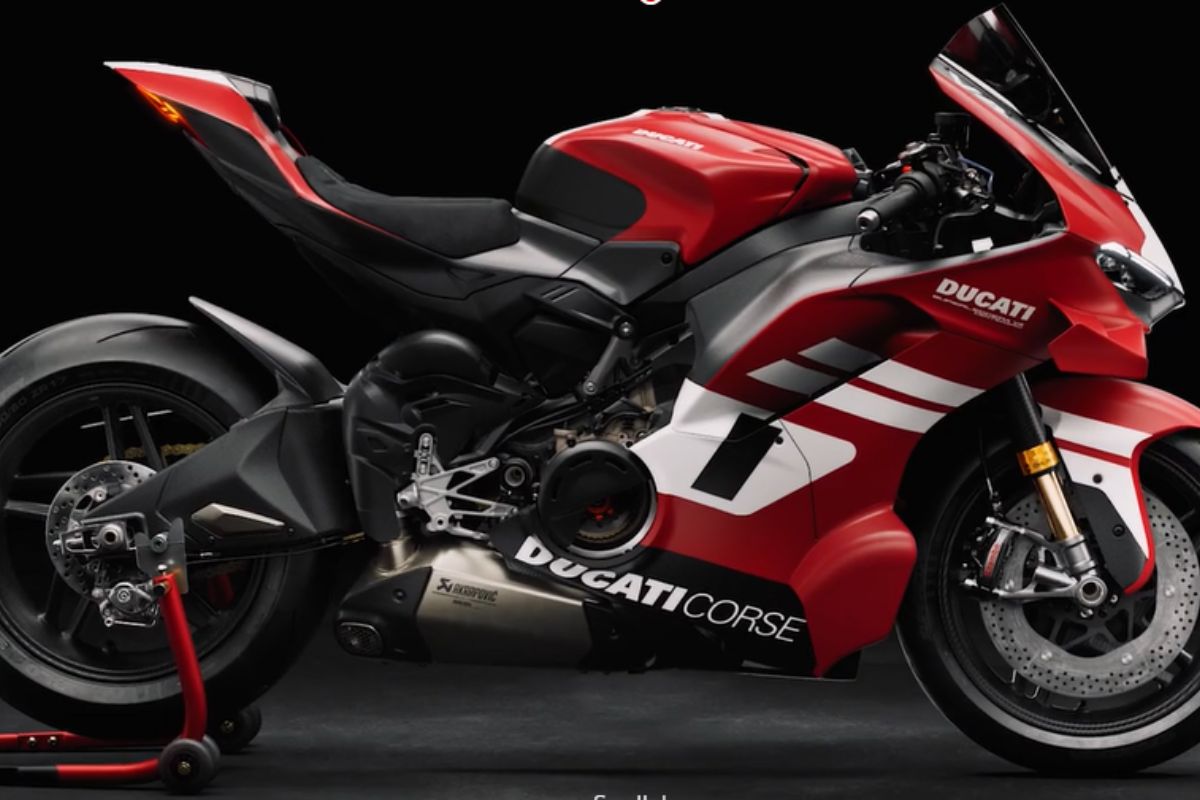
Ducati brings to Brazil the Superleggera V4 Centenario: 228 hp that become 247 with a track kit, carbon fiber and carbon-ceramic brakes, estimated price between R$ 1.5 and 2 million, deliveries only in 2027.

This set made the Titan 150 the ideal motorcycle for intensive use, enduring over 12-hour workdays in the hands of delivery riders and couriers who relied on the bike for their livelihood. The engine was capable of running over 100,000 kilometers without a rebuild, as long as basic maintenance was performed, reinforcing its reputation as “unbreakable”.
The Icon of Deliverers
In the early 2000s, with the boom of the delivery market and the growth of rapid transportation for documents and small packages, the Titan 150 established itself as the primary tool for delivery riders.
It gathered all the elements the sector needed: a reliable engine, low maintenance, parts available on every corner, and reduced fuel consumption. It didn’t take long for the characteristic roar of the Titan to become part of the ambient sound of Brazil’s major cities, especially in capitals like São Paulo, where deliverers formed a true fleet.
Family Vehicle On Two Wheels
But the Titan was not just a work motorcycle. For millions of Brazilians, it was also the main vehicle of the household. The affordable price, low maintenance costs, and availability of financing made the motorcycle the transportation option for families who couldn’t afford to buy a car.

With a wide rear seat and relatively comfortable saddle, the Titan could carry couples, children, and even small loads.
It was common to see entire families using the motorcycle as a daily means of transportation, on dirt roads or busy avenues. This social role of the Titan cemented its place in the collective imagination as “the motorcycle that served as a car” for many.
The Impact On Sales And On The History Of Honda
The CG 150 Titan quickly became the absolute sales leader in Brazil. Between 2004 and 2010, millions of units were sold, making it one of the best-selling motorcycles in Honda’s history and in the Brazilian market.
The success was so notable that the Titan 150 underwent several updates, incorporating fuel injection in 2009 to meet environmental standards and preparing the ground for its successor, the CG 160, launched in 2015.
Nevertheless, the first-generation Titan 150 remains the most remembered by motorcyclists to this day.
An Urban And Cultural Icon
The Titan 150 went beyond the role of transportation. It became a cultural symbol of Brazilian urban life in the 2000s. It represented the tireless worker, the family gaining mobility, and the youth finding independence through the motorcycle.
On the streets, it was marked by its simple design, bulky tank, and the famous front fairing that helped to identify the motorcycle from afar. In workshops, it gained a reputation as “the motorcycle that doesn’t have issues.” And in memories, it became a piece of history for those who lived through the vibrancy of Brazilian cities at the turn of the millennium.
A Heart Of 150 Cubic Centimeters That Moved Brazil
The Honda Titan 150 was not just an evolution of the CG. It was a social and economic phenomenon that set millions of Brazilians in motion, provided livelihoods for delivery riders, and served as a family vehicle in households that could not afford four wheels.
Its robustness, fuel efficiency, and reliability turned it into an urban icon, and even with the arrival of more modern models, the Titan 150 continues to roam the streets as living proof of its durability.
For many, it was more than a motorcycle: it was a heart of 150 cubic centimeters that helped move Brazil in the 2000s.










-

2 pessoas reagiram a isso.