





 Portuguese
  English
  Spanish
  4 min of reading
  0 comments



The Manned Mission to Mars, Planned by NASA for the 2030s, Promises to Explore and Unveil the Geological Secrets of the Red Planet.
NASA has ambitious plans to send humans on a round trip to Mars as early as the 2030s, aiming to uncover some of the geological and atmospheric mysteries of the Red Planet.
This historic mission, which could happen by 2035, will mark a milestone in scientific exploration, allowing astronauts to investigate fundamental questions about the formation and evolution of Mars.
The mission is expected to last between six to seven months for each trip, covering a distance of up to 250 million miles (approximately 402 million kilometers) each way.
-
China accelerates global science and may surpass the United States in 2 years with increased public investment, continuous growth, and direct impact on the global technological competition.

-
Scientific studies indicate that drought may be strengthening a much greater silent threat: more resistant superbugs.
-
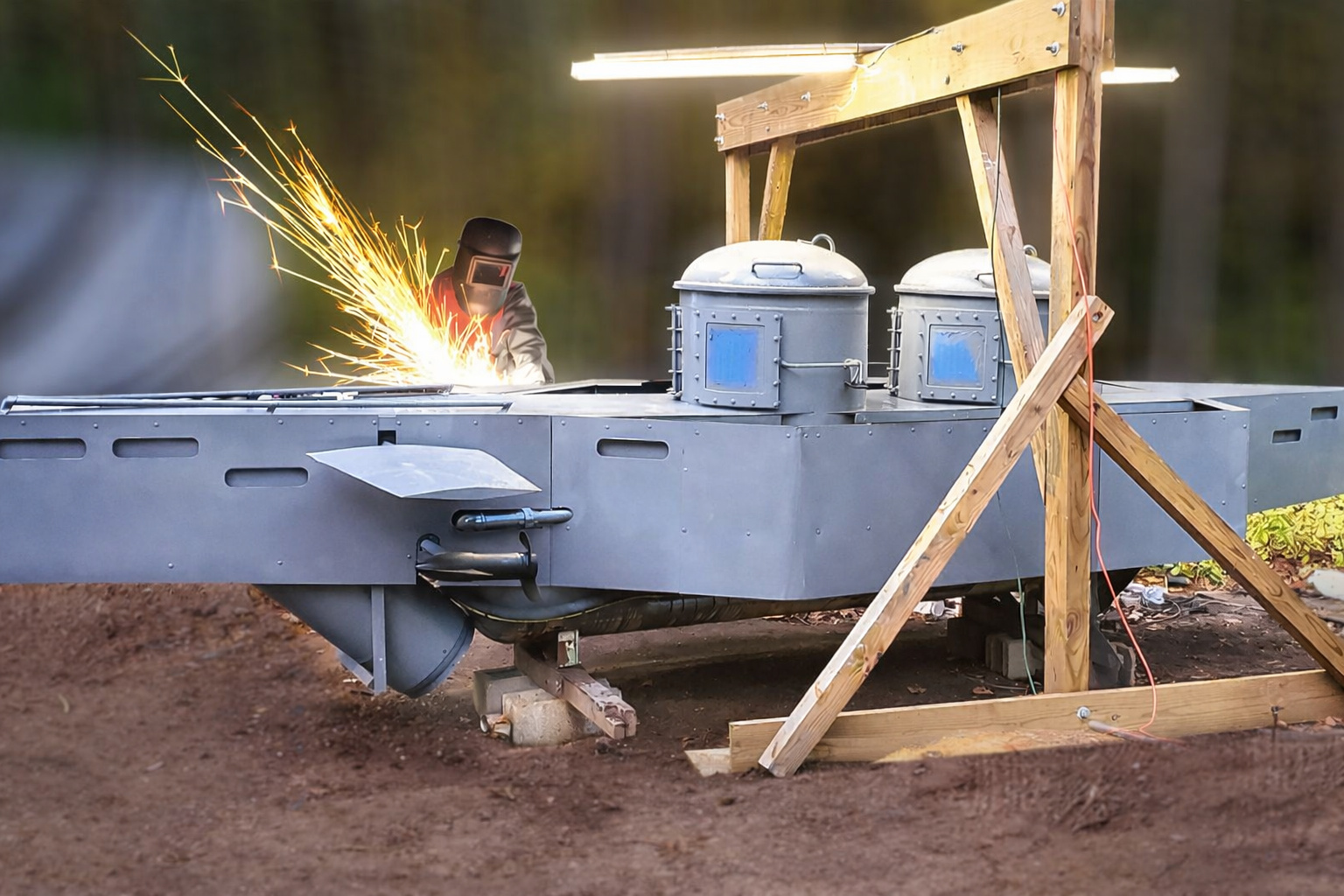
Man builds functional 5-meter submarine in his garage using gas cylinders, PVC pipes, and a refrigerator motor, and navigates with the vessel on a lake in Colombia.
-
Millions of people have been eating yam for centuries without knowing that this humble tuber contains a compound called diosgenin, which scientists have now discovered can improve memory and help control blood sugar levels.


Astronauts will spend up to 500 days on the surface of Mars before returning to Earth, providing an unprecedented opportunity for conducting in-depth scientific studies.
Preparation for Mars Begins with the Moon
Part of NASA’s preparations involves the Artemis program, which aims to take humans back to the Moon this decade.
The return to the Moon is a crucial step for astronauts to prepare for the longer and more complex journey to Mars.
The Artemis III mission, scheduled for 2026, will take humans to the lunar south pole, where they will explore the surface and establish habitats. In addition, astronauts will train survival and exploration techniques in extreme conditions, essential for the future mission to Mars.
The Artemis program is crucial for the success of the Mars mission, as it will enable NASA to test new technologies, such as the Space Launch System (SLS) and the Orion spacecraft, which were successfully launched in November 2022. These tests pave the way for human exploration of the Red Planet.
Martian Geology: A Planet with Secrets
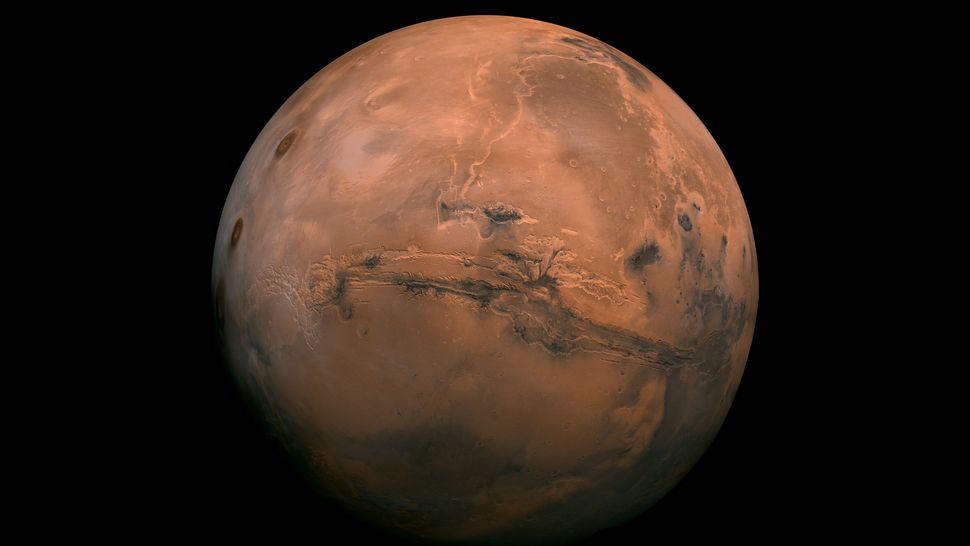
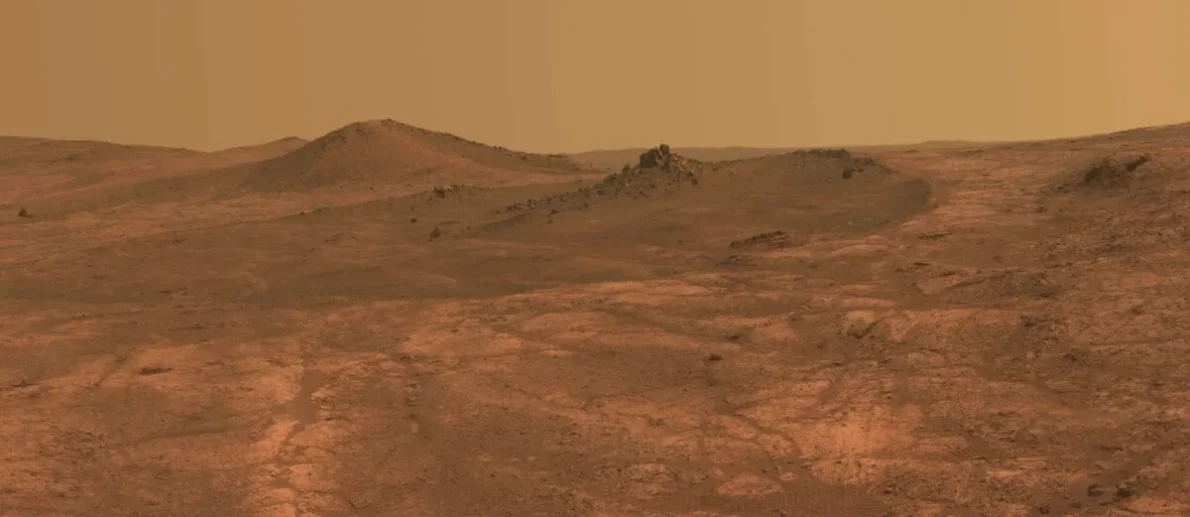
The surface of Mars, already studied by various robotic missions, still holds many mysteries that only a manned mission can uncover.
The Red Planet, which formed about 4.6 billion years ago along with the rest of the solar system, was once very similar to Earth.
About 3.8 billion years ago, Mars had vast bodies of liquid water, such as oceans, rivers, and lakes, as well as a denser atmosphere.
Today, Mars is a frozen desert, with its polar caps covered by ice of salter and carbon dioxide.
Scientists believe that understanding how the planet lost its water and atmosphere can provide valuable insights into the formation of the solar system and, potentially, the possibility of life beyond Earth.
The manned mission would investigate key questions, such as the existence of life, past or present, and the reasons Mars became the arid planet we know.
The northern and southern hemispheres of Mars exhibit significant geological differences. The northern plains are relatively smooth and have fewer craters, while the southern highlands are marked by deep, ancient craters.
Mars also hosts the largest volcanoes in the solar system and countless impact craters, making the planet a true laboratory for scientific investigation.
Essential Questions for a Manned Mission
NASA is already outlining plans to answer key scientific questions on Mars. A panel of experts, called the Human Exploration of Mars Science Analysis Group, has been established to define the questions a manned mission should investigate.
Among the central questions are: Is there life on Mars today? And What environmental changes caused the planet to lose its water and part of its atmosphere?
These questions, along with other recommendations from the panel, are part of NASA’s architectural plan for the mission. The human presence on Mars could provide more detailed and precise answers, helping to clarify geological and atmospheric aspects that remain obscure.
The Path to Mars
To send humans to Mars, NASA is developing robust and innovative technologies. The Space Launch System (SLS) and the Orion capsule are fundamental pieces of this plan. These vehicles were tested during the Artemis I mission, which orbited the Moon in an uncrewed flight in 2022.
The Moon, located just 240,000 miles (386,000 kilometers) from Earth, will be used as a training ground for the Mars mission.
The astronauts of the Artemis program will live and work for extended periods on the lunar surface, refining their skills and testing technologies that will be crucial for survival on Mars.
Although there are still a few years before a manned mission to the Red Planet becomes a reality, preparations are in full swing.
Each advance in the Artemis program brings humanity closer to taking the next great leap in space exploration and unveiling the mysteries of Mars, a planet that may have harbored life and continues to challenge scientists with its secrets hidden deep within its geological history.
This mission will not only be a technological and scientific achievement but also a milestone for humanity, expanding our understanding of the universe and the role that Mars may have played in the formation of the solar system and, potentially, in the history of life.







Seja o primeiro a reagir!