





 Portuguese
  English
  Spanish
  3 min of reading
  0 comments


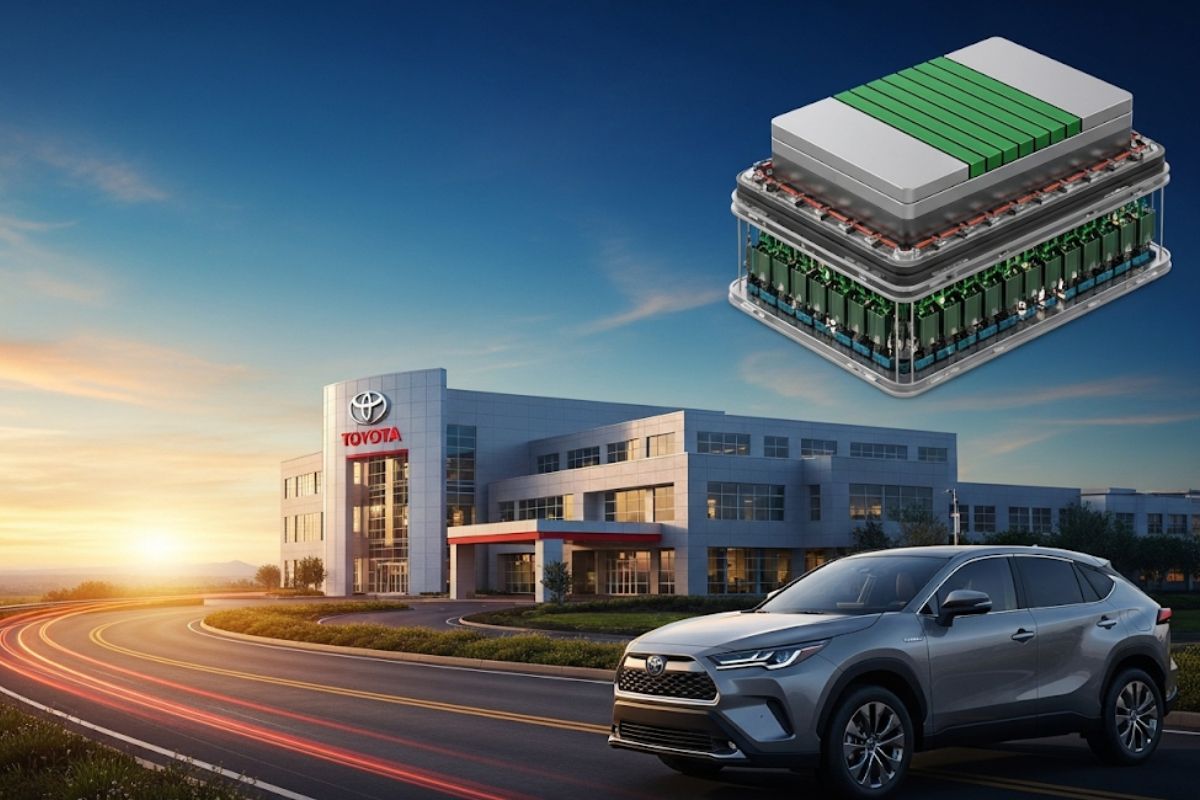
Toyota Announces Its New Solid-State Battery, Promising to Revolutionize Electric Cars with Record Range and Charging. Discover the Details, Challenges, and Expected Impact.
Toyota has revealed ambitious plans for its new solid-state battery (SSB). The Japanese company promises a range of up to 1,200 km and a charging time of 10-80% in just 10 minutes. If achieved, these goals could redefine the electric vehicle (EV) market.
This announcement signals a strategic pivot for Toyota, traditionally focused on hybrids. This article analyzes the technology behind the new solid-state battery, its commercialization plans, the challenges involved, and the potential impact on the global automotive industry.
The New Toyota Solid-State Battery and Its Promises
Toyota has outlined exceptional performance goals for its future SSBs. Initially, it envisions an SSB with a range of 1,000 km, a 20% increase over its next “Performance” lithium-ion battery (which targets 800 km). Subsequently, it plans a higher-spec SSB, with the potential for 1,200 km of range.
-
Goodbye expensive popular car: electric vehicle for less than R$ 70,000 starts being sold in Brazil with a range of 200 km and targets those looking to escape gasoline.
-
China Surprises Automotive Industry With Battery That Promises Electric Car Able to Run Up to 1,000 km Without Recharge
-
Why BYD Grew So Fast in Brazil and How Blade Batteries, Electric Cars, and Industrial Incentives Shaped This Expansion in the National Automotive Sector
-
Electric Cars Make Progress in Brazil in 2026 and Promise to Reduce Drivers’ Costs with Cheaper Energy, While Infrastructure Grows Slowly Across the Country
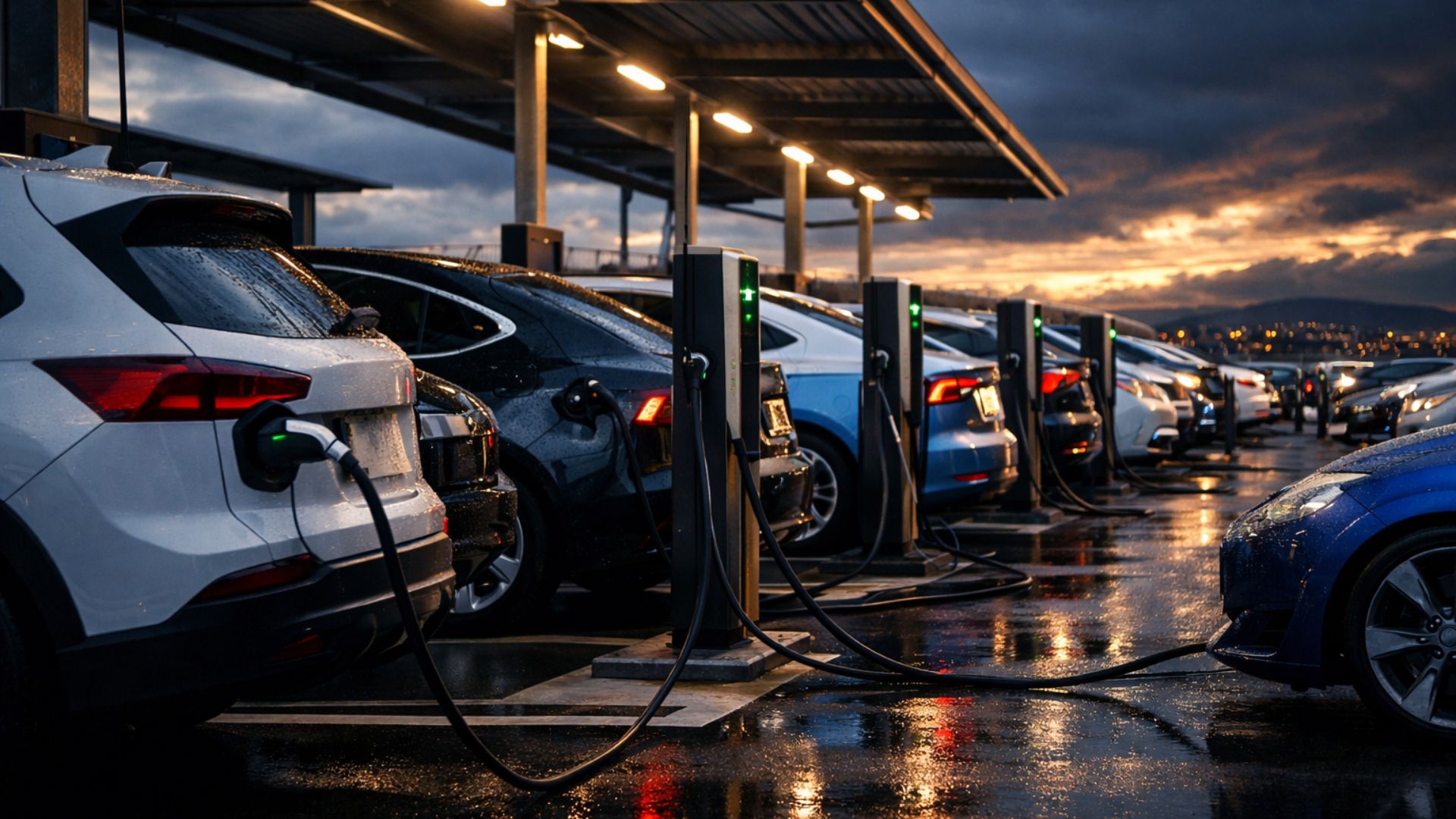

Equally transformative is the charging goal of 10 minutes (10-80% SOC). This would drastically reduce range anxiety, bringing the convenience of EVs closer to that of gasoline cars. These promises position Toyota to potentially surpass current market leaders in EVs.
When Will Toyota’s New Solid-State Battery Hit the Market?
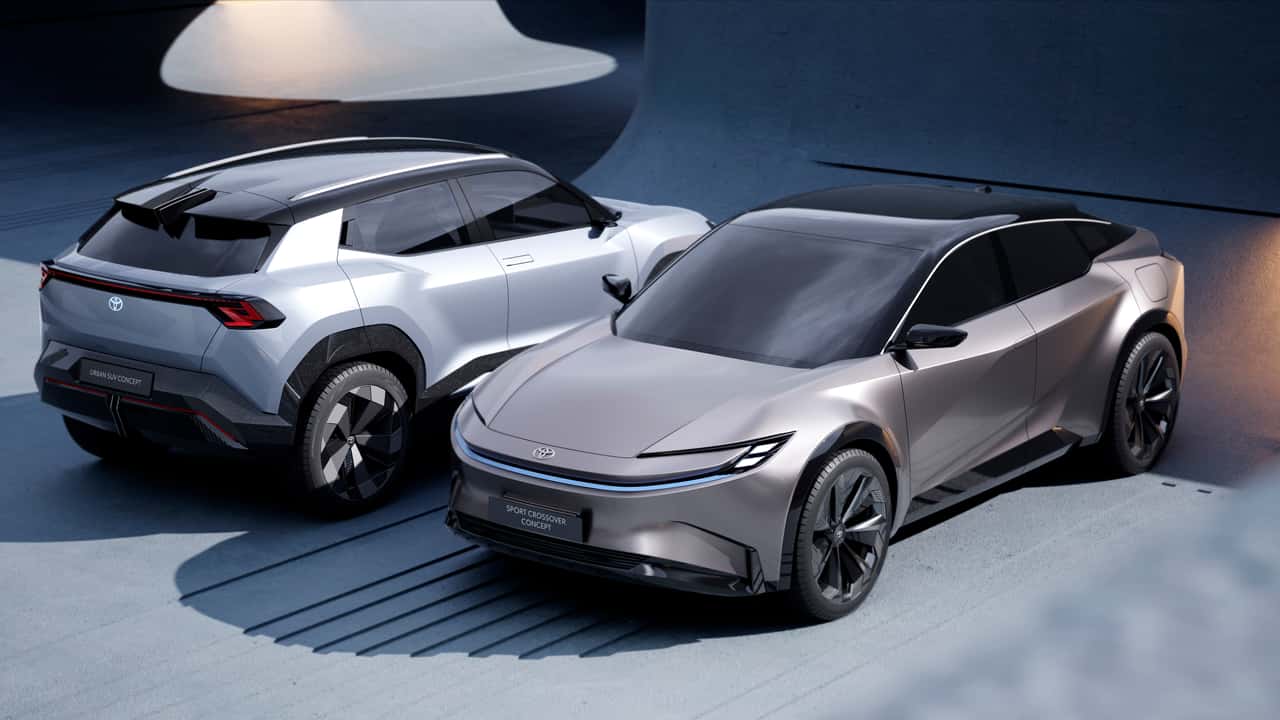
Toyota has established a roadmap for its SSB. Key development occurs between 2023 and 2025, with commercialization expected for 2027-2028. Initially, there was talk of introducing SSBs in hybrids (HEVs).
However, the primary focus is now on implementing SSBs in next-generation Battery Electric Vehicles (BEVs). This shift suggests confidence in the maturity of the technology for purely electric applications. Announcing such ambitious goals early aims to shape future industry benchmarks and attract resources.
Inside the Technology
Toyota’s SSB technology relies on sulfide-based solid electrolytes. These materials offer superior ionic conductivity at room temperature, crucial for fast charging and high power. Toyota claims advancements in overcoming historical challenges of these materials, such as moisture sensitivity and durability.
SSBs promise higher energy density, potentially double that of current lithium-ion batteries. A significant breakthrough claimed by Toyota is overcoming the short lifespan of SSBs, achieving over 1,000 charge/discharge cycles with minimal degradation. SSBs also offer inherent safety advantages, as they do not use flammable liquid electrolytes. Meanwhile, Toyota is researching Fluoride Ion Batteries (FIBs) for the very long term (post-2035).
Expert Opinions
Industry experts and analysts foresee robust growth for the SSB market but highlight challenges. The transition from lab to mass production of SSBs is a considerable hurdle. Issues such as interfacial stability, lithium dendrite formation, and manufacturing costs need to be addressed.
Toyota is not alone in this race. Competitors like QuantumScape (in partnership with VW), Samsung SDI, BYD, Nio, Honda, Nissan, LG, and Solid Power (in partnership with BMW/Ford) are also developing SSBs. Each is betting on different chemistries and timelines. Successful commercialization of SSBs by Toyota could accelerate the adoption of EVs but will require a new generation of high-power charging infrastructure. Toyota’s success will depend on the flawless execution of its manufacturing strategy and overcoming cost challenges.
Manufacturing and Partnerships: How Toyota Plans to Mass Produce Its New Battery
Toyota aims to halve battery costs per vehicle in the second half of the decade of 2020. For the SSBs, it expects manufacturing improvements to reduce costs over time. The company plans to invest approximately 1.5 trillion yen (about US$13.5 billion) in battery development and production by 2030.
Toyota’s battery plant in North Carolina (TBMNC) is a key component, with a total investment of US$13.9 billion and capacity exceeding 30 GWh annually by 2030. Globally, Toyota plans 70 battery production lines for BEVs by 2030. The strategic partnership with Idemitsu Kosan, announced in 2023, is fundamental. Idemitsu will develop mass production of solid sulfide electrolytes, with a plant expected by June 2027.








Seja o primeiro a reagir!