





 Portuguese
  English
  Spanish
  3 min of reading
  0 comments


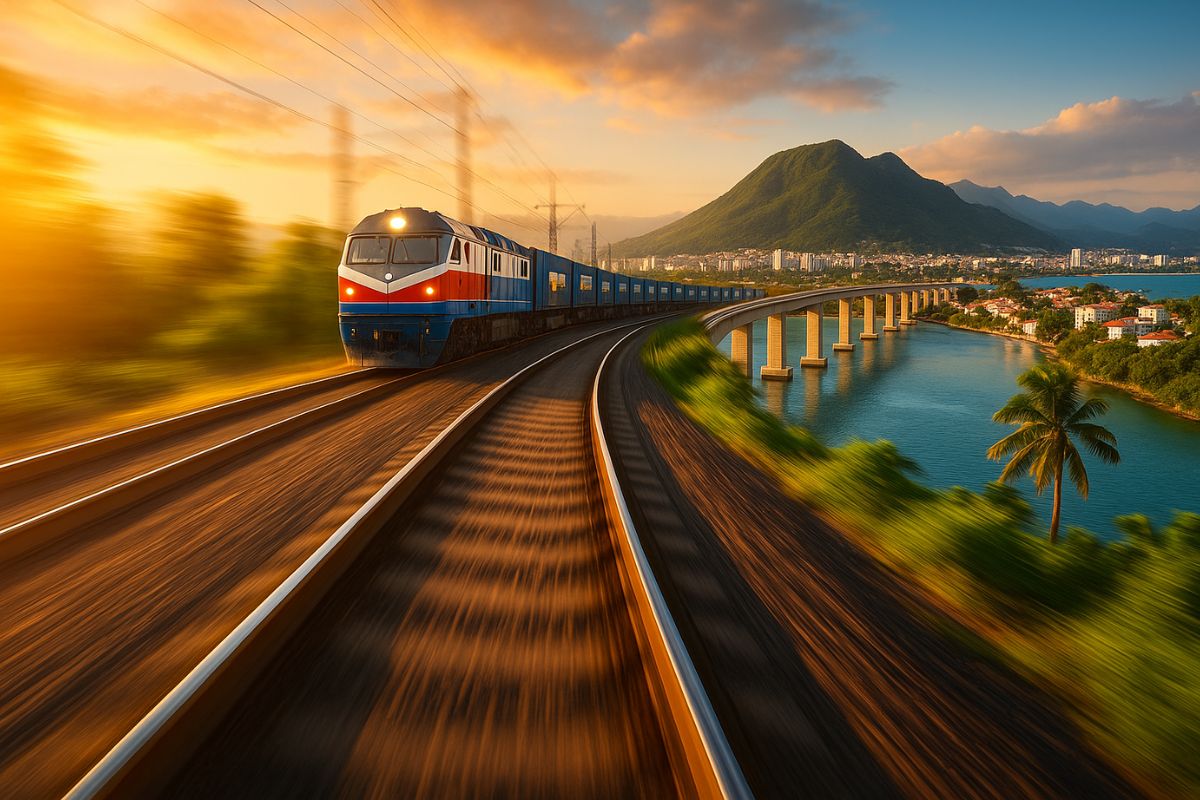
Financed by Vale as Part of the Renewal of Its Concession, the New Brazilian Railway in Espírito Santo, Known as Ramal Anchieta, Advances with an Innovative Business Model and the Promise to Transform Logistics in the Southeast.
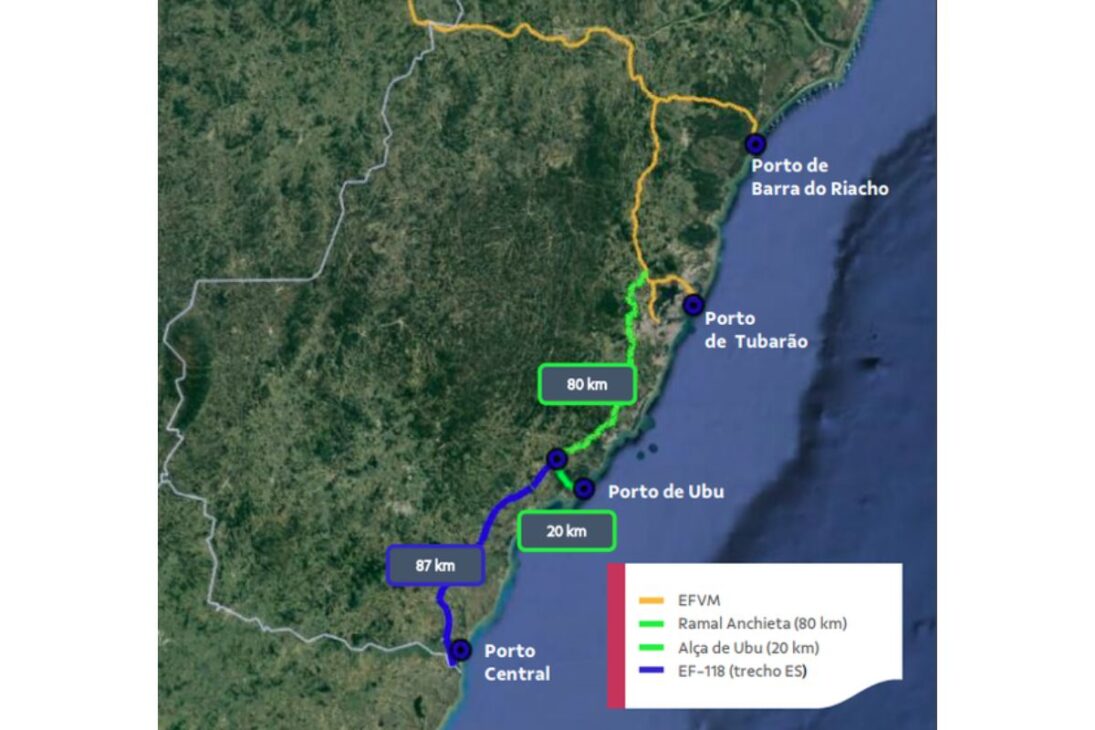
A new Brazilian railway is coming to life in Espírito Santo. The Ramal Anchieta, an extension of the historic Estrada de Ferro Vitória a Minas (EFVM), promises to create a new and vital logistics corridor, connecting the mountainous region of the state to the Ubu port complex in Anchieta.
The project, which is a counterpart from the mining giant Vale for the renewal of its concession, is also the first stretch of the future EF-118 Railway, which will connect Espírito Santo to Rio de Janeiro. The initiative is an example of the government’s new strategy to unlock investments in infrastructure, but it still faces complex challenges to be completed.
What Is Ramal Anchieta? The New Bet of Vale and the Government
The Ramal Anchieta is a project for the construction of a railway line of approximately 80 km. It will start from Santa Leopoldina, connecting to the existing EFVM network, and will run to the municipality of Anchieta, on the state’s southern coast.
-
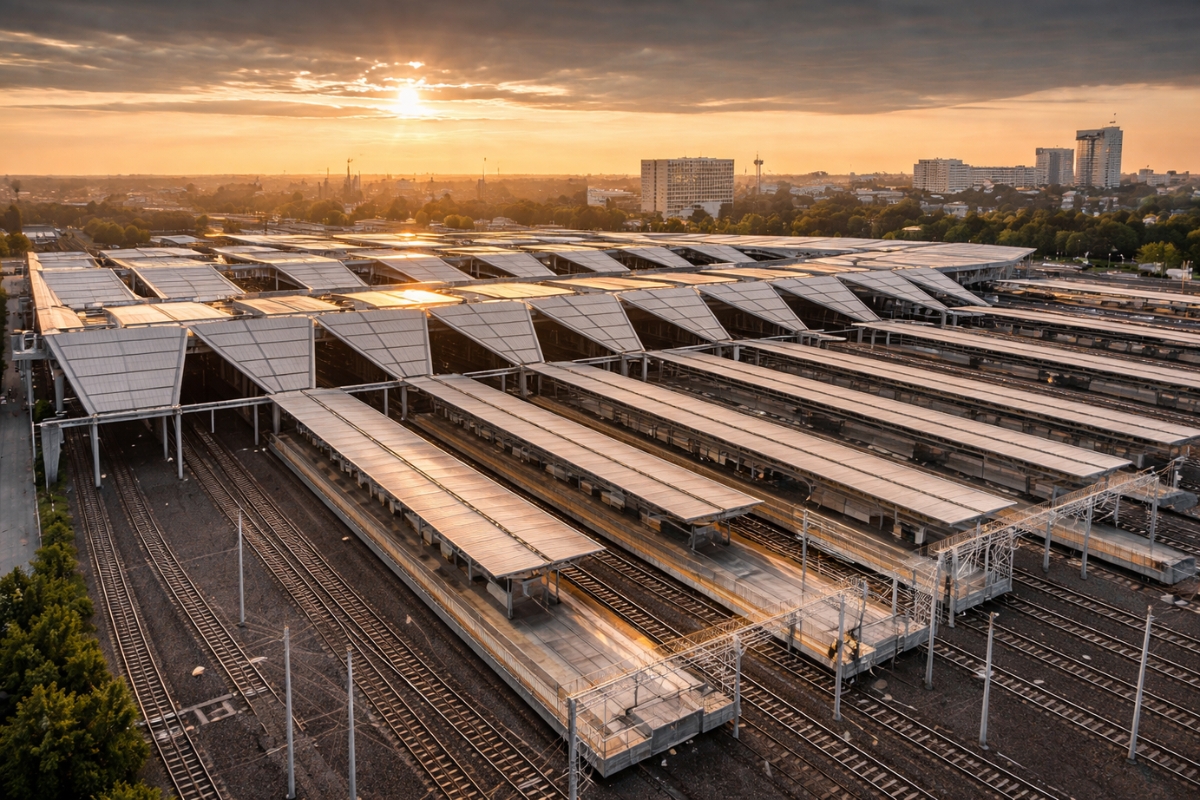
In A European City, The Country’s Largest Railway Junction Was Modernized Without Closing Its Doors, Kept Trains Running During Years Of Construction, Now Serves Up To 60,000 Passengers Per Day, And Installed Solar Panels That Generate About 30% Of Its Energy
-
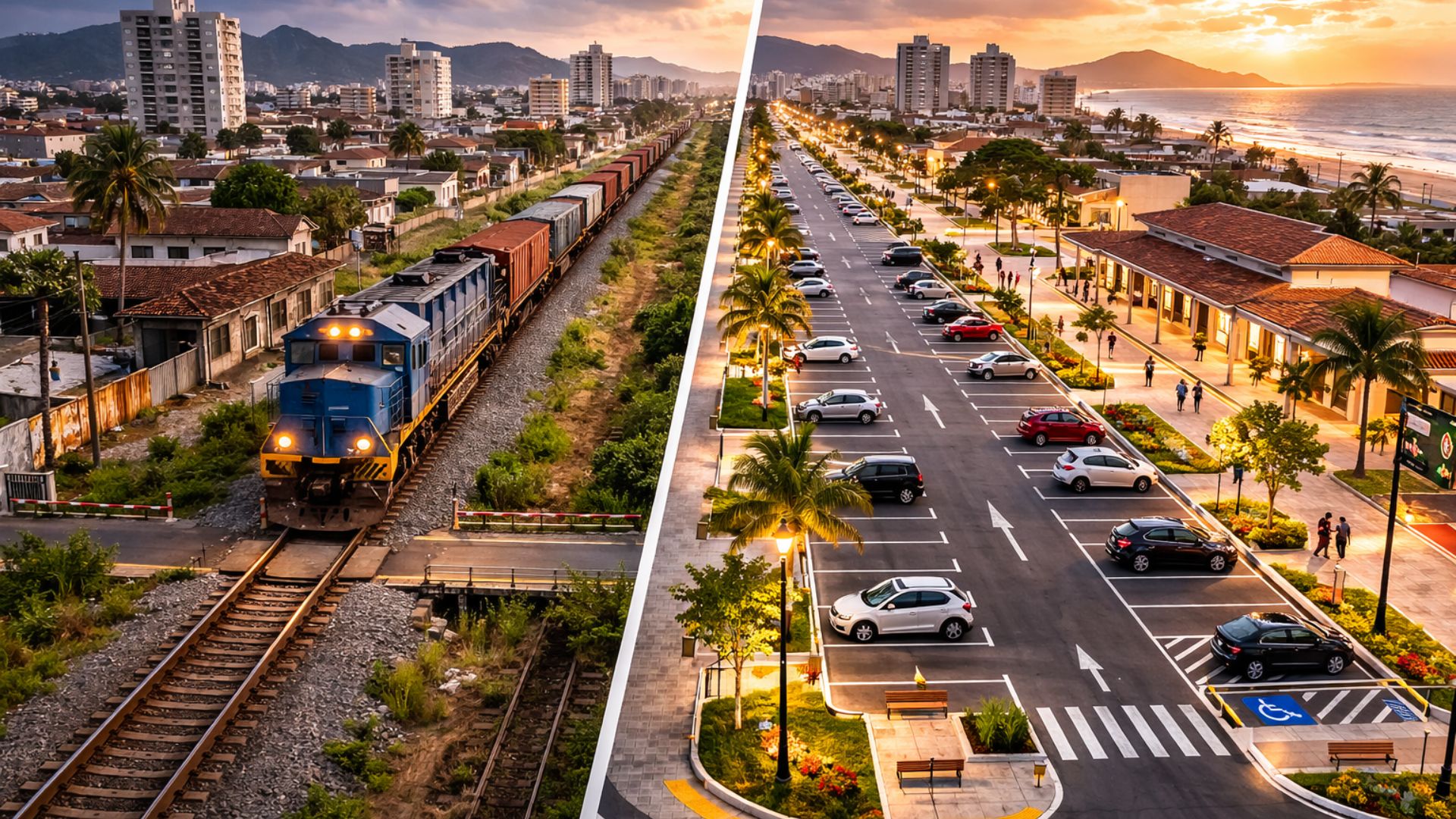
Famous Brazilian Railway May Become a Parking Lot
-
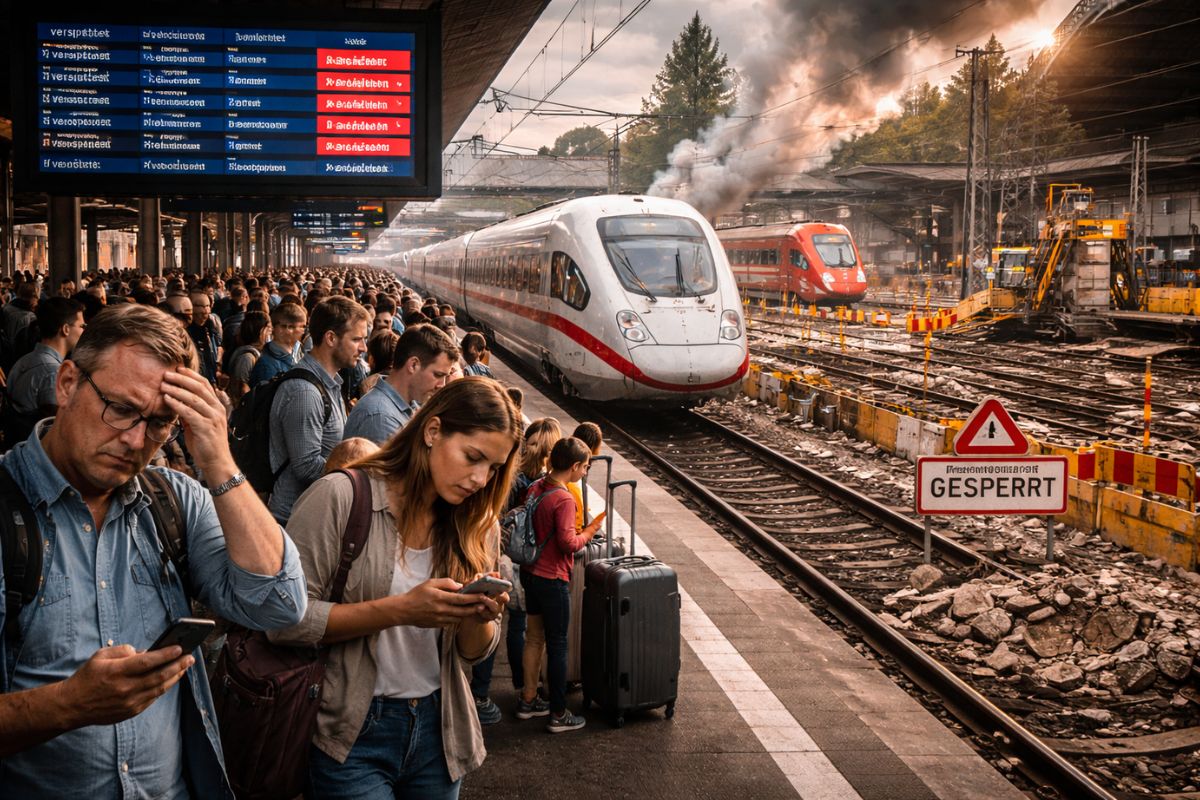
The Country of “Punctual As a Train” Admits It Has Lost Control: High-Speed Trains Delay, Stop, Disappear from the Map and Turn 6-Hour Trips into 10, While Deutsche Bahn Promises Restructuring in 2026 But Faces 19th Century Infrastructure, Staff Shortages and Sections Closed for Months
-
With an Investment of R$ 700 Million in One of the Country’s Main Rail Networks, VLI Reinforces Infrastructure, Receives 8 New Locomotives, and Expands the Corridor Connecting 7 States, Boosting Jobs and the Transportation of Grains, Ore, and Oil Products to the Port of Santos
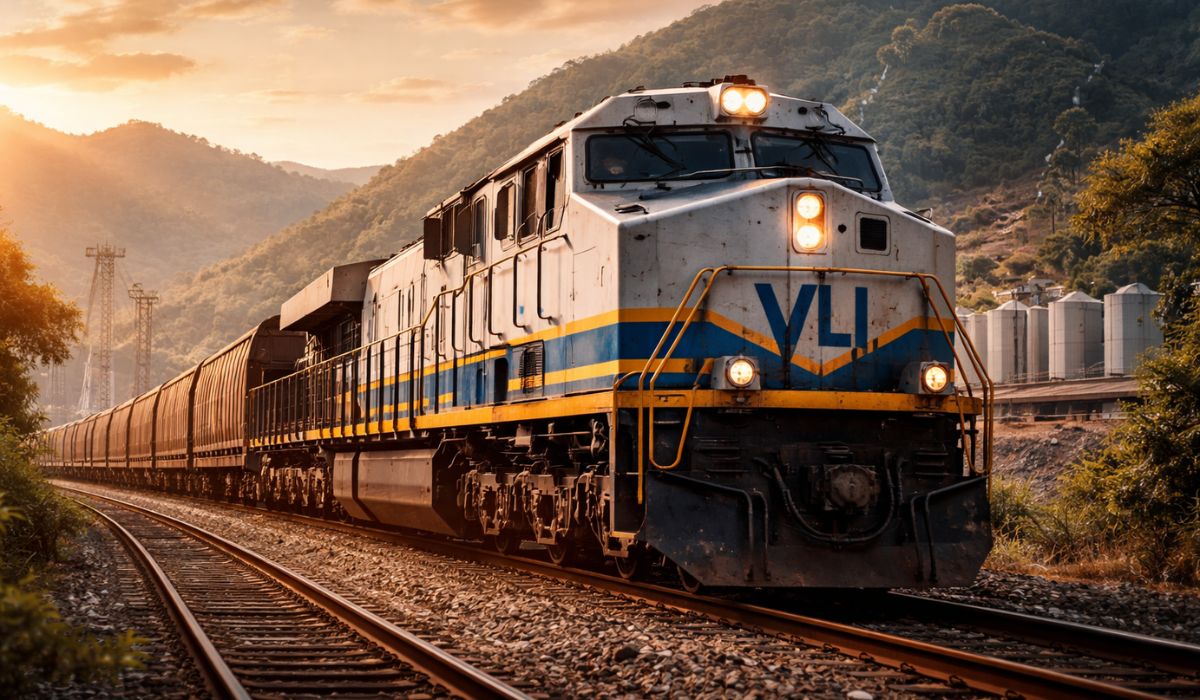

The main objective is to create a high-capacity drainage channel for the Ubu Port, operated by Samarco (a partnership between Vale and BHP). The railway was designed to transport not only iron ore but also agribusiness goods, ornamental rocks, and other products, increasing the competitiveness of the region’s ports.
The Engineering of the Business: The Renewal of Vale’s Contract and the Billion-Dollar Investment
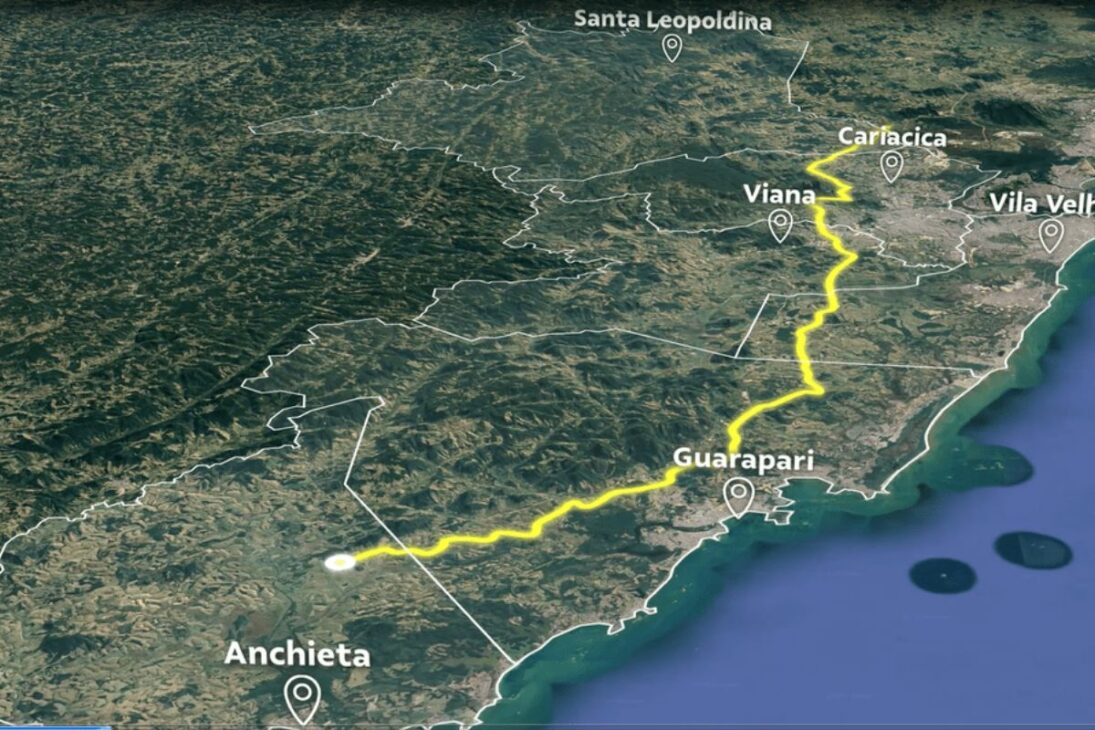
The construction of the Ramal Anchieta is one of the direct results of the early renewal of the EFVM concession contract, operated by Vale. To extend its concession, the company took on a series of investment obligations, including financing the new railway.
There is a discrepancy in the disclosed values that needs to be clarified. The direct cost of constructing the project is estimated at R$ 2.5 billion. However, Vale’s total investment obligation in the project, which includes expropriations, compensations, and other costs, reaches R$ 6 billion.
The Change of Plans: The Proposal for a New Concession in 2025
Initially, it was expected that Vale itself would build and operate the branch. However, the Federal Government, through the Ministry of Transport, led by Minister Renan Filho, proposed an innovative business model.
The new strategy is for Vale to finance the work, but for the construction and operation to be carried out by another company, which will win a new concession auction. To discuss this new model, the National Land Transport Agency (ANTT) held public hearings in January 2025.
Environmental Licensing and More Than 700 Expropriations
Despite the strong political support from the governor of Espírito Santo, Renato Casagrande, and organizations such as the Federation of Industries (Findes), the project faces two major obstacles.
The first is the complex environmental licensing process, being conducted by the state agency IEMA. The second, and perhaps the biggest challenge, is the need to expropriate more than 700 properties along the railway’s route, a lengthy and highly complex social and legal process.
The Realistic Timeline: When Will the New Brazilian Railway Come to Life?
The construction phase of the new Brazilian railway is estimated at 60 months, or five years. However, this timeline only begins to count after the completion of all licenses and expropriations.
Although the government and the company have presented optimistic timelines, the complexity of these initial stages makes a short-term conclusion unlikely. The most realistic projections from industry experts indicate that the railway should begin operations around 2032.








Seja o primeiro a reagir!