





 Portuguese
  English
  Spanish
  5 min of reading
  0 comments


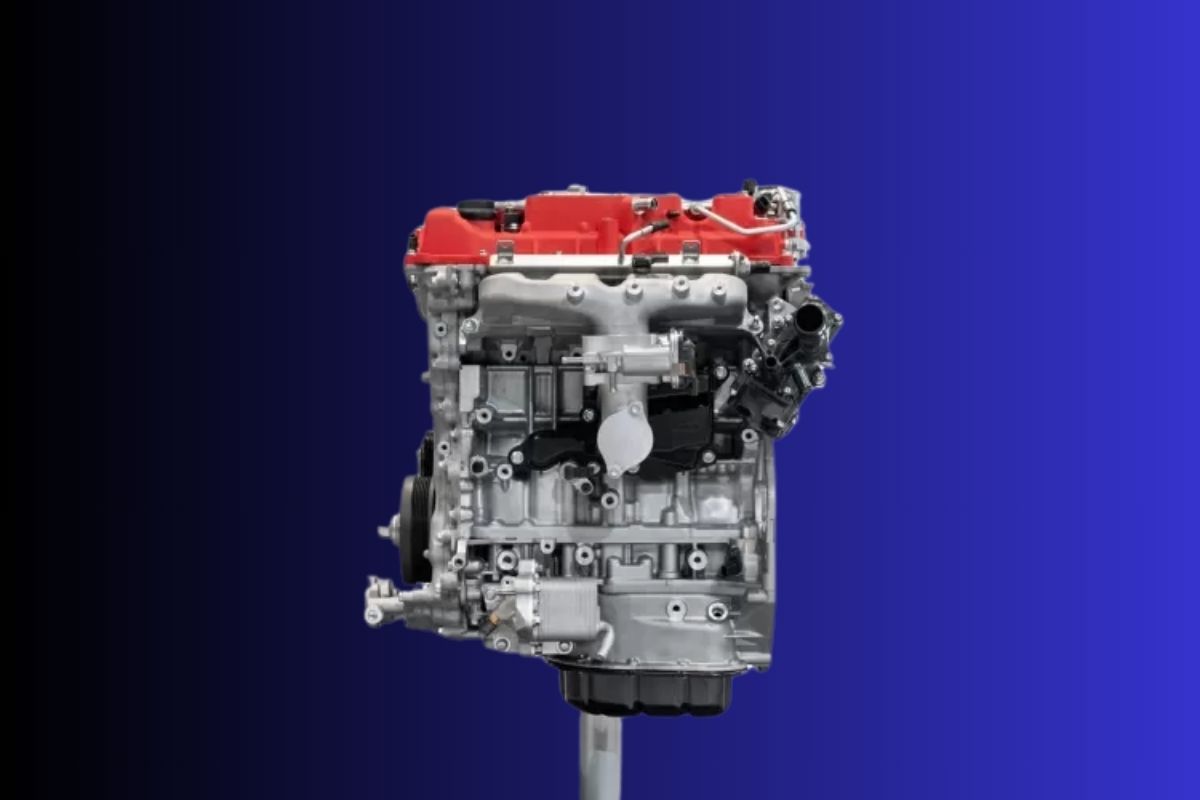
In A Strategic Move, Toyota, Mazda, And Subaru Invest In A New Generation Of Combustion Engines, Deeply Hybridized And Designed To Be Compatible With Carbon-Neutral Fuels. Discover The Japanese Vision For A More Efficient And Sustainable Automotive Future.
Amidst the intense race for the total electrification of vehicles, the renowned Japanese automakers Toyota, Mazda, and Subaru present a differentiated and pragmatic strategy. They are heavily investing in a new generation of combustion engines, but with a modern approach: deeply hybridized and ready for the future of fuels.
This article analyzes this important technological offensive. We will detail Toyota’s new four-cylinder engines, Mazda’s surprising revival of the Wankel rotary engine in a hybrid configuration, and the evolution of Subaru’s e-BOXER system. Discover how these innovations seek maximum efficiency and a path to carbon neutrality.
Why Invest In Combustion Engines In The Electric Era? The Japanese Vision
The global transition to fully electric vehicles (BEVs) faces significant challenges. Among them are the high cost of batteries, the still insufficient development of charging infrastructure in many regions, and varied consumer acceptance.
-
OMODA & JAECOO grows in Europe in 2026 with an integrated strategy of sales, innovation, local production, and technological advancement in the United Kingdom, Italy, and Spain.
-
OMODA & JAECOO expands after-sales service in Brazil with competitive maintenance, a 7-year warranty, and high availability of parts for technological SUVs.

-
OMODA & JAECOO appoints Alessandra Souza as executive marketing director in Brazil and accelerates brand expansion with a focus on innovation, networking, and hybrid portfolio.

-
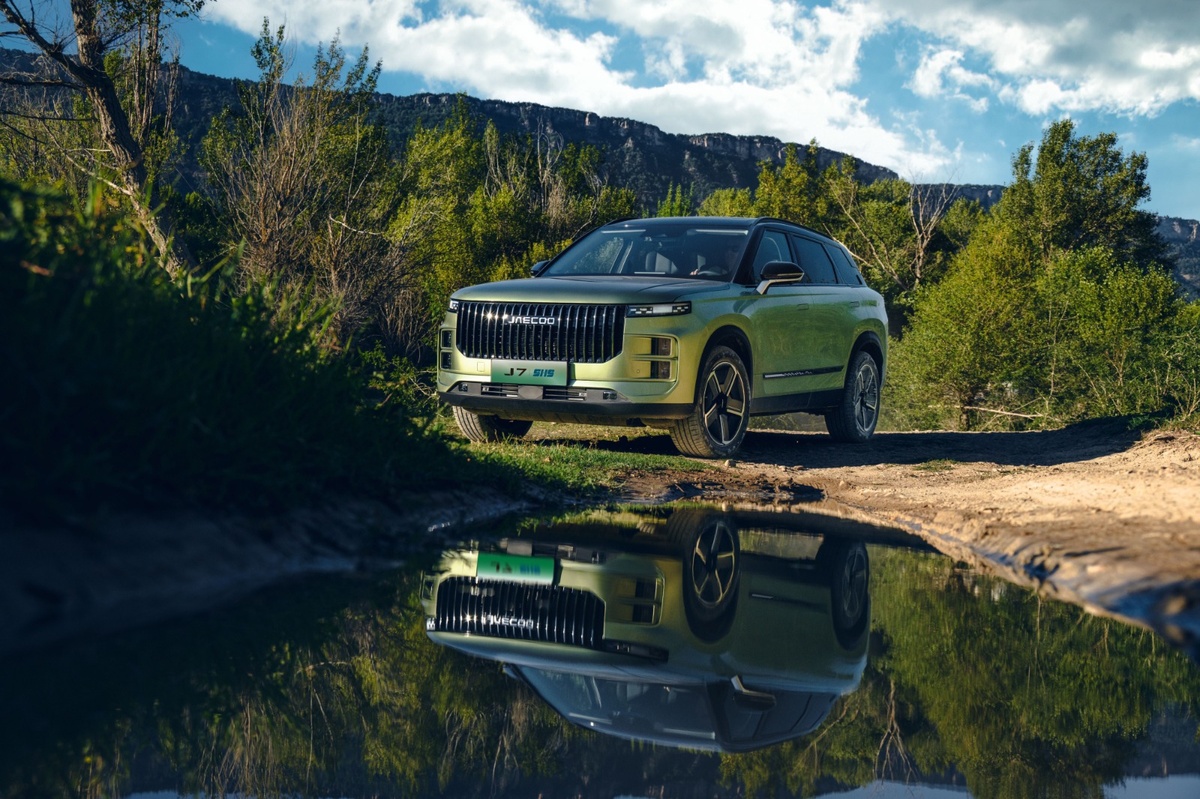
Jaecoo 7 with super hybrid SHS system exceeds 1,200 km of combined range with a 1.5 turbo engine, high-density battery, and intelligent energy management.

In this context, the Japanese automakers Toyota, Mazda, and Subaru see advanced hybrid systems not only as a transition technology but as a viable and lasting solution for decarbonization. Toyota’s “multi-pathways” strategy advocates that different electrified solutions should coexist to meet a broader spectrum of demands.
Toyota: The Evolution Of Four-Cylinder Engines To Cutting-Edge Hybrids
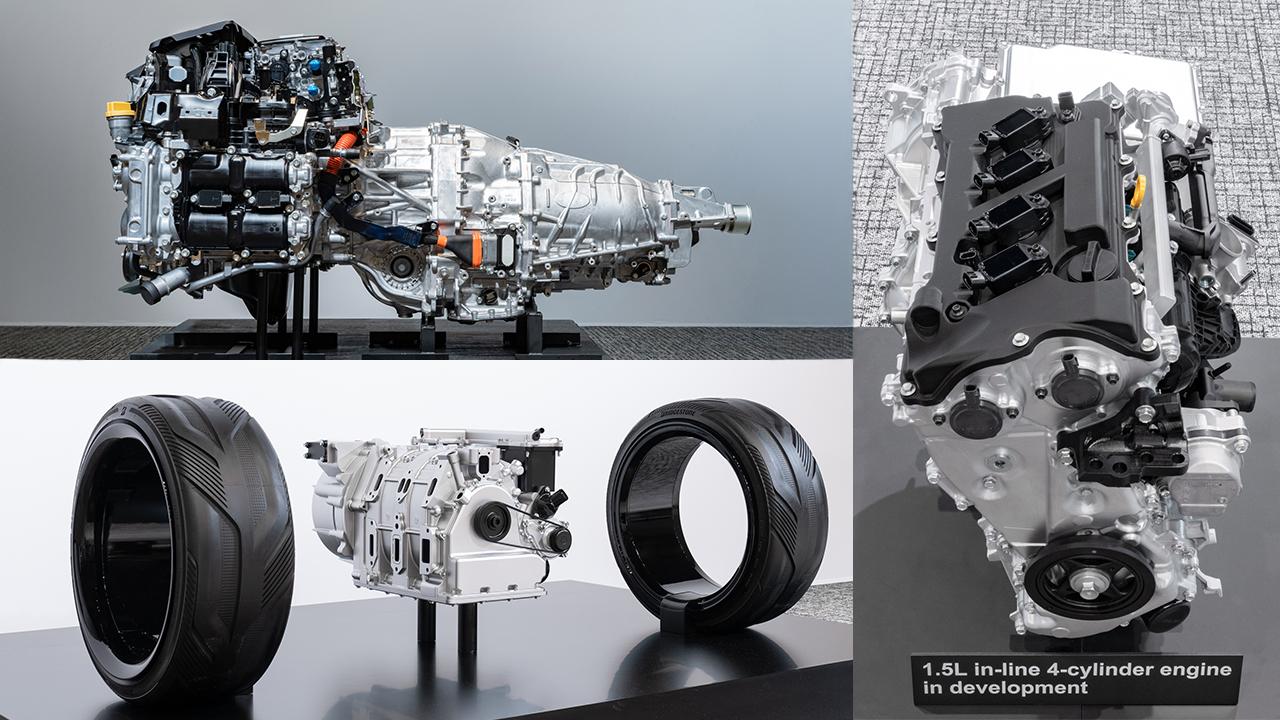
Toyota is investing in the development of a new family of four-cylinder engines (1.5L, 2.0L, and 2.5L). These engines, conceived under the “ENGINE ReBORN” concept, are designed from the ground up for maximum synergy with electrical systems. They will form the basis for the brand’s 5th and 6th generation hybrid systems (HEV and PHEV), which will equip models such as the 2026 RAV4 and future generations of the Corolla Hybrid. The goals include high thermal efficiency (up to 45% for the 1.5L naturally aspirated engine) and greater electric range for the PHEVs (the RAV4 PHEV aims for around 80 km).
Technical innovations are crucial. The new engines are more compact, allowing for vehicle designs with better aerodynamics. Additionally, Toyota is adopting Silicon Carbide (SiC) semiconductors in the inverters of its plug-in hybrid systems, which reduces energy losses and allows for smaller and lighter control units.
Mazda And The Revival Of The Wankel: Rotating And Hybrid Sportiness
Mazda, known for its history with the Wankel rotary engine, signals a bold return of this technology, now rethought for the hybrid era. The Mazda Iconic SP concept, unveiled in 2023, anticipates a future sports model. It would be equipped with a hybrid system based on a two-rotor rotary engine, with a declared power of 272 kW (365 hp). This initiative follows the more modest reintroduction of the rotary engine in the Mazda MX-30 e-Skyactiv R-EV, where a single rotor unit acts as an efficient range extender, recharging the battery.
One of Mazda’s focuses is the compatibility of its new hybrid rotary engine with a variety of carbon-neutral fuels, such as hydrogen, advanced biofuels (including those from microalgae), and e-fuels (synthetic fuels). The company claims that this combination has the potential to reduce CO2 emissions by up to 90%. This strategy fits into Mazda’s “Lean Asset” and “Multi-Solution” approaches, seeking flexibility and investment optimization.
Subaru e-BOXER: Tradition And Innovation In The Hybrid System With All-Wheel Drive
Subaru is advancing its electrification with a next-generation series-parallel hybrid e-BOXER system. It will debut in the North American market with the 2025 Forester Hybrid and will also equip the 2026 Crosstrek. The system combines a 2.5-liter SUBARU BOXER engine (operating in the Atkinson or Miller cycle for greater efficiency) with electric motors, resulting in a total power of 194 hp. For the Forester Hybrid, Subaru projects fuel efficiency gains of up to 40% in the city.
A pillar of Subaru is its Symmetrical All-Wheel Drive (AWD) system. The company ensured that the new e-BOXER hybrid technology integrated seamlessly with this all-wheel drive architecture without compromising the off-road capability or the brand’s characteristic drivability, which is highly valued by its customers, especially in low-traction conditions.
The Bet On Carbon-Neutral Fuels
A common commitment among Toyota, Mazda, and Subaru is the development of the new generation of combustion engines that are compatible with a variety of carbon-neutral fuels. This includes e-fuels (synthetic fuels produced with renewable energy), advanced biofuels (derived from non-food biomass, such as agricultural waste or algae), and even liquid hydrogen for use in adapted internal combustion engines.
The vision behind this bet is that these fuels, if produced in a truly sustainable manner, can drastically reduce greenhouse gas (GHG) emissions over the lifecycle of vehicles. However, the large-scale viability of carbon-neutral fuels still faces significant challenges, such as production costs and the need to scale their manufacturing sustainably.
Advanced Hybrids Vs. Electric (BEVs): What Does The Life Cycle Analysis Say?
The comparison of the environmental impact of different automotive technologies is complex and requires a Life Cycle Assessment (LCA). Studies indicate that battery electric vehicles (BEVs) generally have lower GHG emissions over their life cycle in regions with clean electrical grids. However, the production of their batteries has a higher initial carbon footprint. Hybrids (HEVs and PHEVs) offer significant reductions compared to gasoline cars and, when combined with carbon-neutral fuels, can have very competitive life cycle performance.
Market projections for 2030 indicate that despite the growth of BEVs, a substantial share of the global fleet (about 85% of light vehicles, according to estimates from the International Energy Agency) will still consist of combustion engine vehicles, including hybrids. This validates the strategy of offering hybrids as a smoother transition option for many consumers, without the “range anxiety” and with a favorable Total Cost of Ownership (TCO) potential. Hybrids exert less pressure on critical mineral resources for batteries per vehicle.









Seja o primeiro a reagir!