





 Portuguese
  English
  Spanish
  3 min of reading
  0 comments


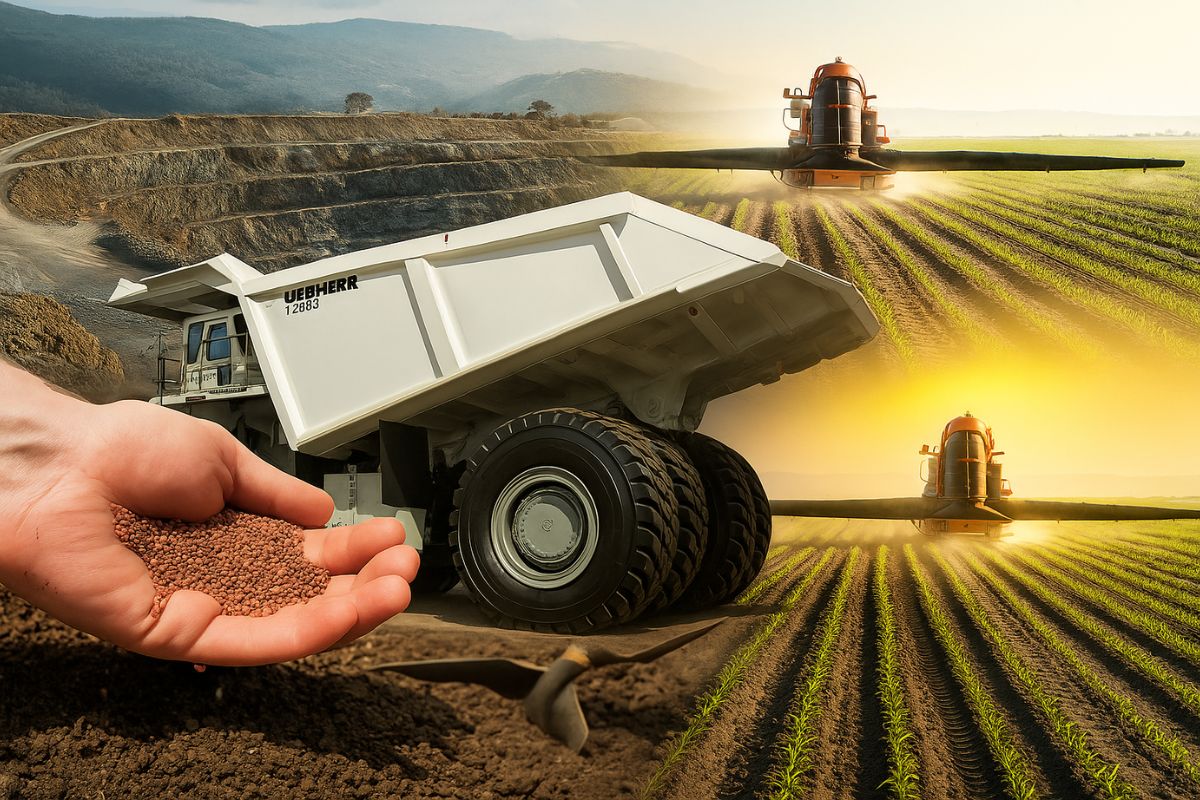
The Project of the New Brazilian Potash Deposit That Promises to Reduce Dependence on Russia but Faces Legal Challenges and Resistance from the Mura Indigenous People.
Brazil, a global agricultural powerhouse, faces a paradox: its vast production depends on the importation of potash, an essential nutrient for fertilizers. About 95% of the potash consumed in the country comes from abroad, creating a significant strategic vulnerability. In this context, a new Brazilian deposit in the Amazon emerges as a potentially transformative initiative.
This article analyzes in depth this new Brazilian deposit. We will explore the strategic and economic potential of the project in the face of its complex environmental, social, and legal challenges, especially the conflict with the Mura indigenous people.
The Potash Dilemma: The Strategic Dependence of Brazilian Agriculture
Potash is one of the three macronutrients essential for plant growth. In Brazil, one of the largest food producers in the world, its availability is critical for agricultural productivity and national food security.
-
A couple buys an old chalet, breaks the kitchen floor for renovation, and finds over a thousand coins of gold and silver hidden since the English Civil War over 4 centuries ago.
-
Rigid bags with their days numbered: new trend prioritizes comfort in 2026.

-
YouTuber creates an excavator equipped with a giant 4.5-meter sword to challenge his brother to a rematch, and the invention quickly goes viral on social media.

-
The U.S. Army surprises the world by presenting the UH-60MX Black Hawk helicopter capable of flying without pilots, controlled by a tablet, featuring the MATRIX system, smart sensors, and full autonomy in real combat and rescue missions.


Despite this, the country faces severe external dependence. Brazil imports between 95% and 98% of its potash needs. Our main historical suppliers are Canada, Russia, Belarus, and Germany. This dependence exposes agriculture to international price volatility and geopolitical risks, such as those that arose with the conflict between Russia and Ukraine, which affected the global fertilizer market.
Potassium Autazes Project: The Promise of Autonomy in the Amazon
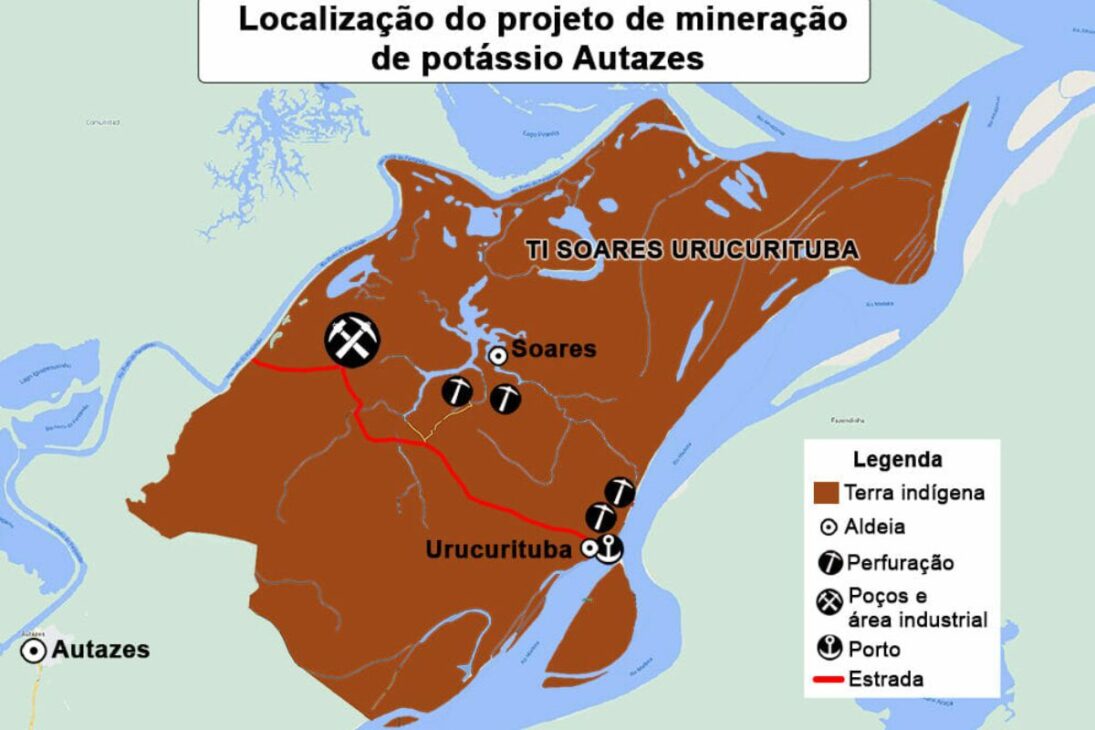
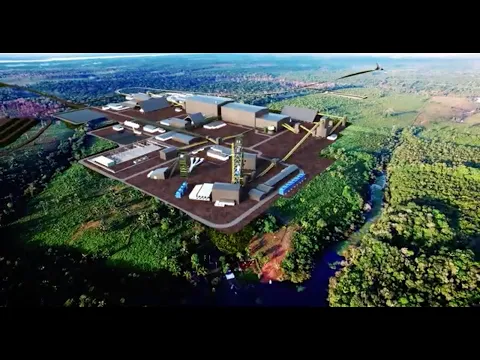
In light of this situation, the Potassium Autazes Project emerges as a strategic solution. Located in the municipality of Autazes, 120 km from Manaus, the project aims to exploit a vast deposit of sylvinite to extract potassium chloride.
The responsible company, Brazil Potash Corp., plans an annual production capacity of 2.44 million tons, with a lifespan of over 23 years. This volume could meet about 20% of Brazilian demand, representing a giant step towards self-sufficiency. The total investment in the project is estimated at around US$ 2.5 billion.
The New Brazilian Deposit and the Mura People
However, the project is at the center of a complex socio-environmental dispute. The new Brazilian deposit is located in the heart of the Amazon Basin and overlaps territories traditionally occupied by the Mura indigenous people.
Mineral exploration in indigenous lands, even if not officially demarcated, requires prior, free, and informed consultation, according to ILO Convention 169. Indigenous organizations and the Federal Public Ministry (MPF) contest the validity of the consultation carried out, alleging manipulation and exclusion of directly affected communities. Furthermore, there are major environmental concerns regarding the risks of deforestation and contamination of regional rivers.
The Legal Battle and the Risks of the Project
Legal experts and analysts are monitoring the long judicial battle surrounding the project. One of the main controversies is about the competence for environmental licensing: whether it should be the responsibility of the state agency (IPAAM) or the federal one (IBAMA). The MPF and indigenous organizations argue that, due to the impact on indigenous lands and the Amazon, the competence should belong to IBAMA.
Recently, decisions from the Federal Regional Court of the 1st Region (TRF1) were favorable to the company, confirming the competence of IPAAM and validating the indigenous consultation conducted. Experts point out, however, that these decisions are contested and that the conflict is far from over. The situation is seen as a “stress test” for the development model in the Amazon, balancing economic interests with indigenous rights and environmental protection.
Feasibility and Next Steps for Autazes Potassium

The Potassium Autazes Project offers a real opportunity for Brazil to reduce its external dependence. The projected economic benefits, in terms of jobs and tax revenue, are substantial. However, the narrative of “liberation” needs to be viewed with pragmatism.
The project will supply part, but not all, of the national demand. Its long-term viability and legitimacy depend on a fair solution to the conflict with the Mura people and robust environmental safeguards. The success of this new Brazilian deposit will not be measured only in tons of potash, but in the ability to reconcile development with sustainability and respect for human rights.





-

2 pessoas reagiram a isso.