





 Portuguese
  English
  Spanish
  3 min of reading
  45 comments





Shale Processing Unit in São Mateus do Sul, Located Over One of the Largest Reserves in the World, Was Transferred by Petrobras to Canadian Questerre and Is Now Being Challenged by Oil Workers
The Petrobras has returned to the center of a controversy involving Brazilian energy sovereignty. In 2022, the state-owned company sold the Shale Processing Unit (SIX) in São Mateus do Sul (PR) for just US$ 41.6 million to Canadian F&M Resources, a subsidiary of Forbes & Manhattan. The unit was subsequently taken over by Questerre, also Canadian, and since then the value of the transaction and its conditions have been legally challenged by the Oil Workers’ Union of Paraná and Santa Catarina (Sindipetro PR/SC).
According to a report from Isto É Dinheiro, the union claims that the sale was made in a non-transparent manner and raises questions about strategic contracts, environmental responsibilities, and the fate of mining areas linked to the plant. The SIX sits atop one of the largest shale reserves in the world, which amplifies the controversy over the sale price and its impacts on the country.
Why the SIX Is Considered Strategic
The Petrobras operated the SIX for decades as a research, production, and shale processing center.
-
Unemployment rises again to 5.8% at the beginning of 2026, raising alarms about the end of temporary positions and its impact on the Brazilian job market.

-
Document organization can cut invisible costs in small businesses, a simple step that prevents waste, rework, and losses in daily operations.

-
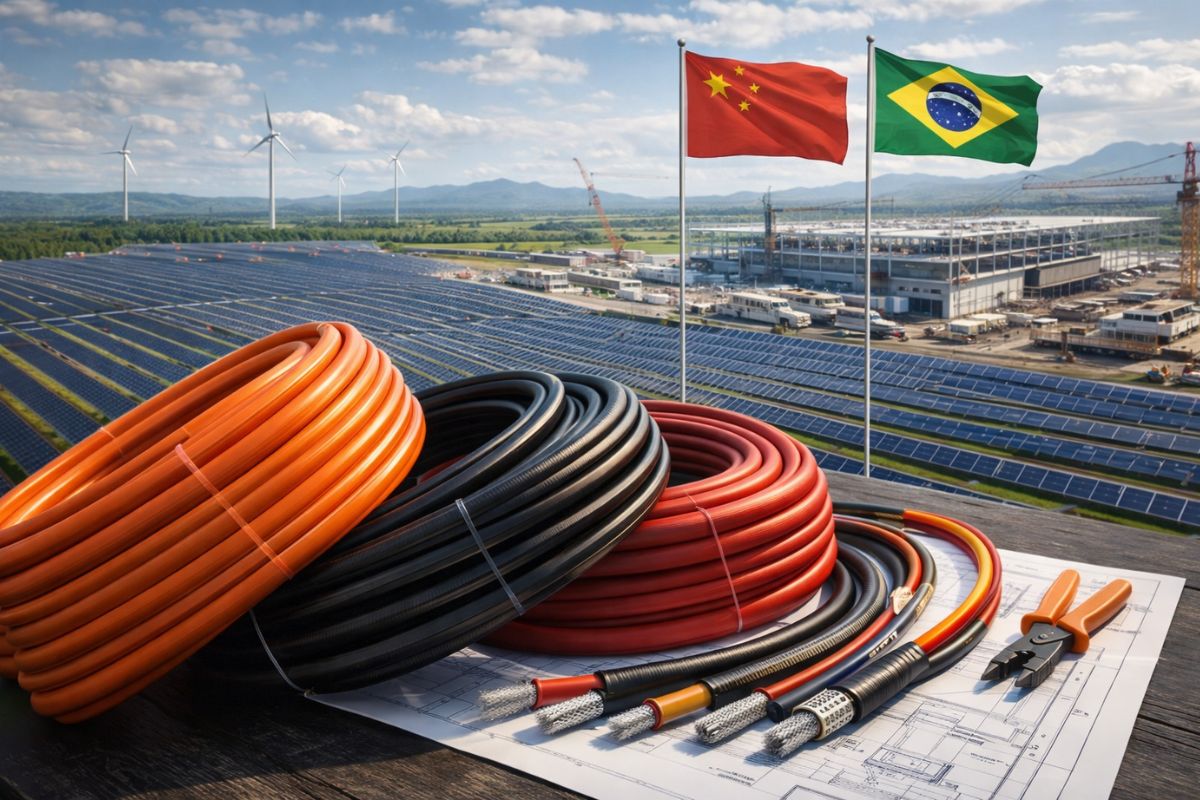
Chinese giant worth nearly R$ 4 billion that manufactures cables for electric cars, solar energy, and robotics wants to open a factory in SC.
-
Many employers do not know, but the law guarantees domestic workers a 25% increase in salary during trips, 50% for overtime, 20% for night shifts, and 17 additional benefits that can lead to labor lawsuits if not paid.

The unit generates derivatives such as LPG, diesel, and naphtha, in addition to producing inputs for the chemical sector.
Being situated above a reserve considered unique on a global scale, experts classify the asset as strategic for national energy security.
Shale is a sedimentary rock that, when processed, releases fossil fuels.
This technology positions the SIX as a key element for energy diversification.
The sale for a considered low value sparked reactions from workers and experts, who question whether Brazil gave up a long-term resource in exchange for immediate financial gain.
What the Union Wants to Clarify
The Sindipetro PR/SC filed formal information requests to Petrobras and the Ministry of Mines and Energy (MME). Among the points raised are:
Post-Sale Investments: it is claimed that Petrobras continued to invest resources in the SIX even after the sale.
Strategic Contracts: concerns regarding the transfer of commitments from the subsidiary Paraná Xisto S.A. (PX Energy S.A.) to Questerre.
Mining Areas: lack of clarity regarding the fate of the lands linked to the operations.
Environmental and Labor Liabilities: determination of who will bear any potential environmental damages, debts, or future tax obligations.
Attorney Rodrigo Salgado, who represents the oil workers, states that “the process was born surrounded by controversies and needs clear answers to society”.
The Impact for Brazil and the Region
The sale of the SIX affects not only Petrobras’s coffers but also the economy of São Mateus do Sul, which is heavily dependent on the plant’s activities.
Workers and residents fear job losses and environmental insecurity following the change of control.
Moreover, critics point out that the alienation of a strategic asset to a foreign company raises debates about energy sovereignty.
In times of transition to clean energies, maintaining control over fossil reserves may represent a geopolitical and economic advantage — something that, according to the oil workers, Brazil would be losing with this operation.
A Dispute That Is Likely to Drag On
As unions and legal entities expand the debate, Petrobras defends the legality of the transaction within its divestment process.
However, the value of US$ 41.6 million continues to be a target of criticism, as it would be incompatible with the strategic relevance of the SIX.
The dispute promises new chapters in the courts and the political arena, keeping alive the discussion about the direction of national energy policy and the conduct of privatizations in sectors deemed strategic.
Do you think Petrobras did well to sell the SIX for this price or did Brazil give up a strategic resource for too low a price? Share your opinion in the comments — we want to hear from those who live this reality up close.










APENAS 3,5% DAS TERRAS DO BRASIL PLANTADAS EM CANA , 25 MI DE HA, SUBSTITUEM TODO NOSSO PETRÓLEO POR ETANOL E AINDA, SUBSTITUI TODO NOSSO CARVÃO POR CARVÀO VEGETAL.
(25 MI DE HA X 8000L/HA = 200 bilhões de litros/ano).
A custo muito menor que o pré-sal eleitoral.
BRASIL TEM 880.000 GW EÓLICOS DISPONÍVEIS. 6 X nosso consumo. Só usamos 140.000 GW elétricos, de todas as fontes . ESTUDO DA ELETROBRÁS MOSTRA Q UMA USINA EÓLICA SE PAGA EM 2 SEMANAS, comparadas ao combustível consumido por uma usina equivalente a petróleo .
Baterias de s**** e de titânio-alumínoo-grafeno aposentarào o lixóleo, digo petróleo.
Quando o mundo está prestes a abandonar o petróleo, estes dinossauros energéticos do PT querem recomprar este lixo.
SÓ A BAHIA TEM MAIS ENERGIA EÓLICA DISPONÍVEL QUE TODA NOSSO PARQUE ELÉTRICO.