





 Portuguese
  English
  Spanish
  3 min of reading
  0 comments


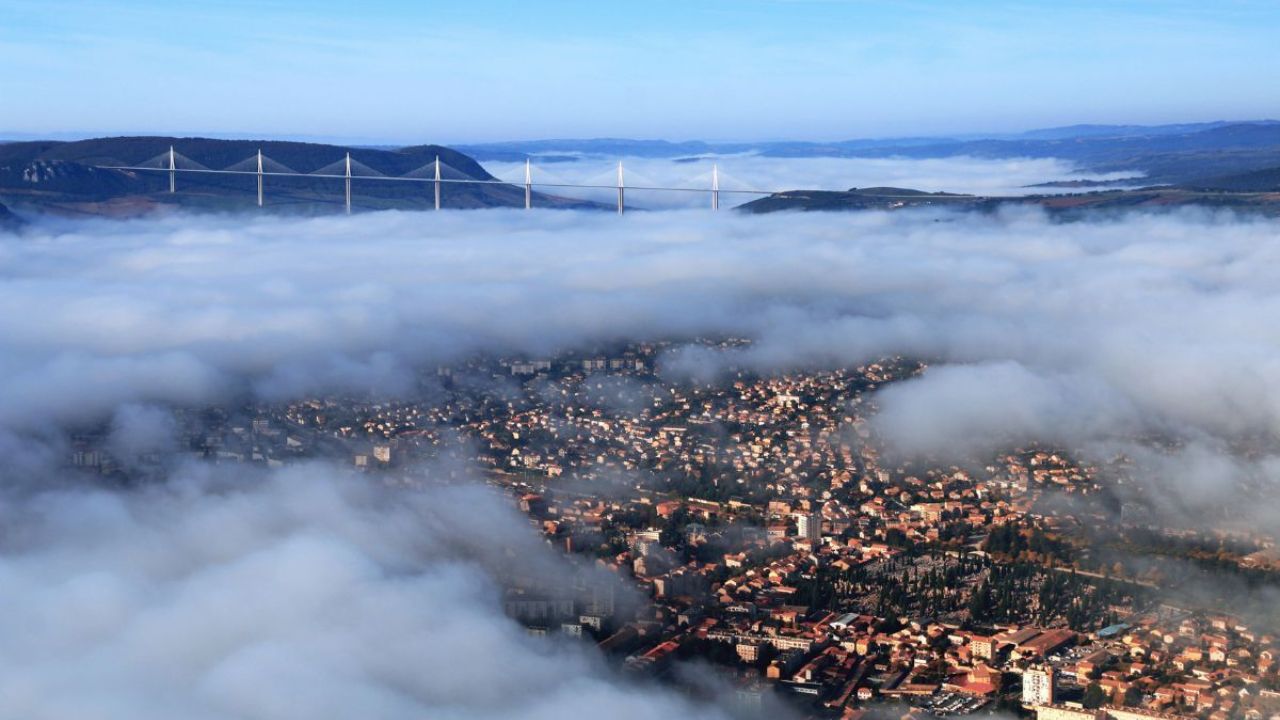
A Monumental Work: 2,437 Meters Long, 344 Meters High, and an Impact That Crosses Borders!
The Millau Viaduct is not just a bridge; it is a true landmark of modern engineering. Located in southern France, this colossal structure completely changed the game by becoming one of the tallest bridges in the world. With its imposing silhouette and breathtaking design, it is considered one of the most impressive constructions in recent history, known as the bridge above the clouds.
And it is not just a means of passage for vehicles, but a true functional work of art. Designed to unite beauty and efficiency, the bridge has become a tourist attraction in its own right, drawing people from all over the world, fascinated by its grandeur and the impact it has had on European infrastructure.
The Grandeur of the Millau Viaduct, the Bridge Above the Clouds

The numbers of the Millau Viaduct speak for themselves: it is 2,437 meters long and 344 meters high, making it taller than the Eiffel Tower itself! To give you an idea, its magnitude is such that it can be seen from space. Amazing, right?
-
Florianópolis will receive a million-dollar BRT that will begin construction in 2026 with nearly 400 million in funding from the federal government and the Inter-American Development Bank, and the map already shows the routes for the exclusive bus corridors.

-
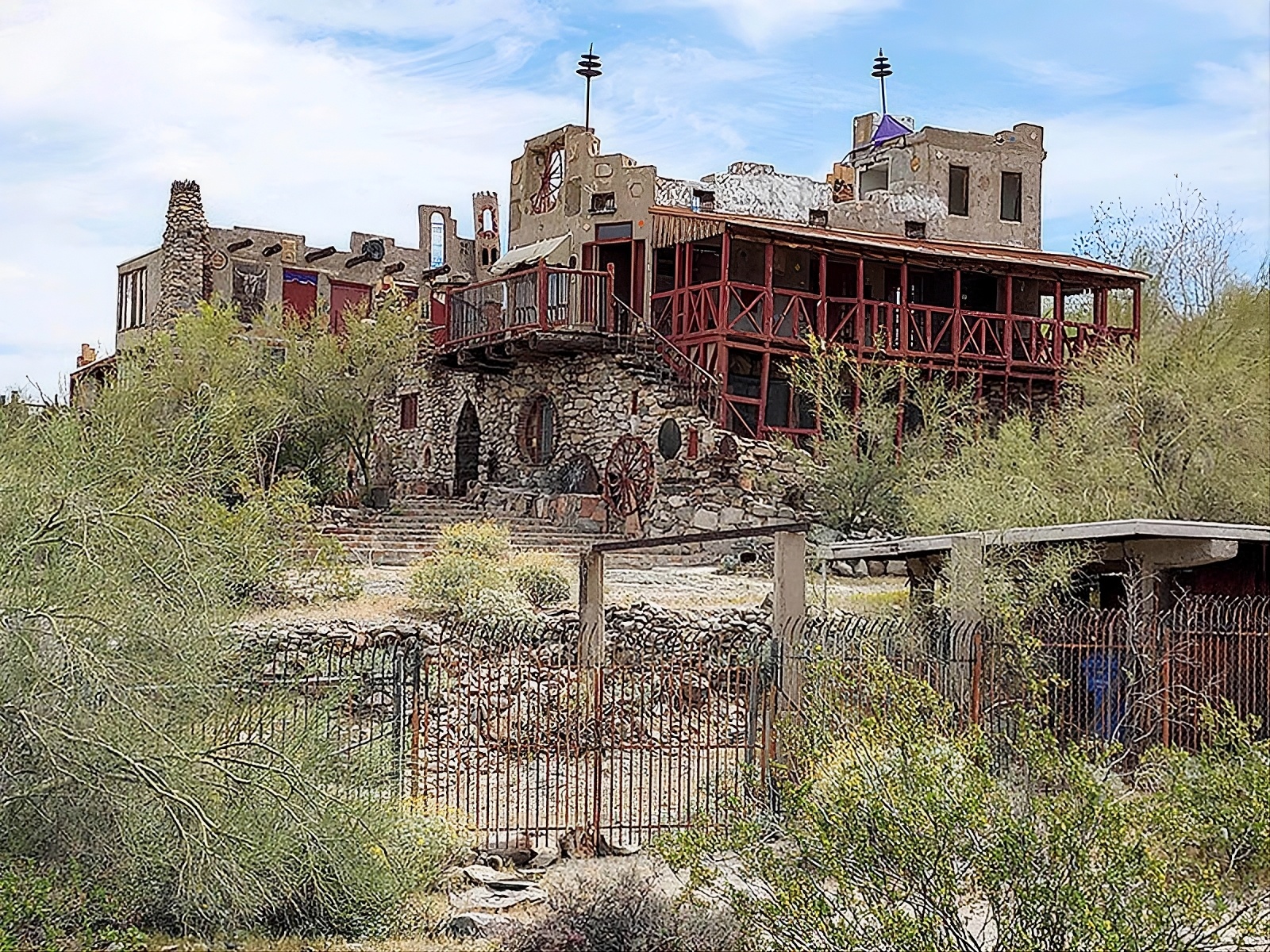
Without a blueprint, without an engineer, and using scrap from the dump, a father spends 15 years building an 18-room castle for his daughter, featuring tram tracks, 13 fireplaces, and over 700 m², which may now be demolished.
-
A megaproject worth R$ 89 billion is advancing in Iraq and promises to change the game in global trade by creating a new corridor between Asia and Europe, reducing traditional routes and repositioning the country as a logistics powerhouse.

-
Goodbye bedside table: floating shelves become a trend in 2026 by freeing up space in the bedroom, improving circulation, bringing visual lightness, and integrating technology without taking up floor space.


The experience of crossing this ‘bridge above the clouds’ is spine-tingling. Those who take the A75, on the route between Clermont-Ferrand and Béziers, are greeted with a breathtaking landscape. Moreover, the structure features a visitor center, where one can learn more about its history and construction. In short, it is not just a bridge; it is a true spectacle!
The Challenge of Crossing the Massif Central
Before the Millau Viaduct, crossing the Massif Central was a real headache. This mountainous region of France turned land transport into chaos between northern Europe and Spain. The few available roads were winding, time-consuming, and impractical.
The solution? Build a ‘bridge above the clouds’ that would allow for faster and more efficient traffic flow. And it wasn’t just a time saver for drivers. The Millau Viaduct boosted the local economy, promoting commerce and tourism in the region.
The Creation of a Modern Marvel
The idea of building the bridge arose in the 1960s but only became reality decades later. Initially, various ideas were put on the table, such as crossing the valley at a lower level or even digging a tunnel.
That’s when Jacques Soubeyran had a brilliant idea: why not build the bridge directly from plateau to plateau, without needing to descend into the valley? This insight changed everything and led to the decision to erect a cable-stayed bridge. Besides being the most efficient option in engineering terms, the ‘bridge above the clouds’ turned out visually stunning.
From Conception to Reality: 400 Million Euros and 600 Builders
With the design ready, the French government opened a competition to choose the team responsible for executing the work. The winning team was led by engineer Michel Virlogeux and renowned architect Norman Foster, who today holds the title of Lord Foster.
Construction began in October 2001 and, astonishingly, was completed in record time: just three years! The project cost approximately 400 million euros (400 million euros) and involved the hard work of over 600 builders, in addition to the use of 290,000 tons of steel.
The result? The ‘bridge above the clouds’ is undoubtedly one of the greatest feats of modern engineering.









-

Uma pessoa reagiu a isso.