





 Portuguese
  English
  Spanish
  4 min of reading
  0 comments


From the Arrival of the First Car Brought by Santos Dumont to the Establishment of Large Automakers in the ABC Paulista, Brazil Built One of the Largest Automotive Industries in the World — A Path Marked by Political Decisions, World War, State Incentives, and Millions of Vehicles on the Streets
The automobile has been part of Brazil’s history for over a century. Since the late 19th century, cars began to circulate on the country’s streets, marking the beginning of a long trajectory that would become solidified with the national automotive industry.
The first motorized car arrived in Brazil in 1891, at the port of Santos. It was a Peugeot Type 3, imported by Santos Dumont. After it, others were brought by influential families and journalists. But the first officially registered car belonged to Count Francisco Matarazzo, in 1903.
The Arrival of Foreign Automakers
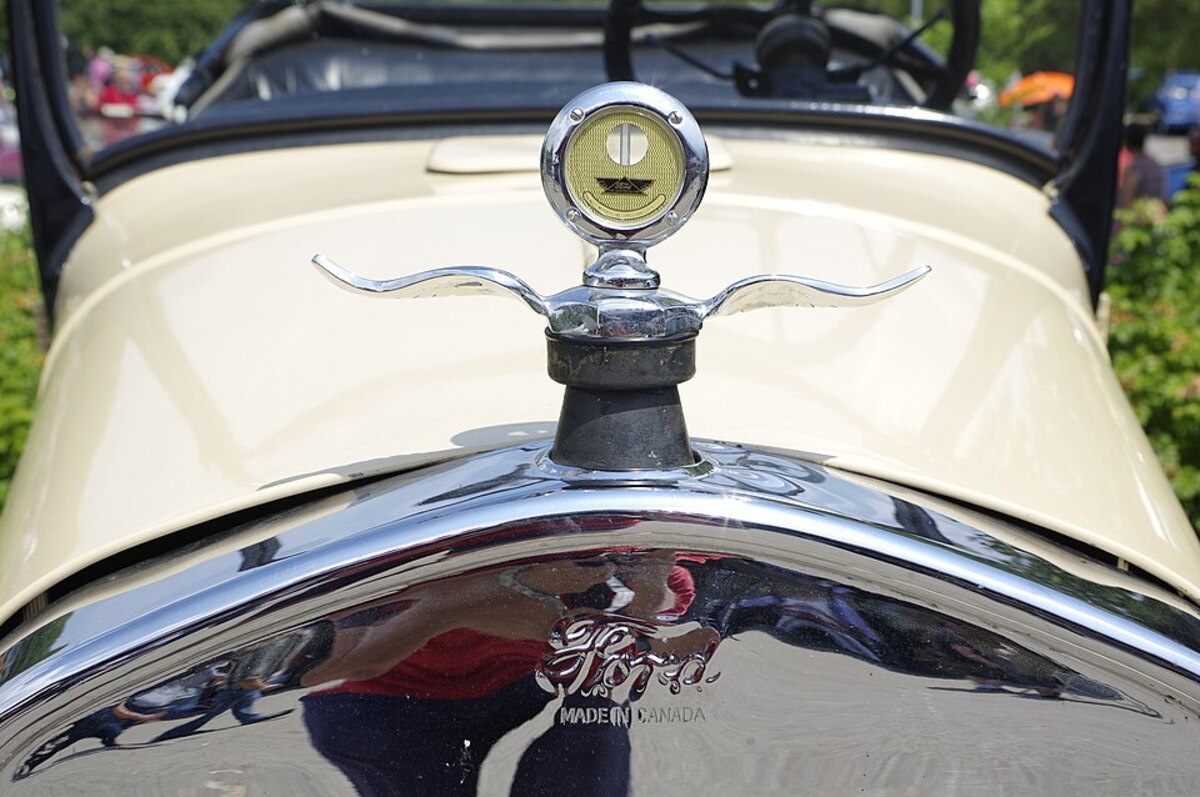
In the following decades, the country began to tread the path of industrialization. In 1919, Ford became the first automaker to set up operations in Brazil, assembling the Model T, known as Ford “Bigode,” in São Paulo.
-
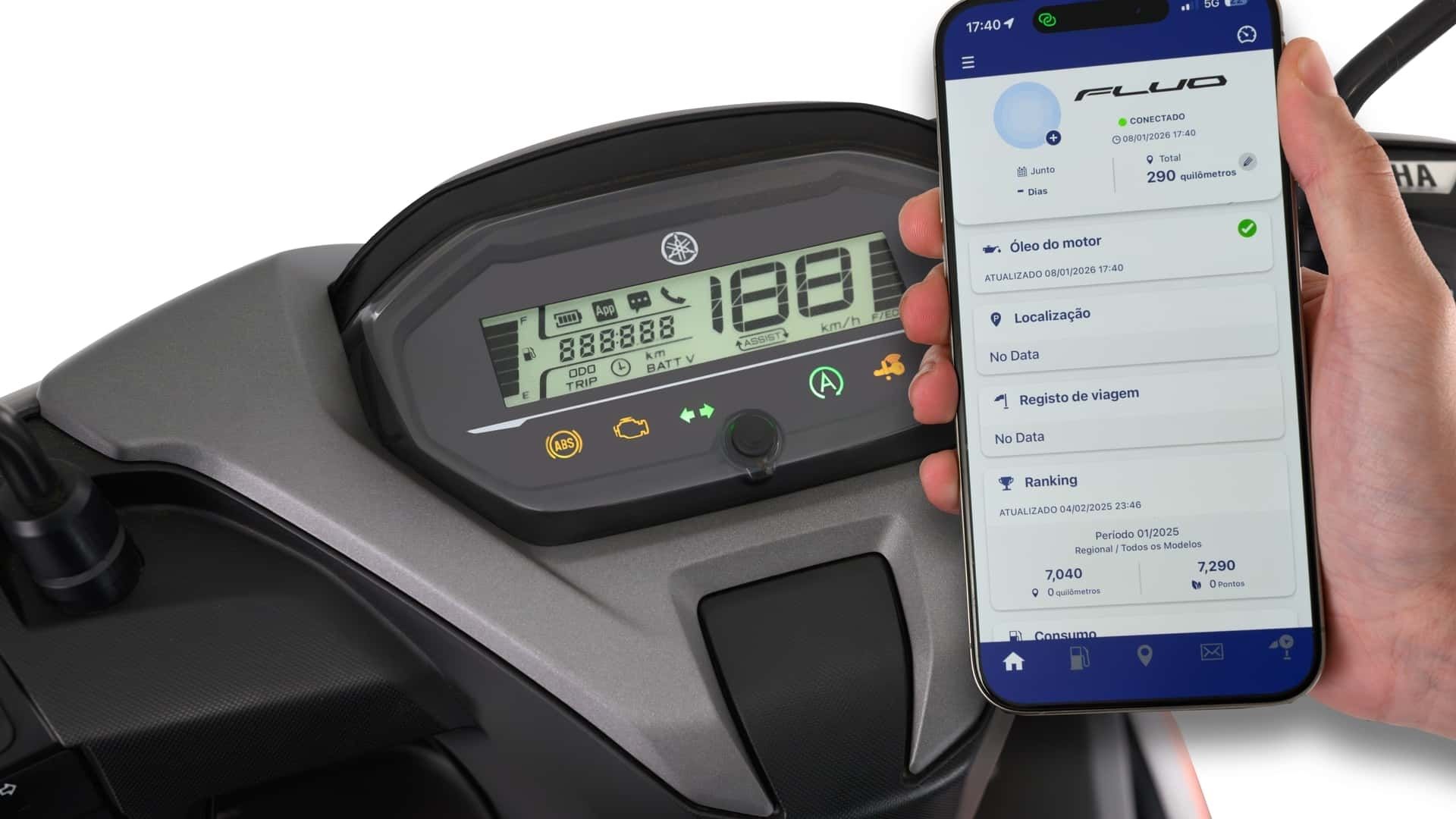
Costing R$ 16,000, the new Yamaha features a 125 cc hybrid engine with electric assistance, delivers 8.3 hp, includes ABS, optimized fuel consumption, Y-Connect connectivity, 25 liters of storage space, and a surprising 4-year warranty in the urban segment.
-
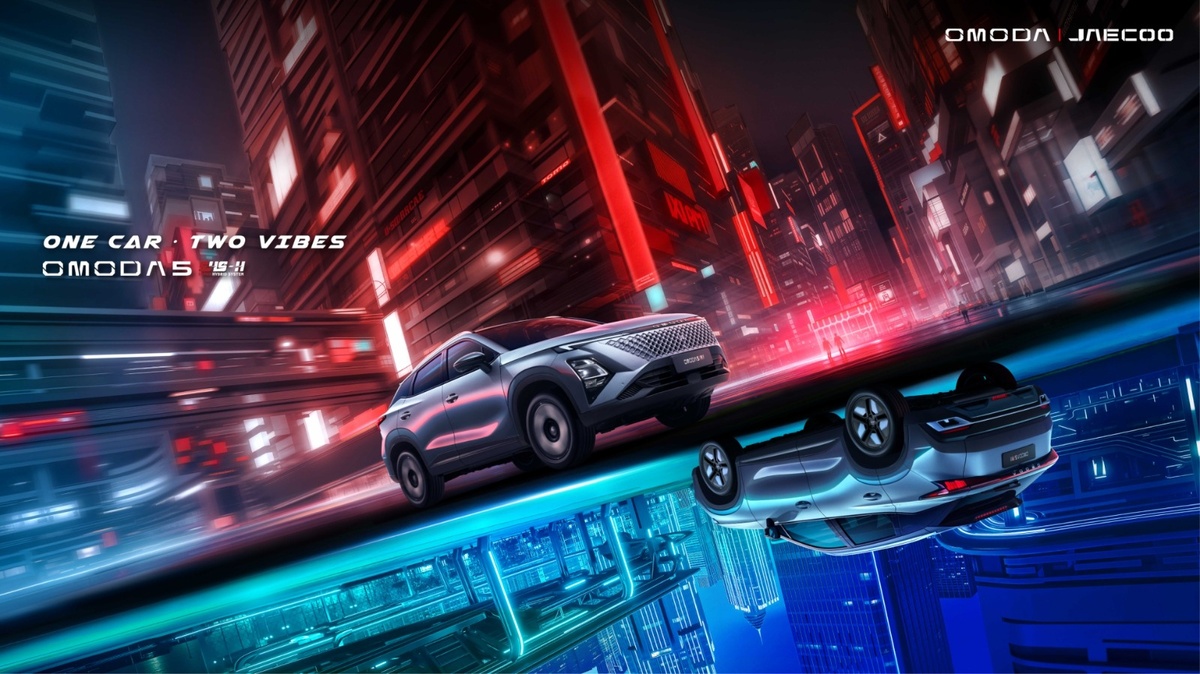
OMODA & JAECOO grows in Europe in 2026 with an integrated strategy of sales, innovation, local production, and technological advancement in the United Kingdom, Italy, and Spain.
-
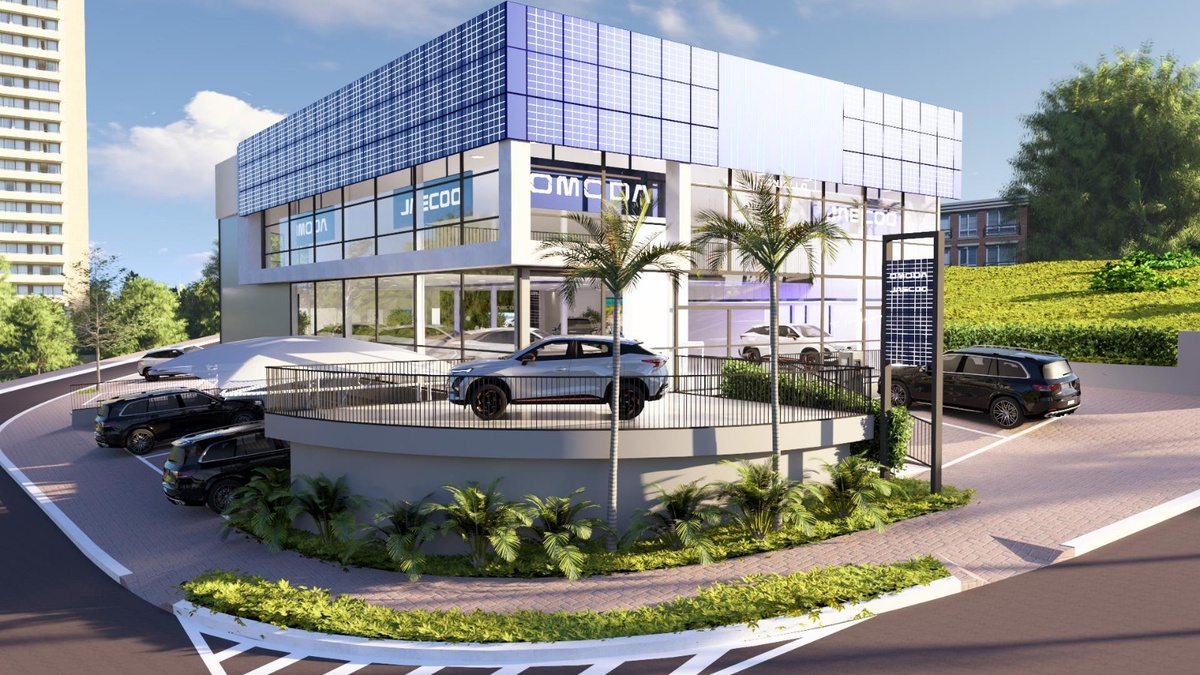
OMODA & JAECOO expands after-sales service in Brazil with competitive maintenance, a 7-year warranty, and high availability of parts for technological SUVs.
-
OMODA & JAECOO appoints Alessandra Souza as executive marketing director in Brazil and accelerates brand expansion with a focus on innovation, networking, and hybrid portfolio.


Six years later, in 1925, General Motors opened its doors in the capital of São Paulo as well. The arrival of automakers coincided with the emergence of the country’s first paved highway, the Rio-Petrópolis, which reinforced the importance of automobiles.
Between 1920 and 1939, the number of cars in São Paulo jumped from 5,000 to 43,000. This growth showed that the automobile was already embedded in Brazilian urban culture and daily life.
The Impact of World War II
By the end of the 1940s, Brazil still had an aging fleet, made up of American and European vehicles from the 1930s.
The situation began to change between 1941 and 1945, during World War II, when there was a growth in the number of auto parts factories in the country. By the end of the war, Brazil had about 50 parts manufacturers, which would be essential for the development of local vehicle production.
Actions of the Getúlio Vargas Government
Up to that point, cars sold in the country were only assembled here. The turning point began with the policies of the Getúlio Vargas government, which laid the foundation for national production.
Among the main initiatives were the creation of the National Steel Company (CSN) and the National Engine Factory (FNM), both in the state of Rio de Janeiro.
From 1947 to 1952, the government also began to restrict imports of cars and parts. This change aimed to encourage internal production.
Even so, with the favorable exchange rate, European models gained traction on Brazilian streets. By 1950, it was common to see English vehicles circulating here, replacing American ones.
The Ambitious Plan of Juscelino Kubitschek
The real boost for the automotive industry came during the government of Juscelino Kubitschek. In 1956, he established the Executive Group for the Automotive Industry (GEIA) through Decree No. 39,412.
The goal was ambitious: to make Brazil capable of manufacturing its own automobiles, with a high level of nationalization. At the time, the country had a fleet of 800,000 vehicles and a high demand for cars and trucks.
The industry began to be seen as a pillar of development. JK’s plan to progress “50 years in 5” included the creation of factories, supply networks, and support infrastructure.
That same year, the first fully Brazilian car was launched: the Romi-Isetta. Manufactured by Romi, a company known for lathes and agricultural machines, the model stood out for its compact size, small wheels, and a single front door.
Also in 1956, FNM and Vemag launched their own models. They were still copies of foreign cars, but production was already taking place in Brazil.
Import Ban and Industry Consolidation
In 1953, an important measure accelerated this process: the ban on importing complete vehicles. As a result, automakers like Volkswagen, Mercedes-Benz, and Willys-Overland became national factories.
The GEIA set clear goals: by 1960, 90% of trucks and utility vehicles sold would need to have national parts. The goal was achieved and surpassed. The automotive industry strengthened and spread.
The ABC Paulista region — São Bernardo do Campo, Santo André, and São Caetano — became the country’s main automotive hub. In the 1970s, other automakers emerged in new regions. Fiat settled in Minas Gerais, Agrale in Rio Grande do Sul, and Volvo in Paraná.
The last relevant piece of information is that, with decades of investments and industrial policies, Brazil built one of the largest automotive industries in the world, with deep roots in the economic and social development of the country.
With information from TG Poli.







Seja o primeiro a reagir!