





 Portuguese
  English
  Spanish
  3 min of reading


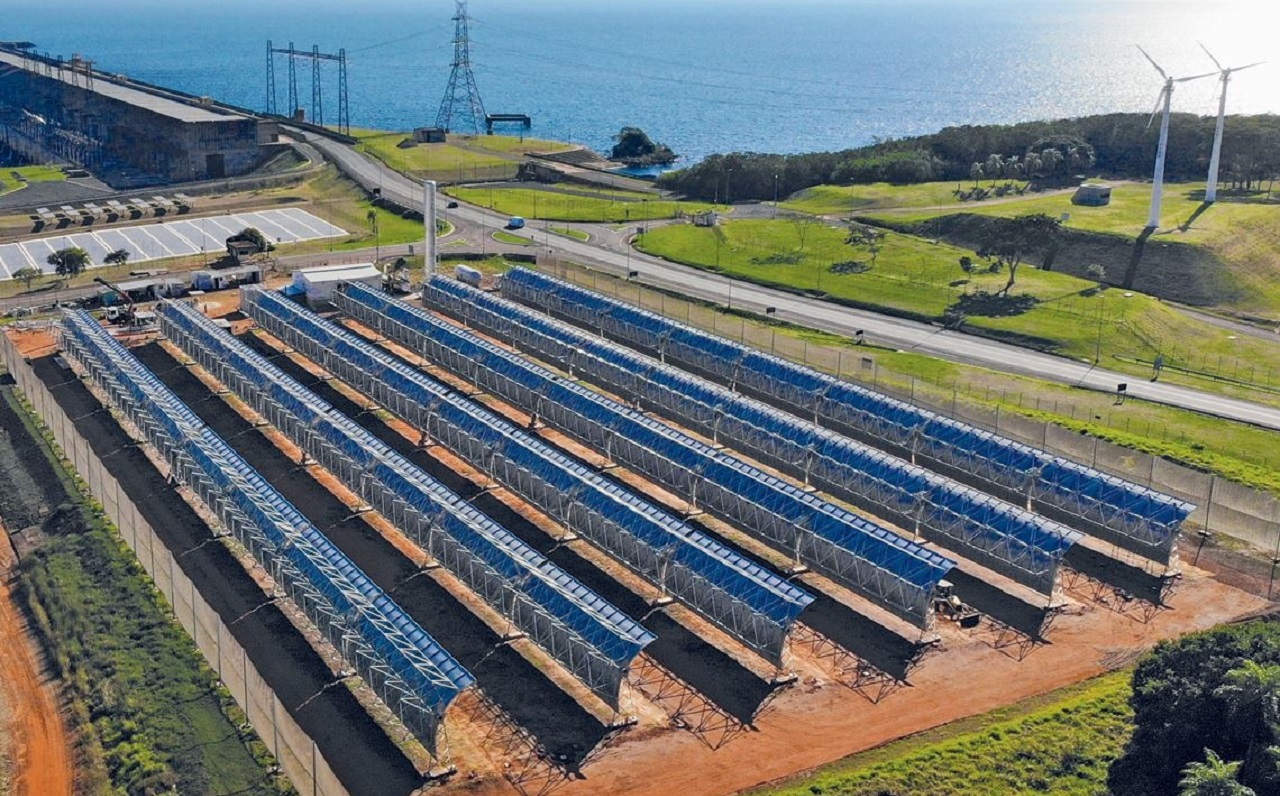
This Type of Energy Converts Solar Energy into Heat, While Photovoltaic Converts Light into Electricity. This Project Cost R$ 49 Million and Is Expected to Start Operating by the End of the Month
Before January ends, Eudora Energia shared on its website, with a report from Canal Energia, the first heliothermal plant expected to start operating in Brazil. The million-dollar project has a power output of 0.5 MW and is located at UHE Porto Primavera of Cesp. The investments to build the plant were R$ 49 million, stemming from a Strategic Research & Development Program of the National Electric Energy Agency initiated in 2017.
Other News:
- The Largest Warship in the History of the Brazilian Navy Was Sold for the Price of a Porsche to Become Scrap Metal
- Private Railroads: After More Than 100 Years, the Government Authorizes the Inclusion and Construction of New Projects, with Over R$ 50 Billion in Investments
- Resume and Work Permit in Hand to Compete for Job Openings to Work on the Construction of Wind Complex in Bahia
#AcessoLivre | [external] The First Heliothermal Generation Projects Are Starting to Take Shape in Brazil. https://t.co/60l6FdUt6p
— Nexo Jornal (@NexoJornal) September 25, 2021
ARTICLE CONTINUES BELOWSee also
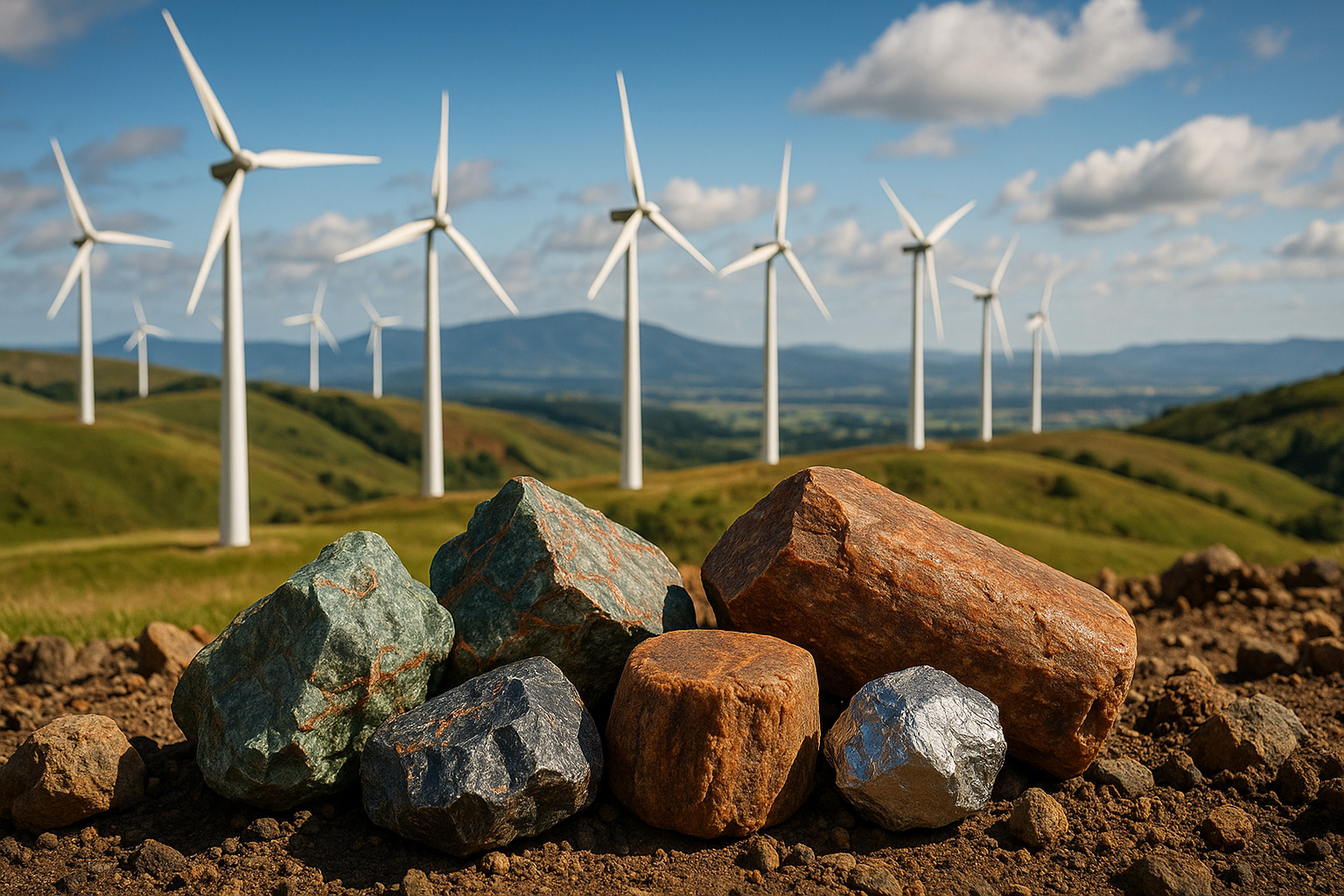
The Brazilian state accelerates industrial competitiveness with a focus on the extraction of strategic minerals to boost the energy transition in Goiás.
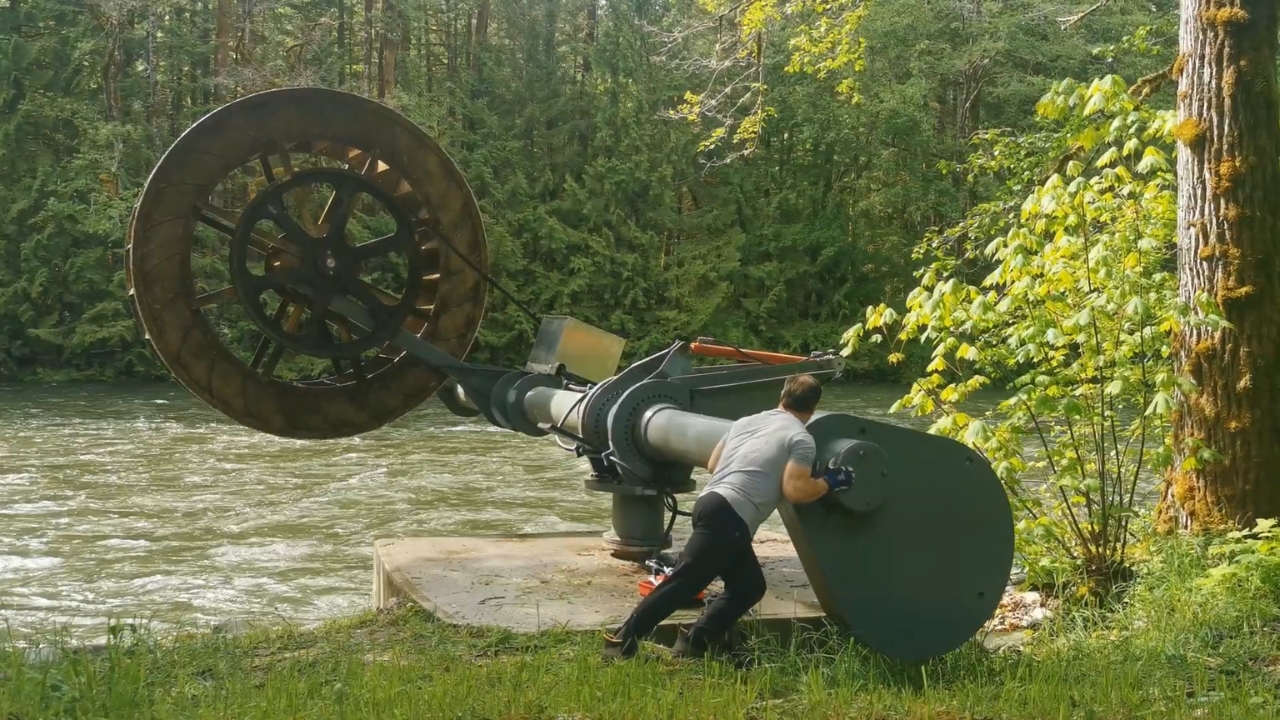
A Canadian retiree creates a hydroelectric system on a real river, generating energy continuously throughout the day and demonstrating how the power of water can supply a house with stability even in a simple structure.
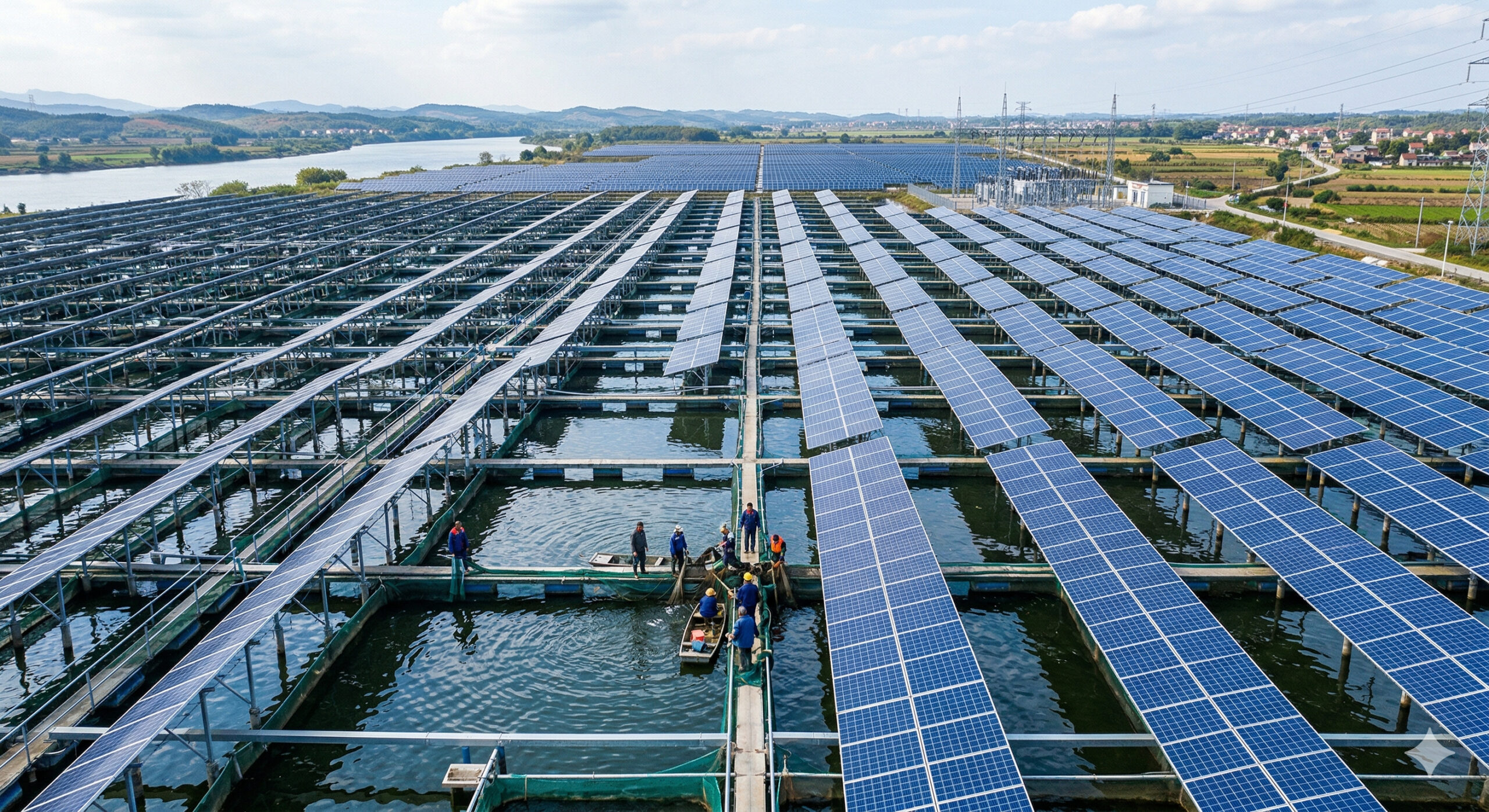
Petrobras reaffirms its commitment to the market and ensures that it will carry out the energy transition safely to maintain national sovereignty.

Researchers discover a possible hydrogen deposit of up to 46 million tons beneath an ancient coal basin, and the volume could exceed half of the entire global production.

According to Eudora’s partner Jonas Gazoli, the company began operating with this technology in 2015. The Porto Primavera heliothermal plant converts solar energy into heat, while photovoltaic converts light into electricity. Large parabolic mirrors capture sunlight and concentrate the energy by heating a thermal fluid. This fluid is used in a boiler to generate steam, which drives a turbine that produces electricity.
Aerial View of the Porto Primavera Heliothermal Plant
According to Jonas, this technology allows for low-cost storage in a thermal medium, which is a significant advantage compared to photovoltaic solar. At the Porto Primavera heliothermal plant, thermal energy will be stored in a 23-meter-high tank with the fluid. “This oil is heated by the sun’s heat and is stored there. Our thermal energy is stored in the oil,” he explained. This fluid is considered non-polluting, and in the event of a leak, it happens in the form of vapor.
This method of storage allows heliothermal technology to be dispatched. According to Gazoli, this is the advantage of this source: it is intermittent but capable of being firm due to the control of the dispatch of storage.
Moreover, another advantage reported by the partner is that the operation of heliothermal technology can be used to increase the efficiency of thermal power generation plants, biomass, or for industrial steam chains. “There are UTEs where biomass efficiency is lower than the design efficiency, so we could place a heliothermal plant next door just to generate steam,” he concludes.
Jonas also informed that the company currently has a domestically developed product, which is a heliothermal collector. This equipment has engineering and manufacturing by the company and is being installed at a Furnas headquarters in Aparecida de Goiânia (GO). The goal is for the product to be available in the market for the operation of new centralized electricity generation plants and steam generation for the industry in general starting in the second half of the year.
Mature and Operational Technology
Although heliothermal energy is dispatchable, it has a higher cost than traditional solar and still does not have market demand, nor is it part of any incentive plan. Jonas Gazoli considers Cesp’s plant project a starting point and believes it will open doors for new opportunities. “We have mature and operational technology, a national product, proprietary engineering. We are now in a position to start stimulating the market,” he emphasizes.
Worldwide, in countries like Spain, the United States, and the Middle East, heliothermal has become popular, with plants in operation. China is expected to be the next nation to invest in the segment.
Choosing Porto Primavera was strategic, as it has the headquarters of a Cesp laboratory and is in a region of the state that is interesting for the operation of heliothermal technology.








Seja o primeiro a reagir!