





 English
  Francês
  Alemão
  Italiano
  Japonês
  Norueguês
  Portuguese
  Spanish
 2 min of reading


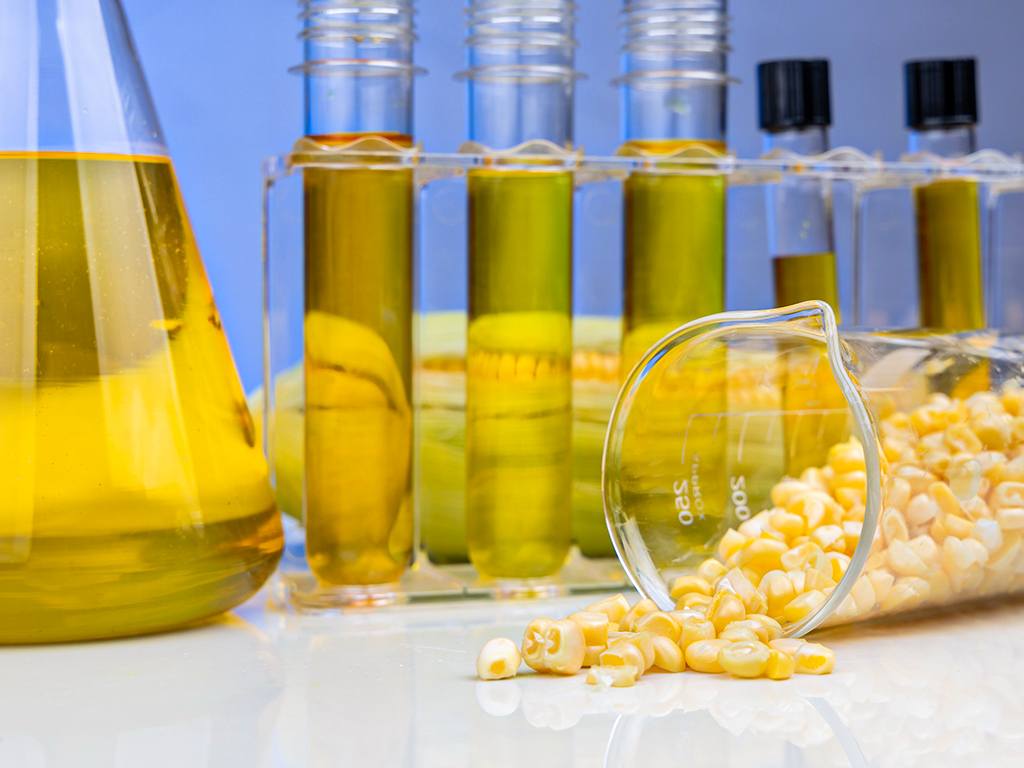
New Routes for Biodiesel Production in the Country Are Extremely Positive and Favor Competitiveness in the Biofuels Sector, Says IBP.
The Brazilian Institute of Petroleum and Gas (IBP) believes that the decision of the National Energy Policy Council (CNPE) to include new technological routes for biodiesel production in the country is extremely positive for the biofuels sector, for the public, and for energy security.
The CNPE’s decision that green diesel and the renewable portion of co-processed diesel are eligible for meeting the mandatory biodiesel blend with fossil diesel for society promotes additional use of Brazil’s renewable biomass, provides logistical optimization, allows competition among different products, and offers benefits in terms of price, quality, and supply to consumers.
The National Energy Policy and the National Biofuels Policy (Renovabio) Include Both Renewable Products Developed Through New Technological Routes.
According to the National Energy Policy and the National Biofuels Policy (Renovabio), the inclusion of renewable products from new technological routes is stratified, and a low-carbon economy is encouraged.
-
A study reveals the expansion of renewable energy procurement in Brazil and shows how companies are taking advantage of opportunities to reduce expenses, ensure energy efficiency, and strengthen strategic environmental commitments.

-
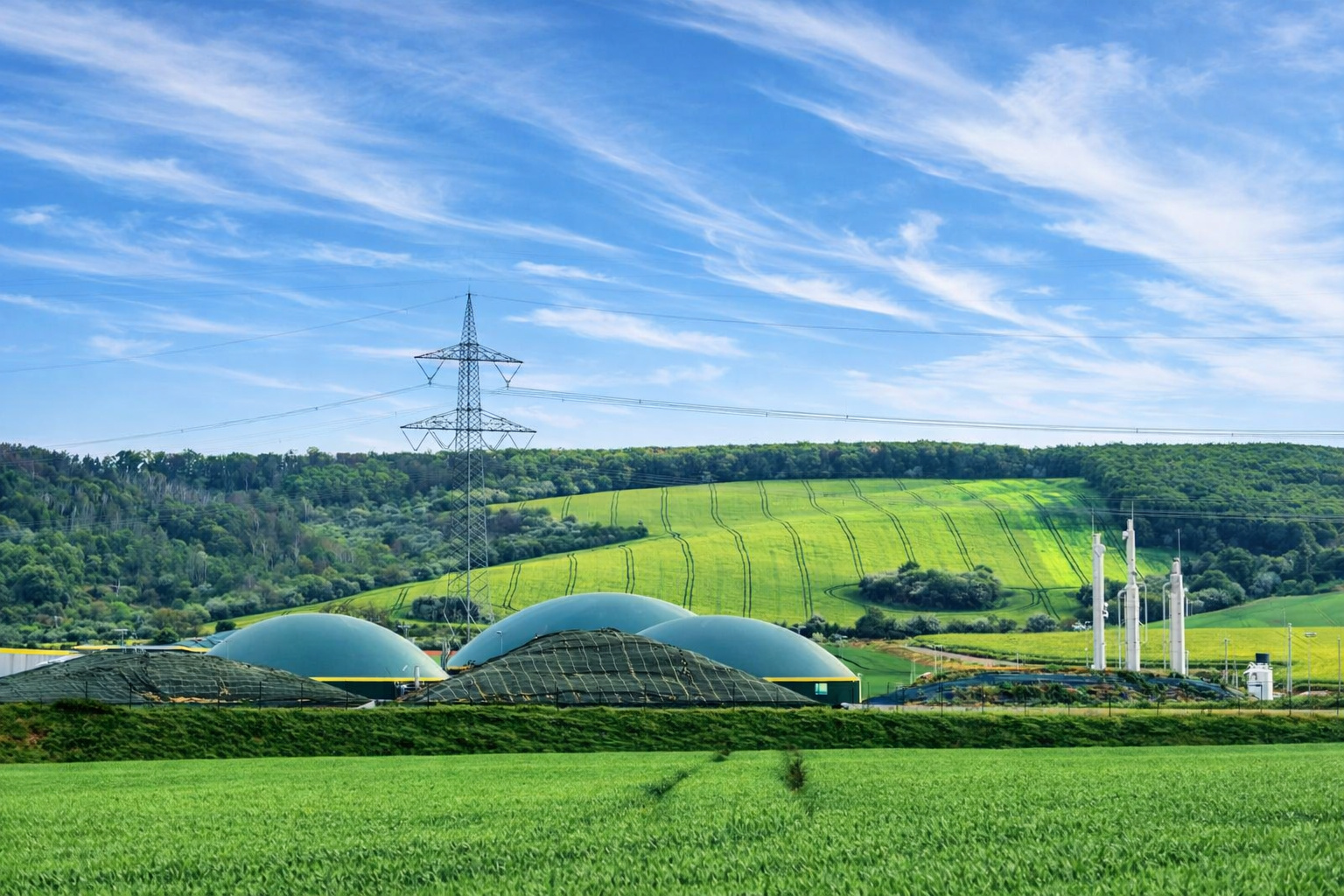
Brazil accelerates decarbonization in the South: International forum in Foz do Iguaçu gathers leaders to discuss the advancement of biomethane in the energy matrix and the potential of “caipira pre-salt.”
-
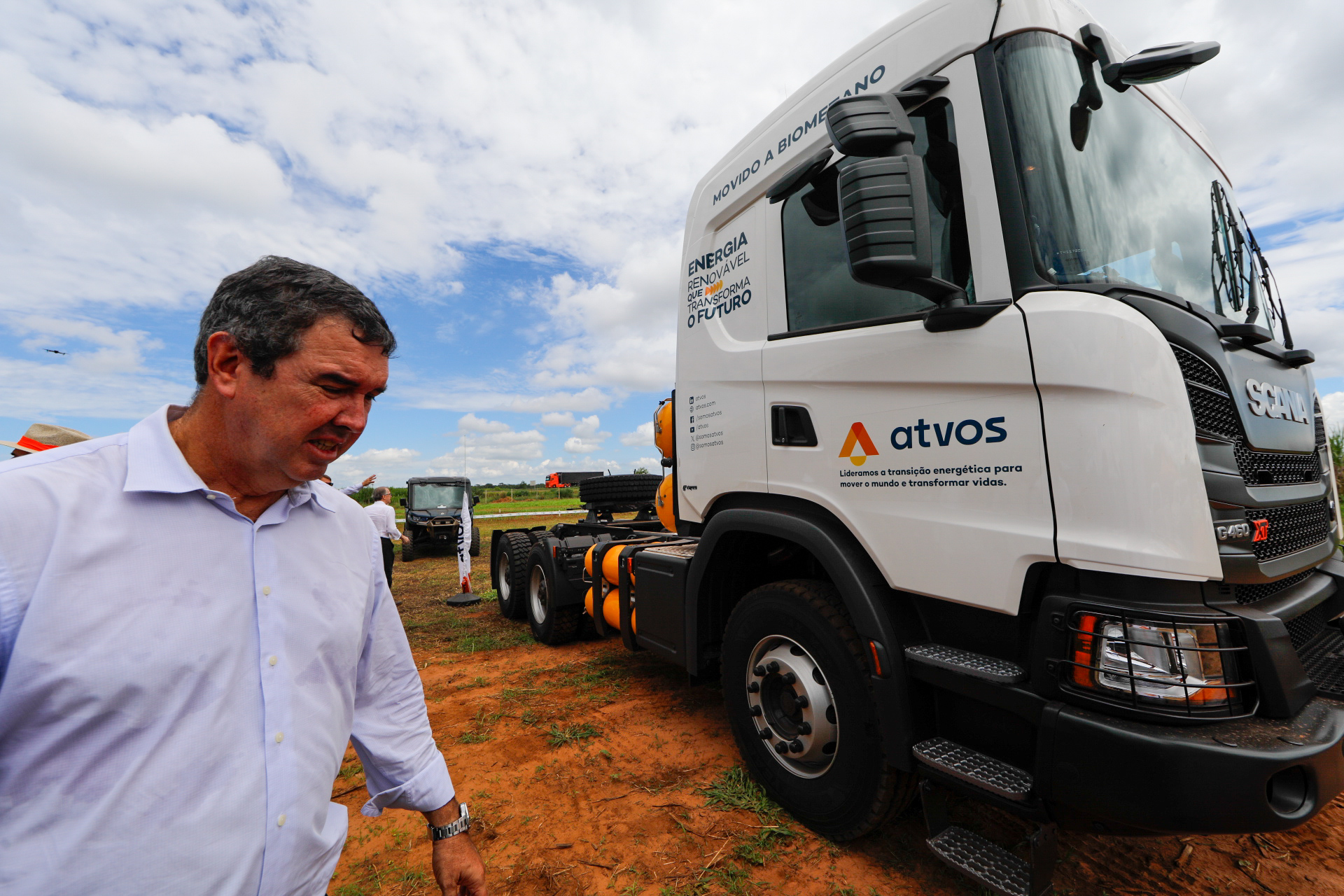
Mato Grosso do Sul excels in the sugar-energy sector: the state reaches a milestone of 22 operating mills and accelerates the production of clean energy in MS with a focus on sustainability.
-
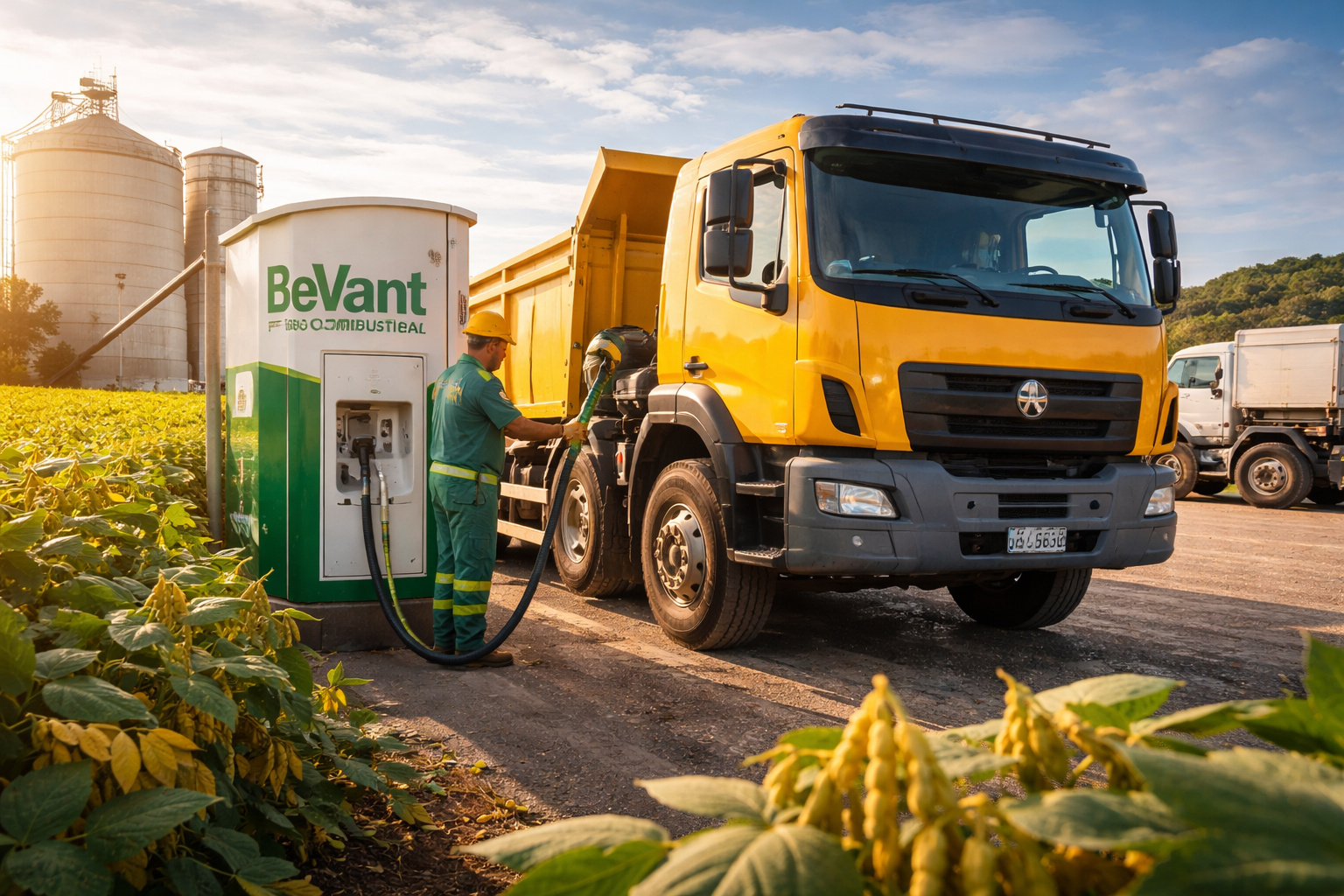
As diesel prices soar due to conflicts in the Middle East, a Brazilian city decides to test a little-known biofuel that promises to completely replace fossil fuel without adaptation and could change the future of energy in the country.
Regarding the maintenance of the biodiesel blend in diesel at the current 10% until March 2023, the Institute believes that this is essential for the predictability of agents in organizing their logistical operations to ensure supply, as it is necessary to contract biodiesel in advance before the start of each two-month calendar period.
This transition period is also important for the ANP to complete its review of the specifications for biodiesel from the transesterification route, in order to ensure technical viability and adequacy to the technological evolution of engines before using higher levels of the product in the mandatory blend.
The IBP believes that the CNPE’s decision will strengthen Brazil’s global leadership in developing biofuels and in the energy transition. The CNPE’s decision still needs to be approved by the President of the Republic.









Seja o primeiro a reagir!