





 Portuguese
  English
  Spanish
  5 min of reading
  0 comments


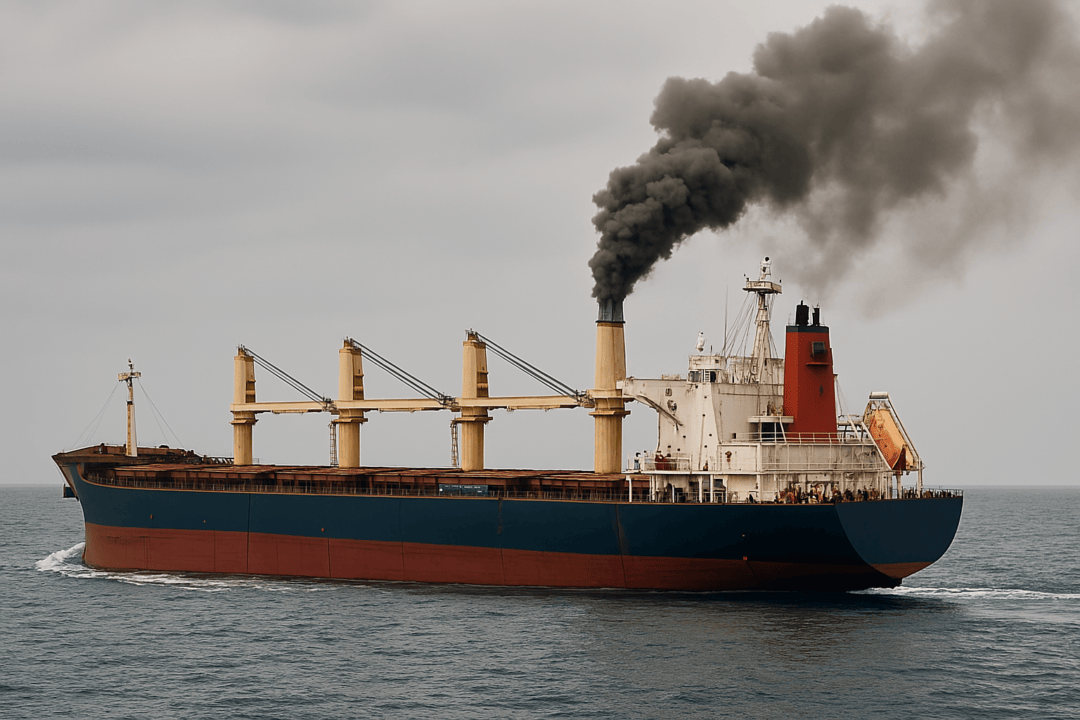
In The Bulk Maritime Transport Sector, The Search For Sustainable Solutions Faces Technical And Economic Challenges. Currently, The Burning Of Heavy Fuel Oil Combined With The Use Of Scrubbers Is Seen As The Most Viable Alternative
A new scientific study challenges old ideas about the pollution caused by bulk carriers. The study, published in the journal Environmental Science And Technology, shows that burning heavy fuel oil with scrubbers can be as or more environmentally friendly than using low-sulfur marine fuels.
The data comes from a detailed analysis conducted by scientists from MIT, Georgia Tech, and other institutions, in partnership with the company Oldendorff Carriers.
The conclusion surprises part of the maritime industry and environmental policymakers.
-
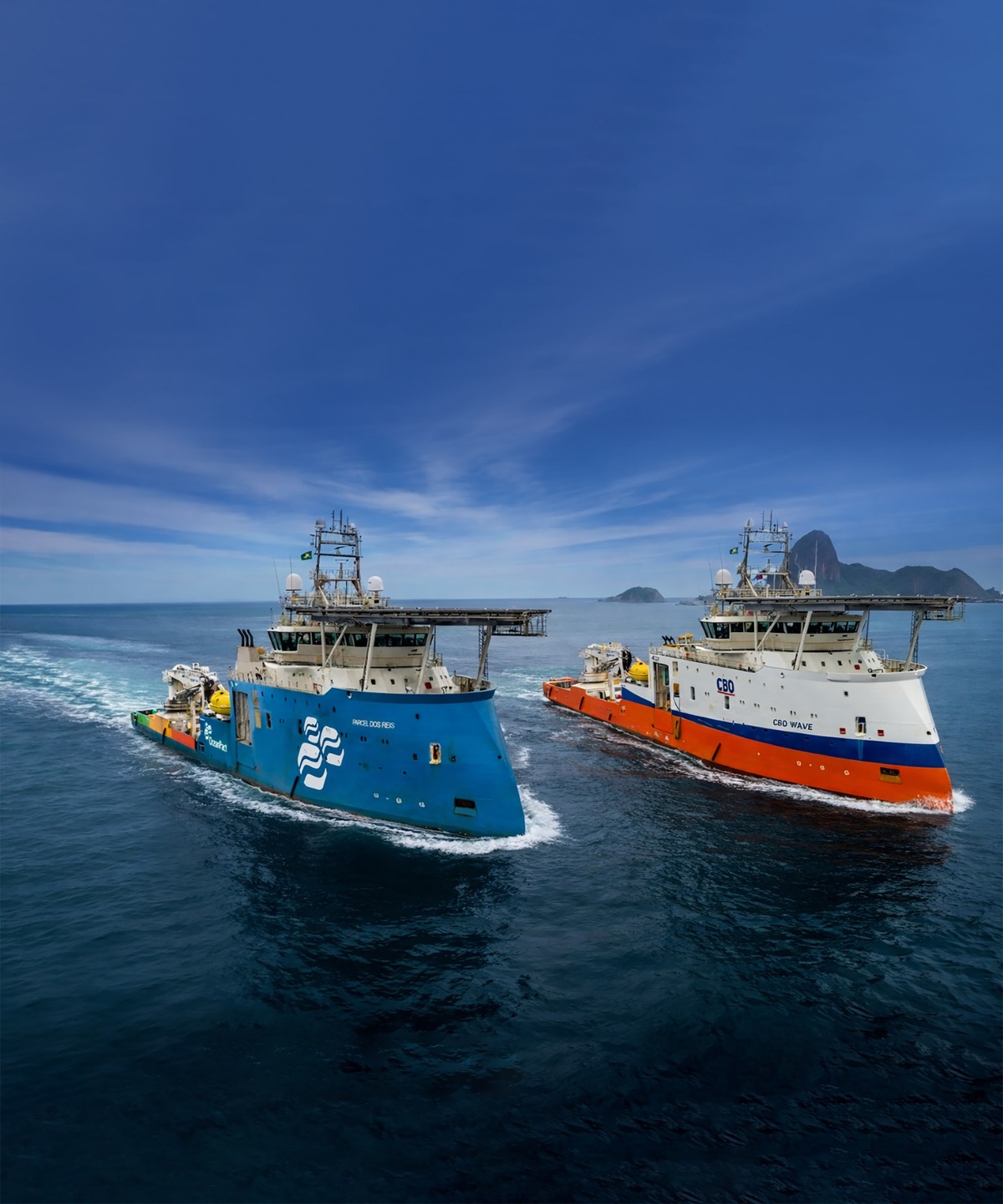
OceanPact Announces Acquisition of CBO and Creates One of Brazil’s Largest Maritime Support Structures with 73 Vessels, Annual Revenue Above R$ 4 Billion and R$ 14 Billion Backlog
-
With Extreme Winds, Giant Waves, and Unrestricted Currents, Drake Passage Is Considered the Most Violent Stretch of the Oceans
-
15th Century Merchant Ship Surprises Archaeologists

-
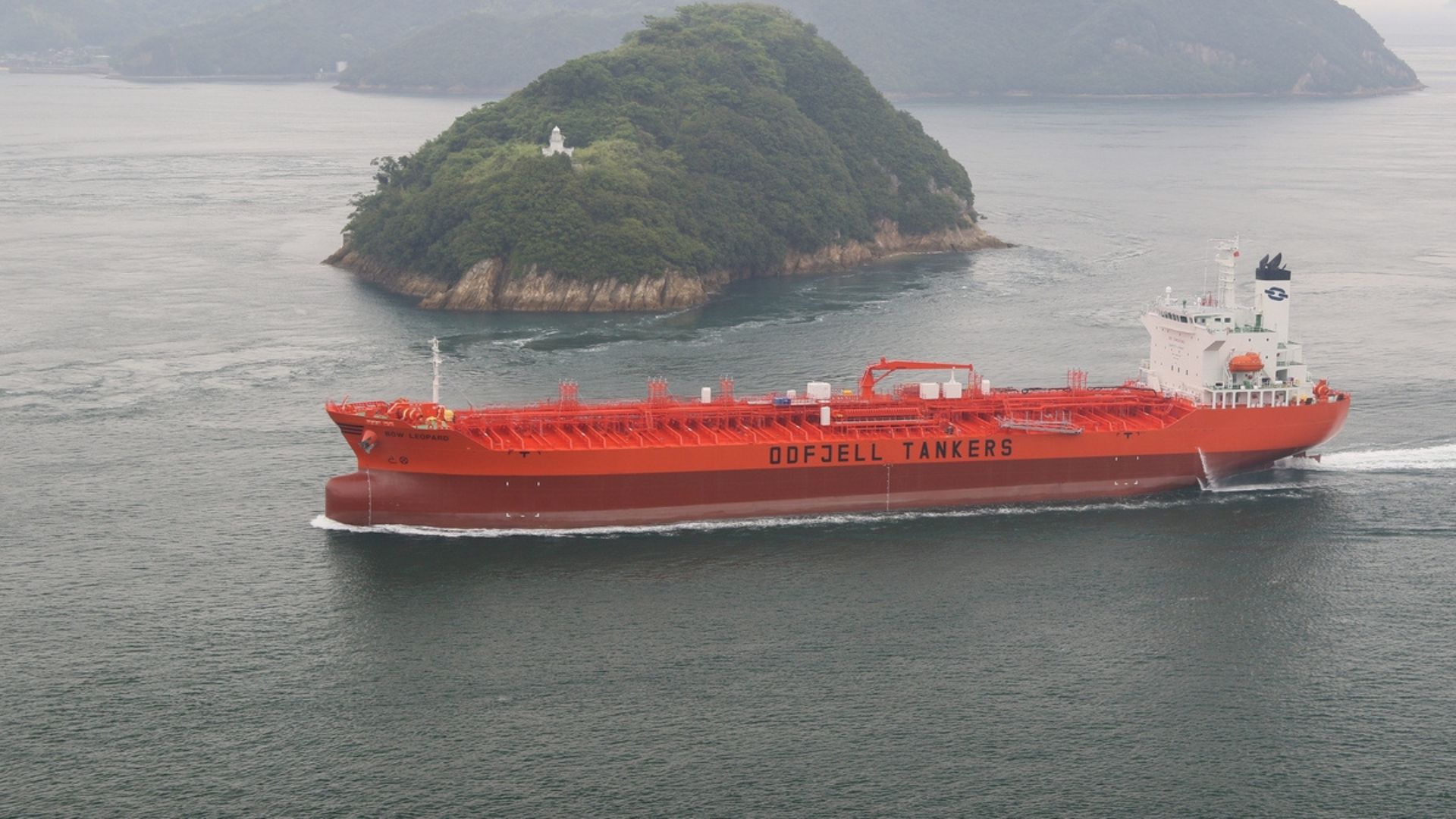
Odfjell Inaugurates First Operational Green Corridor Between Brazil and Europe Using Sustainable B24 on Maritime Routes and Reinforces Decarbonization Strategy

Since 2020, the burning of high-sulfur fuels has been limited at the international level.
It was then expected that the less polluting options would be more expensive and refined fuels. But the numbers showed otherwise.
The Choice After The 2020 Rule
In 2020, the International Maritime Organization (IMO) imposed a limit on sulfur content in marine fuels.
The goal was to reduce harm to human health and the environment. The new cap was set at 0.5% for most seas and 0.1% for areas near large cities or sensitive ecosystems.
As a result, companies in the maritime sector faced three main options: adopt low-sulfur fuels, such as marine gas oil; install scrubbers to continue using heavy fuel oil; or try alternatives like biofuels — which are sparsely available.
The most practical solution ended up being the installation of scrubbers. Before the rule change, fewer than a thousand ships used this system.
Today, there are more than 5,800 vessels with scrubbers in operation. The majority with open-loop technology, which uses seawater to clean exhaust gases.
How The Scrubber Works
The scrubber is a giant metal cylinder installed in the ship’s smokestack.
Seawater is drawn in, sprayed, and released over the hot gases exiting the engine. This triggers a chemical reaction: sulfur dioxide turns into sulfate, a soluble substance that already exists naturally in the ocean.
The clean gas goes into the atmosphere, and the now acidic wash water is returned to the sea. This raised questions. Could this water, mixed with byproducts of combustion, be as polluting as sulfur?
The Study And The Data
The researchers decided to investigate thoroughly. They conducted a comprehensive analysis of the life cycle of fuels and scrubbers.
This included everything from fuel production and transportation to equipment installation and use on board.
There were also real measurements taken aboard a bulk carrier operating in China.
The scientists compared burning heavy fuel oil with scrubbers to using low-sulfur fuels. The sea conditions and engine operation were the same.
Air and wash water samples were collected. Gas emissions and the concentration of over 60 chemical substances in the water used for the process were also measured.
Surprising Results
The findings were clear. Scrubbers reduced sulfur dioxide emissions by up to 97%.
In practice, this would place heavy fuel oil on the same level as low-sulfur fuels, in this specific aspect.
Other pollutants, such as carbon monoxide and nitrogen oxides, were also analyzed, with similar results.
Wash water samples showed very low levels of chemical compounds.
All were below the limits set by the International Maritime Organization. And even compared to stricter standards, such as those from the European Union and the U.S. Environmental Protection Agency, the levels were generally well below.
Furthermore, since this water is released slowly in open seas, and the ship is always in motion, natural dilution further reduces any risk.
Comparing The Entire Impact Chain
One of the study’s strengths was considering the complete impact, from the origin of fuels to their use at sea.
Producing low-sulfur fuels requires more stages in refineries, which generates more pollution in the form of gases and particulates.
Heavy fuel oil, being less processed, has a lower impact even before reaching the ship. And when factoring in the use of scrubbers, with a lifespan of about 20 years, the scenario changes astonishingly.
The construction and installation of scrubbers have a small environmental impact when spread over two decades.
Thus, in the overall balance, the option of burning heavy oil with scrubbers proved to be the least harmful in nearly all of the 10 impact factors analyzed.
Among them are greenhouse gas emissions, soil acidification, ozone formation, and the use of natural resources.
A Study Conducted At Sea
Scientist Patricia Stathatou, the lead author of the research, boarded a ship to collect data. She spent a week at sea, dealing with the noise of engines, heat, and safety equipment.
This was, according to her, the hardest part of the entire research. But the data collected on board was crucial.
It helped validate theoretical models and confirm that, in practice, scrubbers operate as expected — and perhaps even better than anticipated.
“This study shows that we need to look at the complete cycle. You can’t decide based only on what comes out of the smokestack,” said Patricia.
The Future Of Research
For the authors, the results reinforce the importance of basing environmental policies on comprehensive scientific studies.
Decisions about fuels and technologies should take real data and all process stages into account.
Scott Bergeron, director of Oldendorff Carriers and co-author of the study, highlighted that the work helps clarify many doubts and myths about scrubbers. “Now we have real data. That’s what we need to make the right choices,” he stated.
Meanwhile, Thomas Klenum of the Liberian Registry believes this type of study should guide decisions by the International Maritime Organization in the coming years.
New Paths And Questions
Despite the advancements, challenges remain. The transition to alternative fuels — such as ammonia or hydrogen — is under discussion but still lacks definitive answers about their real environmental impact.
“We need to compare the new options with existing solutions. Sometimes what seems new and clean can hide bigger impacts in other parts of the process,” warned Patricia.
The research provided a new perspective on an old issue. Instead of focusing solely on what seems cleaner, scientists suggest looking at the bigger picture.
This includes what happens before, during, and after the burning of each fuel.
The study demonstrated that, when considering the entire life cycle of the fuel and technology, the combination of heavy fuel oil with scrubbers not only meets international limits but also stands out as the option with the least environmental impact across various categories.
This data could change the course of political and technological decisions in the global maritime sector in the coming years.









Seja o primeiro a reagir!