





 Português
  Inglês
  Espanhol
  2 min de leitura
  0 comentários


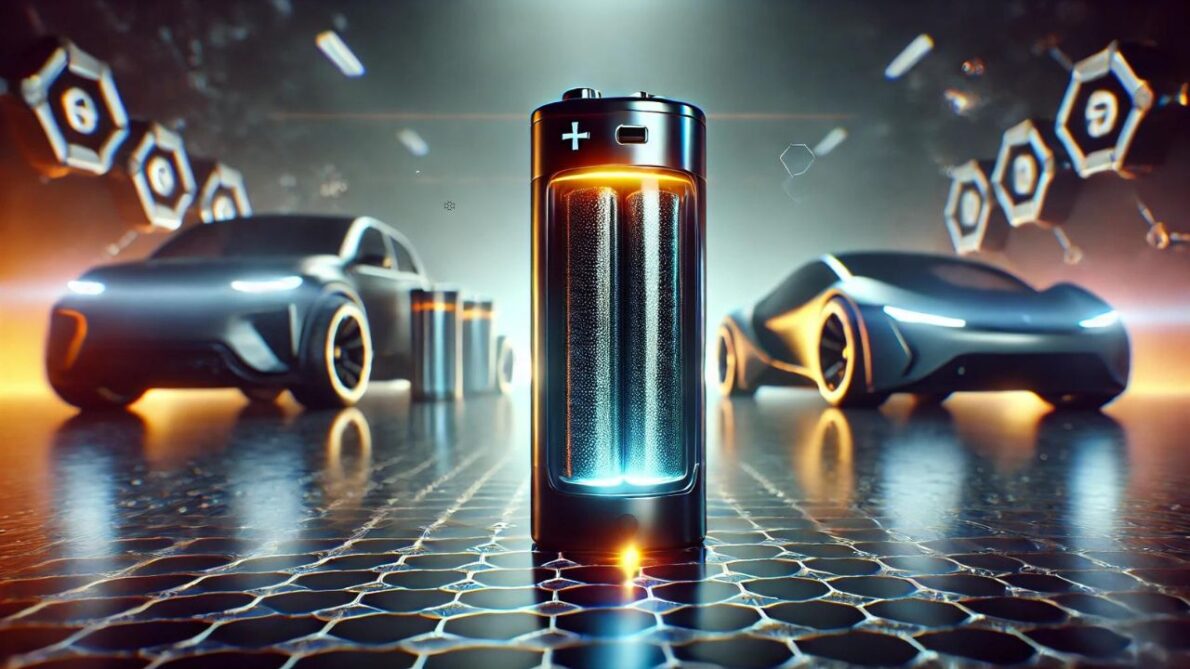
Why The NEW Graphene Technology Will Revolutionize The Electric Vehicle Battery Market!
A new artificial intelligence analysis is predicting a true revolution in the electric vehicle battery market. Contrary to previous beliefs, the big bet is not on solid-state batteries but on graphene.
The electric vehicle market is in a frantic race to find the perfect battery: affordable, efficient, safe, and eco-friendly. Today, most electric vehicles use lithium-ion batteries, but that could change soon.
Graphene Batteries Will Be The Next Great Technological Leap
A study from Focus, an artificial intelligence company, predicts that graphene batteries will be the next great technological leap. The research indicates that the production cost of graphene, an essential material for these batteries, is expected to drop drastically by 2030.
-
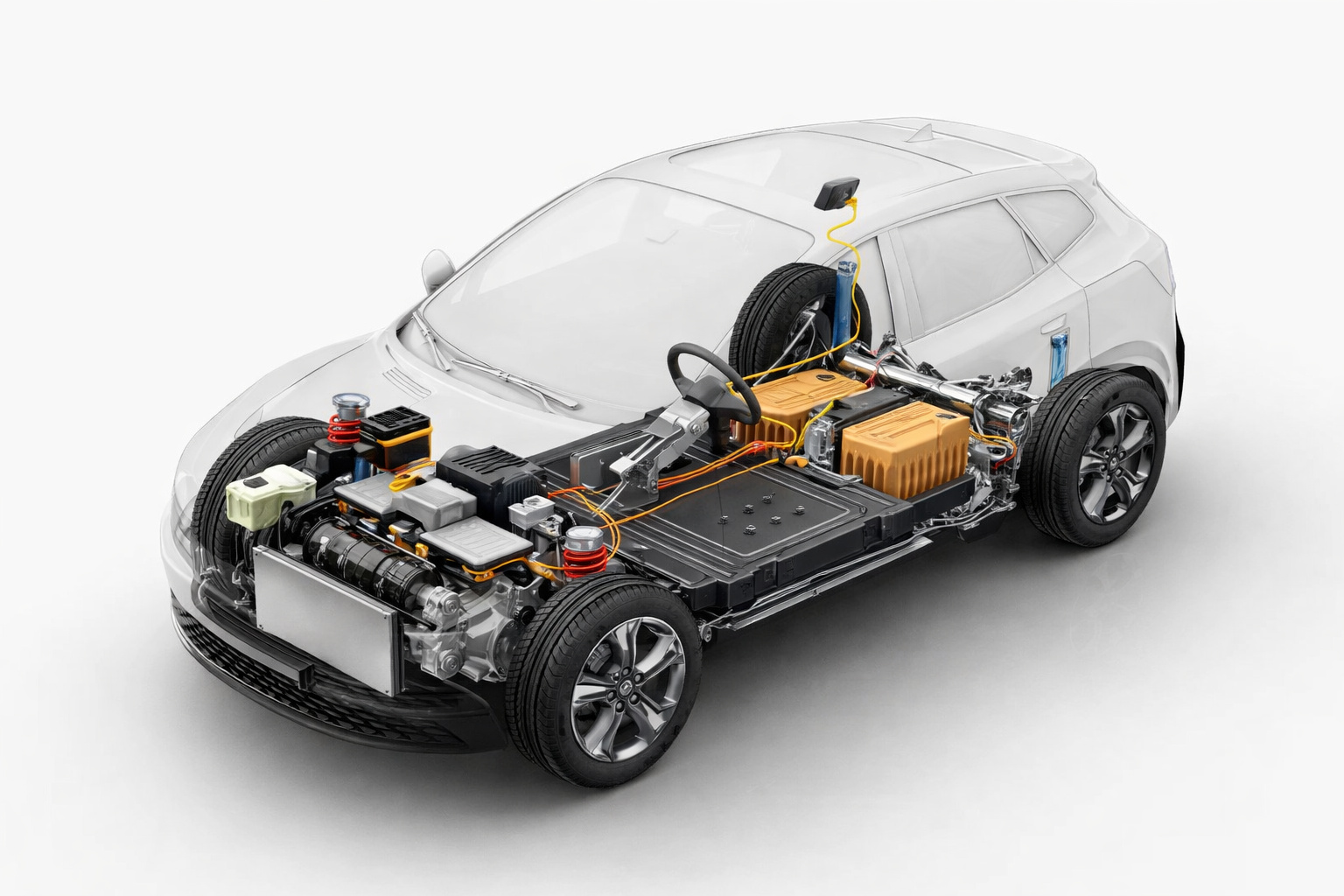
China Surprises Automotive Industry With Battery That Promises Electric Car Able to Run Up to 1,000 km Without Recharge
-
Why BYD Grew So Fast in Brazil and How Blade Batteries, Electric Cars, and Industrial Incentives Shaped This Expansion in the National Automotive Sector
-
Electric Cars Make Progress in Brazil in 2026 and Promise to Reduce Drivers’ Costs with Cheaper Energy, While Infrastructure Grows Slowly Across the Country
-
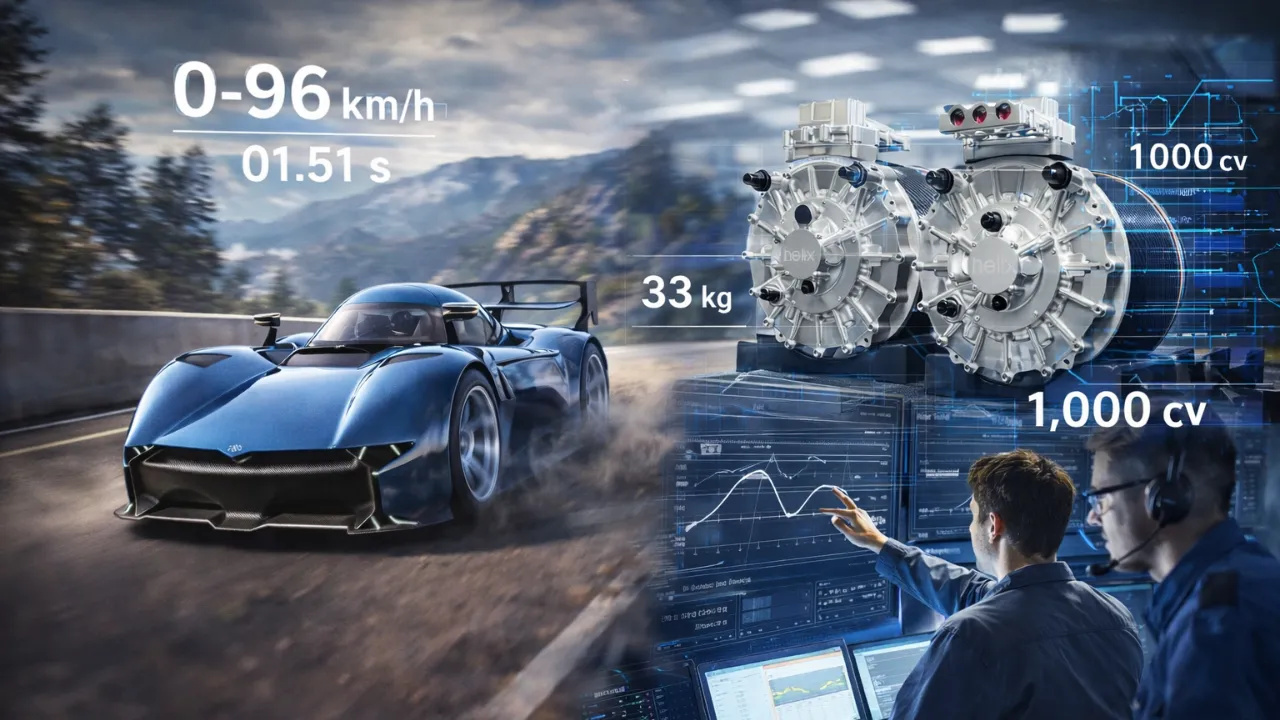
This Helix Electric Motor Weighs Only 33 Kg and Turns the McMurtry Spéirling Into a Compact 1,000 Hp Missile That Takes Just 1.5 Seconds to Reach 100 Km/H

Graphene is a form of carbon with exceptional properties: it is incredibly light, strong, and conducts electricity very well. These characteristics make it ideal for electric vehicle batteries, which could store more energy, last longer, and charge faster.
Jar Vanan, CEO of Focus, states: “Graphene has the potential to revolutionize the electric vehicle industry and make electric cars even more attractive to consumers.”
Ideal Battery For Electric Vehicles

Focus uses a triple approach with artificial intelligence to analyze emerging battery technologies. First, advanced language models explore global patents for promising new ideas. Then, a real-time innovation tracker monitors the latest discoveries in the field. Finally, multivariate regression techniques predict the future performance of these technologies.
According to Kapper Gorski, Chief Operations Officer at Focus, the ideal battery for electric vehicles should balance energy density, safety, cost, and sustainability. Graphene seems to be the technology that comes closest to this balance, with significant improvements year after year.
Producing Graphene Costs About $200 Per Kilo
The biggest challenge for the mass adoption of graphene is the production cost. Currently, producing graphene costs about $200 per kilo, but the expectation is that this value will drop to $1 per kilo by 2031. When that happens, graphene batteries could dominate the market.
About 300 organizations are actively developing graphene technologies. Among them, Global Graphene Group stands out, especially after a strategic merger that promises to accelerate research and production of advanced batteries for electric vehicles. Another company, StoreDot, is ready to begin mass production of its innovative battery cells that offer 100 miles of range with just 5 minutes of charging.
With an annual improvement of 48.8% in graphene battery technology, the revolution is closer than ever. If production costs actually drop as expected, graphene will not only transform electric vehicles but also significantly contribute to the reduction of greenhouse gas emissions, benefiting both drivers and the environment.










-

Uma pessoa reagiu a isso.