





 Português
  Inglês
  Espanhol
  3 min de leitura
  2 comentários


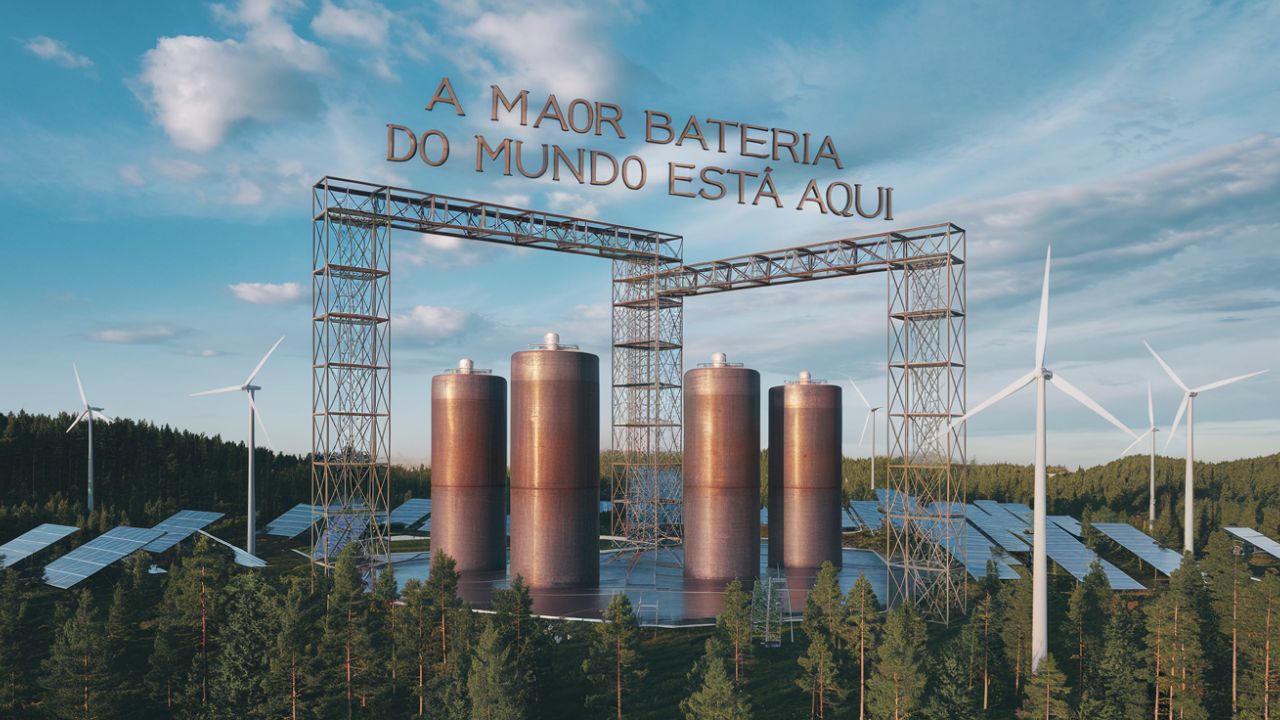


With the capacity to store 8,500 megawatt-hours and operate for up to 100 hours, the construction of the world’s largest battery in Maine promises to transform clean energy into a sustainable and accessible solution, all thanks to rust, the key material of this revolutionary innovation.
An innovative, large battery that can store enough energy to power thousands of homes for days. This project, taking shape in the state of Maine, United States, is not just a technological solution; it is a symbol of the transition to a more sustainable future. With an impressive capacity of 8,500 megawatt-hours, the construction of the world’s largest battery promises to revolutionize the energy sector.
But what makes this battery special? The answer lies in something surprising: rust. Yes, that same rust that we see corroding metals could be the key to a new era of clean energy.
Why Maine Was Chosen?

Maine is known for its natural beauty, with beaches, lakes, and forests that delight tourists and residents. But beyond that, the state is now seeking to lead an energy transformation by leveraging the potential of abandoned industrial sites, like the old paper mill in the town of Lincoln. This choice was not random: the region has a history of resilience and innovation, making it ideal for large-scale projects.
-
A bright yellow mushroom imported from Asia escaped from a cultivation farm in the United States in 2010 and is now aggressively spreading across 25 states, destroying entire communities of native fungi in American forests.

-
Buried under China, a colossal machine weighing 20,000 tons began operating as the largest neutrino detector on the planet and, in just 59 days, surpassed results that science took half a century to achieve.

-
Iran enters the center of a climate alert after the war emitted 5.6 million tons of CO2 in two weeks, surpassing the annual pollution of entire countries.

-
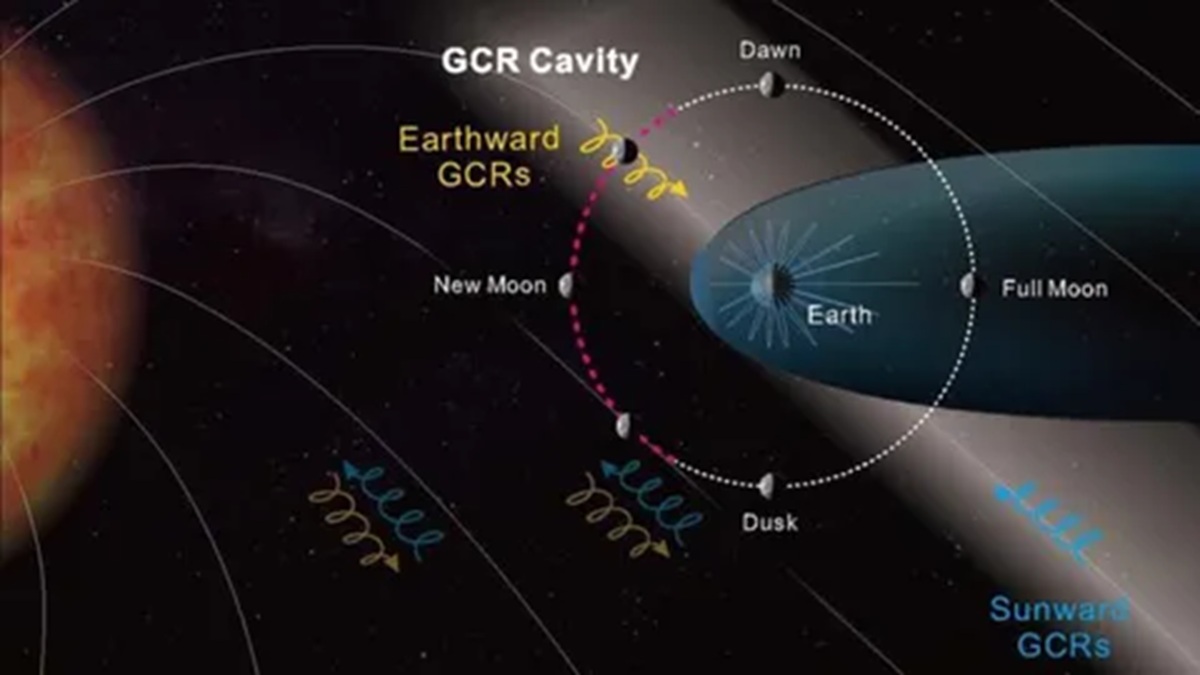
Lunar exploration may change after a Chinese probe finds a “cavity” of radiation that reduces the impact on astronauts by up to 20% at certain times on the Moon.

The construction of this new battery will also be a crucial support for New England, a region facing severe energy challenges during harsh winters. With frequent power outages and dependence on fossil fuels, the transition to renewable sources is urgent.
How Iron-Air Technology Works
The iron-air technology is simple and brilliant. By oxidizing iron (that is, turning it into rust), the battery releases energy. When there is an excess of renewable energy, the process is reversed, and rust turns back into iron. This innovation is not new, but Form Energy has made it accessible and efficient, with much lower costs compared to lithium-ion batteries.
Although the round-trip efficiency is lower, the durability and low cost of these batteries make them ideal for large-scale energy storage. Being made from abundant and non-toxic materials, such as iron and air, they are a much more sustainable alternative.
The Environmental and Economic Impact of the Construction
In addition to reducing greenhouse gas emissions, the construction of the world’s largest battery is bringing new life to the town of Lincoln. The reuse of abandoned industrial land demonstrates how it is possible to honor the past while building the future.
The factory that will house the battery represents not only a technological advancement but also a symbol of hope for local residents. With new jobs and investments, the region has an opportunity to revive.
The Transformation of the City of Lincoln
Lincoln, once the heart of a thriving paper industry, saw its economy plummet with the closure of the mill in 2015. Now, the town will have a new identity: a hub of renewable energy.
The construction of the world’s largest battery in Maine is just the beginning. Other U.S. states are following suit, repurposing coal plants and abandoned mines to create sustainable energy solutions. Projects like the Natrium nuclear reactor, backed by Bill Gates, and large solar farms in former mining areas show that innovation can arise even from the most unlikely places.
What have we learned from this? That energy communities play a crucial role in the green revolution. Utilizing existing infrastructure is not only cheaper; it is a smart step towards making renewable energy a reality.
The construction of the world’s largest battery, based on rust, is more than a technological innovation; it is a milestone for sustainability. Projects like this show that the future of energy lies in repurposing the past, creating a positive impact for communities and the planet.







Na foto escreveram maor
Muito bom né sem poluição e baixos custos financeiros, com uma capacidade grande de armazenamento de energia limpa