





 Portuguese
  English
  Spanish
  3 min of reading
  0 comments



With a concession contract that goes until 2079, the North-Brazil Railway, operated by Rumo, has established itself as the main transportation route for agriculture, boosted by billion-dollar investments in connected networks.
The North-Brazil Railway (Ferronorte) is one of the country’s most strategic infrastructure assets. Designed to be the “backbone” of national logistics, it is the main artery that connects the heart of agriculture in Mato Grosso to the largest port in Latin America in Santos.
Currently operated by the giant Rumo Logística, the history of the railway is that of a visionary long-term project that, after decades, has finally had its potential unlocked. Boosted by billion-dollar investments in its connections, the North-Brazil Railway is now preparing for a new and ambitious phase of expansion into the interior of the country.
The Vision of 1989 and the Long-Term Concession
The story of the North-Brazil Railway began in 1989, long before the great cycle of privatizations. The concession to build and operate the network was granted by the federal government to entrepreneur Olacyr de Moraes, one of the world’s largest soybean producers at the time.
-
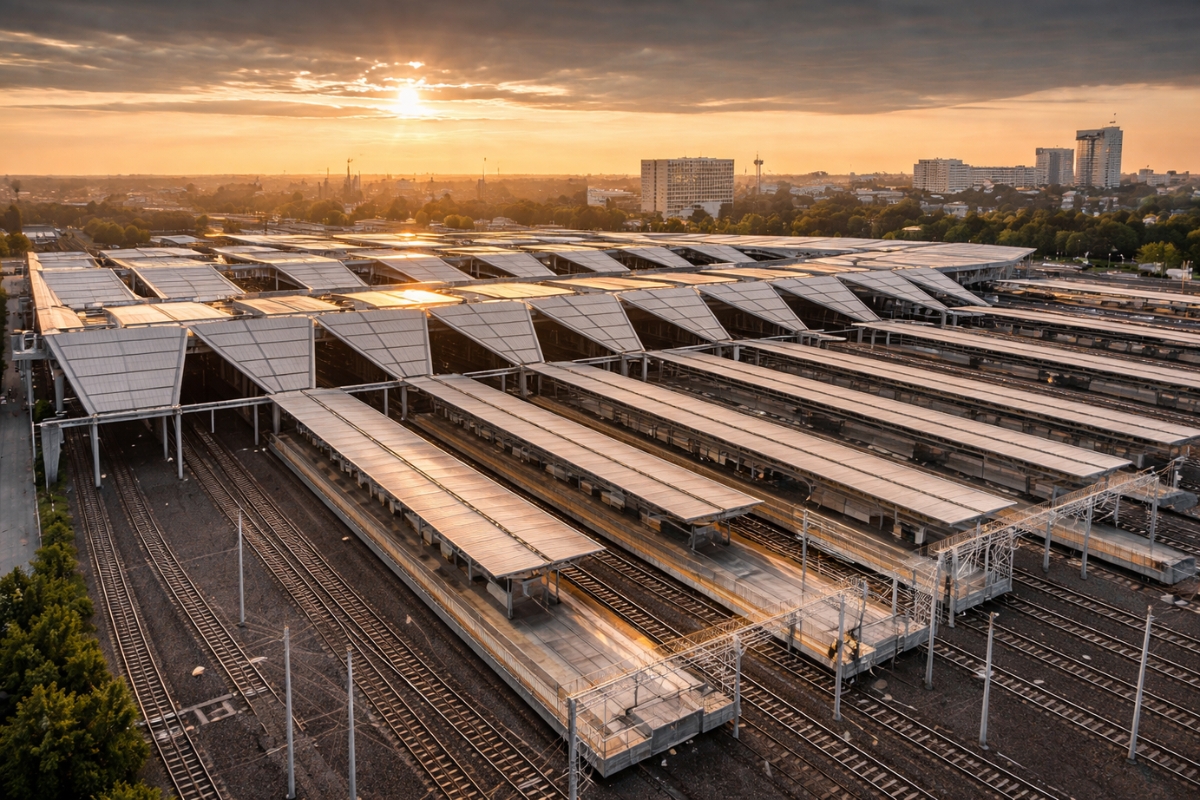
In A European City, The Country’s Largest Railway Junction Was Modernized Without Closing Its Doors, Kept Trains Running During Years Of Construction, Now Serves Up To 60,000 Passengers Per Day, And Installed Solar Panels That Generate About 30% Of Its Energy
-
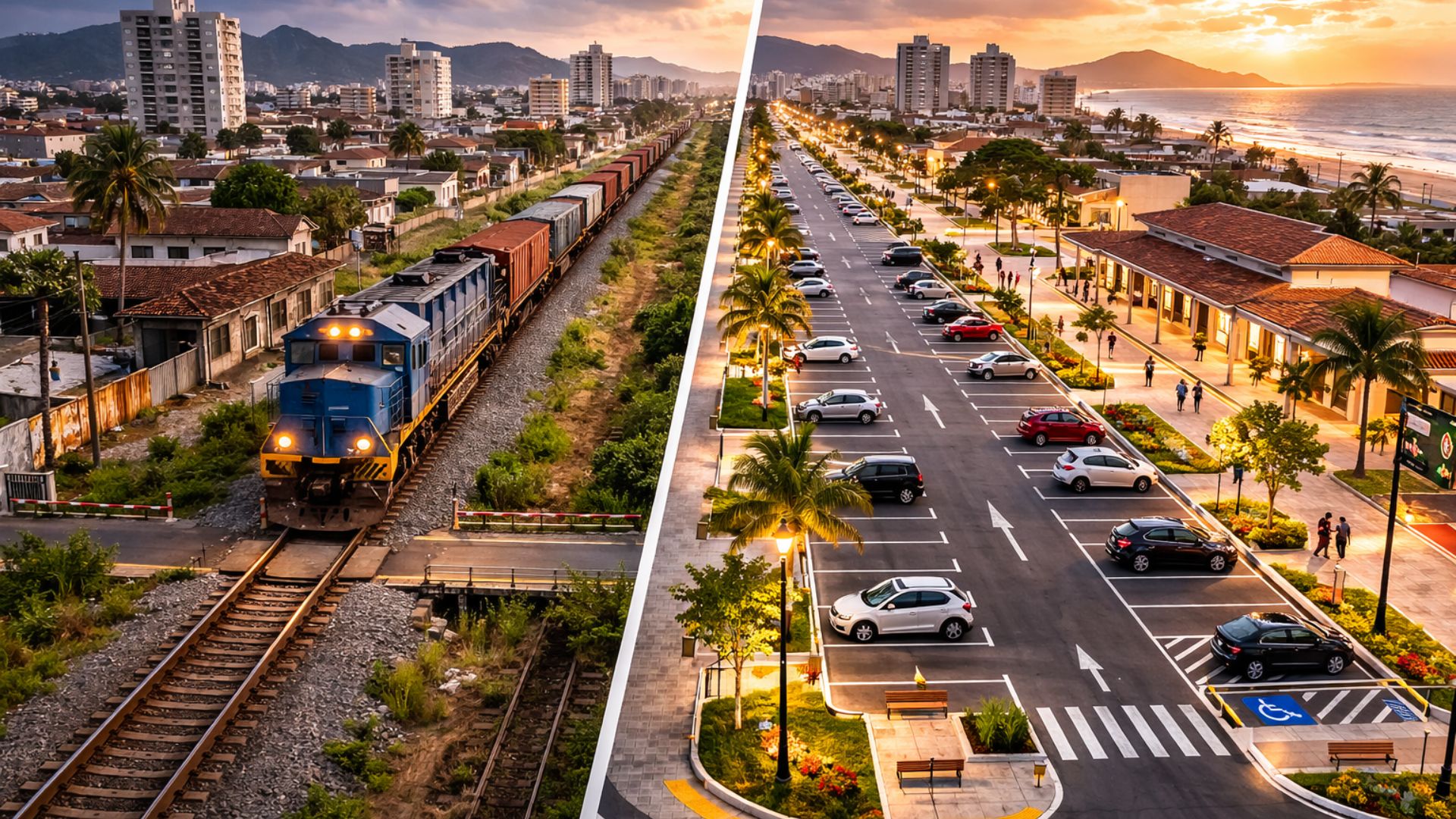
Famous Brazilian Railway May Become a Parking Lot
-
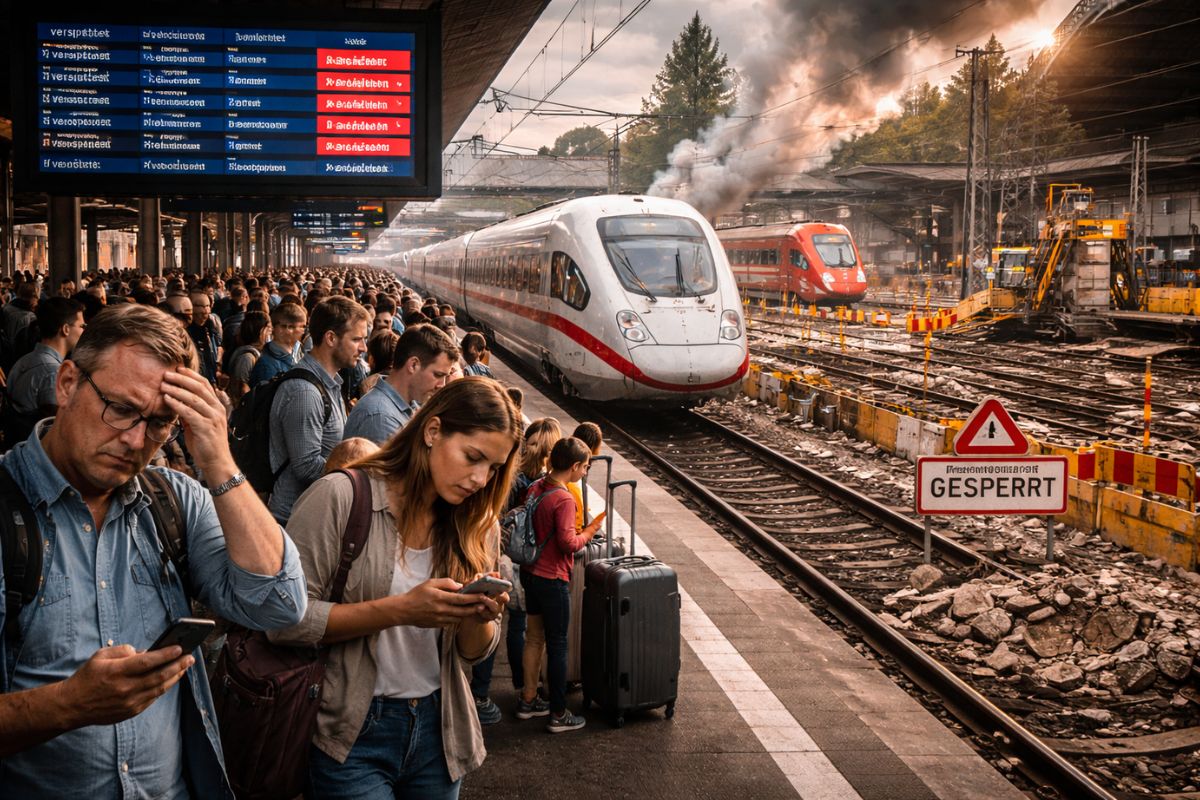
The Country of “Punctual As a Train” Admits It Has Lost Control: High-Speed Trains Delay, Stop, Disappear from the Map and Turn 6-Hour Trips into 10, While Deutsche Bahn Promises Restructuring in 2026 But Faces 19th Century Infrastructure, Staff Shortages and Sections Closed for Months
-
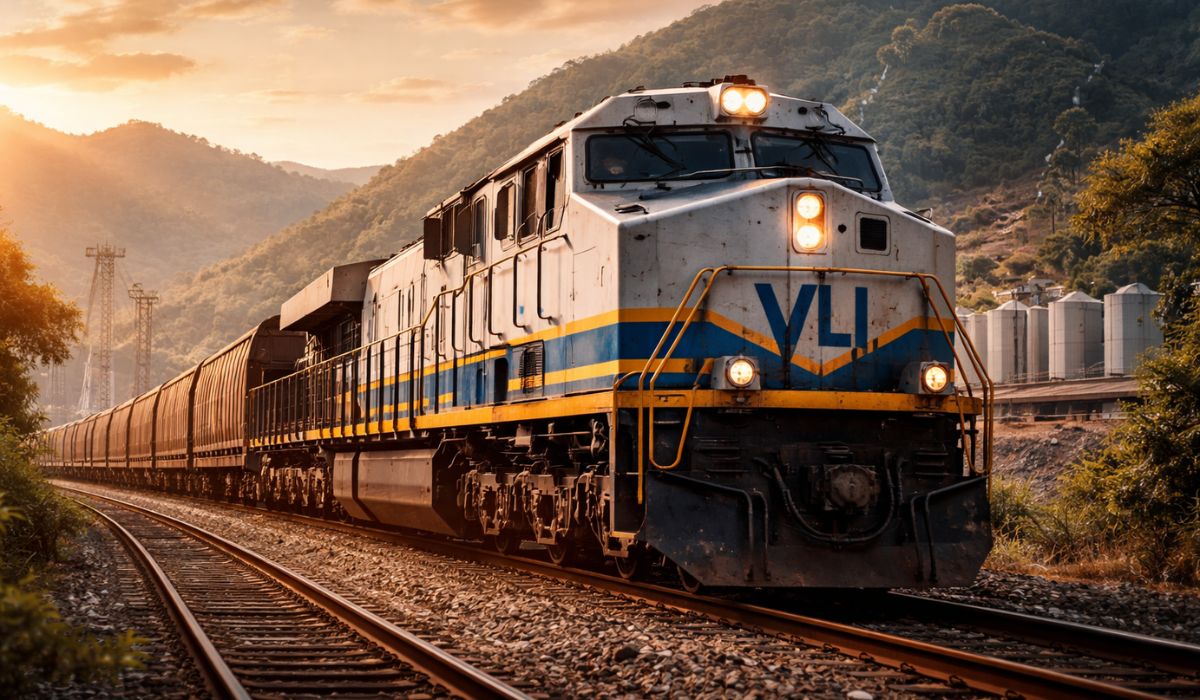
With an Investment of R$ 700 Million in One of the Country’s Main Rail Networks, VLI Reinforces Infrastructure, Receives 8 New Locomotives, and Expands the Corridor Connecting 7 States, Boosting Jobs and the Transportation of Grains, Ore, and Oil Products to the Port of Santos

The contract was born with a long-term vision. A 90-year concession was established, expiring only in 2079. The goal was to create a logistics corridor to transport production from the Midwest, which was beginning to expand.
The Consolidation of the Giant: The Arrival of Rumo and the New Management Model
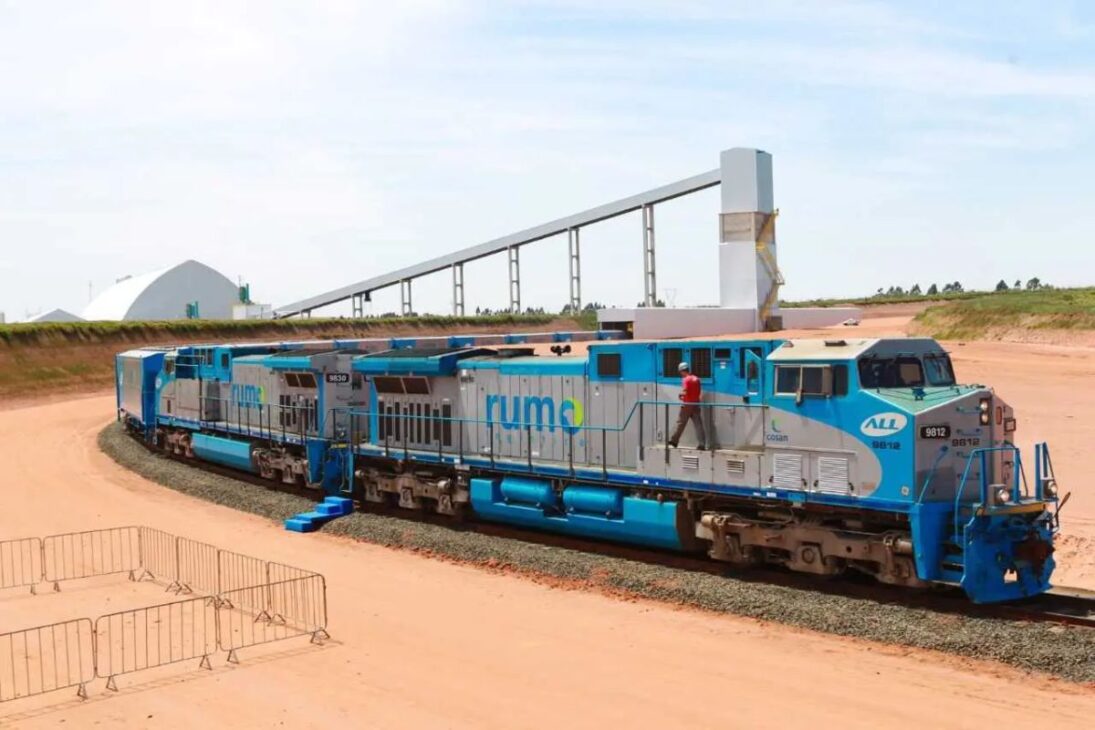
Despite the vision, the project faced financing difficulties for years. Consolidation came with a series of control changes, culminating in the merger of Rumo Logística with América Latina Logística (ALL) in 2015.
This merger created the largest railway operator in Brazil and placed the North-Brazil Railway under the control of an operator with strong investment capacity and a strategy focused on agriculture, aligning the railway’s interests with those of its main client.
The Key That Unlocked the Potential: The Renewal of the Paulista Network
The major turning point for the North-Brazil Railway did not happen within it, but in its neighbor. For Ferronorte’s cargo to reach the Port of Santos, it must pass through the Paulista Network. This network was a bottleneck that limited growth.
In May 2020, Rumo managed to close a deal with the government for the early renewal of the Paulista Network concession. In exchange for the renewal, the company committed to invest over R$ 6 billion to more than double the capacity of the line. It was this expansion that opened the doors for Ferronorte’s growth.
The Expansion to the Heart of Agriculture: The R$ 15 Billion Project in Mato Grosso
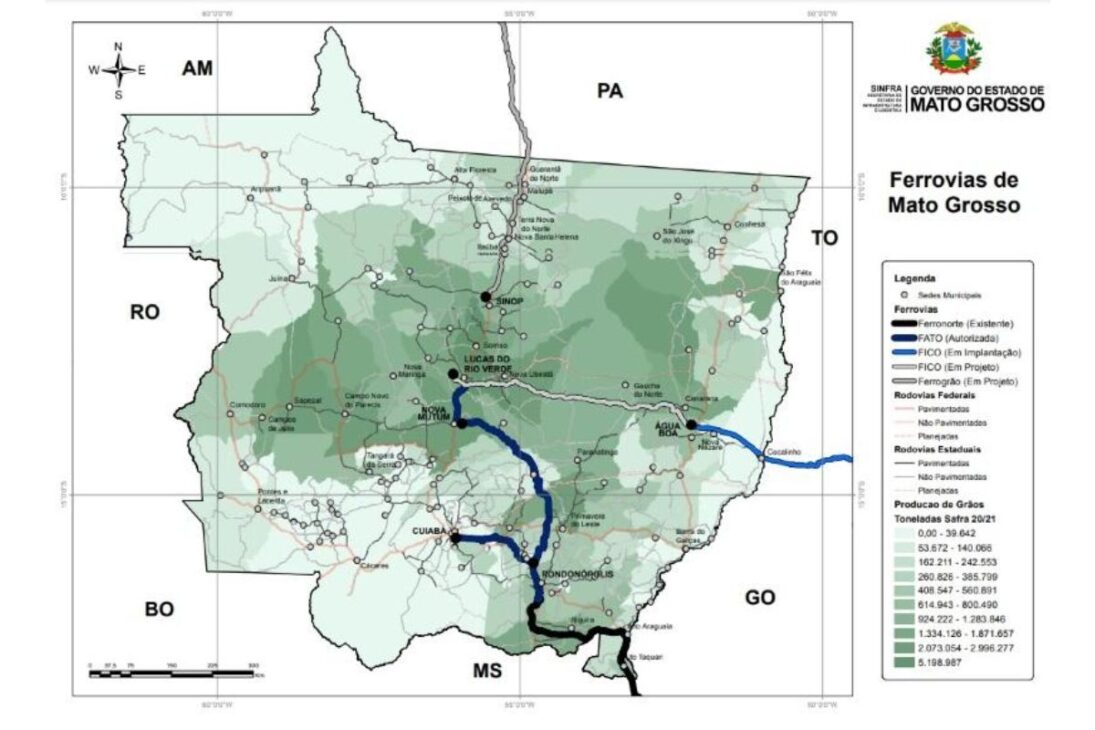
With the assurance that its cargo would have a way to pass, Rumo began its most ambitious project: the construction of the Mato Grosso State Railway (FATO). This is an extension of over 730 km of the Ferronorte, which will take Rumo’s tracks from Rondonópolis to Lucas do Rio Verde, one of the largest grain hubs in the country.
The project, representing an investment of R$ 14 to R$ 15 billion, is already under construction. It is the first large-scale project to be carried out under the new Legal Framework for Railways and is expected to be fully completed by 2030, with sections entering operation as early as 2026.
A Long-Term Bet: Why the North-Brazil Railway Attracts Investors?
The combination of a very long-term concession contract, a growing demand from agriculture, and the management of a capitalized operator makes the North-Brazil Railway an extremely attractive asset for investors, including foreigners.
Not surprisingly, Rumo Logística has among its main shareholders global giants, such as Canadian infrastructure fund Brookfield and Japanese trading company Mitsui. They see the railway as a safe long-term bet on the success of one of the most competitive sectors of the global economy: Brazilian agriculture.










-

-

3 pessoas reagiram a isso.