





 Portuguese
  English
  Spanish
  5 min of reading
  0 comments


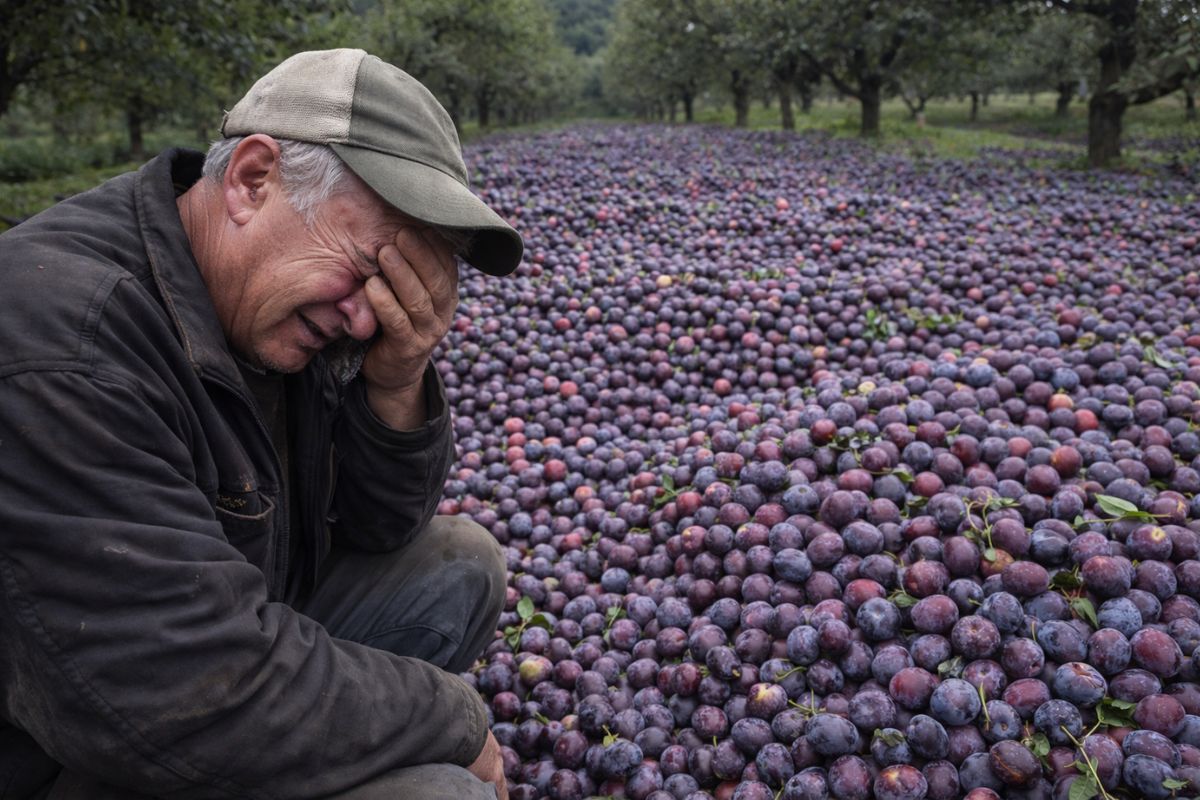
A rural producer from Urubici, in the Serra Catarinense, discarded 50 tons of plums because he couldn’t sell the production and recorded an emotional video offering the fruits to anyone who wanted to come to the property to pick them up before they rotted on the ground, exposing a problem that affects fruit producers throughout Brazil
A video of a rural producer from Urubici, in the Serra Catarinense, went viral on social media showing 50 tons of plums thrown on the ground of the property. Emotionally, the farmer explains that he couldn’t sell the production and asks anyone to come to the site to pick up the fruits before they rot. “That’s it, 50 tons of plums gone, because there’s no market. Anyone who wants to come and take them can come,” says the producer in the recording, visibly shaken by months of discarded work on the ground.
The case exposes a problem that goes far beyond a property in Urubici. Fruit producers in various regions of Brazil face the same situation: abundant harvests that find no buyers because the market cannot absorb the volume, prices do not cover costs, and the logistics of distribution are too expensive. The plums that rot on the ground in the Serra Catarinense are a portrait of a system that produces food in abundance but fails to get it to the table of those in need.
What happened to the 50 tons of plums in Urubici

The rural producer harvested the plum crop at the expected time but found no buyer for the produced volume. The plum is a perishable fruit that needs to be sold quickly after harvest, and when the market does not absorb the production, the producer has few alternatives.
-
Unable to pass through Hormuz, Brazil activated a plan B that uses Turkey as a gateway to the Middle East: the route through Gibraltar and the Mediterranean is longer and more expensive but ensures that chicken, beef, and corn continue to reach Arab markets.

-
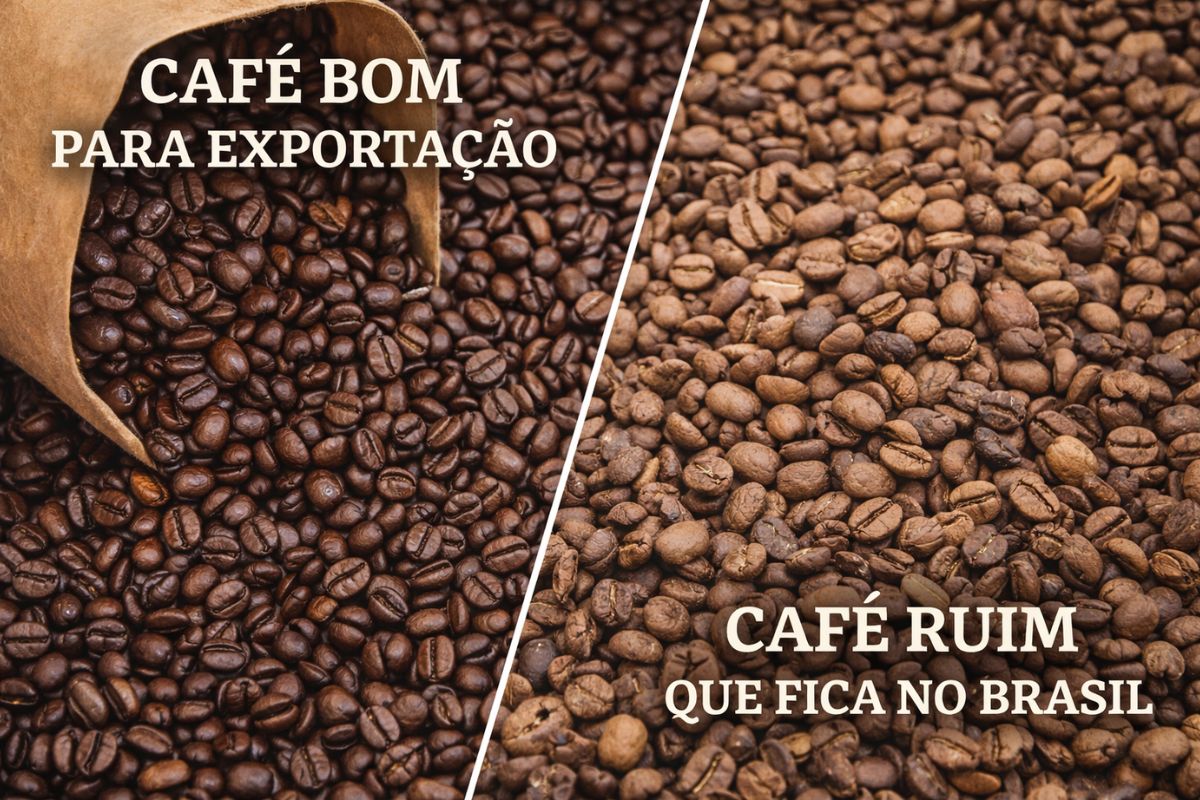
You grew up hearing that the good coffee from Brazil goes all abroad and the bad coffee stays for Brazilians, but this story has completely changed, and the numbers show that in the 1980s, thirty percent of the coffee sold here was adulterated with corn and barley.
-
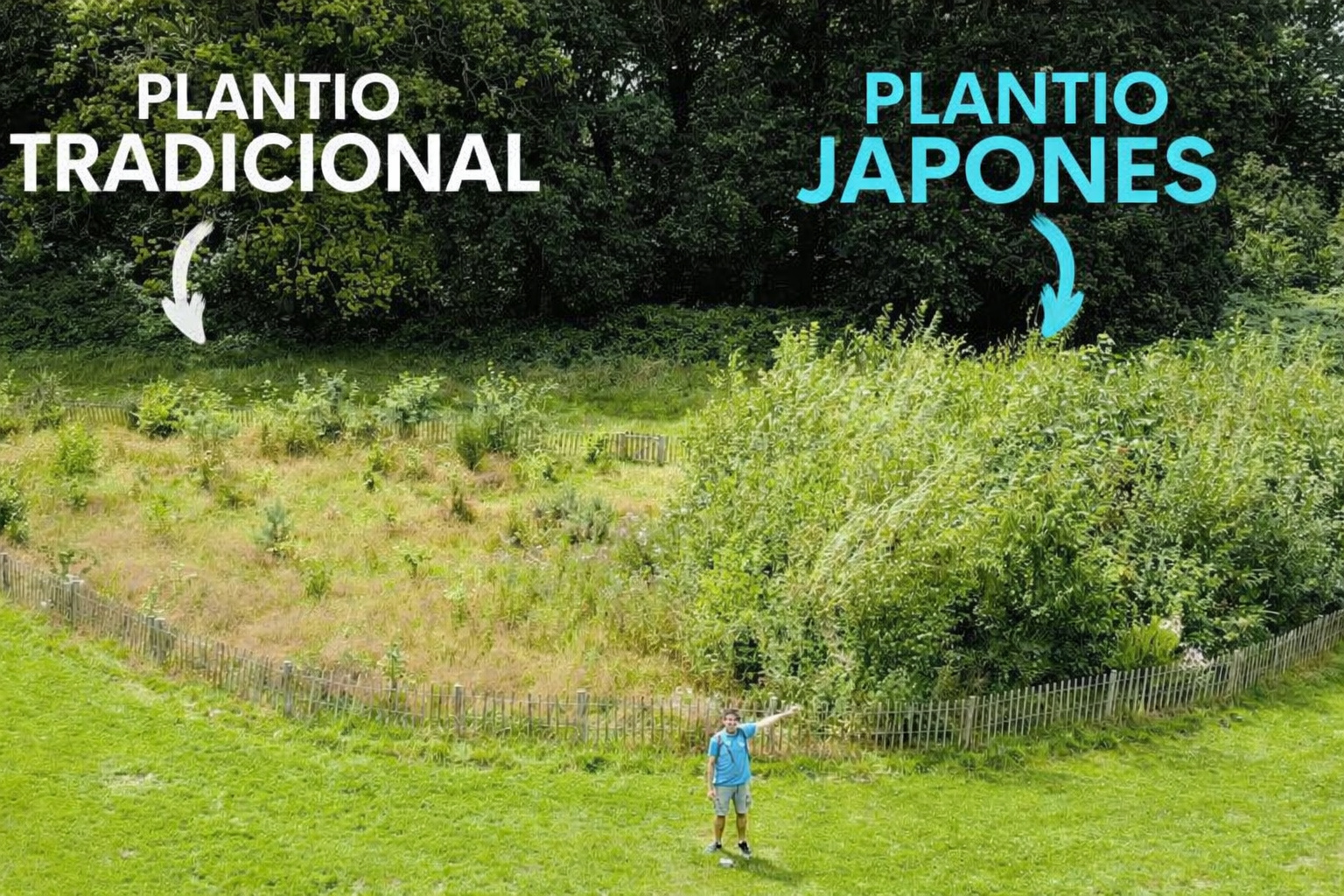
Engineer creates reforestation method that transforms small plots into dense forests in a few years using local biomass and can reduce environmental recovery costs.
-
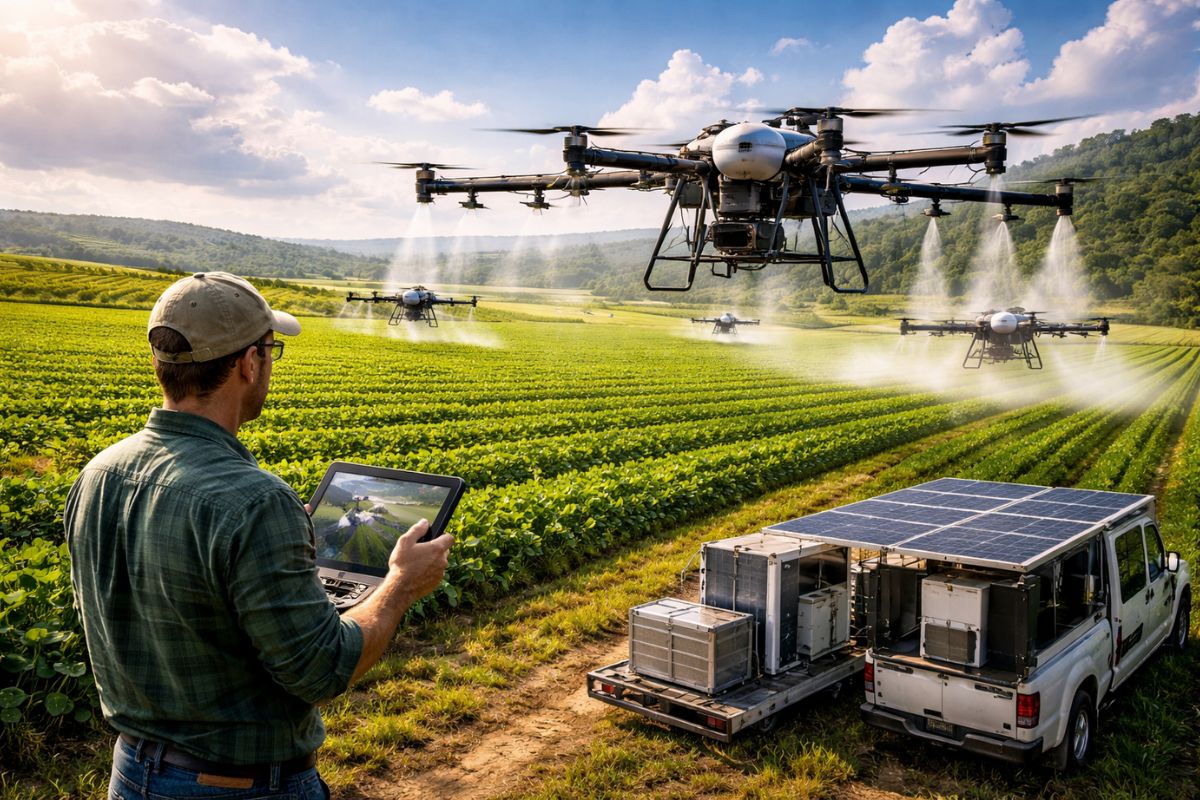
Alone, the producer applies 7,400 hectares with the T100 drone in an optimized structure, replaces the generator with a silent battery, and demonstrates how technology reduces costs, increases productivity, and even challenges the uniport in the field.

Storing 50 tons of plums in a cold chamber costs more than many small farmers can afford, and the freight to distant consumer centers can make the business unviable.
Without a buyer and without the means to store, the farmer decided to discard the production and record the video as a way to at least avoid total waste. By offering the plums to anyone who wanted to pick them up, the producer transformed a loss into an act of solidarity.
The video quickly circulated on social media and generated an outcry, but it also raised an uncomfortable question: how is it possible that 50 tons of fresh fruit cannot find a destination in a country with millions of people going hungry?
Why the plums from Urubici did not find a buyer
Urubici is one of the coldest regions in Brazil and has ideal climatic conditions for the production of temperate fruits like plums, apples, and peaches.
The problem is that the Serra Catarinense is far from major consumer centers, and the cost of freight to transport fresh plums to São Paulo, Rio de Janeiro, or Curitiba can consume the entire profit margin of the producer.
In addition to logistics, there is the market factor: when the harvest is good across the entire producing region, the supply of plums rises simultaneously and prices plummet.
The producer who invested months of work in cultivation faces a fruit that is worth less than the cost to harvest and transport it.
It is at this point that 50 tons of healthy and ripe plums end up on the ground instead of reaching someone’s table. The problem is not a lack of production; it is a lack of infrastructure to distribute what is produced.
The waste of fruits in Brazil is much greater than a video shows
The case of the plums from Urubici went viral because of the video, but situations like this happen every year in different producing regions of Brazil. Perishable fruits like plums, strawberries, peaches, and tomatoes are especially vulnerable because they have a short shelf life and require refrigeration during transport.
When the producer does not have access to a cold chamber, refrigerated vehicle, or advance sales contract, disposal in the field becomes the only option.
Brazil is one of the largest food producers in the world, but it is also one of the biggest wasters. The problem is not exclusive to plums or Urubici; it is structural.
The lack of cold storage infrastructure in rural areas, the concentration of intermediaries controlling prices, and the absence of effective public policies to connect producers to food banks turn abundant harvests into mountains of waste.
What could have been done with 50 tons of plums
Fifty tons of plums are enough to feed tens of thousands of people. With this amount, it would be possible to supply food banks, school meal programs, shelters, and charities throughout the region.
The problem is that the logistics to get these plums from the field to those in need require refrigerated transport, coordination, and money that the producer alone does not have.
Another alternative would be processing the plums into pulp, jam, juice, or dehydrated fruit, products that have a long shelf life and can be transported without refrigeration.
But small agro-industries near producing regions are rare, and when they do exist, they often do not have the capacity to absorb 50 tons at once.
The transformation of plums into processed products could have saved all this production, but the infrastructure simply does not exist on the necessary scale.
A producer who cries, 50 tons on the ground, and a system that doesn’t work
The video of the producer from Urubici with 50 tons of plums on the ground is more than just a sad scene.
It is the image of a system that produces food in abundance but fails to distribute it, forcing farmers to discard the results of months of work and allowing healthy fruits to rot while millions of Brazilians have nothing to eat.
The plums that the producer offered for free to anyone who wanted to pick them up are proof that the problem is not a lack of food. It is a lack of connection between those who produce and those who need.
Have you ever seen plums or other fruits being discarded in your region? Do you think there is a lack of infrastructure, lack of public policy, or lack of will to solve it? What could be done to prevent this from happening again? Leave your comments and share this article with those who need to see what is happening in the Brazilian countryside.







Seja o primeiro a reagir!