





 Portuguese
  English
  Spanish
  3 min of reading
  0 comments


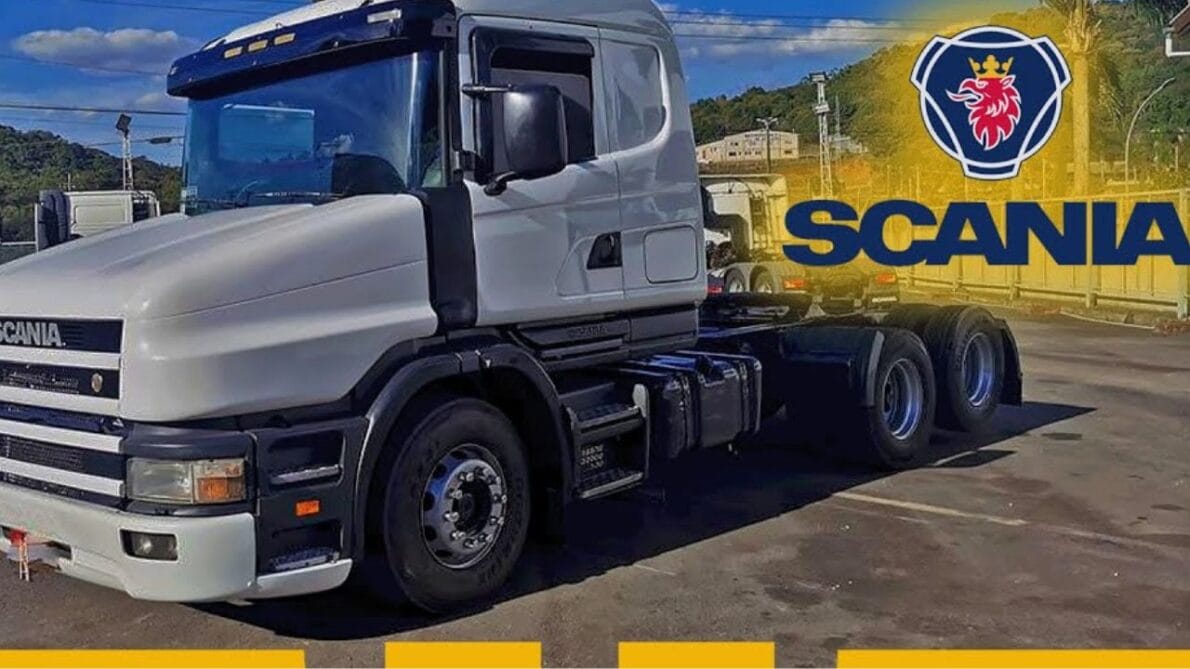
Scania, as we know it today, began its journey in the late 19th century. The history of Scania is marked by the merger of two companies: Vabis, founded in 1891, and the old Scania, founded in 1900. In 1911, these two merged to form Scania-Vabis, combining Vabis’s expertise in vehicle manufacturing with Scania’s innovation.
In the beginning, Scania-Vabis focused on the production of trucks, buses, and engines. During World War I, they had great success with the manufacture of military trucks. However, after the war, Europe faced a recession, and the company struggled. In 1921, Scania-Vabis went bankrupt, but Military Engineer Arvid Lindman decided to take the risk and revive the company.
With a new strategy focused on commercial vehicles, Scania-Vabis launched the 314 model in 1921, a truck with a 1-ton payload capacity and an innovative gasoline engine. This marked the company’s rebirth, and it began to thrive again. In 1929, they formed a partnership with the American Twin Coach Company to manufacture buses in Sweden, launching models that became known as “Bulldog.”
Growth and Innovation


During World War II, Scania-Vabis produced armored vehicles, such as the M40. After the war, in 1944, they launched the L10 model, which was successful in international sales. In Sweden, they became official importers of Volkswagen, financially strengthening the company.
-
The government puts R$ 8.6 billion on the table to change the highway (BR) with 50 overpasses, 28 bridges, 4 tunnels, and 40 km of bike lanes in 180 km of historic duplication.

-
BRL 20.1 Million Bridge Project Kicks Off: 200-Meter Construction to Improve Access in Three Cities in Minas Gerais

-
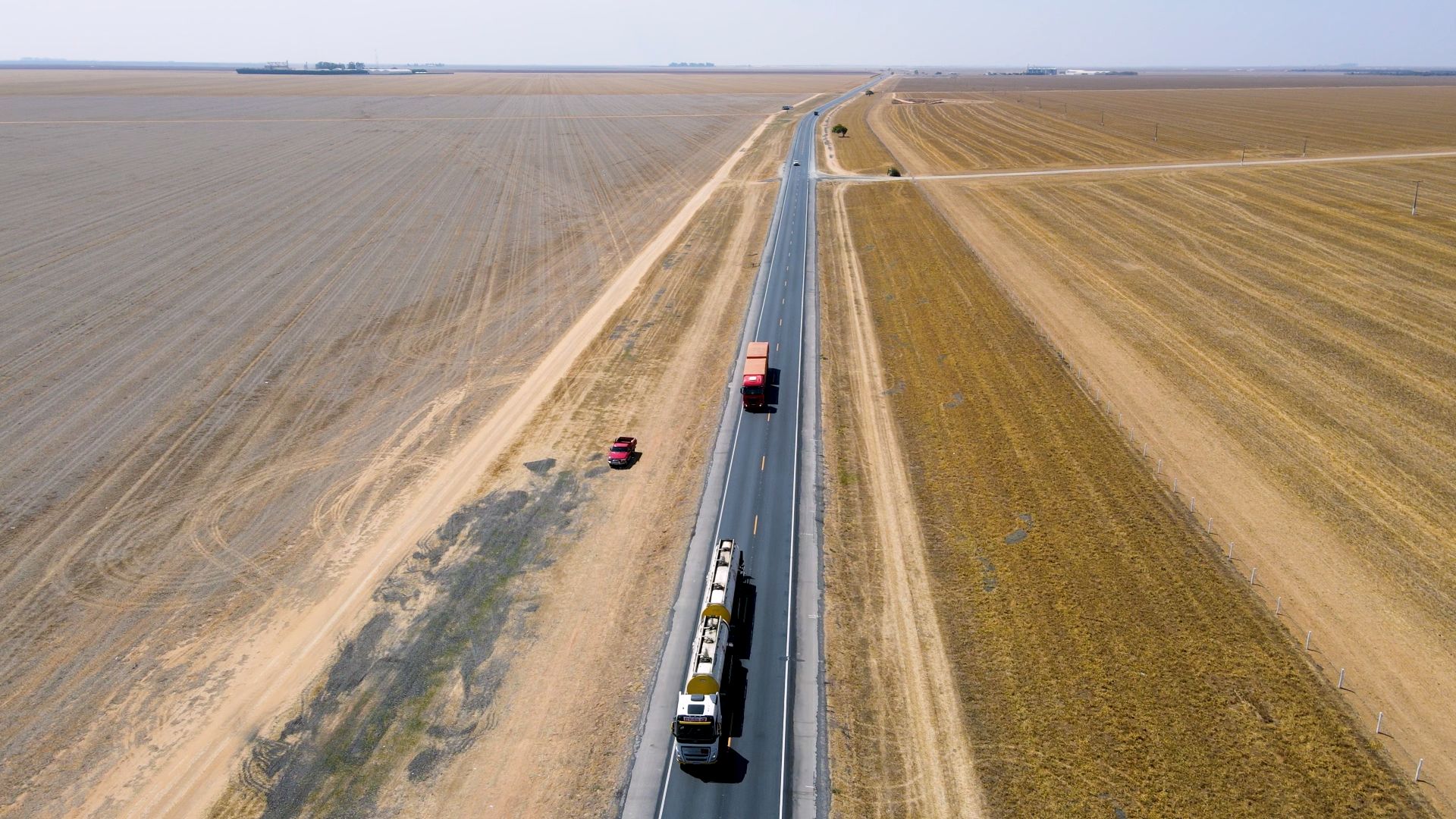
‘Endless Road’ In Brazil Is One of The Largest In The World: 145 Km Stretch On An Important Highway (BR) Crosses The West Of Bahia And Had 135.9 Km Revitalized With R$ 35.3 Million
-
Engineer From ITA Who Worked at Embraer Leads Free Flow Expansion With National Artificial Intelligence and Technology for Toll Without Barriers in Brazil


In the 1950s, Scania-Vabis continued to expand, launching new models and exporting to various countries. In 1953, they began operations in Brazil, and in 1958, they inaugurated a factory in São Bernardo do Campo, São Paulo, with a localization rate exceeding 92%.
Consolidation of Scania in Brazil
Scania-Vabis trucks and bus chassis quickly became market leaders in Brazil. In 1964, they launched the L76 model and its version with a forward cabin, the LB76. In 1975, the manufacturer introduced the LK10 to Brazil, the first truck with a forward cabin in the country.
In the 1980s, Scania introduced series 2 and later series 3, which were hugely successful. In 1995, they launched series 4 designed by the renowned Bertone studio. In 2008, Volkswagen became the majority shareholder of the brand, integrating it into its group of commercial vehicle manufacturers.
Recent Innovations
In 2010, Scania presented the R730, the most powerful truck in the world at the time. In 2016, they launched the new generation of the R series, designed by Porsche Engineering. Today, the brand continues to innovate with its line of electric vehicles and efficient engines, remaining at the forefront of the global automotive industry.
Scania has won over Brazil and the world with its story of resilience, innovation, and quality. From its roots in the 19th century to leadership in the heavy vehicle and bus market, Scania has remained steadfast, overcoming challenges and constantly reinventing itself.
So, did you enjoy Scania’s story? Leave your comment, and let’s chat about this giant of trucks and buses! See you next time, everyone!









Seja o primeiro a reagir!