





 English
  Francês
  Alemão
  Italiano
  Japonês
  Norueguês
  Portuguese
  Spanish
  4 min of reading


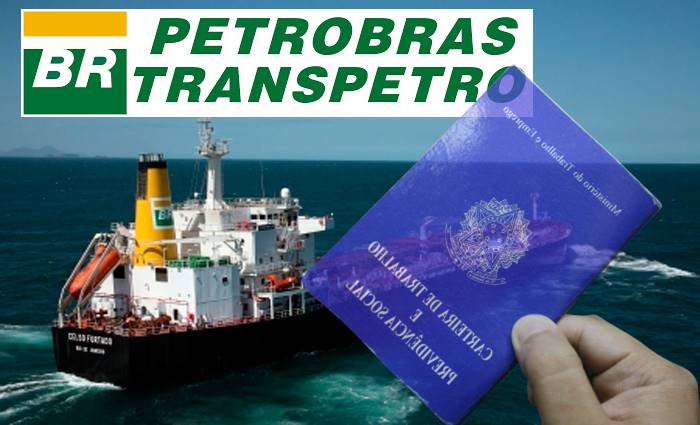
In Contrast to the Ongoing Strike by Petrobras Oil Workers, Transpetro Employees Plan to Strike Due to Non-Compliance with the Last Agreement
Transpetro is a company of Petrobras, being the most important for fuel transportation and logistics in Brazil. Currently, all of its direct maritime oil workers are civil servants, a fact that virtually favors the category in job stability, although they are subject to conventional work regime under the CLT (Consolidation of Labor Laws).
- Company Providing Services for the Offshore Sector, Sistac Opens Job Vacancy for Rio de Janeiro
- Aeronautics Contest – 250 Vacancies Will Be Offered with Salary of R$ 3.8 Thousand
- The French Company Total Licensed Five Oil Wells in the Campos Basin Today
Yesterday (18), information reached Click Petróleo e Gás that Transpetro wants to change this work regime and undo the last agreement made nearly a year ago, Understand below:
The work schedule of the first agreement was as follows: 90 x 45 + full salary + benefits
-
Expansion of Federal Institutes: 38 new campuses and R$ 200 million for public education; see the cities included.

-
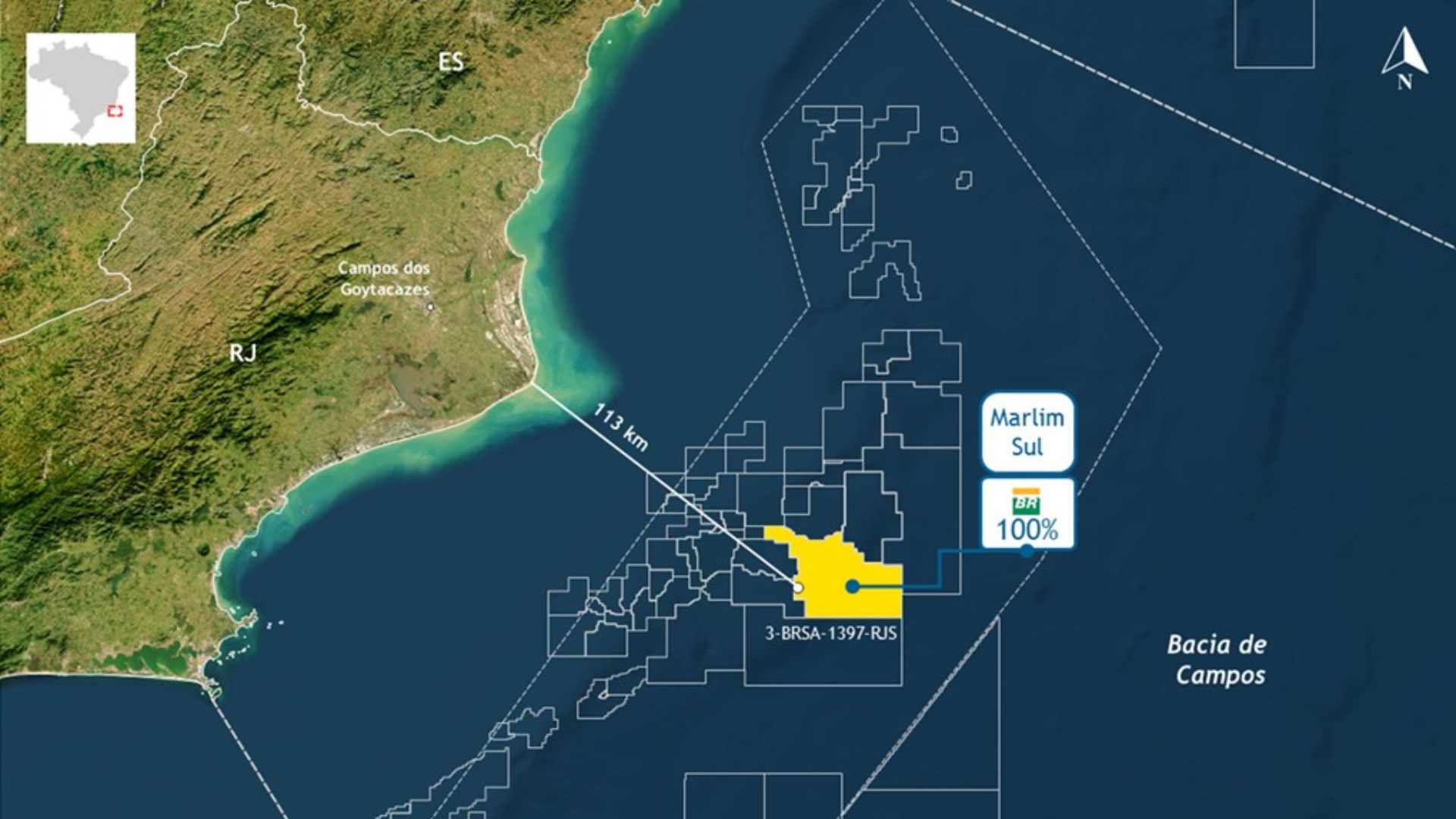
Petrobras announces new oil discovery in the pre-salt of the Campos Basin and reinforces Brazil’s prominence with high-quality reserves that can increase production and energy revenues.
-
Alert in the fuel market: Analysts and a former director of ANP warn that oil prices may worsen in the coming months due to global instability.

-
Lula’s government changes rule in important benefit and thousands of Brazilians will no longer receive it; see what has changed.


Current Agreement: In exchange for reducing the schedule to 60×60, the maritime oil workers also accepted a 10% reduction in the current salary
Re-proposal from Transpetro: Return to the schedule of 90×90 but without returning the 10% that was previously imposed
Just as Petrobras Oil Workers did, the maritime workers also did not accept the new proposal and are in internal negotiations to plan a possible strike. According to them, to retaliate the subsidiary threatens to remove existing benefits and force them to work under the conventional CLT regime, subjecting them to charges and labor laws of the private regime like any other regular employee.
The Benefits to Be Withdrawn or Altered Are:
- Freezing of Annuity
- End of Gratified Functions
- End of Function Gratifications
- End of Educational Benefit (except daycare and preschool)
- End of Young University Program
- End of Meal Voucher
- End of Bonus Abroad
The maritime oil workers reported that the National Union of Merchant Mariners and Affiliated (Sincomam), the National Union of Cabotage Masters and Second Mates in Maritime Transport (Sindmestres), and the National Union of Merchant Marine Officers (Sindmar) signed the ACT Mar 2019-2020, claiming that the new terms are a good agreement for them, but the category has shown inflexibility and a potential strike could start at any moment.
Read the Official Message from Transpetro’s Circular
The Company Begins Transition to Current Labor Legislation
In the absence of agreement, Transpetro clarifies the next steps for employees of the categories that did not sign the ACT Mar 2019-2020
Since November, when it started negotiations for the Collective Labor Agreement (ACT) of Mar 2019-2020, the company has been tireless in seeking an agreement with the union entities representing its employees. Throughout the negotiation period, six meetings took place between representatives of the company and the unions.
The company was flexible, reviewed several items of its proposal, and presented a commitment in the agreement, with the force of law, to compensate for the excess boarding days. The goal was always to arrive at the best proposal for the employees, without compromising the financial health, sustainability, and operational safety of Transpetro.
The National Union of Merchant Mariners and Affiliated (Sincomam), the National Union of Cabotage Masters and Second Mates in Maritime Transport (Sindmestres), and the National Union of Merchant Marine Officers (Sindmar) signed the ACT Mar 2019-2020.
Migration to Current Labor LegislationAs no agreement was reached by February 7 with the other unions and the validity of the ACT Mar 2017-2019 ended, the company initiated the migration to current labor legislation, as it cannot have practices different from those provided by law. This migration applies to the categories represented by the National Union of Mariners and Machine Helpers in Maritime and River Transport (Sindfogo), National Union of Stewards, Cooks and Marine Bakers (Taicupan), National Union of Mariners and Helpers in Maritime Transport (Sindconvés), and the National Union of Nurses of the Merchant Marine.
The company’s representatives were transparent regarding this possibility if all efforts to reach an agreement by February 7 were fruitless. The transition began on February 8, and, due to operational limitations, its implementation focused on some points.
In the table below, it is possible to follow the modifications already implemented.
The company’s HR, with the support of the Legal Department, will still evaluate other points of the ACT Mar that are not provided for in the Consolidation of Labor Laws (CLT):
· Boarding Regime (1×1);
· AMS and Amil;
· Pharmacy Benefit;
· Vacation Gratification (2/3 ACT);
· Uniform Allowance;
· Reference City for Crew Movements.Finally, we remind you that any action related to the signing of the agreement must be carried out by the representative unions of the involved categories.









Seja o primeiro a reagir!