





 English
  Francês
  Alemão
  Italiano
  Japonês
  Norueguês
  Portuguese
  Spanish
 4 min of reading
  0 comments


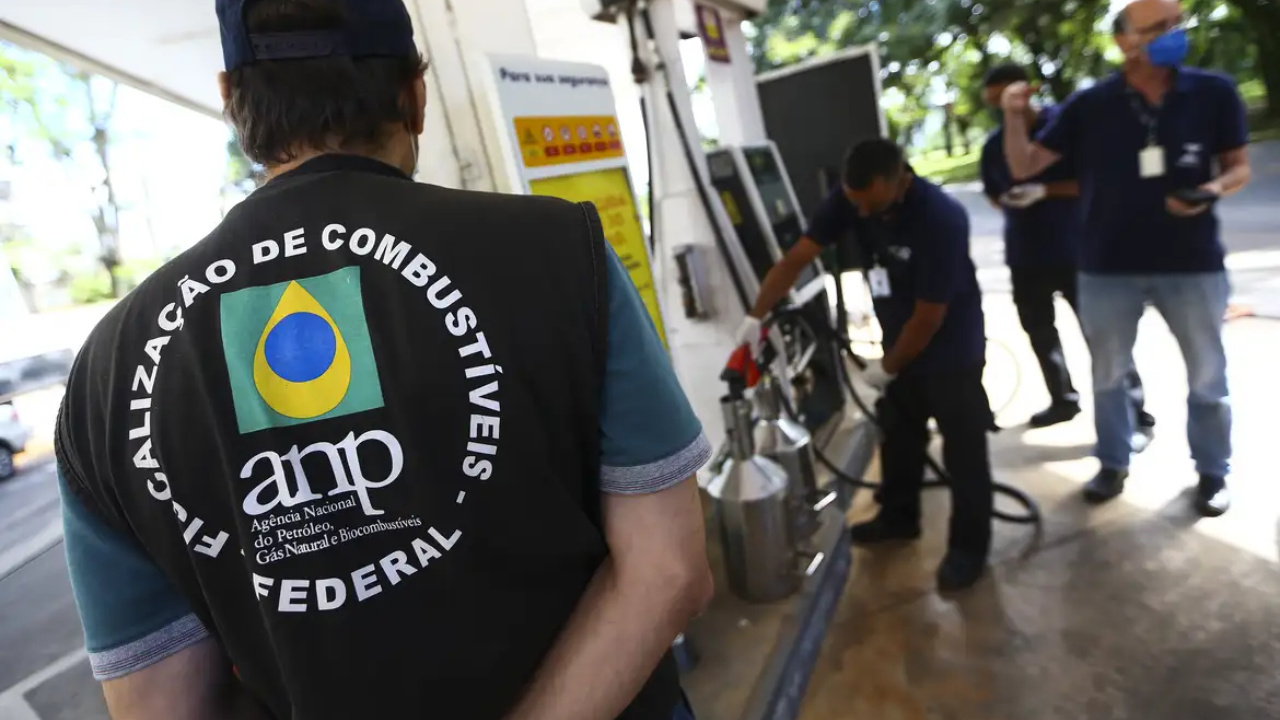
ANP Opened Administrative Proceedings to Investigate Possible Oil Find in Tabuleiro do Norte (CE). Substance Found by Farmer Has Characteristics Similar to Those of the Potiguar Basin.
The National Agency of Petroleum, Natural Gas, and Biofuels (ANP) announced that it will open an administrative proceeding to investigate a possible oil find in the municipality of Tabuleiro do Norte, in the Ceará hinterlands.
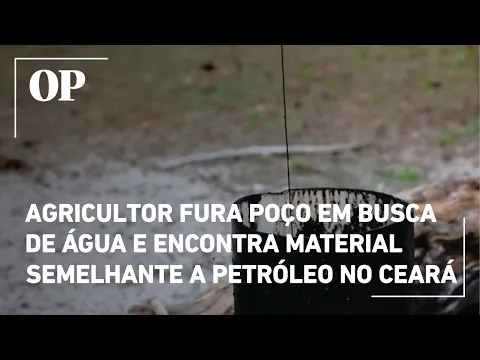
The substance was discovered in November 2024 by a farmer who was drilling the soil in search of water to supply his livestock. Instead of water, a dark liquid emerged, with a strong odor and characteristics similar to oil.
The family reported the case to the authorities. Months later, the ANP confirmed that it received the notification and will begin formal investigations.
-
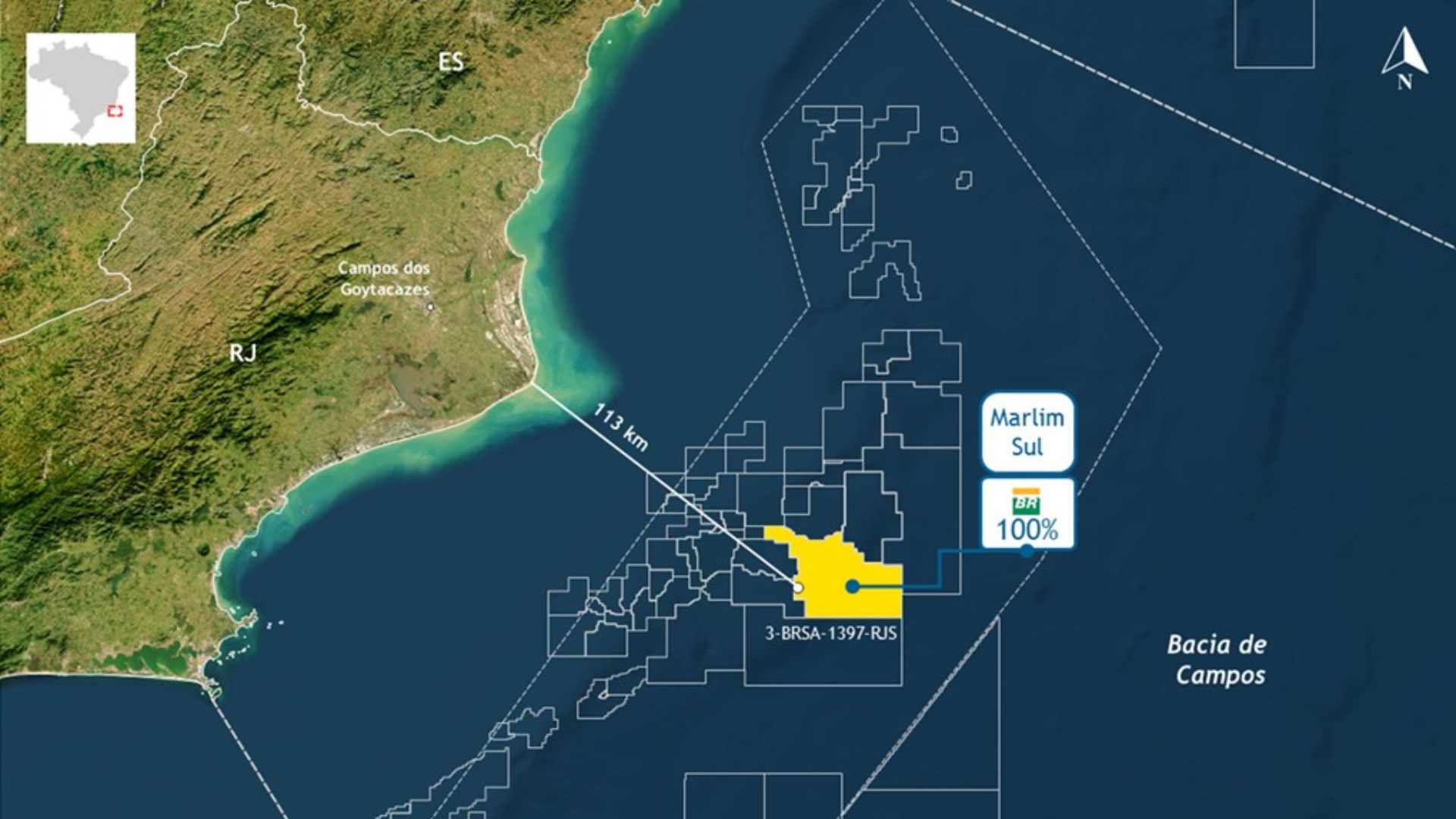
Petrobras announces new oil discovery in the pre-salt of the Campos Basin and reinforces Brazil’s prominence with high-quality reserves that can increase production and energy revenues.
-
Alert in the fuel market: Analysts and a former director of ANP warn that oil prices may worsen in the coming months due to global instability.

-
Ocyan brings executives and digital solutions to Macaé Energy 2026 and highlights offshore expansion with Nexio and a new base in Macaé.

-
Petrobras advances 4.6% with rising oil prices and the dollar, reigniting the debate on macro risks, pricing policy, and fiscal impact in Brazil.

Analyses Indicate Similarity to Oil from the Potiguar Basin
Before the official statement from the ANP, the case was already being studied by the Federal Institute of Ceará (IFCE).
Chemical engineer Adriano Lima, innovation agent at the Tabuleiro do Norte campus, received a sample of the material in 2025. Subsequently, he turned to the Low Carbon Research Center of the Federal Rural University of the Semi-Arid (Ufersa) in Mossoró (RN), where physicochemical analyses were conducted.
According to the researcher, the tests indicated a strong similarity to oil extracted in the region near the Potiguar Basin.
“We were able to see that it was indeed a mixture of hydrocarbons [type of chemical compounds of which oil is part] very characteristic, with properties very similar to oil from the onshore region of the Potiguar Basin,” said the engineer.
Still, despite the laboratory evidence, the official confirmation can only be made by the ANP, through an accredited laboratory.
Area Is Not in an Exploration Block, But Proximity Draws Attention
Although the territory of Tabuleiro do Norte is not currently included in any oil exploration block, the area of the discovery is only 11 kilometers from the nearest block of the Potiguar Basin.
This factor increases the curiosity about the case. However, experts warn that identifying hydrocarbons does not automatically mean the existence of an economically viable reservoir.
The amount available is unknown. Nor the quality of the material. Much less whether it would be possible to extract it profitably.
Process May Take Years and Involves Complex Studies
The ANP is responsible for regulating and supervising all stages of oil exploration in Brazil. When there are indications of a new productive area, the path is long.
First, geological studies and subsoil analyses are conducted. Then, environmental impact and economic viability are assessed. Only then can the area be transformed into a block and included in an auction.

“Some regions they already have very well mapped. Regions that have studies, especially geological studies, where they conduct physical analyses to see the fact, how the subsoil is, to assess the size of the well, of the reservoir. When they gather this information, economic information, environmental impact, they process an application to classify that area as a new block to be put into operation,” explains engineer Adriano Lima.
Even when a block is offered, there is no guarantee of interest from companies. In June 2025, for example, the ANP attempted to auction blocks from the Potiguar Basin for the third time, but no company submitted a proposal.
“The cost of setting up a production unit in a region must be equivalent to the return that the operation will have. So, for a company, for example, to acquire a block in the semi-arid northeastern region, on top of the Chapada do Apodi, considering the calculations of environmental costs, environmental impacts, and operational economic costs, it has to be proportional to the return it will have from the material it will extract. The return must be related to the quality of the oil it will extract and to the quantity, the duration, the time it will be able to produce,” assesses the researcher.








Seja o primeiro a reagir!