





 Portuguese
  English
  Spanish
  3 min of reading
  0 comments


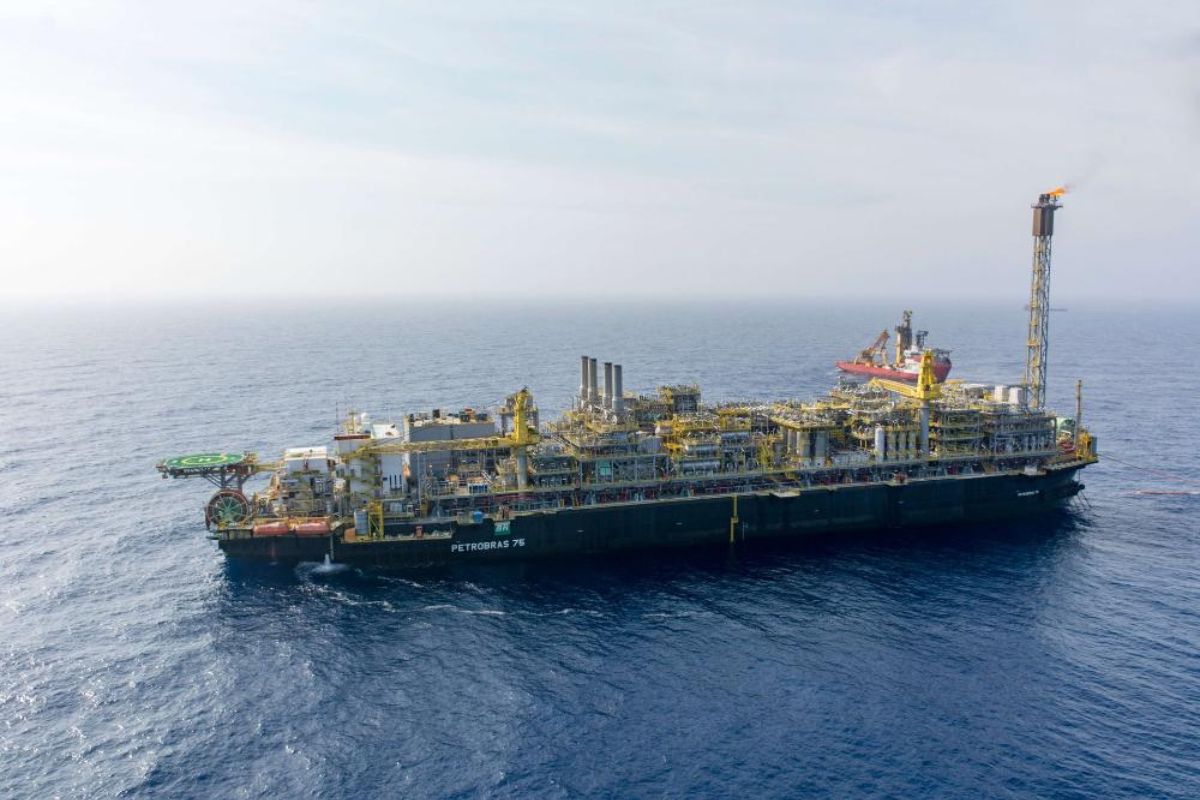
Brazil Is A Key Player In Deep Water Oil Exploration, An Extreme Engineering Feat That Many Ignore. Discover The Brazilian Technology And Innovations That Challenge The Ocean Limits To Secure The Energy Future.
In the dark depths and under crushing pressures of the abyssal plains, the quest for oil challenges the limits of engineering. Brazil, especially with the discoveries and development of the Pre-Salt, has emerged as a global leader in this race, employing and developing incredible Brazilian technology to extract energy from locations previously considered inaccessible and “impossible” to reach.
See the technological arsenal used to conquer the abyss, highlighting the cutting-edge engineering behind these complex operations, the monumental challenges faced in the depths of the ocean, and how the Brazilian technology is actively shaping the future of underwater exploration worldwide.
The Tools Of Extreme Engineering Used In Deep Waters
Extracting oil in deep and ultra-deep waters (which can exceed 3,000 meters) requires an arsenal of sophisticated technologies. Floating Production, Storage, and Offloading Units (FPSOs) Are True Industrial Cities At Sea, processing and storing oil. Petrobras is the world’s largest operator of FPSOs, planning to install 15 new units between 2025 and 2030.
-
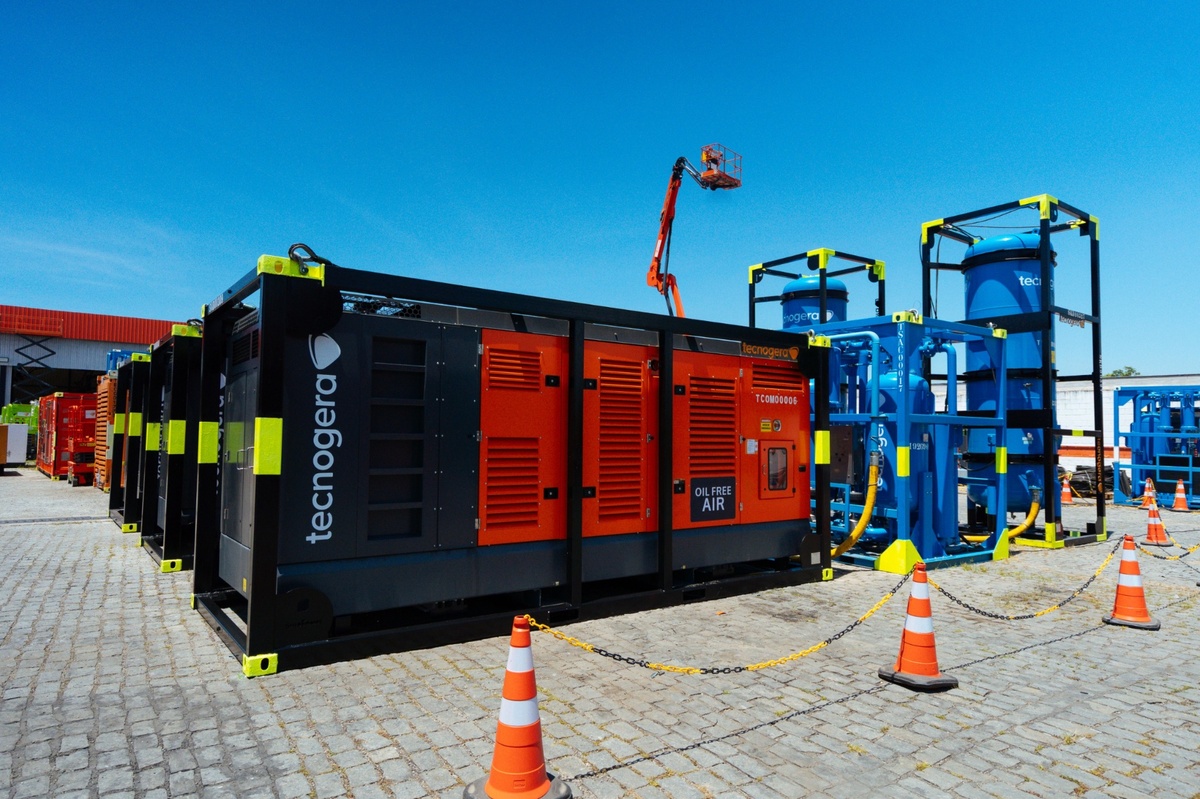
Offshore industrial demand in Macaé skyrockets with the recovery of oil and gas and could grow by up to 396% by 2026 in the Campos Basin.
-
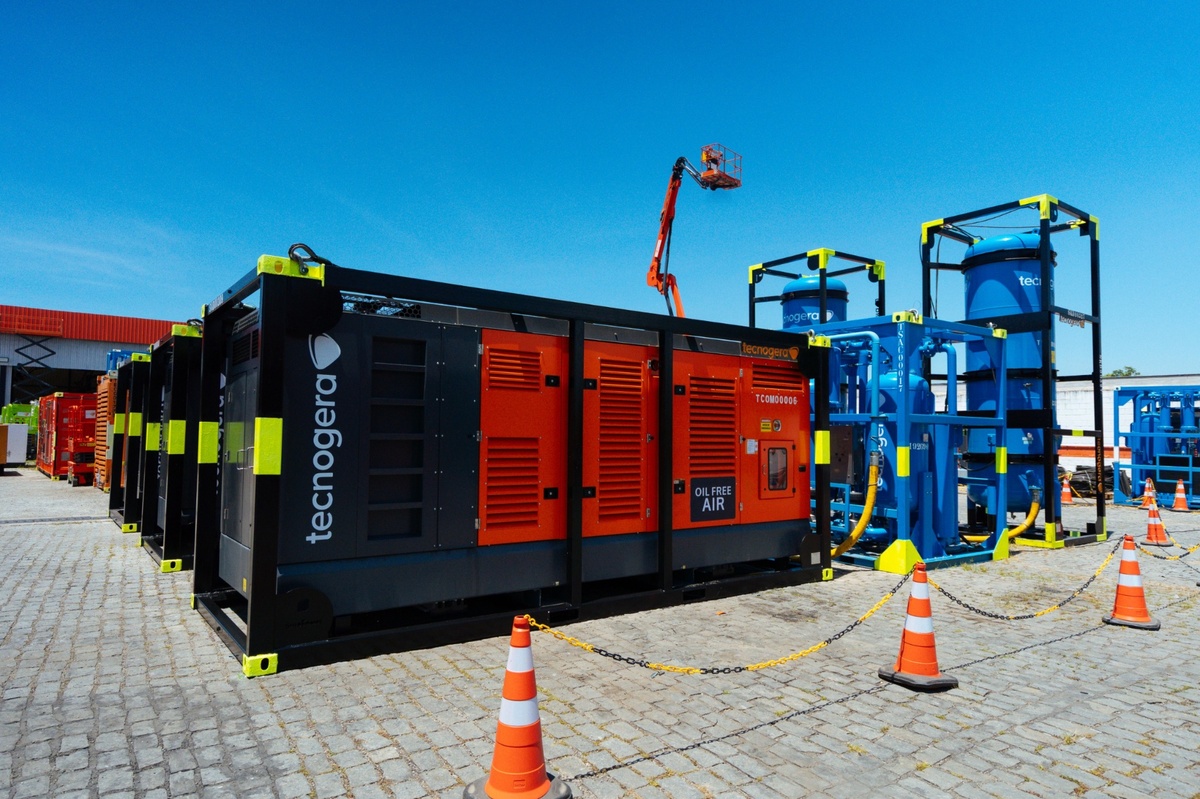
Offshore industrial demand in Macaé surges with the recovery of oil and gas and could grow by up to 396% by 2026 in the Campos Basin.
-
Brazilian giant expands borders in the Southeast: Petrobras confirms new oil discovery in ultra-deep waters in the pre-salt of the Campos Basin.

-
Alert in the global energy market: Severe tropical cyclone hits the coast and disrupts gas production at major plants in Australia, threatening global supply.


To drill wells kilometers deep, precision drilling systems, such as Managed Pressure Drilling (MPD), are used. The connection between the seabed and the platform is made by high-performance risers and umbilicals, with innovations like the Dicas system, a Brazilian technology, and the pioneering use of polyester cables. Safety is ensured by state-of-the-art Blowout Preventers (BOPs), with ultra-fast control systems.
The Constant Battle Against Extreme Conditions In The Ocean Depths

Operating in the abyssal depths is a constant battle. High Pressure And High Temperature (HPHT) Conditions Require Ultra-Resistant Materials, such as titanium alloys, as pressures can exceed 300 atmospheres and reservoir temperatures can exceed 150°C. A significant challenge is the formation of gas hydrates, which can block the pipes.
The seabed also presents geological hazards, such as shallow gas accumulations and underwater slope instability, requiring detailed mapping with 3D seismic. In addition, logistics are extreme, with remote operations, teams confined for long weeks, and the need to ensure a continuous flow of oil, avoiding blockages from waxes or asphaltenes.
The Contribution Of Innovative Brazilian Technology
The industry advances with innovations that seemed like science fiction. Artificial Intelligence (AI) And Machine Learning (ML) Optimize Drilling And Predict Equipment Failures. Underwater robotics evolves with Autonomous Underwater Vehicles (AUVs) and increasingly intelligent ROVs, capable of performing complex inspections and maintenance.
The development of future materials, such as advanced composites and Shape Memory Alloys (SMAs), is ongoing. There is also a growing focus on sustainability, with technologies like Carbon Capture, Utilization, and Storage (CCUS) integrated into platforms and the development of “All Electric” FPSOs to reduce emissions, areas where Brazilian technology has sought to stand out.
The Pre-Salt As A Showcase Of Brazilian Technology Excellence In Offshore Oil Exploration

The discovery of the Pre-Salt in 2006 was a watershed moment, driving the development of a vast range of Brazilian technology specifically to tackle the challenges of ultra-deep waters, long distances from the coast, and reservoirs beneath thick salt layers. Petrobras has established itself as a global leader in exploring these frontiers.
The production records in the Pre-Salt, which today account for over 80% of national production, attest to the success of this endeavor. The expertise gained has positioned the Brazilian technology at the forefront of the global offshore industry, exporting knowledge and solutions.









Seja o primeiro a reagir!