





 Portuguese
  English
  Spanish
  12 min of reading
  0 comments


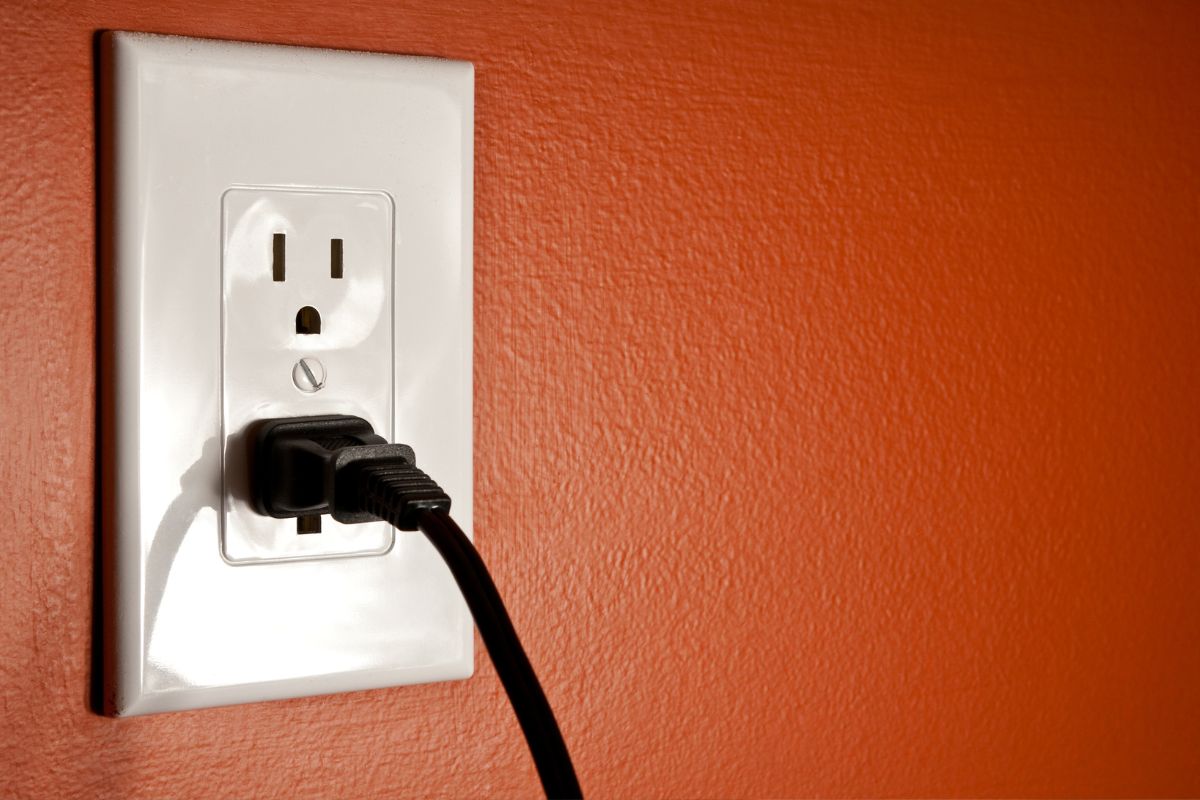
The Electrical Outlet Is Much More Than Just a Simple Power Point. It Carries Stories, Decisions That Shaped Our Country, and Even Confusions on Trips. Uncover the Secrets Behind the Different Electrical Outlet Standards Around the World, the Ups and Downs of Our Own Brazilian Outlet, and Tips to Avoid Hassles and Keep Everything Safe at Home
You know that thing we don’t even stop to think about, but that makes all the difference in our daily lives? Yes, I’m talking about it: the electrical outlet. It may seem like a super small detail, but believe me, it’s a hidden giant that shapes how technology arrives and works in our country.
Sometimes we catch ourselves imagining and thinking: “Huh, why doesn’t my charger fit here?” and that’s exactly where the magic (or the confusion!) begins. The electrical outlet standard of a place influences everything from which electronics we buy to the safety of our homes.
Let’s uncover the history of the electrical outlet together, understand why there are so many types around the world, and how all this impacts our lives in ways we can’t even imagine.
-
Motorola launched the Signature with a gold seal from DxOMark, tying with the iPhone 17 Pro in camera performance, Snapdragon 8 Gen 5 that surpassed 3 million in benchmarks, and a zoom that impresses even at night.

-
Satellites reveal beneath the Sahara a giant river buried for thousands of kilometers: study shows that the largest hot desert on the planet was once traversed by a river system comparable to the largest on Earth.

-
Scientists have captured something never seen in space: newly born stars are creating gigantic rings of light a thousand times larger than the distance between the Earth and the Sun, and this changes everything we knew about stellar birth.

-
Geologists find traces of a continent that disappeared 155 million years ago after separating from Australia and reveal that it did not sink, but broke into fragments scattered across Southeast Asia.

Traveling Through Time: The Fun Saga of the Electrical Outlet
To understand the importance of the electrical outlet today, we need to take a leap back in time. Just imagine: back in the late 19th century and early 20th century, when electricity started to arrive in homes, things were a mess.
There was no such thing as “plug and use.” Devices were connected directly to the wall wiring or to the light bulb socket. It was chaotic, dangerous, and not practical at all. We needed a safer connection, and most importantly, an easier way to use it.
The truth is that the electrical outlet we know wasn’t invented by just one person. It was like a team effort over time, with various ideas and patents coming together. But one name that shines in this story is that of Harvey Hubbell.
The Pioneers of the Connection: From Hubbell to the Ground Pin
In 1904, this American inventor patented what is considered one of the first designs of plug and outlet that truly “communicated” with each other. His idea was genius in its simplicity: to create a safe and easy way to connect and disconnect devices. Before Hubbell, everything was improvised, and the chance of getting shocked or causing a fire was much higher.
But the story didn’t stop there, not by a long shot. Many good people contributed. Like Hubert C. Booth, a British engineer more famous for his vacuum cleaners, but who also thought about how to make safe electrical connections.
With electricity becoming the norm in homes and factories, the need for a standard was growing. This search for something better sparked many minds, everyone wanting to find a smarter way to handle energy at home.
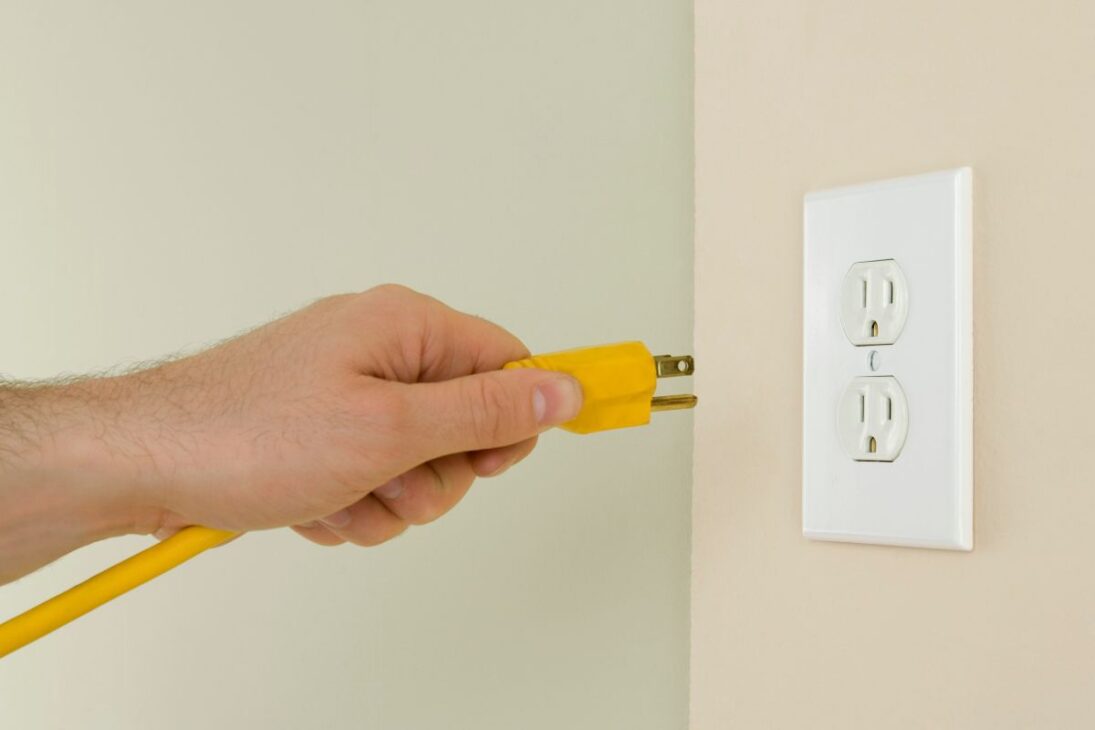
That concept of “pin and hole,” which today seems so obvious to us, took years to become established. At first, plugs were like two straight pins, without grounding, which posed a big risk. Then, the invention of the third pin, the ground pin, was a game-changer for our safety. This happened around the mid-20th century and was essential to protect us from shocks if a device malfunctioned.
The Mystery of Different Outlets: Why Doesn’t the World Understand Each Other?
Who hasn’t traveled and upon arriving at the hotel looked at the electrical outlet on the wall and thought: “What the heck is this? My charger doesn’t fit here!”? Indeed, it’s a universal hassle that almost every traveler has experienced. And we wonder: why so much difference?
The answer is simple yet complex: there wasn’t a “daddy” or “mommy” of electricity to standardize everything at the beginning. Each country, or even each little piece of land, created its own way of distributing energy and, of course, its own electrical outlet design.
There was even a famous fight between the direct current (DC) system of Thomas Edison and the alternating current (AC) of Nikola Tesla and George Westinghouse that stirred things up a bit. Even though AC won the battle to carry electricity far, the voltages and frequencies (whether it was 50 Hz or 60 Hz) weren’t agreed upon. And that was it; each went its own way: Germany with one standard, England with another, the United States with yet another… and so on. It’s as if each country spoke a different “electric language.”
Why Isn’t There a Universal Electrical Outlet?
There’s another twist in this story: the patents and the interests of companies. The first ones that invented and patented electrical outlet and plug designs wanted to protect their own turf, which made it very difficult to adopt a single standard worldwide.
Over time, these standards became law in each place, and all the electrical infrastructure of the countries was built upon them. Just think about it: changing an established standard is a huge financial burden and a never-ending headache, as it means replacing billions of outlets and plugs. That’s why, even with globalization, each country continues to have its own electrical outlet.

To help you avoid pitfalls, I’ve prepared a little table with the most common types of electrical outlets you’ll find out there. This way, if you’re planning that trip or buying something from abroad, you’re already aware.
| Type of Outlet | Where You Find It (Most Common) | How It Is (Summary) |
| Type A / B (North American) | USA, Canada, Mexico, Japan | Type A: 2 flat parallel pins. Type B: The same plus a round pin for grounding. Voltage: 100-127V. |
| Type C / F (Europlug / Schuko) | Most of Europe, Russia, parts of Asia and Africa | Type C: 2 round pins. Type F (Schuko): 2 round pins and some “clips” on the sides for grounding. Voltage: 220-240V. |
| Type G (British) | United Kingdom, Ireland, Malaysia, Singapore, Hong Kong | 3 rectangular pins, and it has a built-in fuse! Voltage: 220-240V. |
| Type I (Australian / Chinese) | Australia, New Zealand, China, Argentina | 2 or 3 flat pins somewhat inclined. Voltage: 220-240V. |
| Type N (Brazilian) | Brazil, South Africa | 3 round pins (the grounding one is slightly offset). Voltage: 127V or 220V. |
Our Electrical Outlet: A Chaos That Became Order in Brazil
Here in Brazil, the saga of the electrical outlet was one with many chapters and twists. For a long time, we lived in a true jumble of standards. It was like a treasure hunt to find the right outlet for your device. There were outlets with two round holes, with two flat ones, and some crazy mixtures that made you juggle to fit anything.
Thinking about this whole confusion, in 2000, Brazil decided to put an end to it and created its own law: the Brazilian Standard NBR 14136. That’s when our standard electrical outlet, the famous Type N, was born. Starting in 2010, it became mandatory. This outlet has three round pins, and one of them is the ground pin, which is slightly off to the side.
The main goal? To make us safer, ensuring that our equipment has proper grounding, avoiding those annoying shocks and other accidents. And of course, to make life easier for the industry, which now knows exactly which standard to follow.
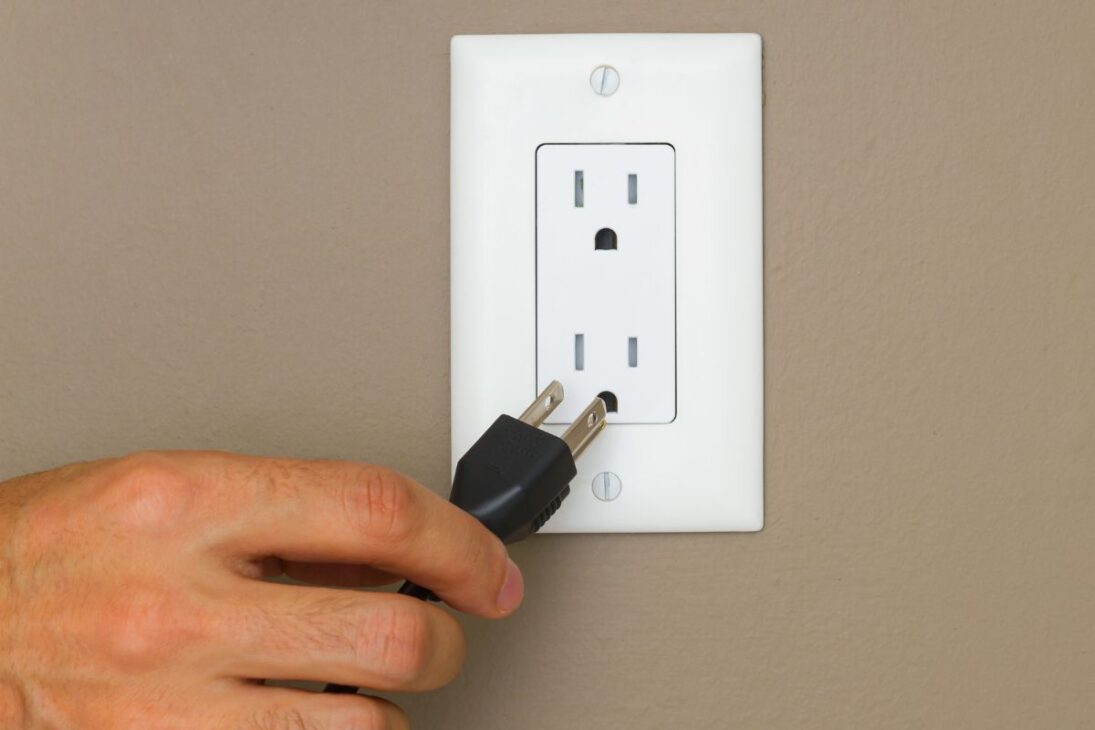
What Changed and Why It’s Worth It in the Brazilian Electrical Outlet
The transition to the new standard caused a bit of a headache initially, both for us and for manufacturers, who saw it as an added cost. But the long-term benefits, like extra safety and an easier time buying and selling electronics, proved worth it.
Nowadays, most new devices and newly-built houses come with Type N electrical outlets, giving us peace of mind. And even though the transition is still underway, having Type N means a stronger and safer electrical system for everyone.
Even so, it’s still very common to find older houses that haven’t fully adapted. So, the adapter remains a companion for many. The golden tip is: if you can, upgrade your home outlets to the new standard. Especially if the property is older and its wiring may not be in the best condition. The safety of our electrical outlet is not something to put off; it’s a top priority.
The Electrical Outlet: Small in Size, Giant in Influence
We’ve already seen that the standardization, or lack thereof, of electrical outlet types is much more than just a matter of fitting. Globally, it directly affects our wallets when it comes to importing electronics.
Think about it: a company that makes appliances and wants to sell its products in various countries needs to adapt the plugs for each type of electrical outlet, and that can increase production and shipping costs. And for those who love a purchase from abroad or travel a lot, it ends up costing money on adapters, which, although they seem cheap, ultimately weigh on the budget.
And there’s more! The electrical outlet and its standards have a huge impact on our safety and even on the environment. Old or poorly made standards, without grounding and with old wiring, can cause short circuits, fires, and unfortunately, even serious accidents. A modern and well-made standard, like our Brazilian NBR 14136, with the ground pin and all the safety features, keeps everyone more secure.
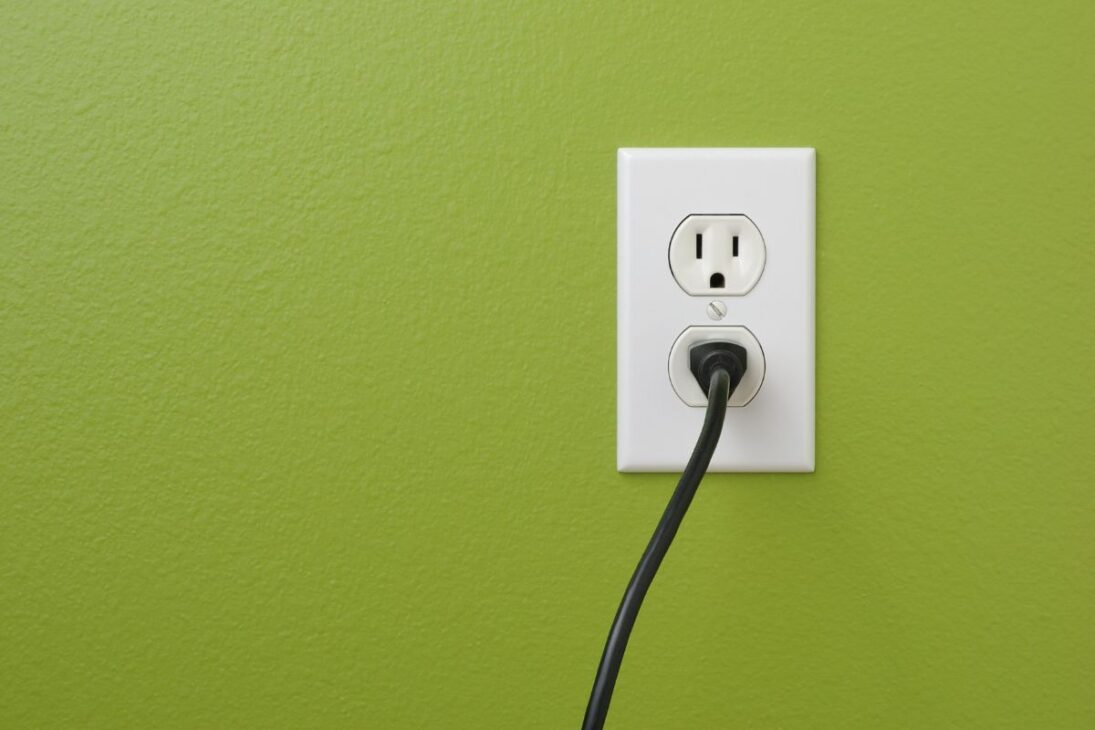
Electrical Outlet: The Impact on Technology and Economic Trends
The choice of a specific type of electrical outlet can also propel or hinder technology. When a country has a single standard, companies can focus on creating products that fit perfectly within that system, optimizing design and functionality.
But when everyone has a different standard, the market becomes fragmented, and energy and money are spent on adaptations instead of new and innovative things. Thus, the standardization of electrical outlets is not just about making the plug fit; it’s about building a more efficient and safer technological future for everyone.
Sometimes, the choice of electrical outlet standard also relates to a country’s independence from technology. Countries using their own standards can have more control over the safety and quality of the products that enter.
Meanwhile, those relying on external standards can become more vulnerable to shifts in the global market. It’s important to remember that even in things that seem small, there’s a complex network of factors shaping a nation’s development. The electrical outlet is indeed an infrastructure that quietly drives a country’s progress.
Tricks and Tips to Survive the World of Electrical Outlets
Friends, dealing with our electrical outlet in everyday life, especially in a world with so many different standards, requires a little attention and some tricks to ensure everything works well and safely.
The first golden rule, and write this down: never, under any circumstances, force a plug into the outlet! If it doesn’t fit properly, don’t insist, please. You could damage the device, the outlet, and create a serious danger. Always use a suitable adapter, one of good quality and certified.
If you have devices with old plugs (two flat or round pins) and your home only has NBR 14136 standard outlets (three pins), invest in certified adapters. And avoid as much as possible those “power strips” (the famous “T’s”) and too many extensions.
They can overload the electrical outlet and wiring, increasing the risk of overheating and even fire. A good power strip, with surge protection and a built-in fuse, is like a safety hug for your most sensitive electronics. It’s a small investment that can save you from major headaches.
Essential Tips for Traveling and Keeping Your Electrical Outlet Safe
Traveling abroad? Then, before packing your bags, do a quick search on the electrical outlet standards of your destination. A good universal adapter will be your best friend. And don’t forget to check the local voltage: some devices are “bivolt” (they work both in 110V and 220V), but others don’t.
And to wrap it all up: keep an eye out for signs that your electrical outlet might be in trouble. A burnt smell, sparks appearing out of nowhere, outlets hot to the touch, or plugs that don’t stay firmly indicate the need to call a qualified electrician.
Preventive maintenance is essential for the safety of your home and your electronics. Don’t try to make complex repairs on your own if you don’t have the right knowledge and tools. Electricity is serious business and deserves respect. Your health and safety always come first!
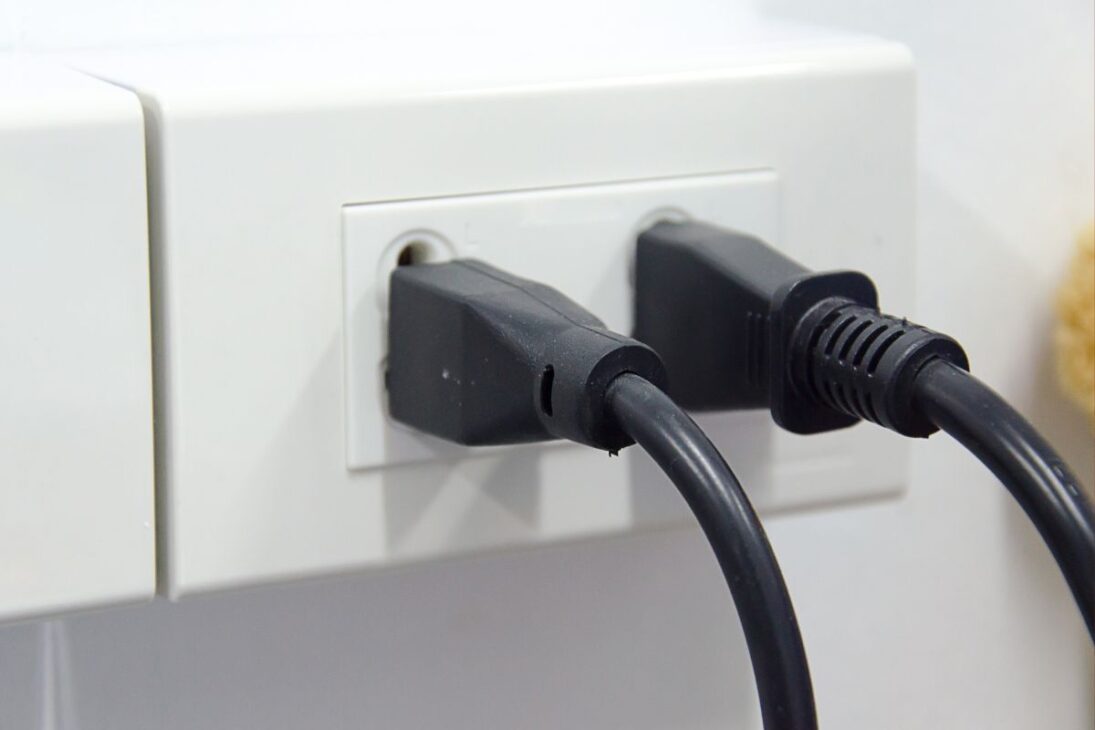
The Future of Electrical Connections: Goodbye, Wires?
Even though our friend the electrical outlet is an invention over a century old, it’s far from “stuck in time.” We are always looking for ways to make everything easier, safer, and, of course, more convenient. And that’s what drives innovation.
One of the coolest things we’re already seeing out there is wireless charging technology. You know, the kind where you just place your phone on a pad, and it starts charging? No plug, no cord needed. For now, it won’t eliminate outlets, but it gives us a glimpse of what’s to come, leaving us with fewer wires and more organization.
Another trend that’s already booming is the electrical outlet that comes with built-in USB ports. With so many cell phones, tablets, and power banks to charge via USB, having those ports right in the wall is wonderful! It reduces the mess of adapters and giant chargers, freeing up the regular outlets for other things. It’s a very smart solution that caters to our super-connected life.
And there’s more: the concern with energy consumption is giving rise to “smart” outlets. These beauties can be controlled from your phone, wherever you are. You can turn devices on and off, schedule times, and even see how much energy you are consuming. This not only gives you more control and convenience but also helps to save energy and take care of our planet.
The Vision of a More Connected and Optimized World
Imagine being able to turn off the light in the room that you forgot to leave on, even being kilometers away, all at your fingertips. It’s the same control principle that we see in innovations for the light switch, which has evolved from a simple click to intelligent and automated commands, transforming how we interact with lighting in our homes.
Finally, global standardization, while a monumental challenge, remains an ideal. International standardization organizations are working to harmonize the different electrical outlet standards, aiming to simplify trade and the use of electronics worldwide.
Although a universal electrical outlet still seems like a distant dream, efforts to make electrical connections compatible and optimized are ongoing. Innovation in this field, often invisible to the average consumer, is crucial for a more connected, safe, and energy-efficient future. Every step, no matter how small, brings us closer to a more interconnected and secure world.
The Electrical Outlet Is More Than Just a Hole in the Wall
From the early days to our super-connected life today, the electrical outlet has proven to be much more than just a small hole in the wall. It is a fundamental pillar of our technological infrastructure.
We’ve seen how this seemingly simple thing carries a rich history of innovation, challenges, and decisions that shaped how we interact with electricity. The electrical outlet standards of a country are not just a matter of convenience but a reflection of its industrial history, its safety priorities, and even its technological autonomy.
Standardization, as Brazil implemented with Type N, is a clear example of how a nation can take charge of its electrical infrastructure to ensure greater safety, efficiency, and compatibility.
However, the diversity of global standards reminds us of the importance of staying informed and prepared, whether for international travel or dealing with imported devices. The electrical outlet is, in essence, the gateway to the digital and electronic world that surrounds us. Understanding its complexity is understanding a fundamental part of our daily lives.
Remember, electrical safety is everyone’s responsibility. Don’t hesitate to invest in quality adapters, seek qualified professionals for electrical installations, and always be alert to warning signs. Your safety and the longevity of your devices depend on it.
And now, I really want to hear your voice!
What was your biggest adventure or hassle with different electrical outlet standards? Have you ever been through any funny or challenging situation because of a plug that didn’t fit? Share your stories with us in the comments! We’d love to hear and enrich this electrifying conversation even more!








Seja o primeiro a reagir!