





 Português
  Inglês
  Espanhol
  4 min de leitura
  0 comentários


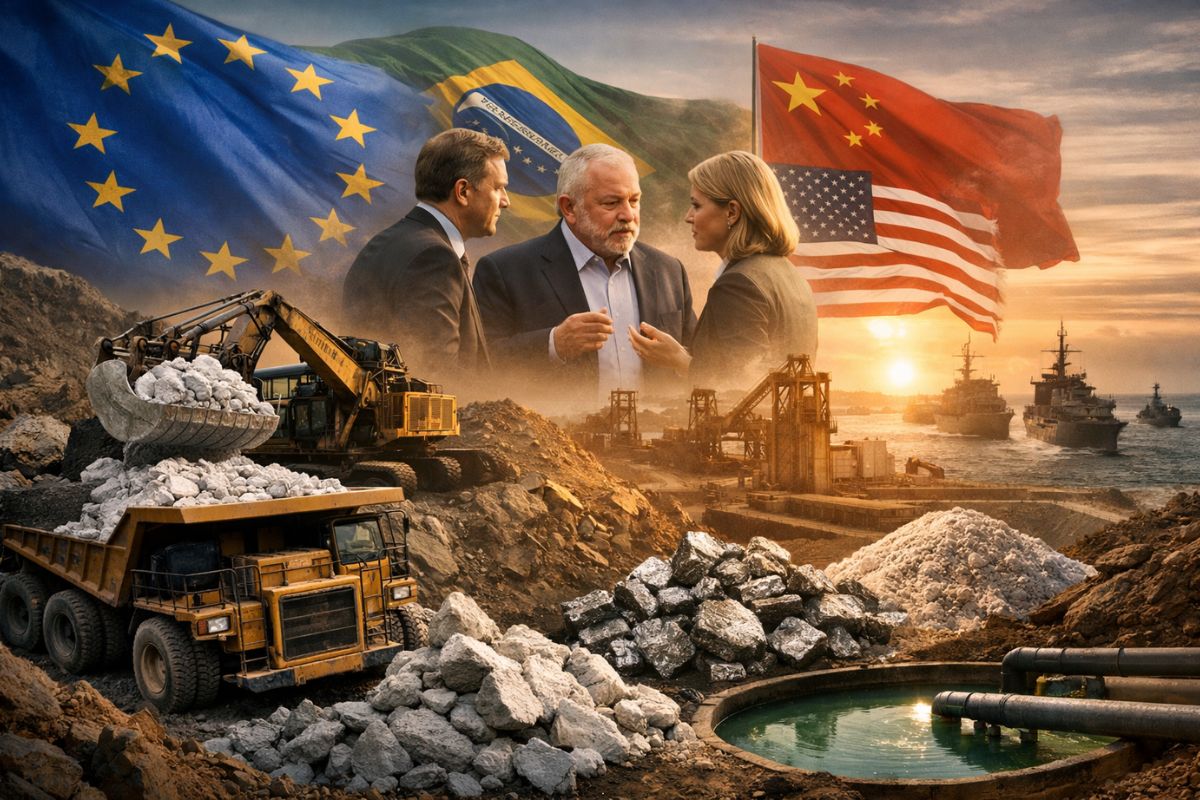
The European Union Confirmed In Rio de Janeiro That It Is Negotiating With The Lula Government A Rare Earth, Lithium, And Nickel Agreement For Joint Investments, Aiming At Energy Transition, Digitization, And Strategic Independence. The Movement Repositions Brazil In The Center Of A Growing Dispute Involving Europe, The United States, And China.
Alongside President Luiz Inácio Lula da Silva, European Commission President Ursula von der Leyen stated that rare earths will be a pillar of the relationship between Brazil and the European Union, alongside the celebration of the Mercosur-European Union trade agreement, negotiated for 25 years and separate from the mineral negotiation.
The European Union has entered firmly into the competition for critical minerals from Brazil’s underground and has prioritized rare earths in a strategic agreement being negotiated with the Lula government, publicly announced in Rio de Janeiro.
Rare earths are at the center of the European plan because they are treated as decisive inputs for the clean and digital transition, as well as serving as a piece of geopolitical security in a world where minerals can become instruments of coercion.
-
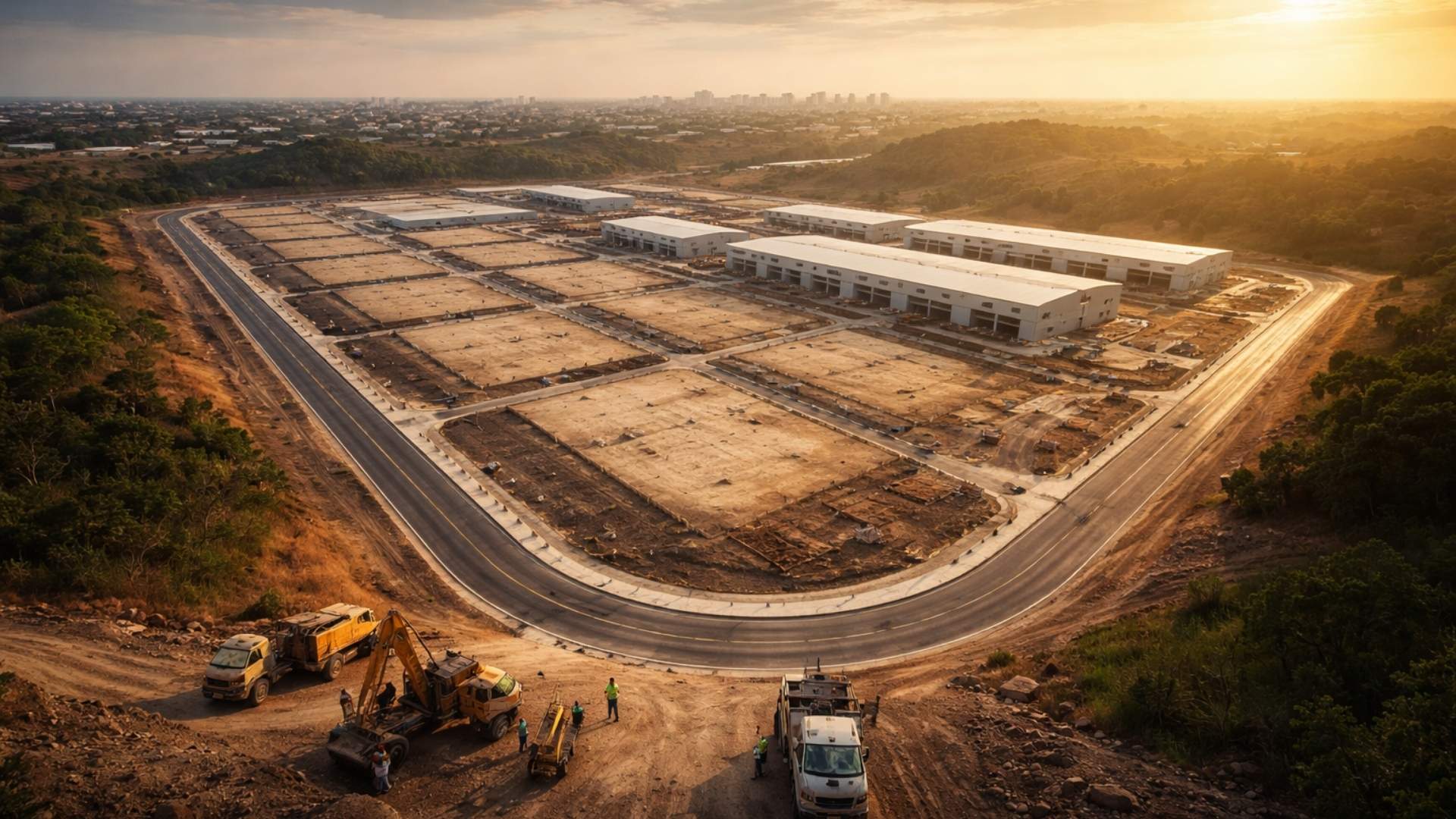
Brazilian city gains industrial hub for 85 companies that is equivalent to 55 football fields.

-
Peugeot and Citroën factory in Argentina cuts production by half and opens a layoff program for more than 2,000 employees after Brazil drastically reduced purchases of Argentine vehicles.

-
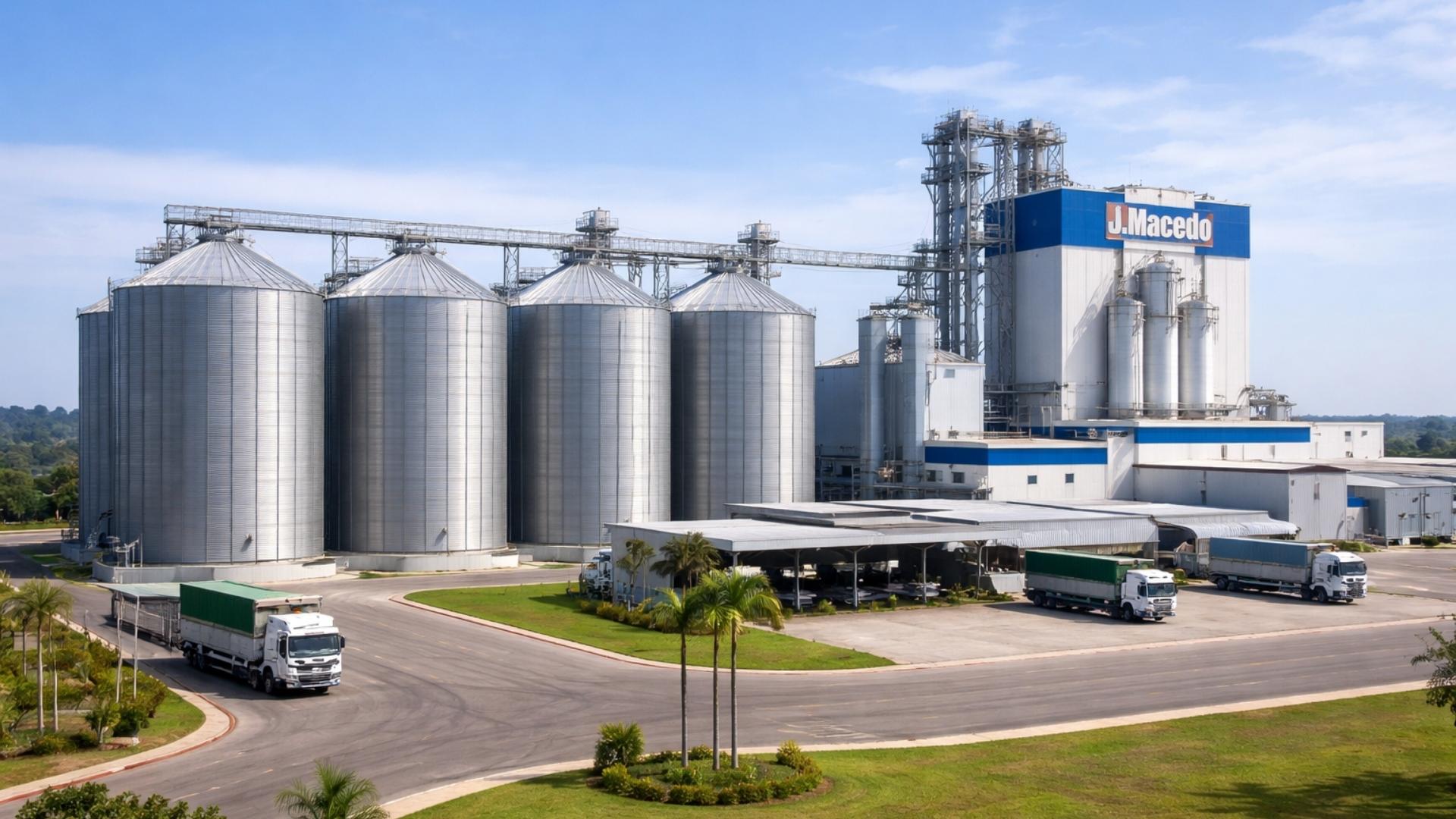
A Brazilian city gains a factory worth R$ 300 million with the capacity to process 200 thousand tons of wheat per year, a mill of 660 tons/day, silos for 42 thousand tons, and an industrial area of 276 thousand m².
-
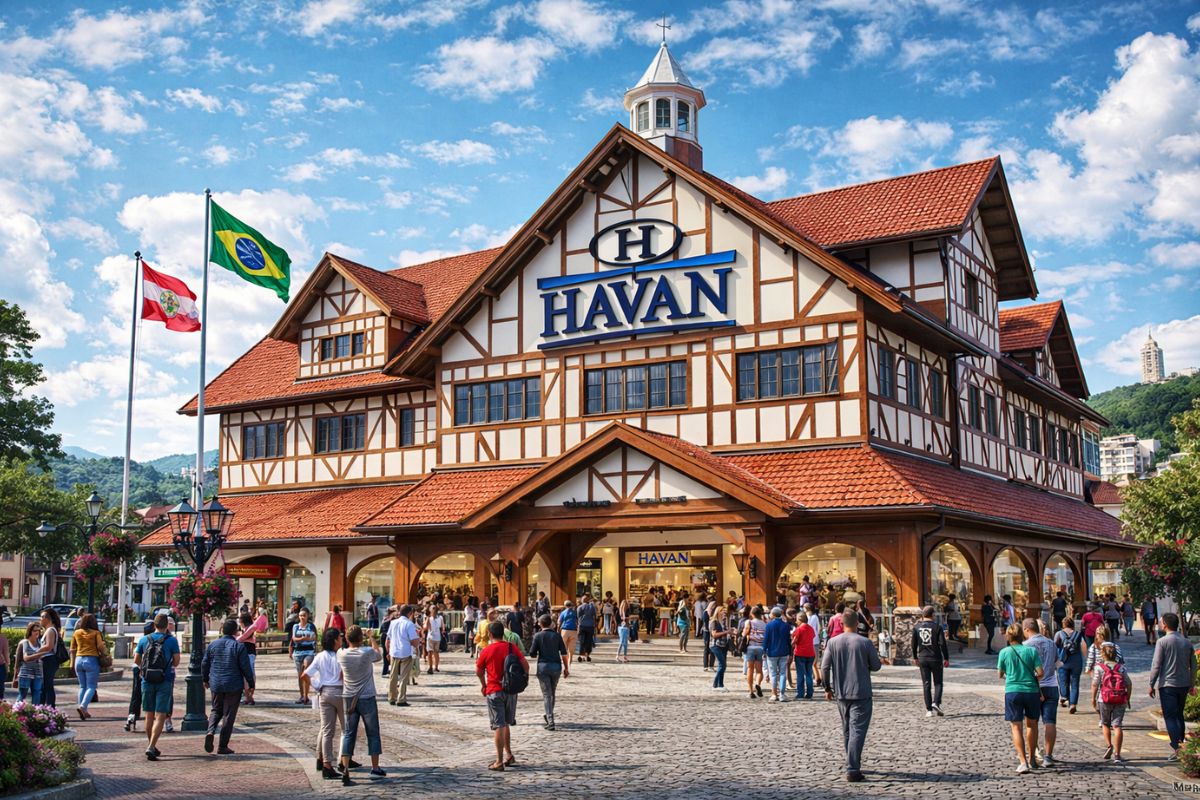
Havan will leave the shopping mall in Blumenau to inaugurate something that the chain has never done before: a megastore in half-timbered style in the Historic Center of the city, which is expected to be completed in May and change the landscape of local retail.

Rare Earths Become A Pillar Of A Joint Investment Partnership

The European signaling was direct: cooperation in critical raw materials should shape the relationship between the two sides, with joint investment projects in lithium, nickel, and rare earths.
Ursula von der Leyen framed the negotiation of rare earths as a key to the strategic goals of the bloc, connecting the issue to digital transition, energy transition, and the quest for strategic independence.
The Negotiation Occurs Alongside The Mercosur-European Union Agreement, But It Is A Distinct Issue
The declaration regarding rare earths took place during the ceremony celebrating the trade agreement between Mercosur and the European Union, the result of 25 years of negotiations.
Although occurring in the same political context, the negotiation of rare earths was presented as separate from the broad trade agreement, which involves various items beyond raw materials.
The United States Also Signals Interest In Brazilian Critical Minerals
The European entry into the race for rare earths coincides with a moment when the United States has started to show direct interest in Brazilian strategic minerals, in a competition that is becoming increasingly competitive.
With the European Union and the United States seeking alternatives, Brazil’s rare earths become a central asset in an international scenario of reducing dependencies and reorganizing supply chains.
Why Are Rare Earths So Disputed Worldwide?
Rare earths are a group of 17 chemical elements essential for wind turbines, electric cars, chips, medical equipment, and military technologies, which explains why they have become a critical piece of the modern economy.
In practice, rare earths connect energy, industry, and defense.
When global supply chains are concentrated in a few countries, geopolitical risk increases, and supply agreements gain strategic weight.
The Sensitive Point Is Processing And Added Value
Brazil has the second-largest reserve of rare earths in the world, behind only China, but still exports a large part of these minerals without processing, which reduces the added value captured internally.
This detail changes the logic of negotiation: beyond access to the underground, the discussion of rare earths involves where refining takes place, who controls critical industrial stages, and how much investment will remain in the country.
China Dominates Refining And Pressures The Search For Alternative Suppliers
While China dominates refining and processing, the European Union and the United States seek to diversify suppliers to reduce strategic dependencies.
In this context, Brazilian rare earths occupy a central position on the international chessboard because they offer a path for diversification in a sector where concentration and vulnerability go hand in hand.
Calling the Mercosur-European Union agreement a “win-win” and concluding her speech in Portuguese, Ursula von der Leyen reinforced the political tone of rapprochement while positioning rare earths as a future axis for the relationship with Brazil.
With rare earths at the core of the conversation, Brazil becomes the target of simultaneous competition from major powers for critical minerals, investment, and influence over productive chains considered strategic.
What do you think should be Brazil’s priority in this rare earth agreement: attracting quick investment or ensuring processing and added value within the country?









-

-

2 pessoas reagiram a isso.