





 Portuguese
  English
  Spanish
  3 min of reading
  0 comments


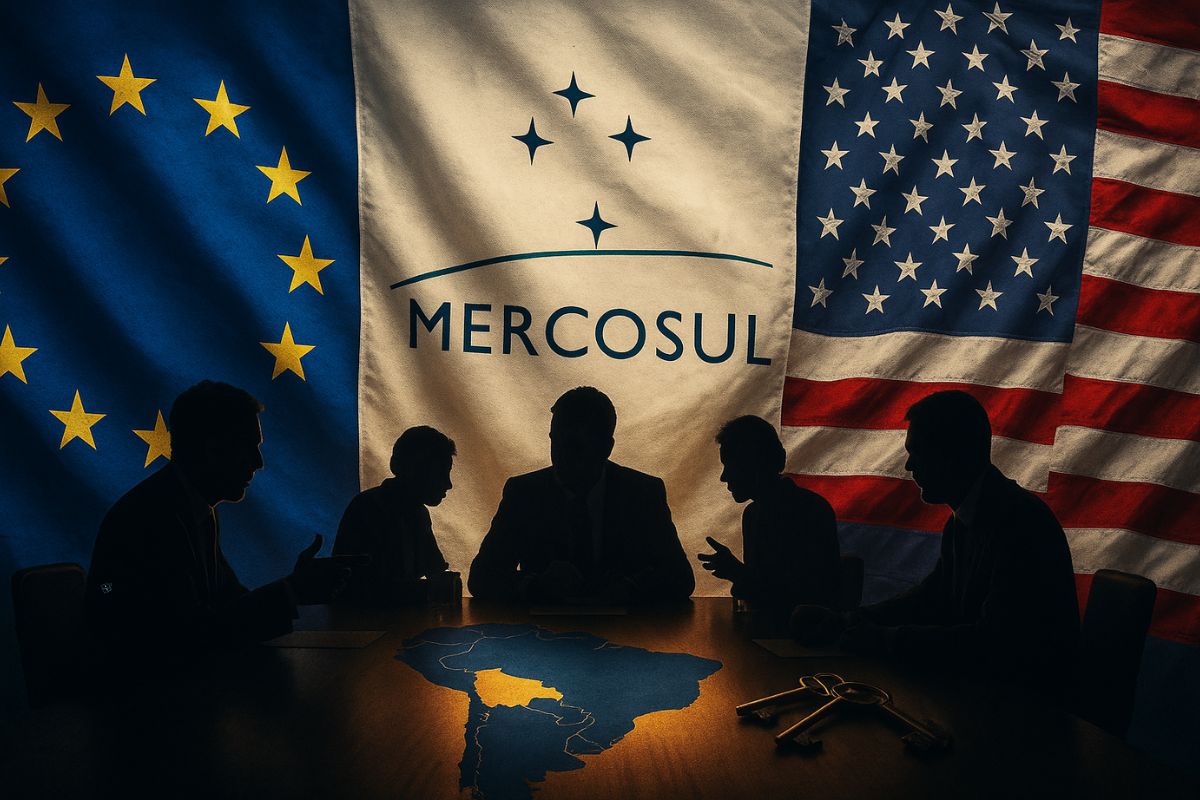
The European Union Uses the Agreement with Mercosur as a Direct Response to the 15% Tariffs Imposed by Donald Trump, but Faces Strong Opposition from France, Italy, and Poland, Threatening to Block Ratification in the European Parliament.
On September 3, 2025, the European Commission officially presented the agreement with Mercosur, a bloc formed by Brazil, Argentina, Paraguay, and Uruguay. The treaty, negotiated for over 25 years and finalized in December 2024, is considered the largest free trade agreement ever signed by the European Union.
The proposal, however, must overcome two decisive steps: approval in the European Parliament and validation by a qualified majority of national governments — at least 15 of the 27 members, representing 65% of the EU’s population.
According to Reuters and G1, the hurry to advance the agreement is explained by the trade escalation with the United States.
-
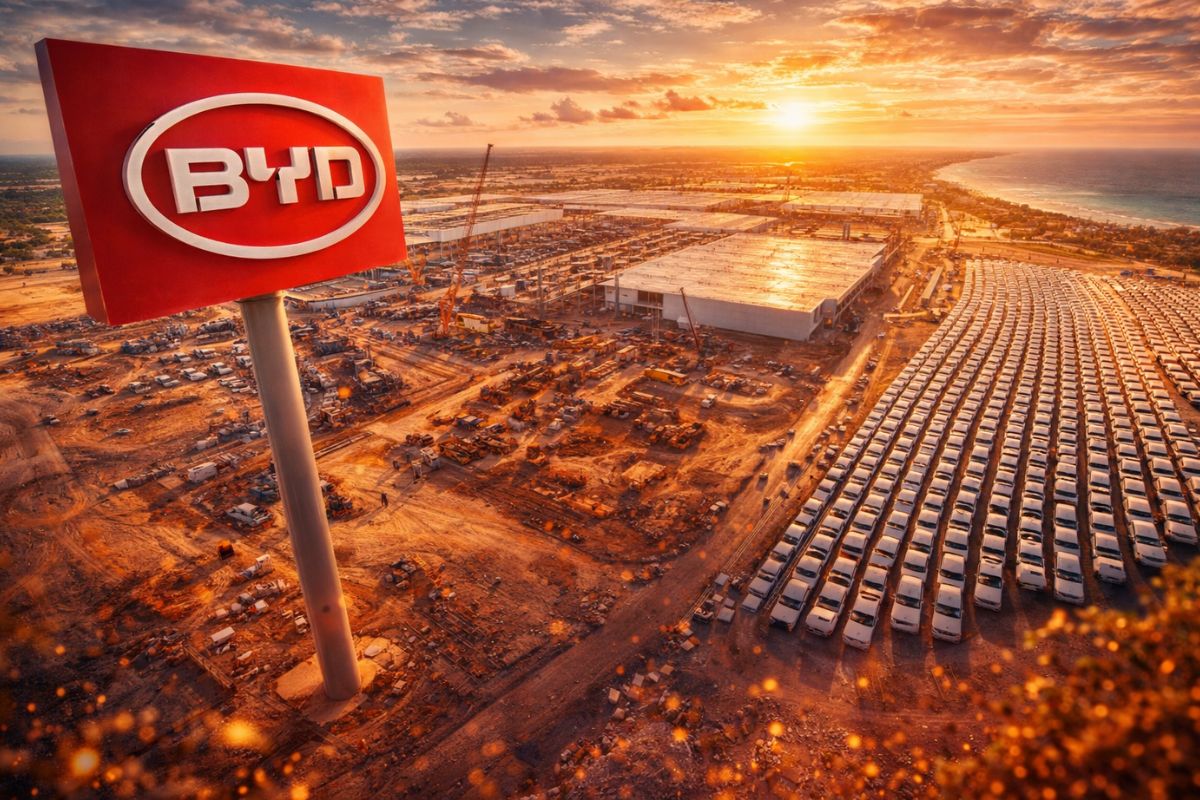
Larger than entire cities in Brazil: BYD is building a 4.6 km² complex in Bahia with a capacity for 600,000 vehicles per year, but the discovery of 163 workers in conditions analogous to slavery has shaken the entire project.
-
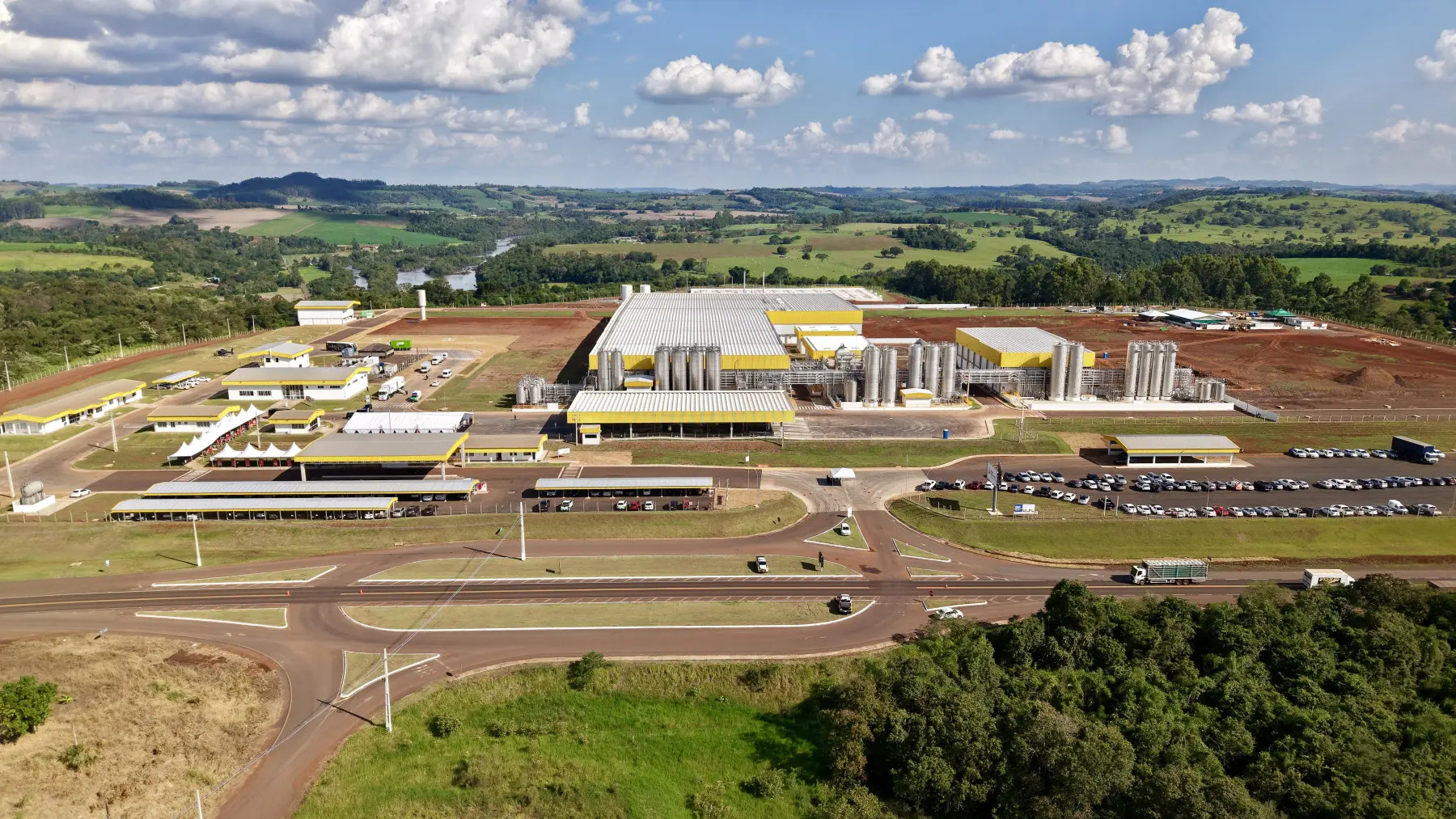
With an investment of R$ 612 million, a capacity to process 1.2 million liters of milk per day, Piracanjuba inaugurates a mega cheese factory that increases national production, reduces dependence on imports, and repositions Brazil on the global dairy map.
-
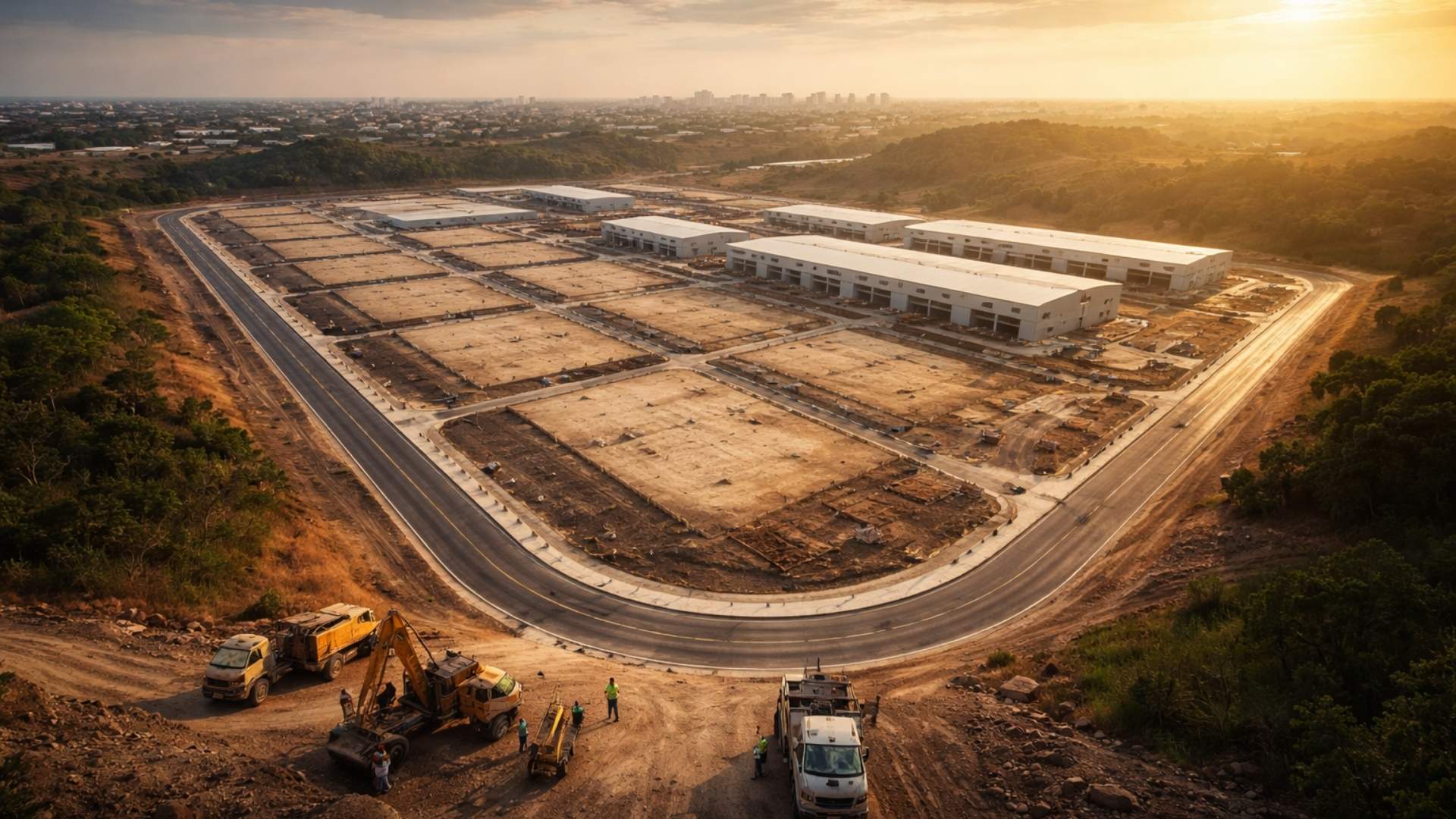
Brazilian city gains industrial hub for 85 companies that is equivalent to 55 football fields.
-
Peugeot and Citroën factory in Argentina cuts production by half and opens a layoff program for more than 2,000 employees after Brazil drastically reduced purchases of Argentine vehicles.

Since Donald Trump‘s reelection in November 2024, Washington has imposed a 15% tariff on most European products, forcing Brussels to seek new strategic partners to balance the losses.
The Strategic Weight of the Agreement with Mercosur
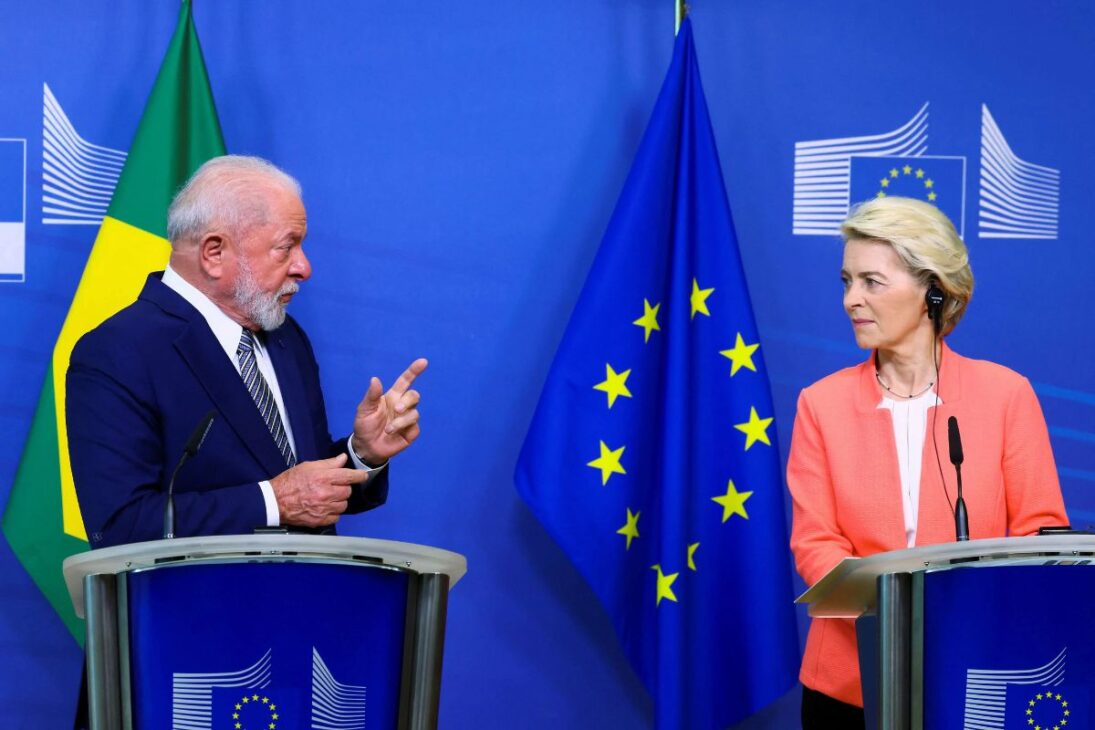
For countries like Germany and Spain, the agreement represents more than access to markets.
It is an alternative to economic dependence on China, especially concerning critical minerals like lithium, essential for batteries and the European energy transition.
Furthermore, the treaty would eliminate tariffs in strategic sectors.
The European Union would open up space for exports of cars, machinery, chemicals, cheeses, wines, and hams, while Mercosur would gain greater access for its agricultural commodities.
In practice, it would be the largest tariff reduction in the history of the European bloc, moving billions in bilateral trade.
French Opposition and the Risk of Veto
Despite the economic potential, resistance is intense. France, the largest producer of beef in the EU, has already classified the agreement as “unacceptable”.
The French government argues that the entry of cheaper South American beef would disadvantage local farmers and not meet strict European environmental and sanitary standards.
Italy and Poland have signaled support for Paris, strengthening the possibility of forming a bloc of countries capable of blocking the qualified majority needed for approval.
This movement reflects the weight of the agricultural sector in the debate, especially in countries that historically subsidize their domestic production.
Social and Political Pressure Within Europe
The dispute is not limited to governments. European farmers have organized protests against the agreement, arguing they would lose competitiveness compared to South American production.
Environmental organizations, such as Friends of the Earth, claim that the treaty would encourage deforestation and called the text “climate destructive”.
In the European Parliament, the situation is also delicate.
Green parties reject the agreement for environmental reasons, while the far-right opposes it in the name of protecting the domestic agricultural market.
This scenario increases uncertainty about the final approval, even with the support of major economies like Germany and Spain.
Amid the backdrop of tariffs imposed by Trump and the geopolitical dispute with China, the agreement with Mercosur is seen by Brussels as a key piece of its trade policy.
However, the resistance from agricultural countries and environmental sectors calls into question the ability of the European Union to act as a unified bloc.
And you, do you believe that the European Union will be able to approve the agreement with Mercosur despite the opposition led by France? Would this treaty bring more benefits or risks to both blocs? Share your opinion in the comments — your point of view can enrich the debate.








Seja o primeiro a reagir!