





 English
  Francês
  Alemão
  Italiano
  Japonês
  Norueguês
  Portuguese
  Spanish
  3 min of reading


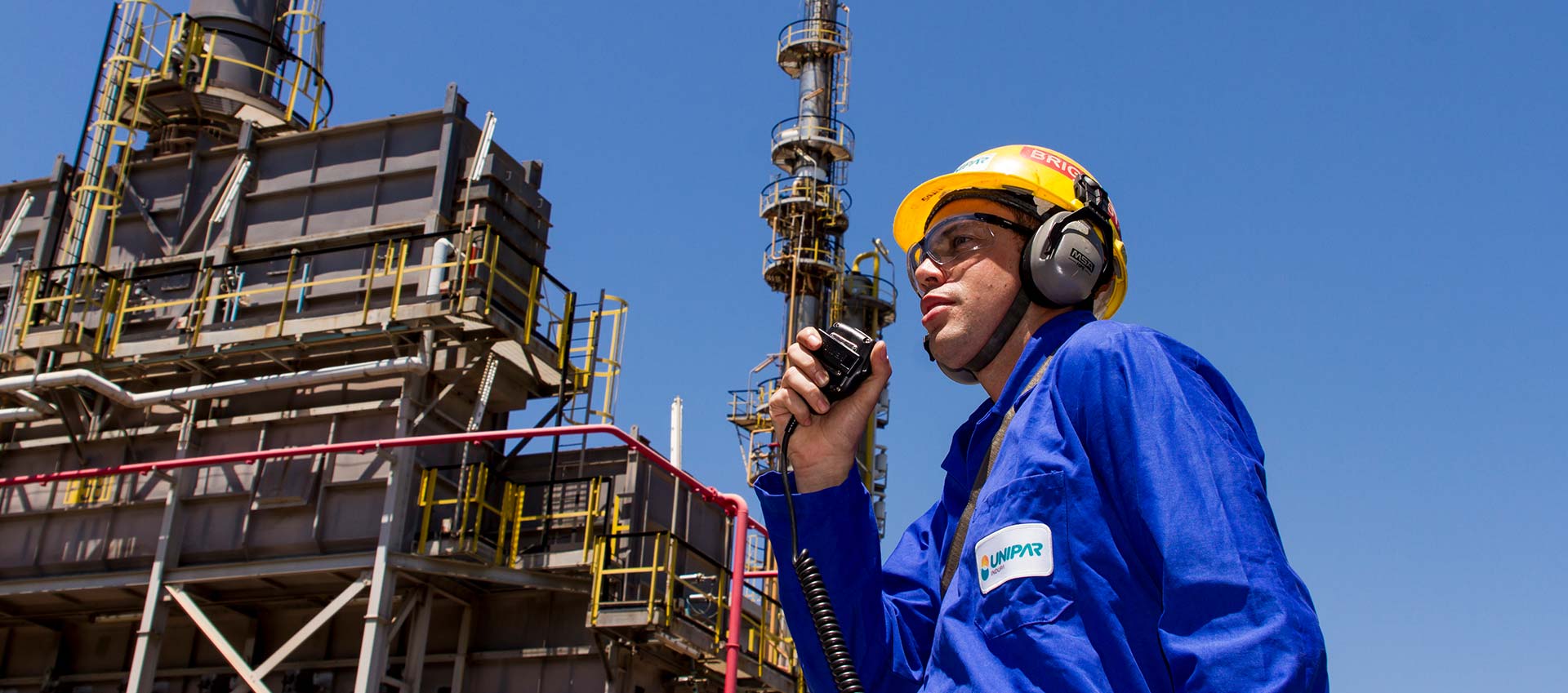
Focusing on Sustainable Growth and Own Energy Generation in Wind and Solar Parks, Unipar Aims to Double Its Size
Unipar, one of the largest PVC manufacturers in South America and a leader in the chlorine and soda segment, has set the goal of generating 80% of the energy consumed in its Brazilian factories through wind and solar parks within the next two years, following the 17 Sustainable Development Goals (SDGs) set by the United Nations (UN).
According to Exame, to achieve this goal, Unipar has already undertaken three projects for self-generation of clean energy through wind and solar parks. As a benchmark in the sector, the company was the first to acquire renewable energy in the Free Contracting Environment (ACL) more than 25 years ago.
In this regard, Maurício Russomanno, the CEO of the petrochemical company, explains: “Through joint ventures, we have partnered with AES Brasil and Atlas Renewable Energy. The complexes, installed in Rio Grande do Norte, Bahia, and Minas Gerais, will have an installed capacity of 485 MW of energy, of which 149 MW will be allocated to the consumption of Unipar itself.”
-
A study reveals the expansion of renewable energy procurement in Brazil and shows how companies are taking advantage of opportunities to reduce expenses, ensure energy efficiency, and strengthen strategic environmental commitments.

-
Mato Grosso do Sul excels in the sugar-energy sector: the state reaches a milestone of 22 operating mills and accelerates the production of clean energy in MS with a focus on sustainability.

-
National energy dilemma: Brazilians support clean energy but reject increases in tariff costs to finance the sustainable transition.
-
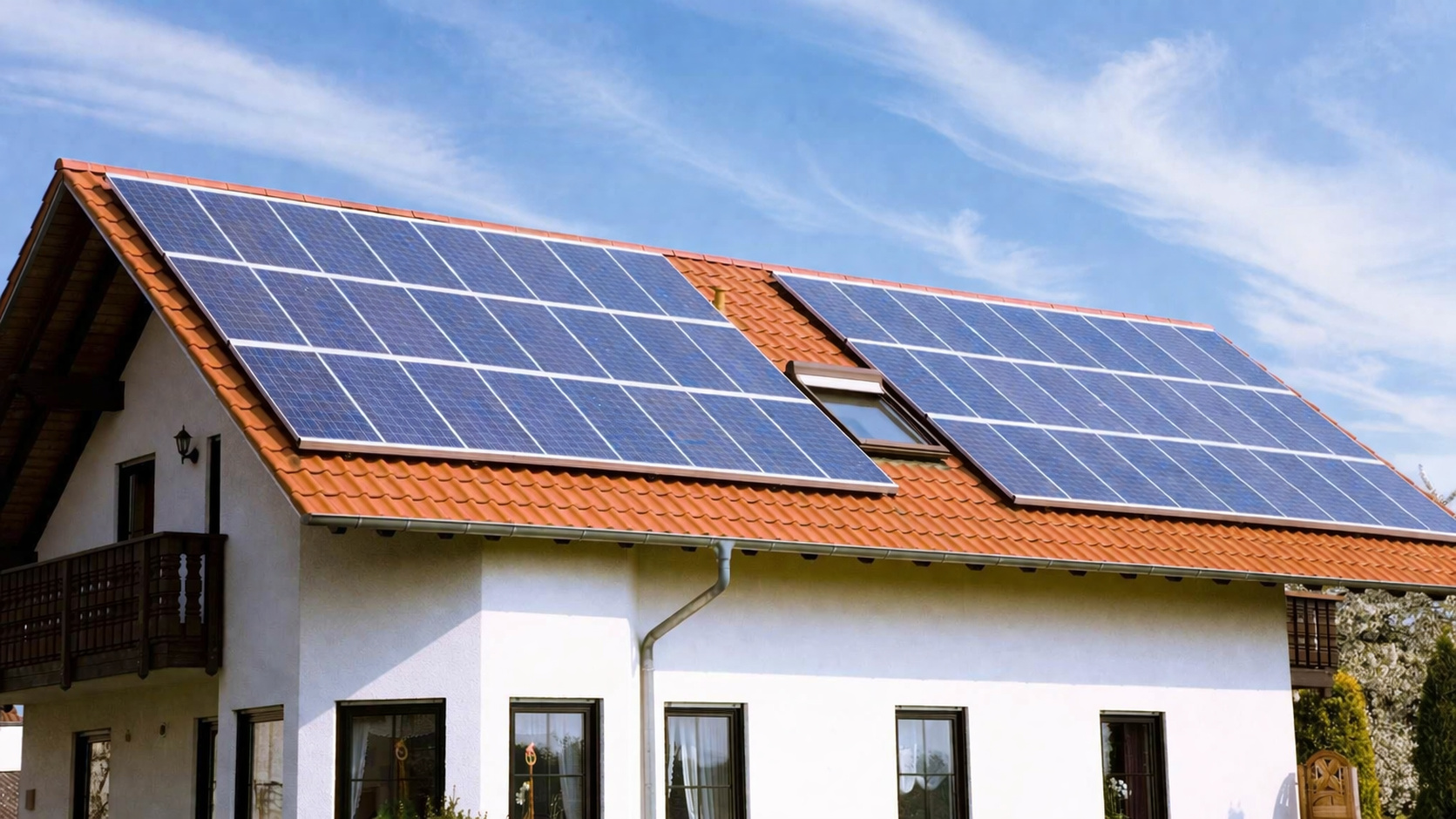
Research indicates that Brazilians support clean energy and wish to advance in the energy transition, but reject paying more on their electricity bill, showing a direct conflict between cost and sustainability.


In addition to initiatives in wind and solar parks, Unipar was the only Brazilian management company to be recognized in the Bloomberg New Energy Finance (BNEF) ranking, which classified the largest global buyers of green energy last year.
Wind and Solar Park Projects
The Tucano Wind Farm, announced in 2019 and carried out together with AES Brasil, is located in Bahia and is in an advanced stage of construction. According to Unipar, the wind farm is expected to begin operating in the second half of 2022, enabling the company to take advantage of the benefits of the 25 wind turbines and the 60 megawatts on average starting next year.
Also in partnership with AES Brasil, Unipar announced, at the end of 2021, the construction of another wind farm, the Cajuína Wind Complex, located in the state of Rio Grande do Norte. In this wind energy project, the installed capacity will be 91 megawatts, of which 40 will be allocated to the petrochemical company through 16 wind turbines. As Russomanno stated, the Complex is expected to start production in 2023.
Another company project, announced in July 2021, is in Minas Gerais and carried out in collaboration with Atlas Renewable Energy. Scheduled to begin operations still in 2022, the Lar do Sol – Casablanca II has an installed capacity of 239 megawatts, with 49 assigned to Unipar.
All self-generation energy projects through wind and solar parks have been planned to meet the energy demand of the manufacturing plants in Cubatão and Santo André, both in São Paulo. However, the petrochemical company is already analyzing the replacement of energy matrices at its unit in Argentina, in the city of Bahía Blanca.
Together, in the project implementation phase, the three energy systems are expected to create more than 2,000 jobs for residents of the regions.
In addition, Unipar is also involved in various socio-environmental programs led by technical teams from partner companies, which aim to assist in generating employment and income in the surroundings of where the wind and solar energy complexes are being built.
Self-Production Contributes to Greater Productivity
Self-generation of wind and solar energy is essential for Unipar’s sustainable growth plan, which aims to double its size within ten years.
The use of renewable sources helps reduce emissions and Unipar’s carbon footprint, in addition to increasing its energy capacity, improving its competitiveness, and reducing operational costs in a market where input costs account for half of the operation’s value.
It is worth noting that in the current context, where climate discussions are in focus, the concern with socio-environmental impact by large industries is gaining visibility among investors and the press.
There are also ESG indicators and evaluation mechanisms that calculate companies’ sustainability performance, which have become increasingly relevant.
Russomanno emphasizes: “These projects align with the company’s sustainability guideline, which aims to reduce greenhouse gas emissions, as well as exceed 80% of the energy matrix through renewable sources by 2025.”








Seja o primeiro a reagir!