





 Português
  Inglês
  Espanhol
  3 min de leitura
  0 comentários


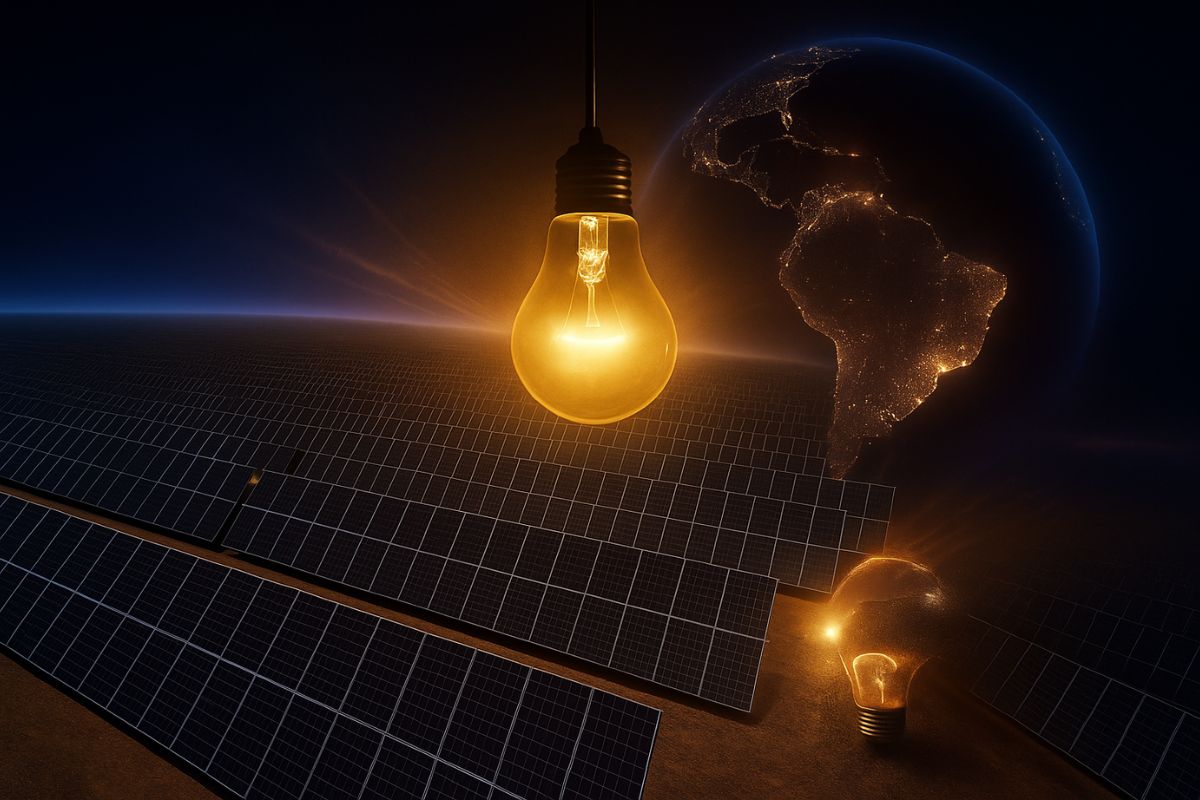
In The Heart Of The Caatinga, In Juazeiro (BA), The Giant Brazilian Solar Plant By Eneva Not Only Produces Clean Energy, But The Shading Of Its Panels Creates A Unique Ecological Phenomenon.
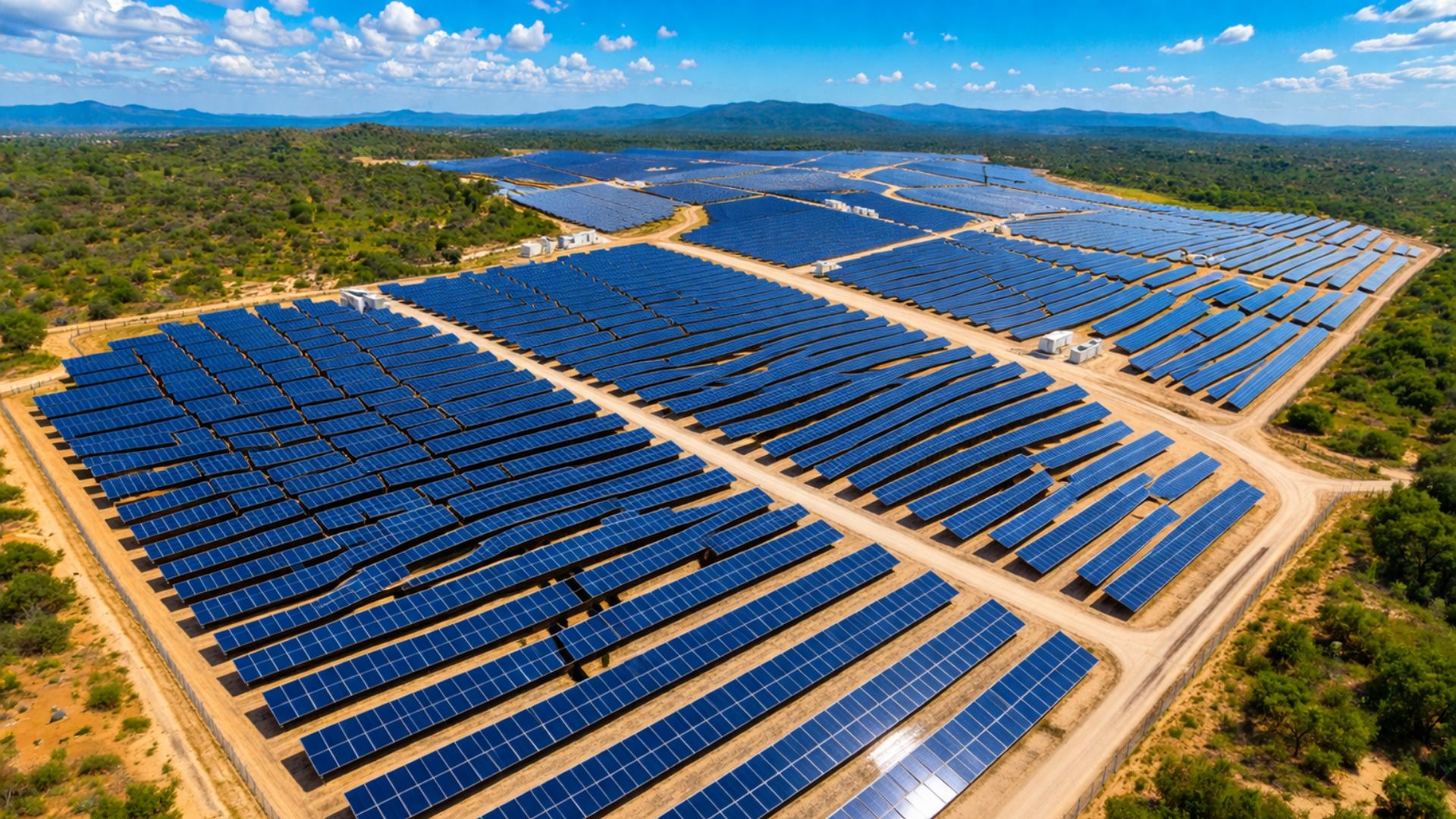
In The Sertão Of Bahia, A Massive “Forest Of Steel” Is Changing The Landscape And The Climate. This Is The Futura Solar Complex, Operated By The Company Eneva, One Of The Largest Solar Parks In The Americas. With Over 1.4 Million Photovoltaic Panels, The Brazilian Solar Plant Generates Enough Clean Energy To Supply About 1.7 Million People.
But The Impact Of The Plant Goes Beyond Energy. The Vast Area Covered By The Panels Creates A Constant Shade That Is Giving Rise To A Unique Microclimate, Cooler And More Humid, In The Semi-Arid Region. It Is A Phenomenon That Represents Both A Challenge And An Extraordinary Opportunity For The Coexistence Between Technology And Nature.
What Is And Where Is The Futura Solar Complex?
Although Often Associated With Other States In The Northeast, The Futura Solar Complex I Is Fully Located In The Municipality Of Juazeiro, In The State Of Bahia. The Project, One Of The Largest In Brazil, Is A Milestone In The Energy Transition Of The Country.
-
The Sol do Agreste Photovoltaic Complex begins operations in Pernambuco and accelerates the expansion of solar energy in Brazil, directly impacting the reduction of emissions and strengthening the sustainable energy matrix.
-
The Sol do Agreste Photovoltaic Complex begins operations in Pernambuco and accelerates the expansion of solar energy in Brazil, directly impacting the reduction of emissions and strengthening the sustainable energy matrix.
-
Roraima bets on the sun to escape high tariffs: Amid the energy crisis and price hikes, solar energy is growing in Roraima and transforming consumption in the North region.
-
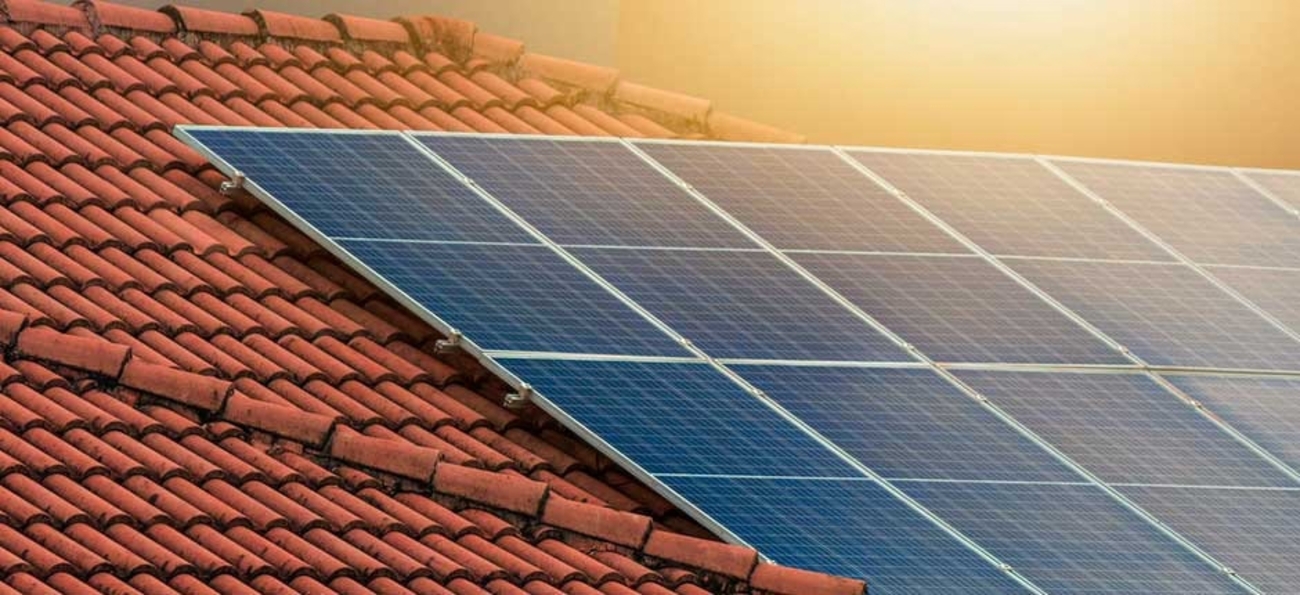
Copel boosts solar energy in Paraná and brings innovation to public schools, promoting savings on electricity bills, energy efficiency, and a direct impact on the quality of education.

Resulting From An Investment Of R$ 3.2 Billion, The First Phase Of The Complex Started Commercial Operation On May 29, 2023. With A Capacity Of 837 Megawatts-Peak (MWp), The Plant Occupies An Area Of 1,649 Hectares, Equivalent To More Than 1,600 Soccer Fields, And Stands Out As One Of The Most Important In Latin America.
How The “Forest Of Steel” Creates Its Own Climate?
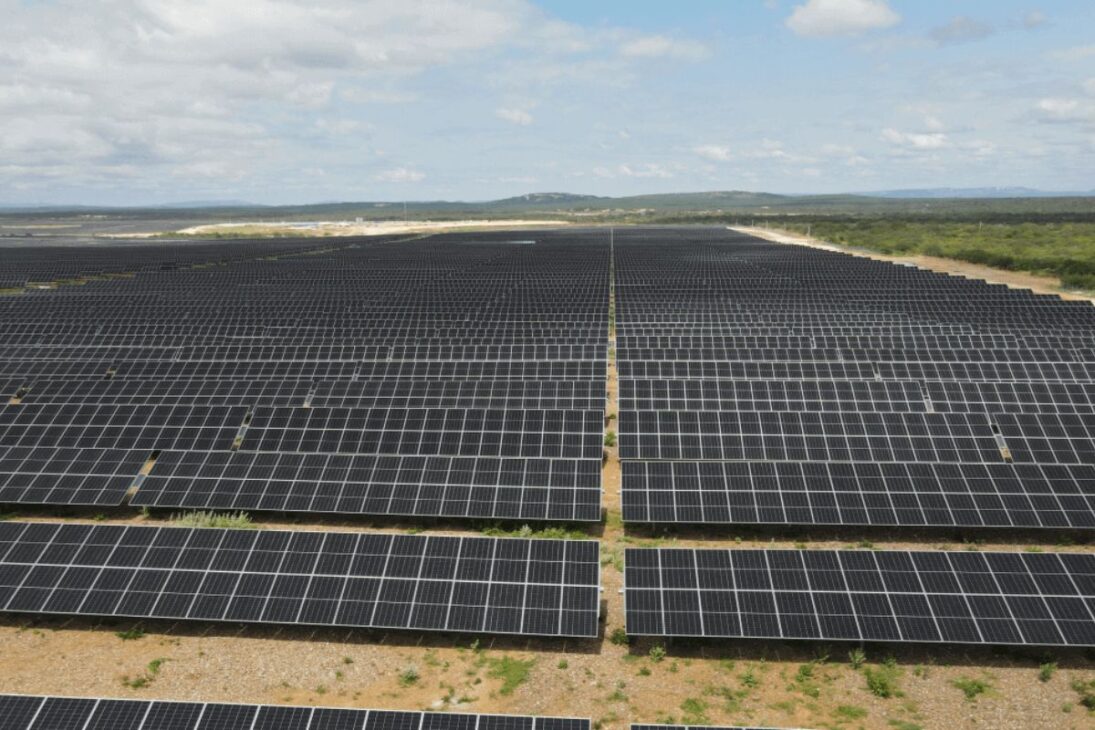
The Nickname “Forest Of Steel” Arose From A Fascinating Phenomenon. The Immense Coverage Of The 1.4 Million Solar Panels Creates A Permanent Shadow Over The Caatinga Soil. This Shadow Blocks Direct Sunlight, Which Generates Two Important Consequences:
- Reduces Soil Temperature: The Soil Under The Panels Is Significantly Cooler Than The Surrounding Areas.
- Increases Humidity: With Less Heat, The Evaporation Of Water From The Soil Drastically Decreases, Keeping It Moist.
This New Microclimate, Cooler And More Humid, Has The Potential To Allow The Native Understory Vegetation Of The Caatinga To Regrow, Transforming The Area Into A Type Of Underbrush Beneath The “Forest” Of Panels.
The Environmental Paradox: The Impact Of Construction And The Chance For Regeneration
The Construction Of Any Large-Scale Brazilian Solar Plant Has An Initial Environmental Impact. To Install The Futura Complex, It Was Necessary To Suppress The Native Vegetation, An Impact That Eneva Itself Classifies In Its Reports As “Permanent And Irreversible”.
However, The Microclimate Phenomenon Created During The Operational Phase Represents A Unique Opportunity. Instead Of Focusing Only On Mitigating The Initial Damage, The Company Has The Chance To Lead A New Narrative Of Sustainability, Studying And Promoting The Emergence Of A New Ecosystem In Synergy With Clean Energy Generation.
The Energy That Powers The Brazilian Industry
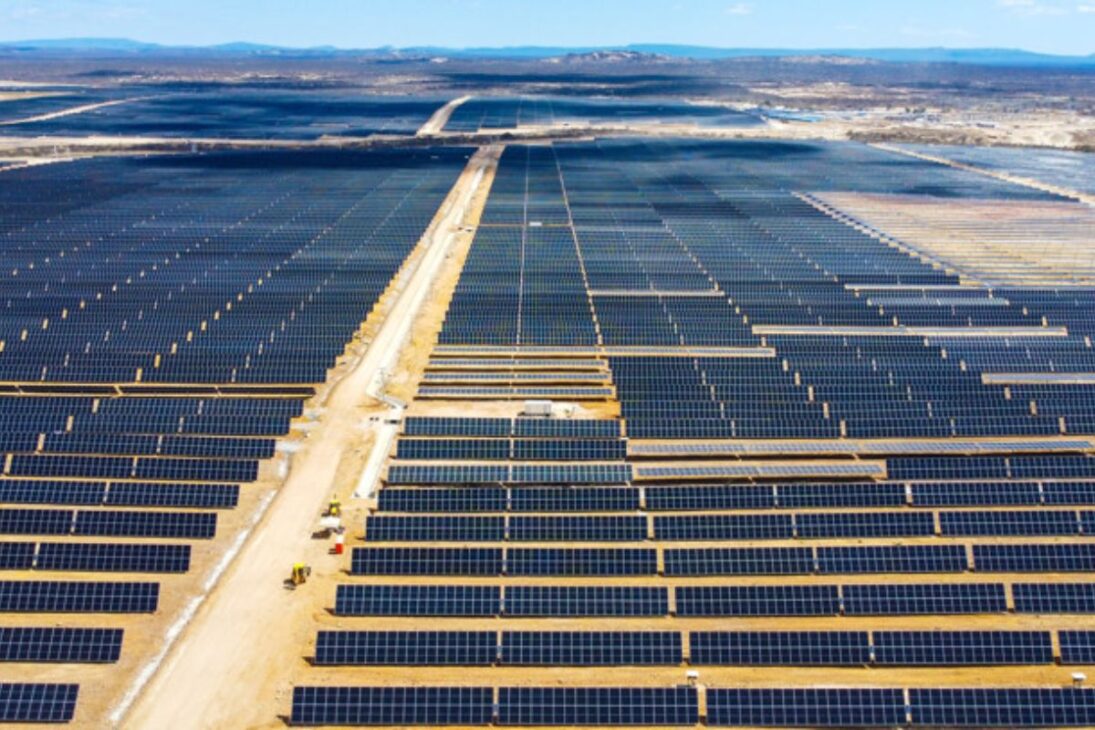
The Futura Solar Complex Is A Commercial Success. Even Before Its Inauguration, 100% Of Its Energy Was Already Sold In Long-Term Contracts, Ensuring Revenue Of Approximately R$ 4 Billion.
The Buyers Are Large Industrial Consumers, Such As The Gases Company White Martins, Looking To Secure The Supply Of Clean Energy To Meet Their Decarbonization Goals. The Entry Of Futura Into The Electric System Was So Significant That It Alone Increased The Total Solar Generation Capacity Of Brazil By 8% In 2023.
The Future Of The Complex: The Expansion That Could Double Capacity
The Futura I Project Is Just The Beginning. Eneva Already Has Plans For The Futura II And Futura III Phases, Which Together Could Add Another 2.3 Gigawatts (GW) Of Capacity, Making The Complex One Of The Largest In The World.
However, The Expansion Does Not Yet Have A Start Date. The Decision To Invest In The Construction Of The New Phases, According To Eneva, Is A Strategic Option That Depends On Favorable Market Conditions, Such As The Demand For Long-Term Energy Contracts And Capital Costs.









Seja o primeiro a reagir!